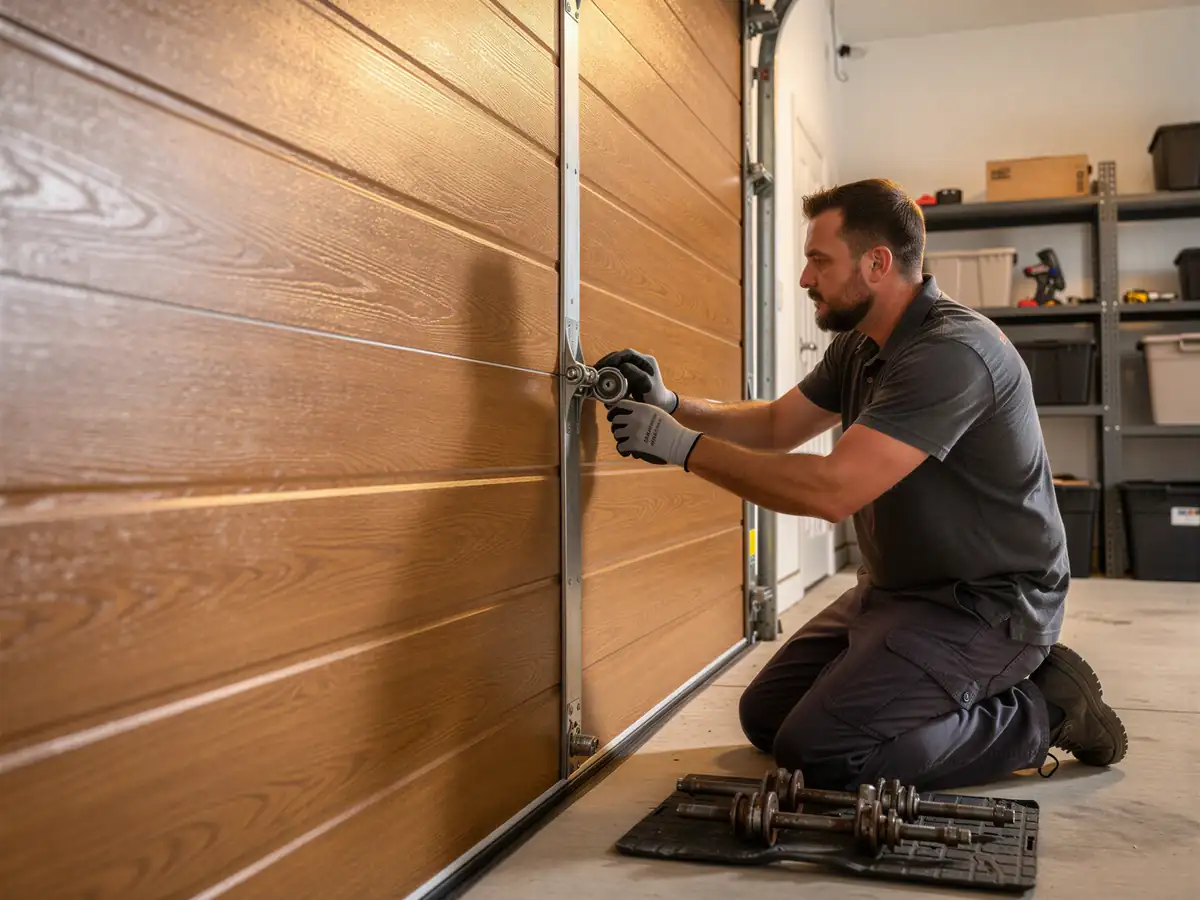
Garage Doors on Concord Houses Built Before Insulation Rules
Concord homes built before insulation codes often have single-layer garage doors. Here's what that means for comfort, cold-weather performance, and repair costs.
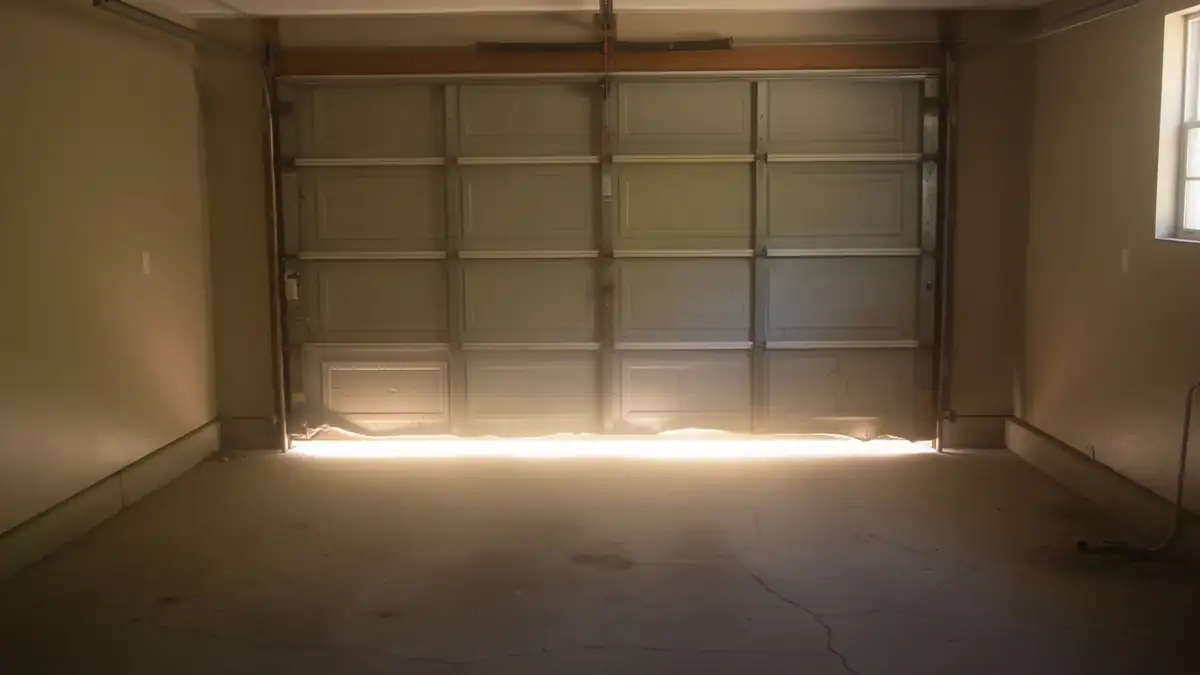
A lot of Concord's housing stock went up between 1969 and 2006, with the median build year landing around 1987. That matters more than it sounds like it should, because garage door insulation requirements weren't part of most local codes until well after that median year. A door installed when a house was built in the late 70s or through the 80s is very likely a single steel skin with no foam core at all - just a flat panel hung on rollers. It does the job of keeping weather out, mostly, but it does nothing to slow heat loss, and it dents and oil-cans (that hollow popping sound when you press on the panel) far more easily than a two-layer or three-layer door. If your garage backs onto a bedroom or laundry room, as it does in a lot of the 1980s-90s subdivisions across this area, that thin door is working against you every day you don't think about it. The spring and hardware on these older single-layer doors also tend to be lighter-duty, sized for a lighter panel - which becomes relevant the day you decide to swap in a heavier insulated replacement.
When to Get Help
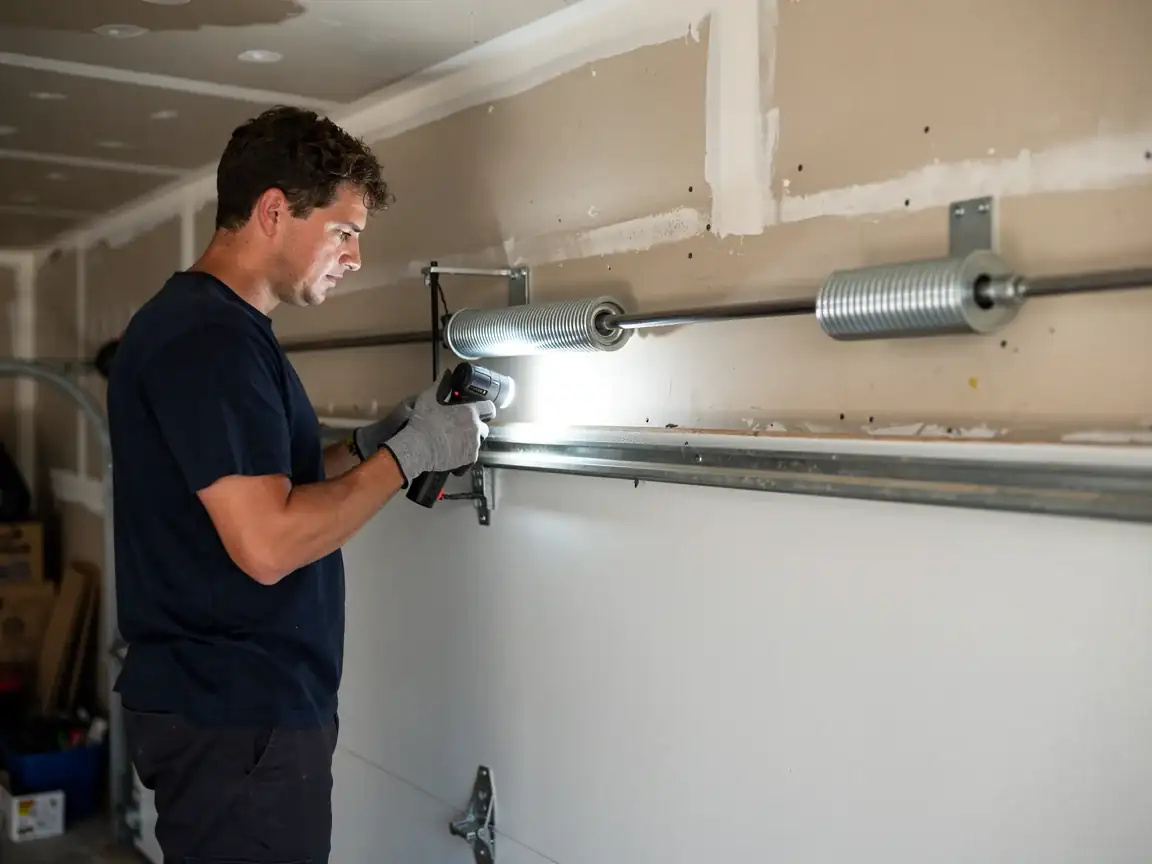
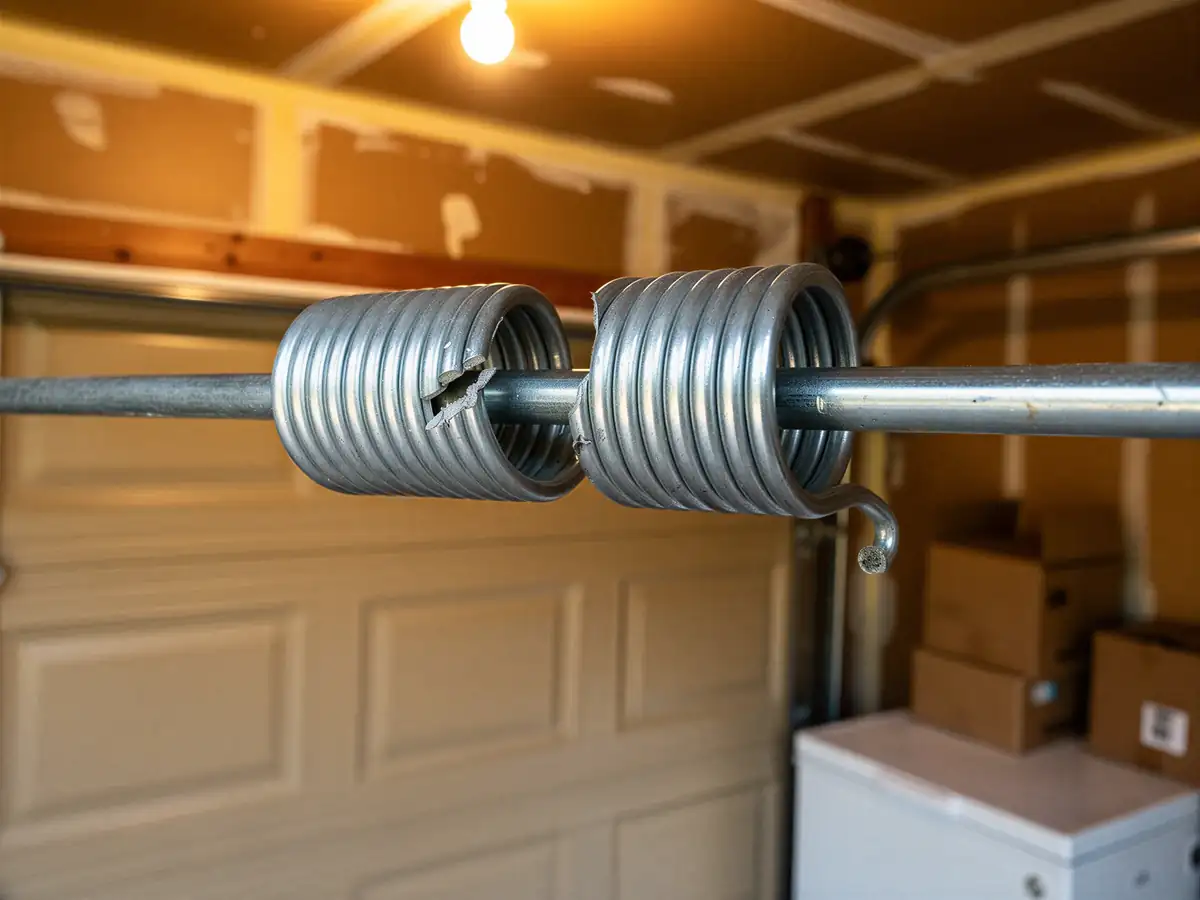
Call before the door fails completely, not after. If you've got one of the original single-layer doors from a house built in that 1969-2006 window and you're hearing new noise - a grinding on the track, a shudder when the opener kicks on - that's usually a roller or hinge wearing out on hardware that was never top-grade to begin with. Worth a look before it becomes a cable or spring failure, which on an uninsulated steel door is a heavier, faster snap than people expect. Also worth a call if you're planning any kind of garage renovation - finishing the space, running HVAC into it - because at that point swapping the old single-skin door for an insulated one stops being optional and becomes part of the job. One thing we won't do is try to insulate an existing single-layer door with foam board glued to the inside; it looks like a fix but it throws off the balance on springs sized for the original weight, and it doesn't address the air gaps at the bottom seal and sides, which is where most of the heat loss actually happens.
How Local Conditions Play In
This area sits in a cold-moderate climate band - not brutal, but cold enough in winter that an uninsulated garage door becomes a real temperature gap in the house, not just a cosmetic issue. Across the sixteen-plus named neighborhoods and nearby communities we work in, from the older sections near Kannapolis to newer builds out toward Midland, the pattern repeats: houses from the 80s and 90s stock with original garage doors still in place. The insulation gap doesn't show up as frost on the inside of the door very often here - it's milder than that - but it shows up in a noticeably colder floor in the room next to the garage, and in an opener that works harder on cold mornings because the door itself is heavier to lift when the weather tightens the seals and hardware. Homes with 41,230 owner-occupied houses across this service area, many sitting on that same original single-skin door, are carrying this quietly rather than dealing with it outright.
What Changes With the Season
Cold-moderate means the swings aren't extreme, but they're enough to matter on a door with no insulation layer. In winter, steel contracts and old weatherstripping that's already hardened from years of UV and temperature cycling pulls away from the frame, so the gaps get a little wider right when you'd want them sealed. That's when people first notice the draft along the bottom of an uninsulated door. Come summer, the same door with no insulation soaks up heat off a sun-facing driveway and radiates it straight into the garage - and if that garage shares a wall with living space, you feel it inside too. None of this breaks the door outright. It just means a single-layer door from the 1980s or 90s build era is working at a disadvantage every season, not just the hard ones, and it's part of why people in this area end up replacing a door that still technically operates - not because it failed, but because it's costing them comfort twice a year.
How it works
From “it’s stuck” to “it’s fixed”
01
Tell us what’s wrong
Describe the symptom - won’t open, loud bang, opener runs but the door won’t move.
02
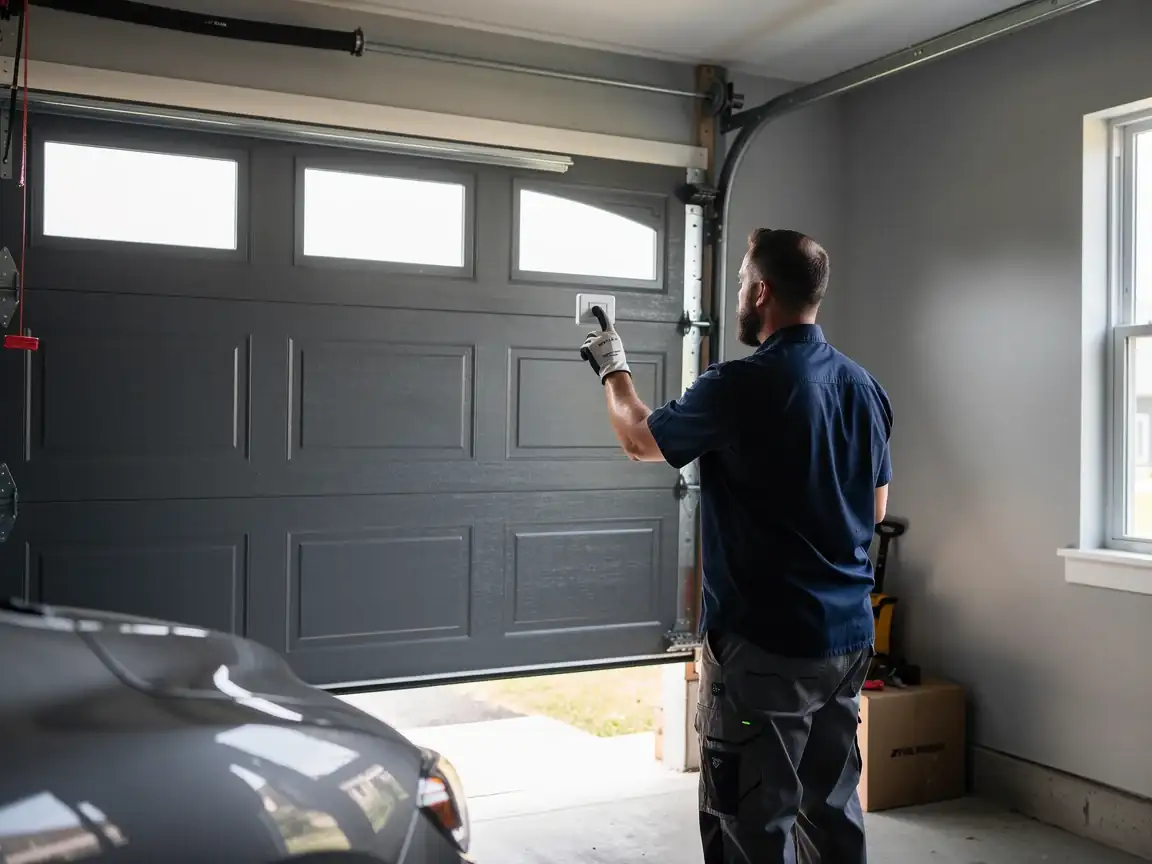
On-site diagnosis
A technician tests the door under power and by hand and finds what actually failed.
03
Clear, up-front plan
You get the fix that’s needed and what drives the cost - before any work starts.
04
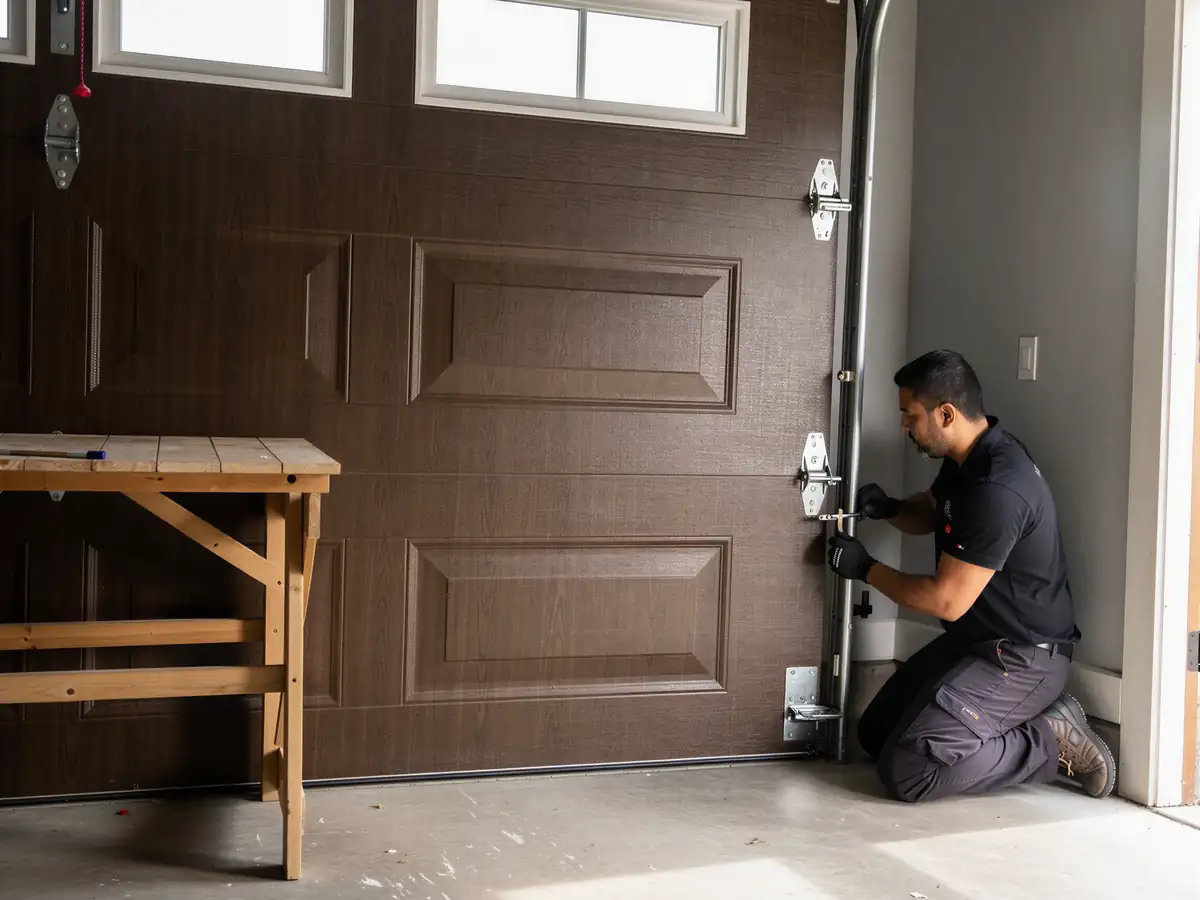
Repaired & tested
The repair is done, the door is set true and tested, and the work area left clean.
Not sure which repair your door needs in Concord, NC? Describe what it’s doing - every job starts with a diagnosis.
How do I know if my garage door has insulation or not?
Open the door partway and look at the inside panel. A single-layer door is a flat, smooth steel sheet with visible ribs and no backing material. An insulated door has a foam or polystyrene layer and usually a second interior skin, so it looks and feels thicker, and it's noticeably quieter when it closes.
Is it worth insulating an old single-layer door instead of replacing it?
Usually not. Adding foam board to an existing single-layer door changes its weight, which throws off spring balance and opener strain, and it doesn't fix the air leaks at the edges, which is most of the heat loss anyway. On a door from the 80s or 90s, replacement with a built-insulated door is almost always the better move.
Why does my garage door feel heavier in winter?
Cold tightens weatherstripping and can stiffen lubricant on rollers and hinges, and on an uninsulated steel door the panel itself has no foam core to add rigidity, so flex and drag both increase. It's a sign the hardware and seals are due for attention, not necessarily that anything is broken yet.
Ready to get your garage door sorted?
Tell us what it’s doing and where you are in Concord - we’ll take it from there.