Doing It Yourself
Before you call anyone, check the easy stuff
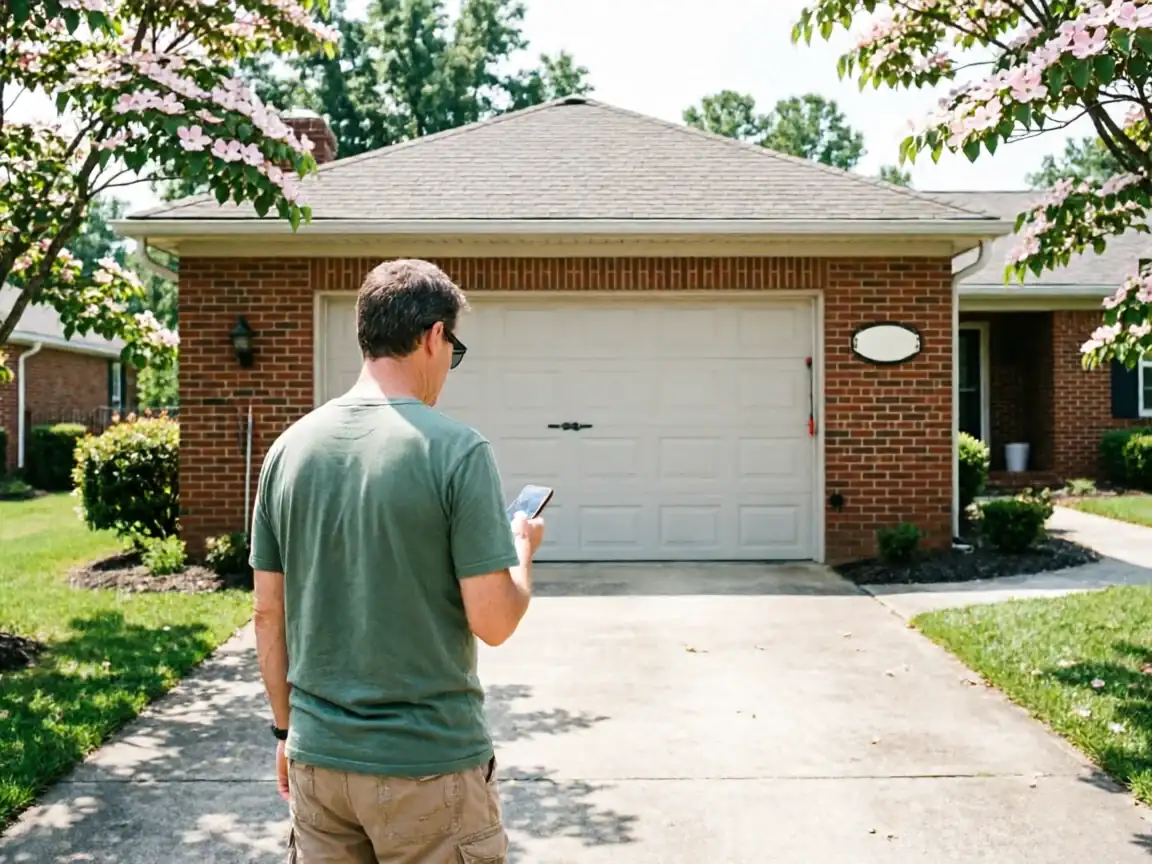
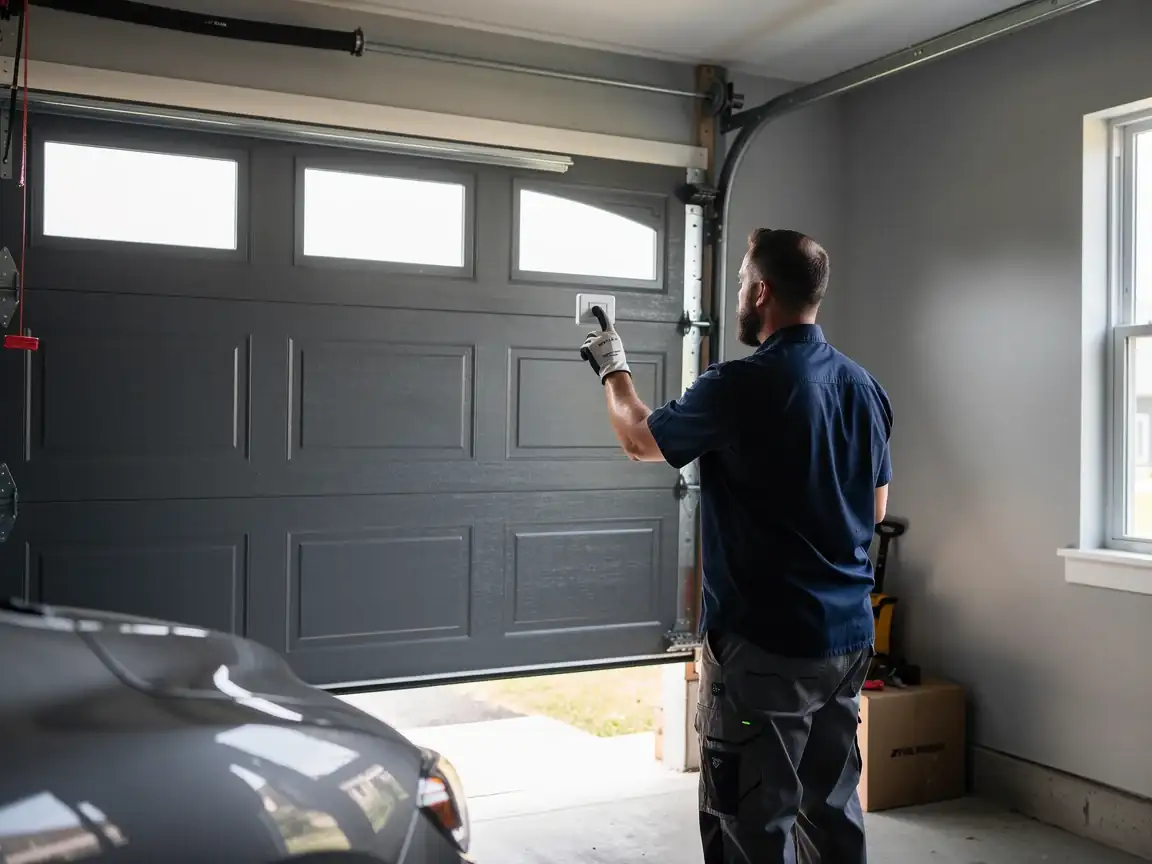
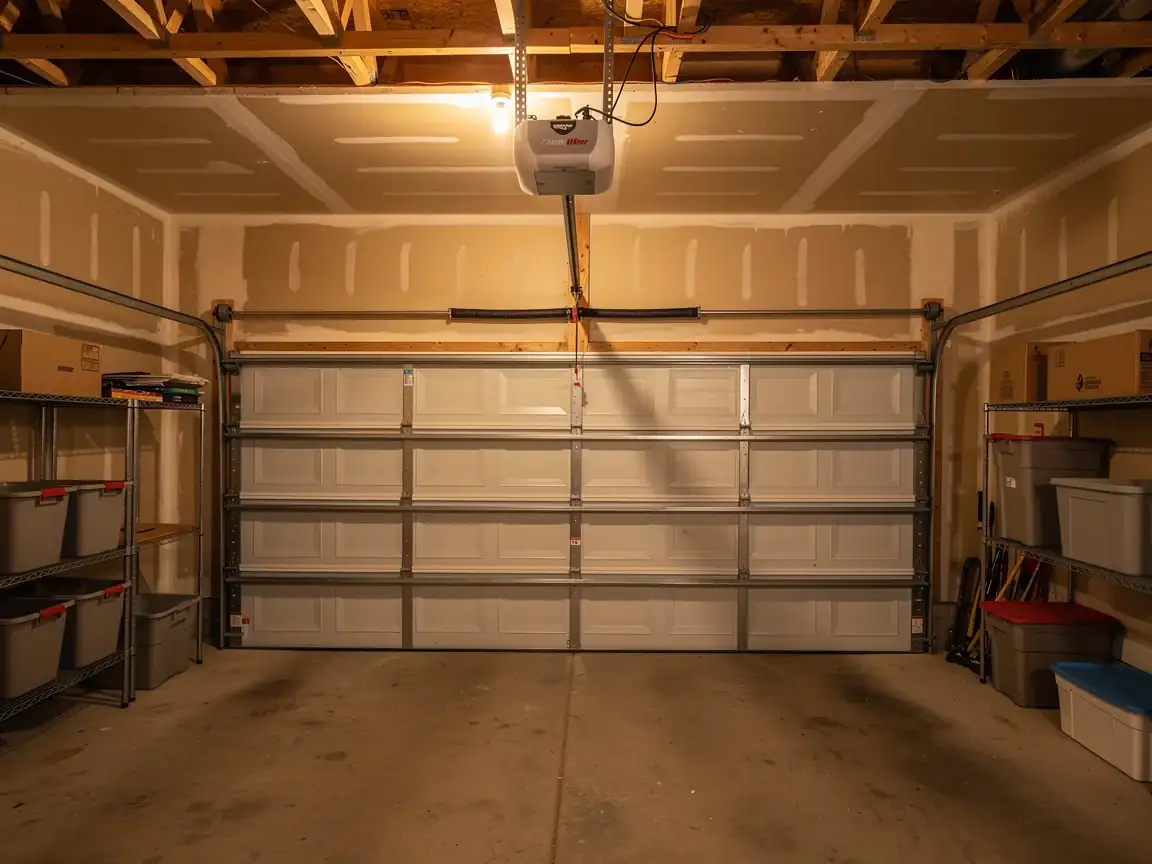
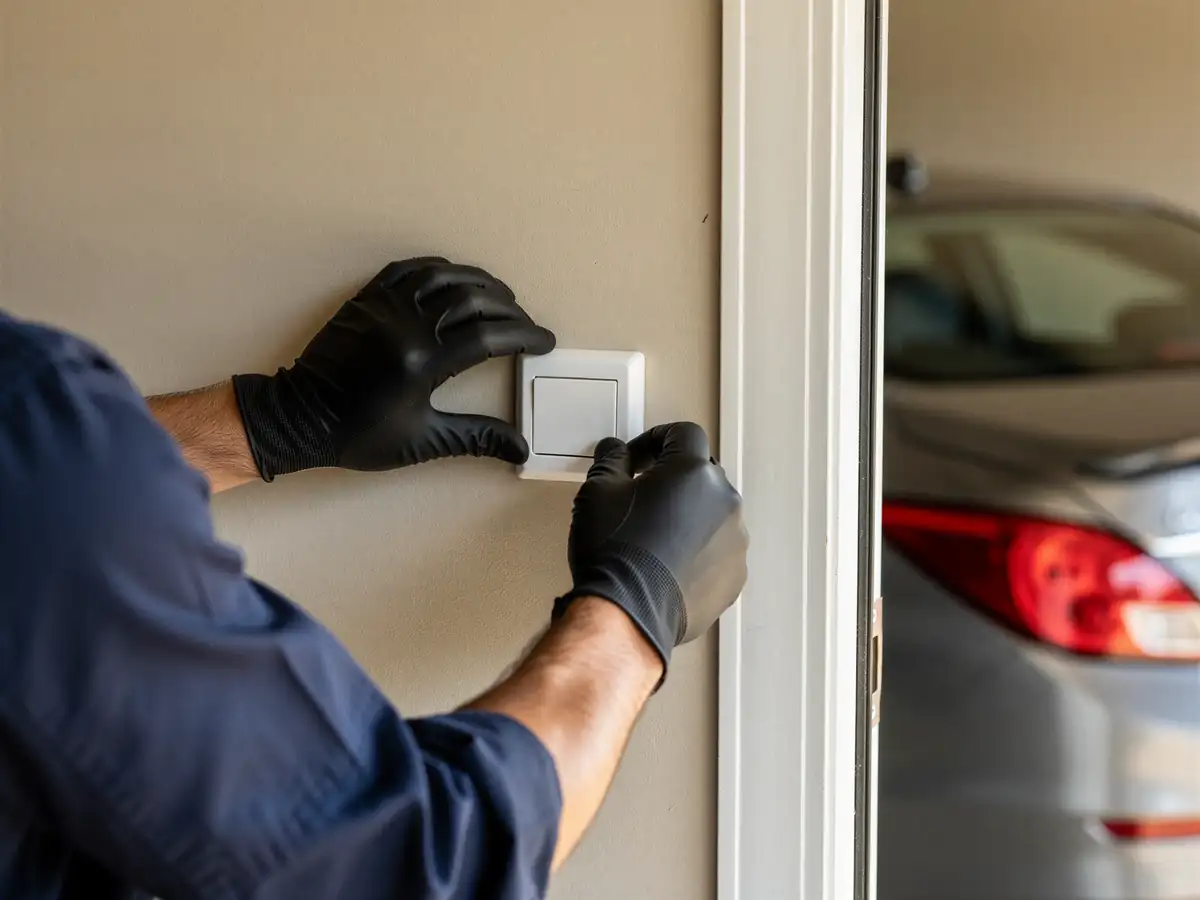
Make sure the opener is plugged in and the outlet has power - a tripped GFCI in the garage kills more openers than people think. Look at the safety sensors near the floor on each side of the track. If either light is blinking instead of solid, something is blocking the beam or a sensor has drifted out of alignment, and the opener won't run the door as a safety default. Swap the remote battery before you assume the unit itself is dead. If the wall button works but the remote doesn't, that's the fix.
What you shouldn't touch
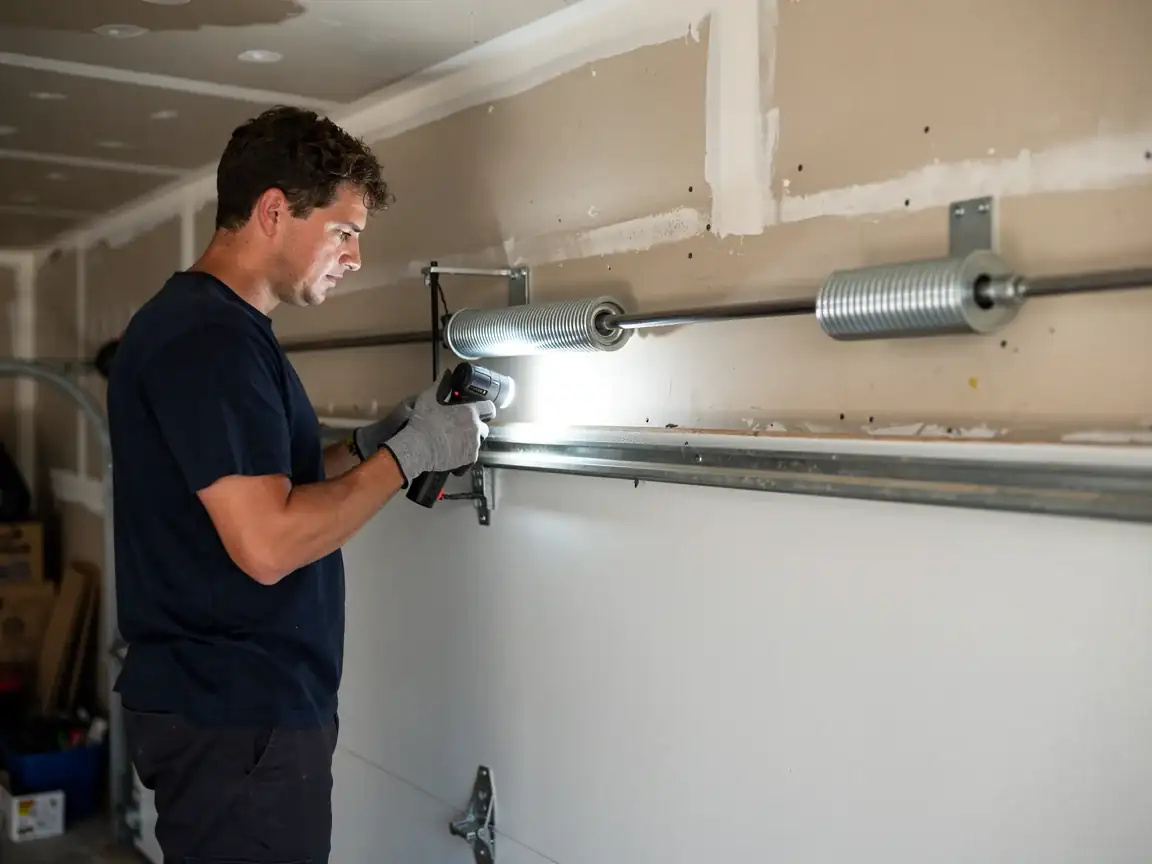
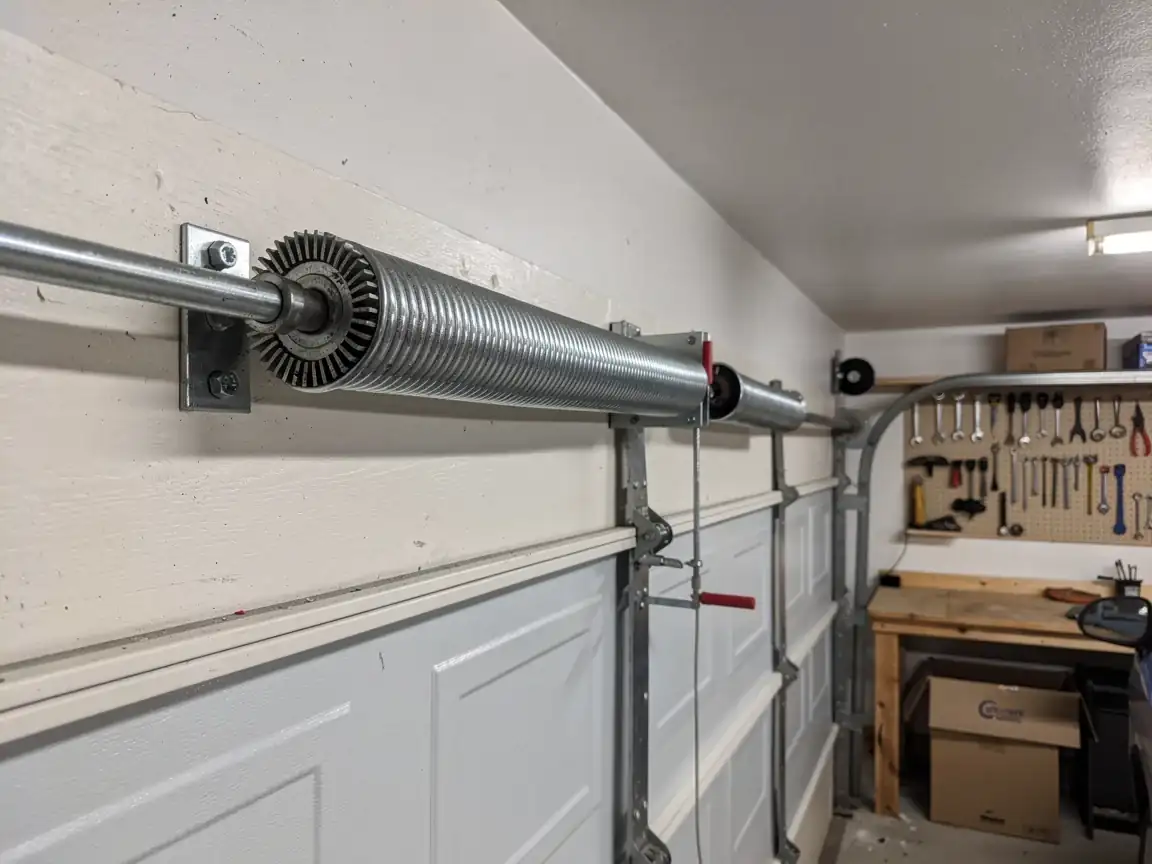
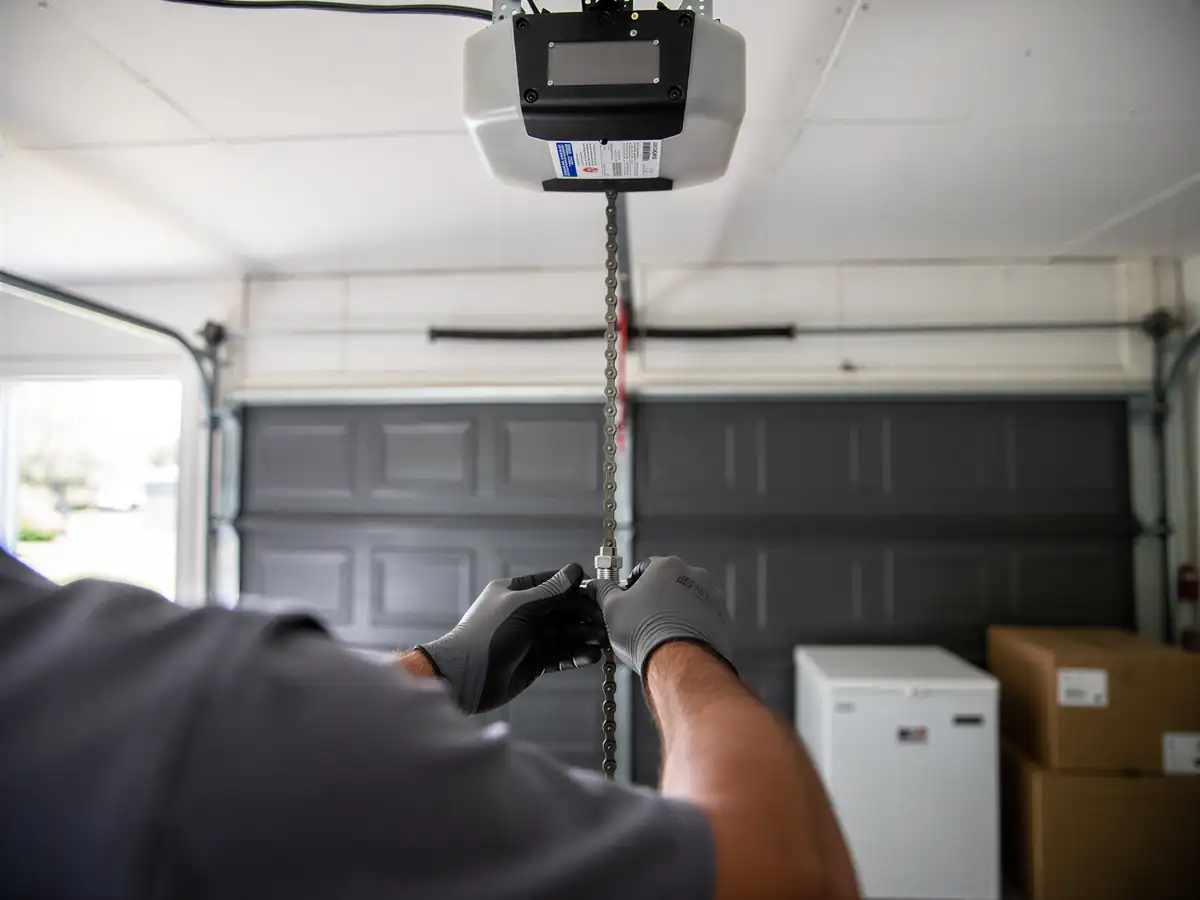
The drive gear housing, the logic board, or anything involving the torsion spring the opener is lifting against. Openers built in the 1980s and 90s often run on a chain and sprocket that wears a plastic gear down to dust over twenty-plus years - once that gear strips, no amount of adjusting the force dial brings it back. And if the real problem is a spring that's lost tension, the opener will grind, strain, and eventually burn out trying to do a job it was never built to do alone. That's where DIY stops and a service call starts.
How It Shows Up
The opener runs but the door doesn't move - that's the classic stripped gear, and you'll usually hear the motor humming while the trolley sits still on the rail. A door that reverses halfway up or won't close all the way down points at either the sensors or the opener's force and limit settings drifting out of spec, which happens gradually as the unit ages. Some owners get a dead remote and a dead wall button at the same time, which usually means the logic board itself has failed rather than any single switch.
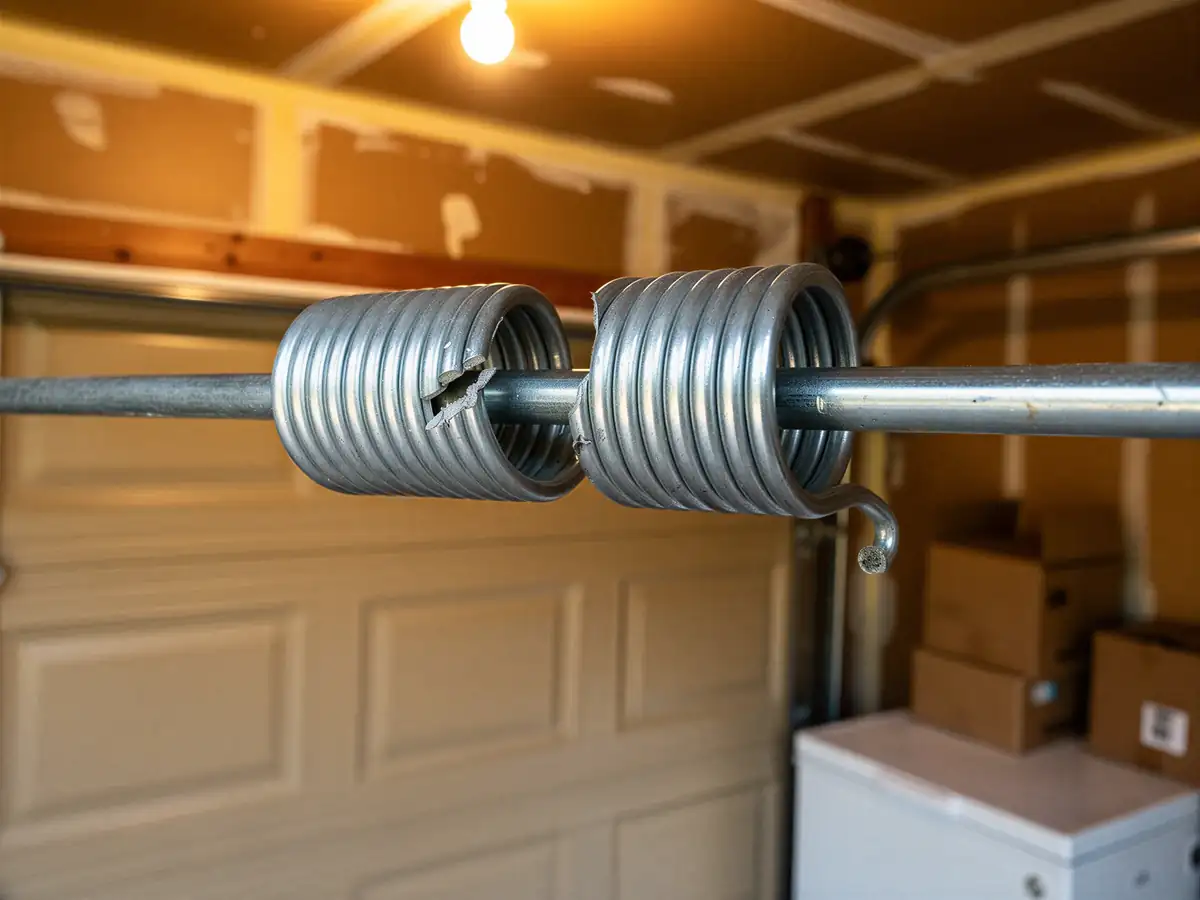
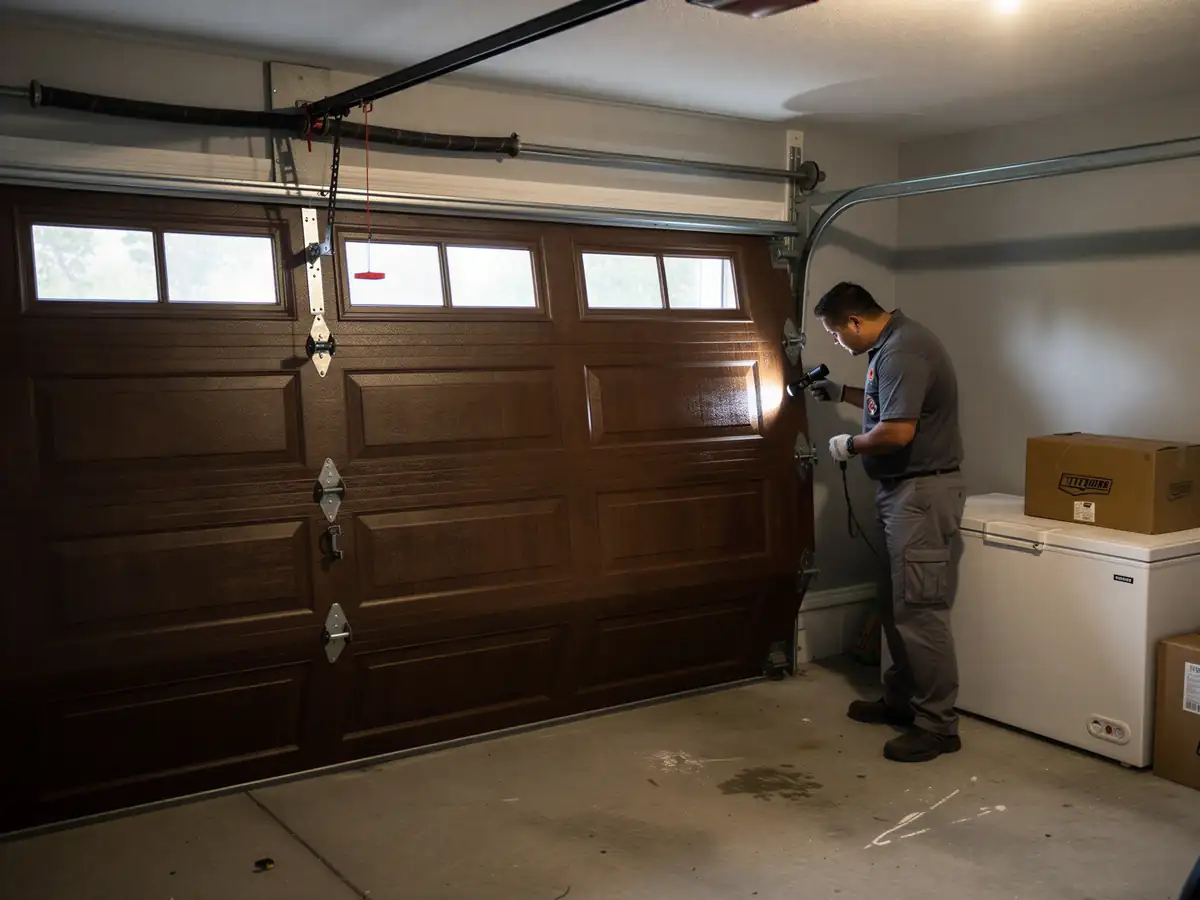
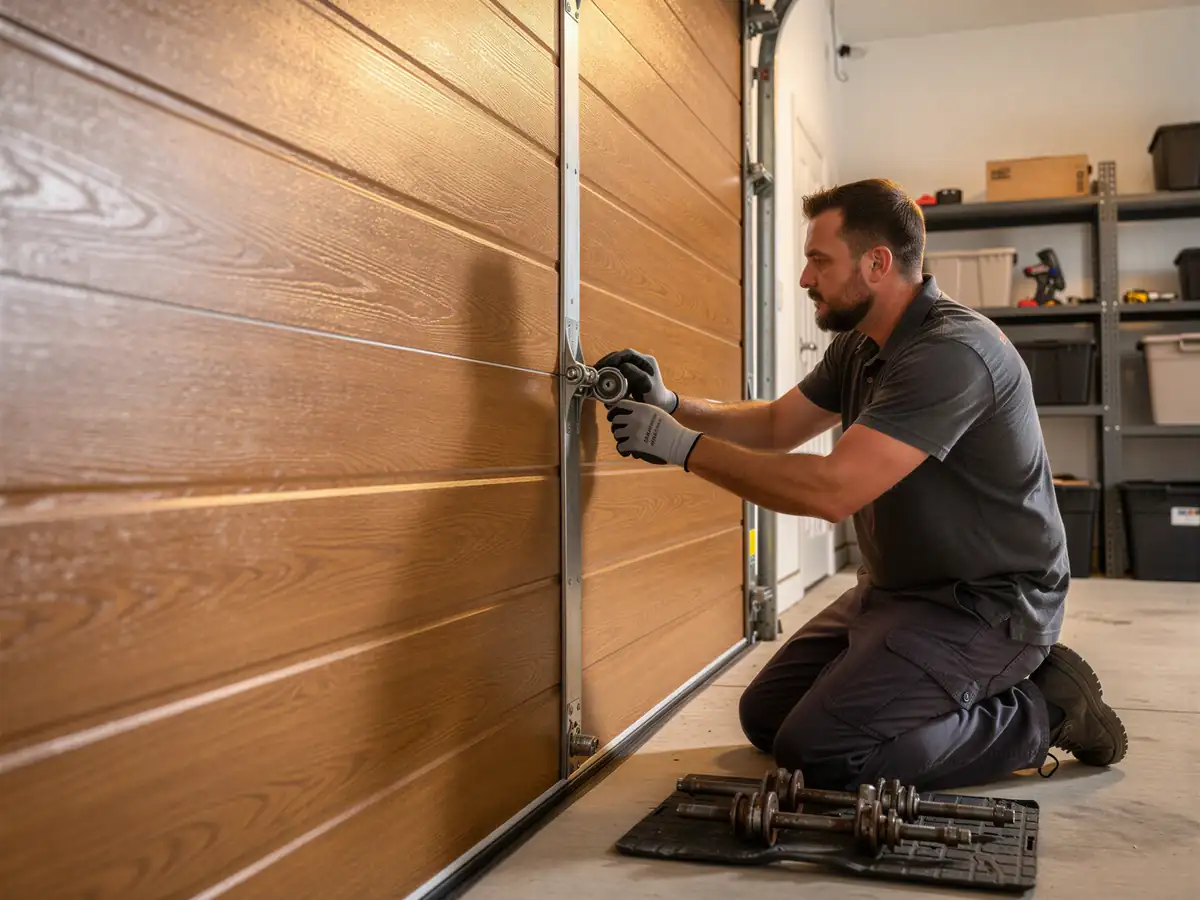
Grinding, clicking, or a loud pop followed by silence is worth paying attention to. A single loud pop and then a door that won't budge at all often isn't the opener - it's a spring that just let go, and the opener is the thing you noticed because it's the part making noise. Separating an opener problem from a spring problem before you start replacing parts saves a second service call.
Where This Job Goes Sideways
The most common mistake is replacing the opener when the real fault is upstream of it. An opener straining against a weak or broken spring will eventually fail - the motor isn't built to lift the full weight of the door on its own, chain-drive or belt-drive. Put a new opener on a door with a tired spring and you'll be back out within a year, sometimes sooner, because the new unit inherits the old problem.
The other place it goes wrong is mismatched replacement parts. Logic boards and safety sensor pairs are matched to specific opener models and manufacturing years - a universal board from a different era won't always talk to the original rail hardware correctly, even when it bolts in. And belt-drive conversions on an opener bracket designed for a chain carry their own fitting issues if the mounting isn't adjusted to match. None of this is complicated once you know what you're looking at, but it's easy for a quick parts swap to turn into a return visit.
What Causes It Around Here
Most garage door openers in this service area went in alongside the house itself
Built sometime between 1969 and 2006, with the bulk of the stock dating to 1987. Across the 16 named areas we cover, most houses share that same 1980s-90s build window - which means a lot of original, builder-grade chain-drive openers are hitting end-of-life on roughly the same timeline, all at once, not spread evenly across decades.
Cold winters in this part of the Piedmont add to it
Chain lubricant stiffens in the cold, motors draw harder to overcome that drag, and aging capacitors that were already weak give out under the extra load - usually on the coldest morning of the stretch, not a mild one. With roughly 41,230 owner-occupied houses across the service area, a sizable share of those original openers are reaching the end of their expected working life within the same few years. We see the same failure pattern repeat house after house in neighborhoods built in that window: the gear strips, the capacitor dies, or the board stops reading the remote - not because of anything the owner did, just age and the drive cycle count catching up.
- 41,230 owner-occupied