The Problem
Steel contracts when the temperature drops
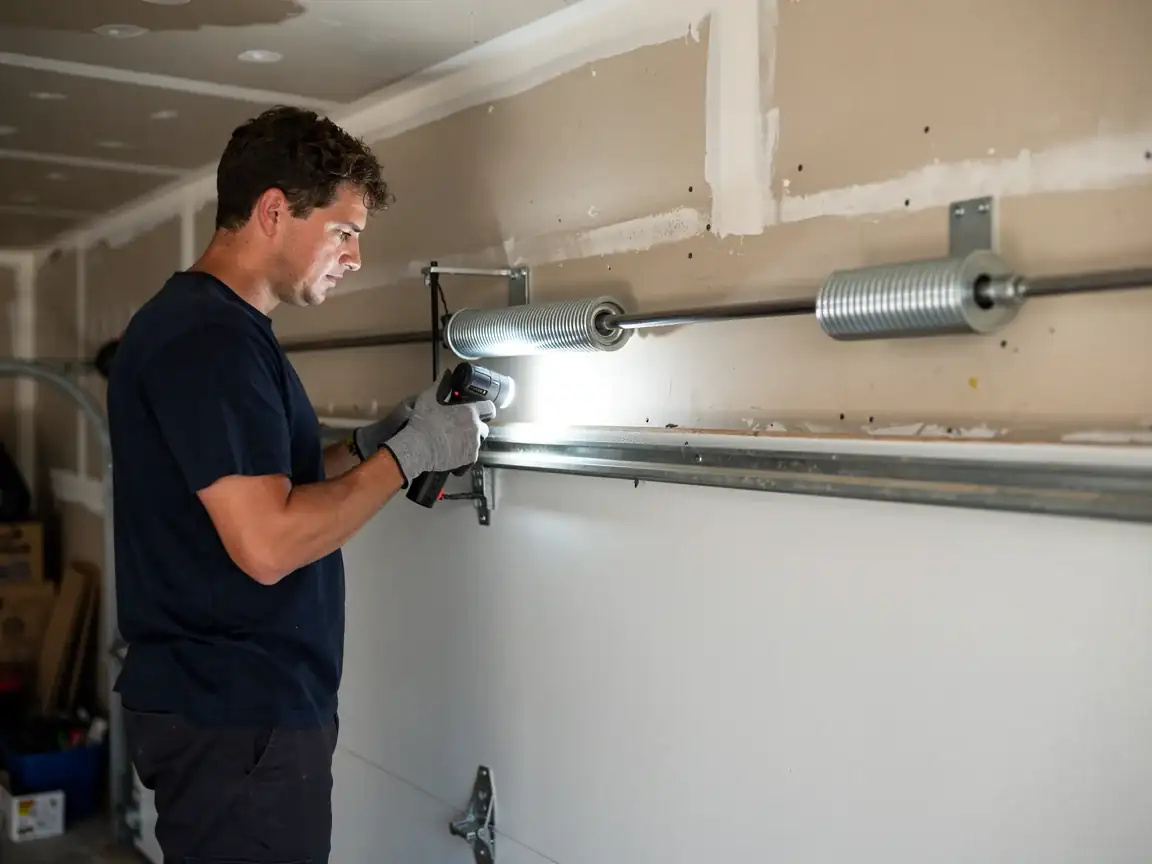
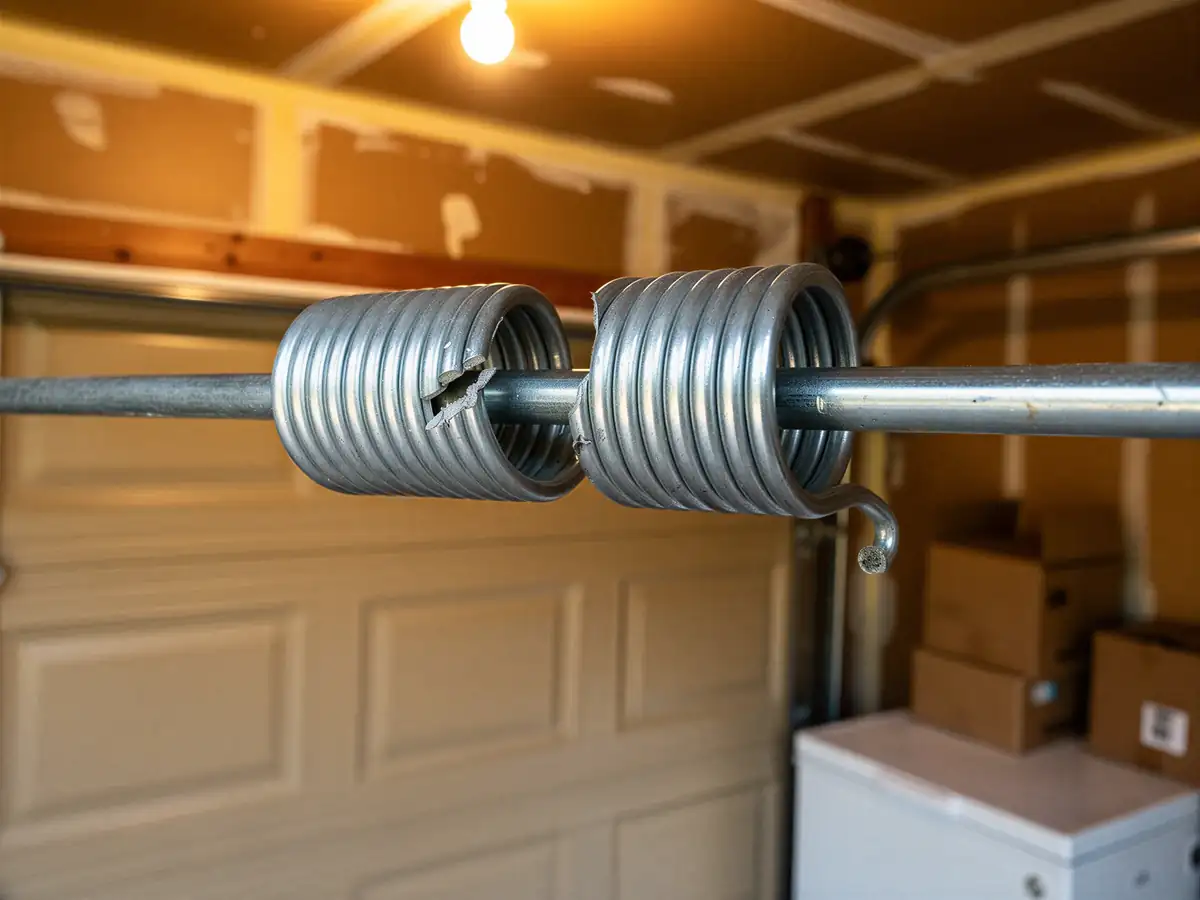
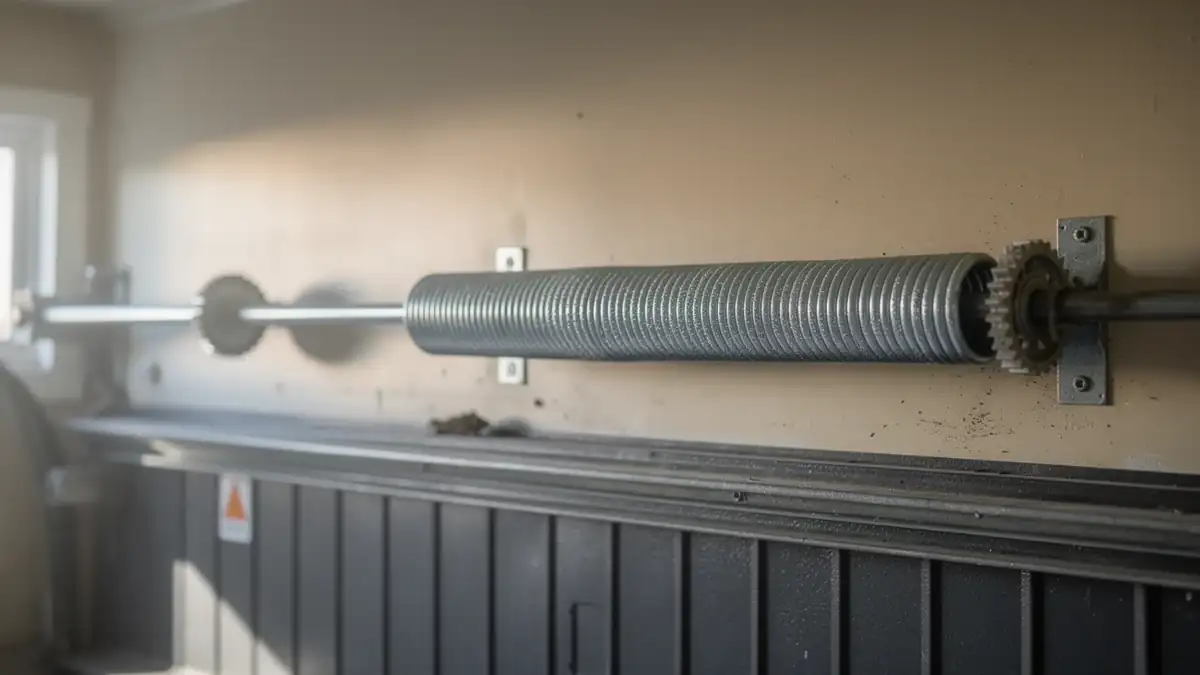
And a torsion spring is just coiled steel under constant tension. On a cold morning, that coil is tighter and less forgiving than it was in August. If a spring is already fatigued, the cold is often what pushes it from "making a little noise" to "snapped clean through."
This matters more here than it would in a warmer climate
Because Concord sits in a cold-moderate band where winter mornings regularly dip the steel temperature of a spring low enough to change how it behaves. We're not talking about a hard freeze every day, but enough swings through the season that a spring near the end of its life gets tested repeatedly.
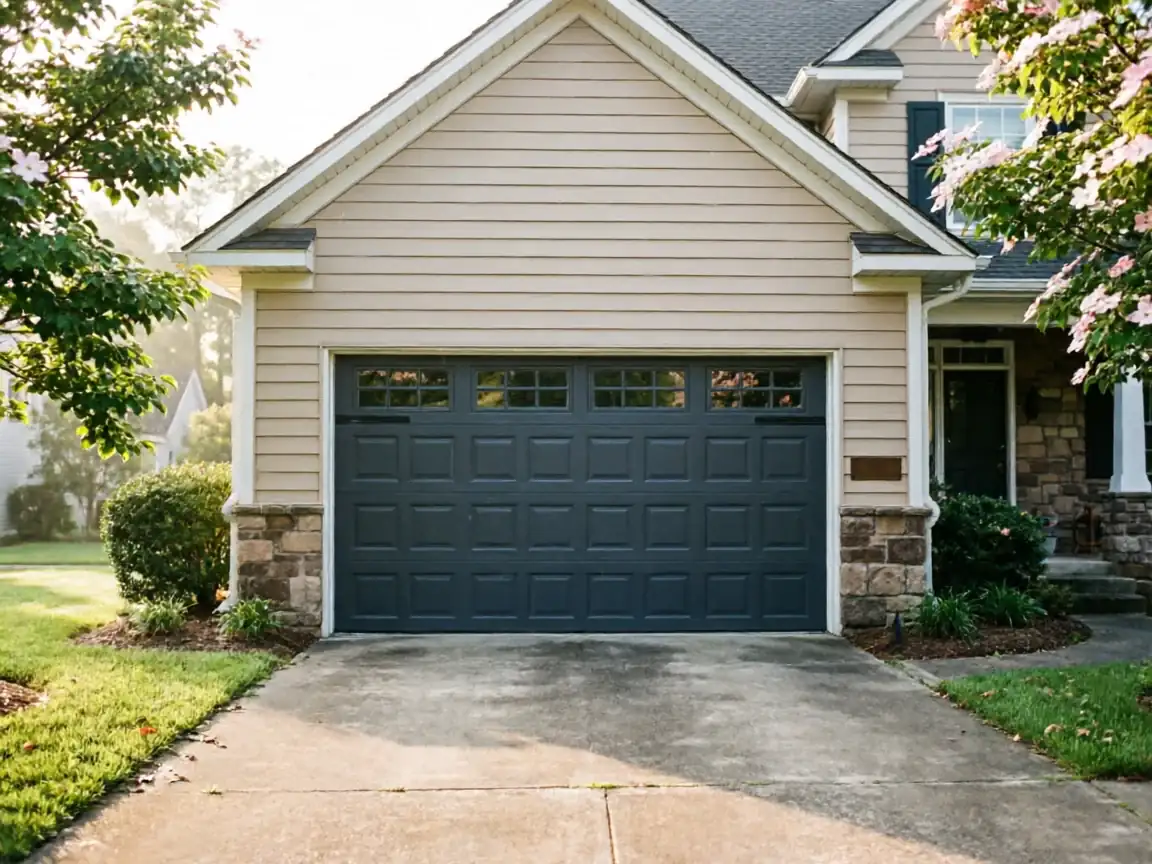
Most of the houses we go out to were built between 1969 and 2006
With the bulk of that stock from the 1980s and 90s. A lot of those original torsion springs have never been replaced. Steel fatigues on a cycle count, not a calendar, and a 30-to-40-year-old spring that's done tens of thousands of open-close cycles is already close to its limit before cold weather ever enters the picture.
When to Get Help
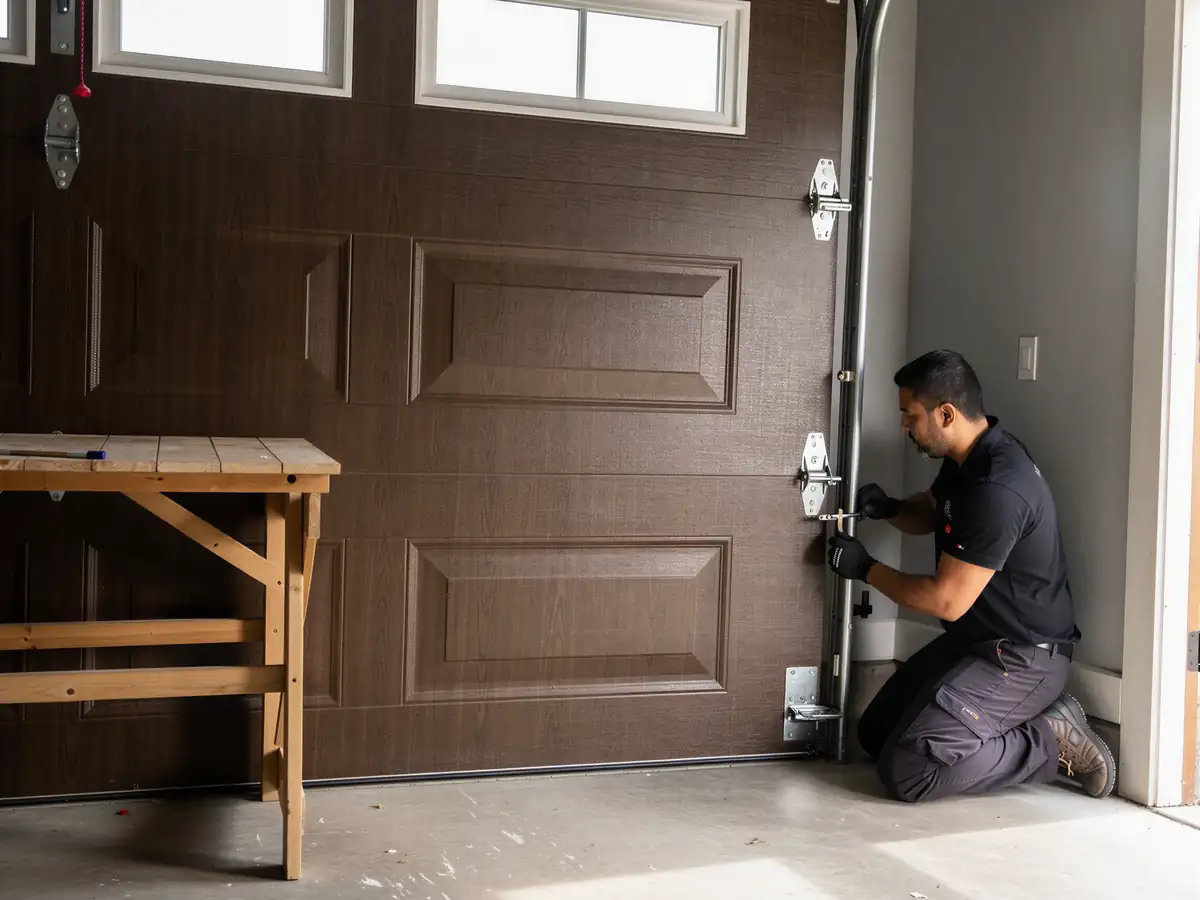
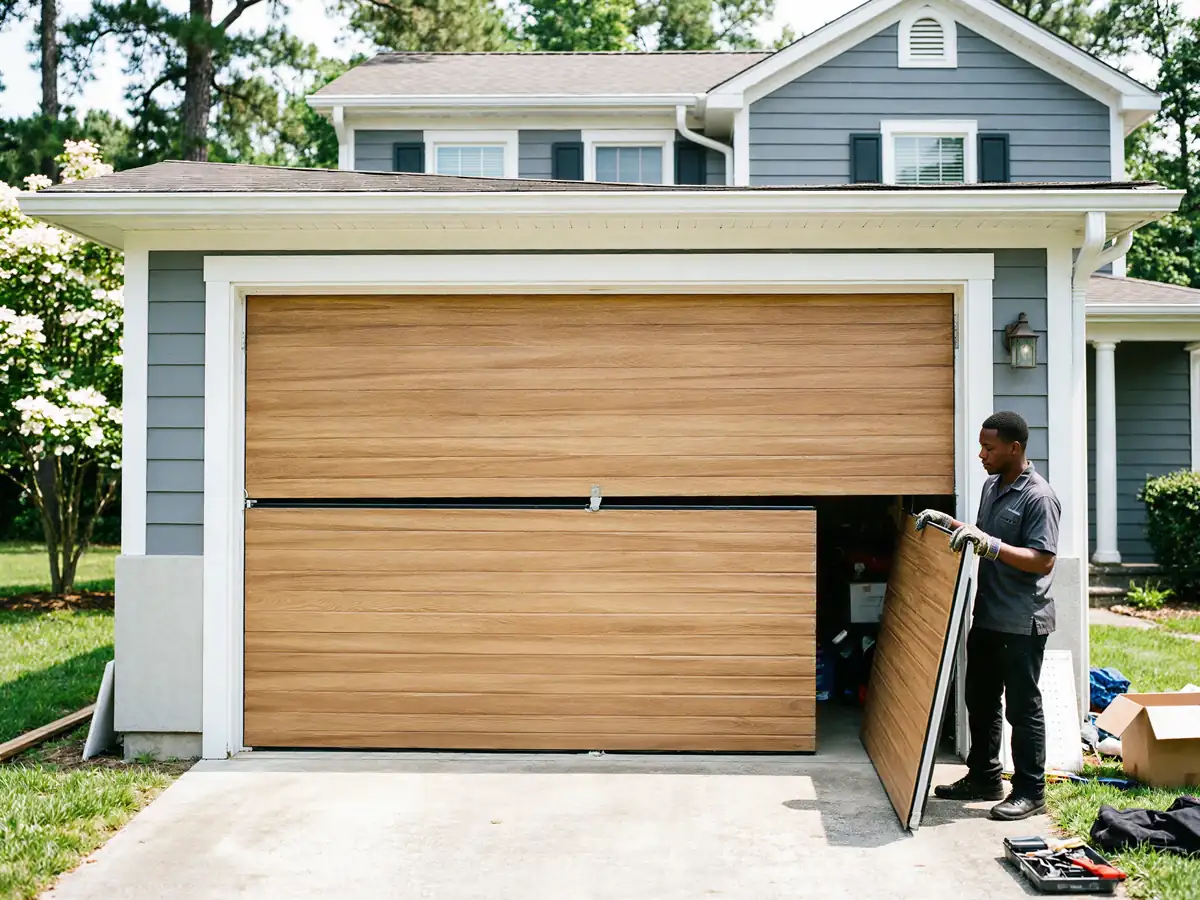
If you hear a loud bang from the garage on a cold morning, that's very likely a spring letting go. Don't try to lift the door manually to check - without the spring doing its job, a standard door can weigh well over 100 pounds and the panel can drop fast.
Call for a visit if you notice the door closing harder or faster than usual, if one side looks lower than the other when it's halfway open, or if the opener strains and reverses before finishing a close. Those are signs a spring is losing tension gradually rather than snapping all at once, and cold weather tends to be when that slow failure finally shows itself.
We'll be straight with you here: if your spring is original to a house built in the 1980s or 90s, and it's starting to act up in cold weather, we're not going to recommend a quick patch. At that age the opposite spring on a double-spring setup is usually close behind it, and replacing one while leaving a thirty-year-old match on the same shaft is asking for a second call within a year or two.
How Local Conditions Play In
Concord's service area runs across a mix of established neighborhoods built mostly in the 1980s and 90s, from areas closer to Harrisburg and Kannapolis out toward Midland and Mount Pleasant. That building window matters because it tells us what hardware is likely still in the garage - torsion springs sized for the door weights and opener standards common in that era, not the lighter-gauge setups used in newer construction.
Older springs weren't built to flex through decades of temperature swings forever. In a cold-moderate climate like ours, the steel goes through real seasonal cycling - not extreme cold, but consistent enough that a spring already near the end of its service life gets pushed over the edge during the colder months rather than in July.
We see this pattern across the service area regardless of which of the named communities a house sits in - Enochville, China Grove, Rockwell, it doesn't matter. The deciding factor is the age of the spring, not the zip code.
What Changes With the Season
As temperatures drop through fall and into winter, expect springs that were already marginal to start showing it
Slower opens, harder closes, more strain noise from the opener. That's the cold doing what cold does to tired steel, not a new problem appearing out of nowhere.
One honest limitation
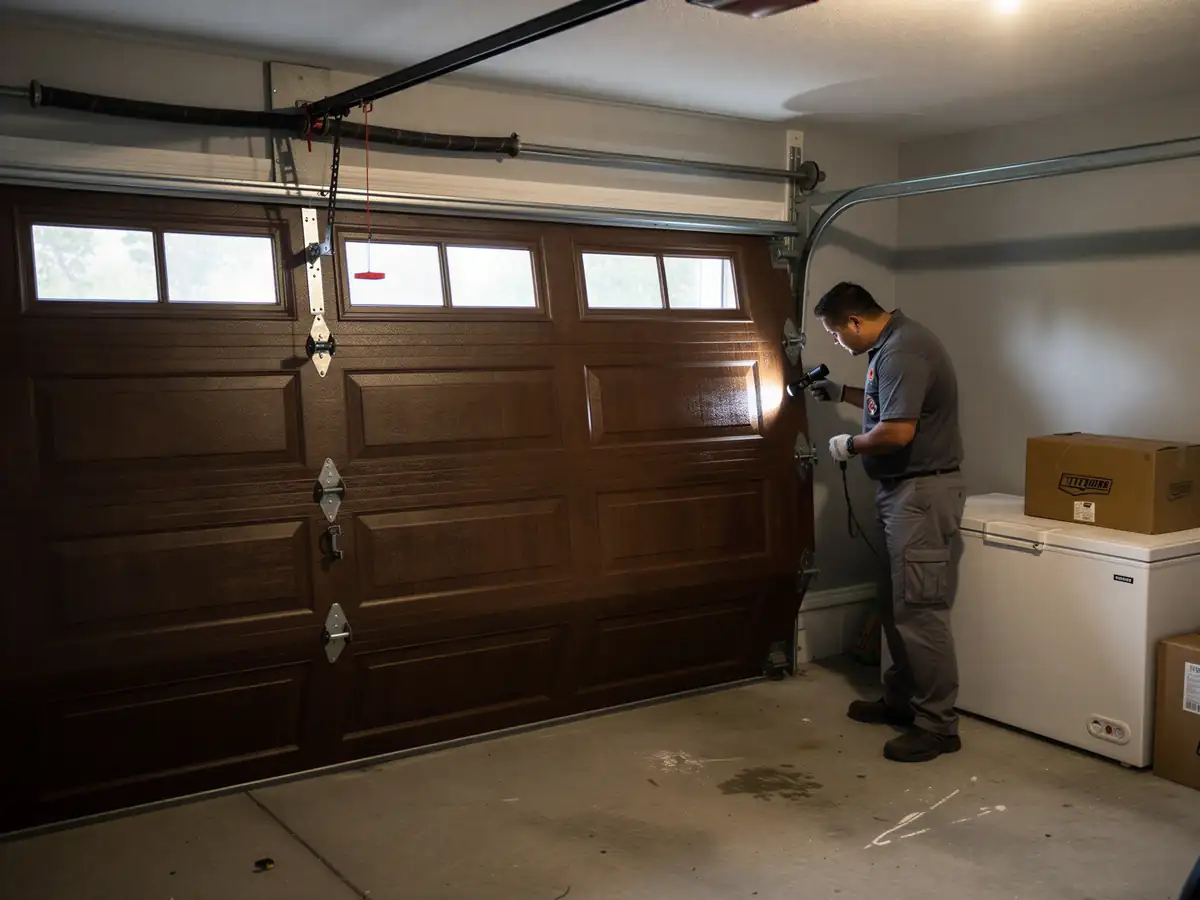
We can't tell you over the phone whether a noisy door in cold weather is a spring about to go or something smaller, like a roller that's stiffened up. It takes a look at the door moving through a full cycle to know which one you've got, and guessing wrong means either an unnecessary spring swap or a return trip when the real spring finally breaks.
If you're heading into winter with a door built sometime in that 1969-2006 window and you haven't had the springs looked at
Cold weather is a reasonable time to get ahead of it rather than find out the hard way on a January morning.