The Problem
Most of the garage doors we're called out to repair in Concord went up between 1969 and 2006
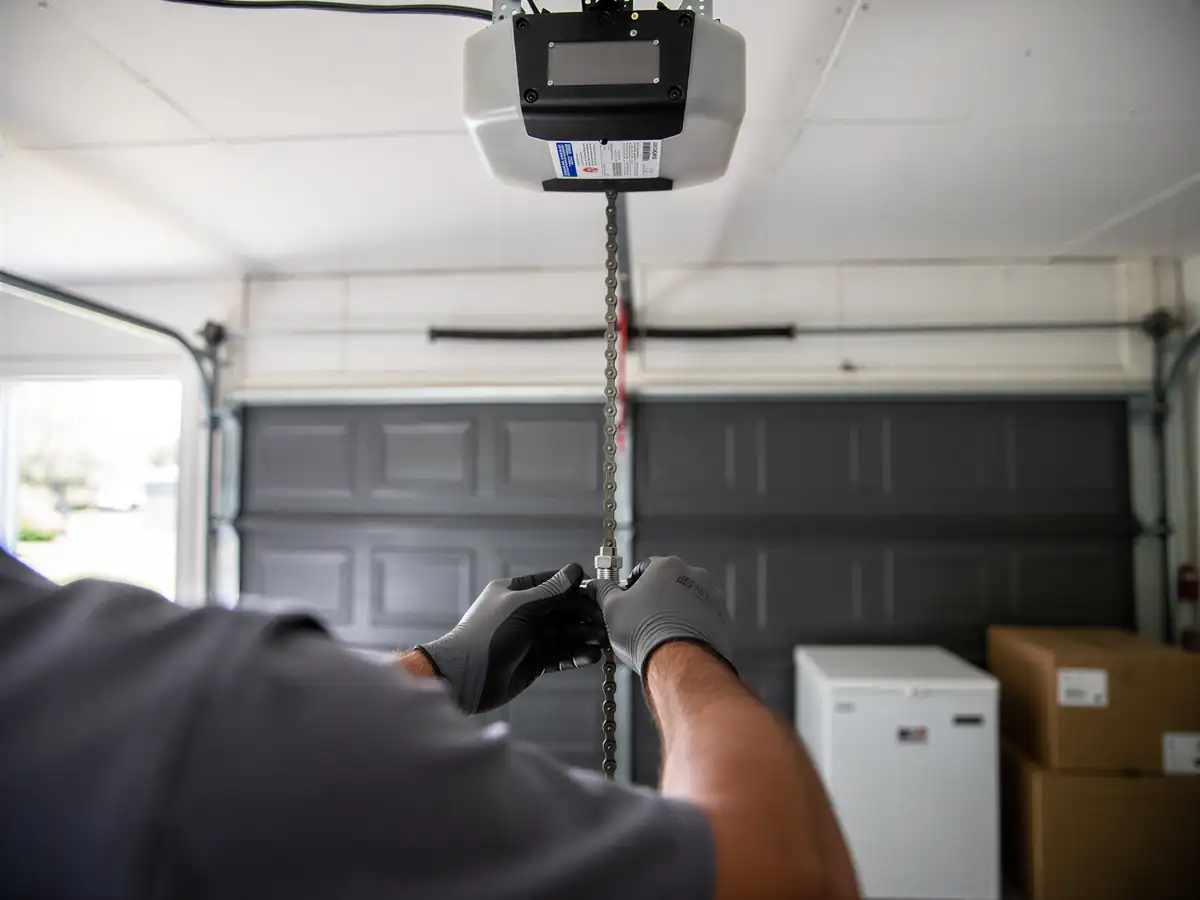
With the median build year sitting around 1987. That's not ancient, but it's old enough that a lot of doors are hitting the end of their realistic service life at the same time, across the same stretch of the service area. A door installed in 1987 is pushing 38 years. The torsion spring on it has likely been changed once, maybe twice, if anyone's kept up with it. The opener is probably the second one. The track is original, and if it was never upgraded to double-track rollers, it's noisier and looser than it should be.
- 38 years
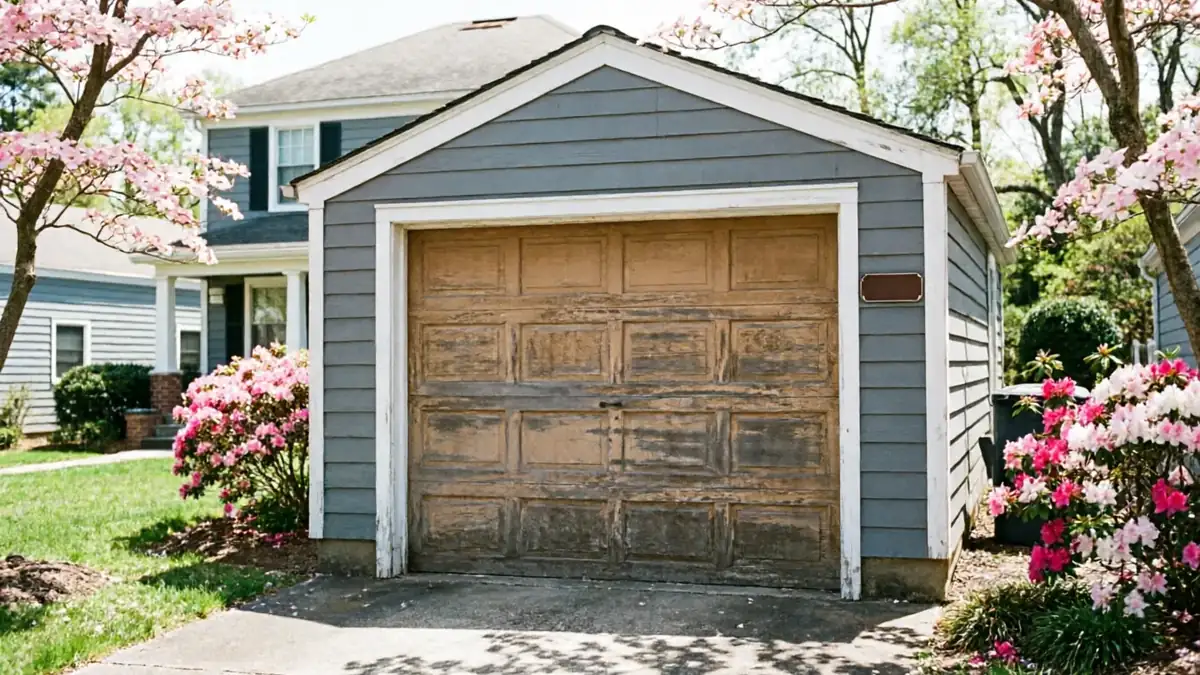
The tricky part is that a door this age can look fine from the driveway and still be a bad bet to keep repairing
Panels fade and chalk from the sun without warping, so the door looks structurally sound while the hardware underneath has quietly worn past the point where parts are worth replacing one at a time. We see this constantly on the 1980s-90s stock that makes up a large share of the service area's housing: a door that's had three small repairs in five years, each one cheaper than the last one, heading toward a fourth that costs more than a new door would.
When to Get Help
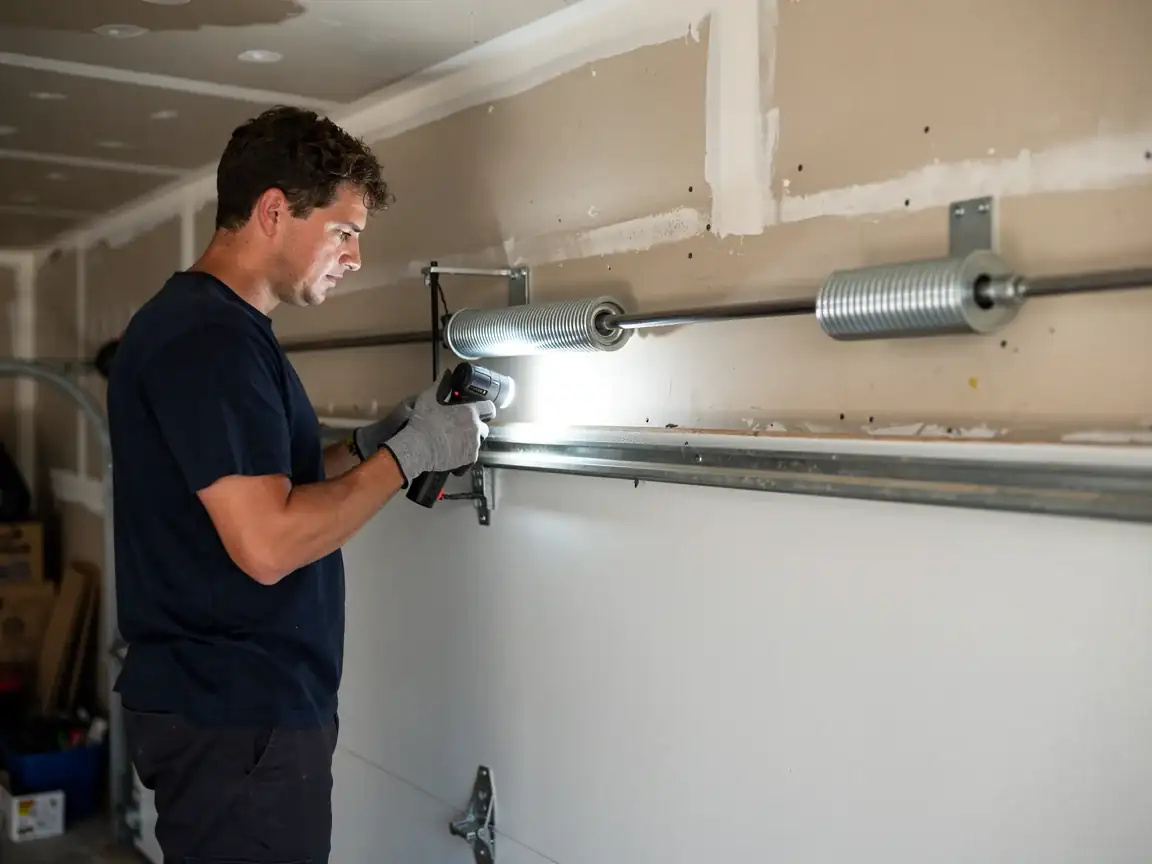
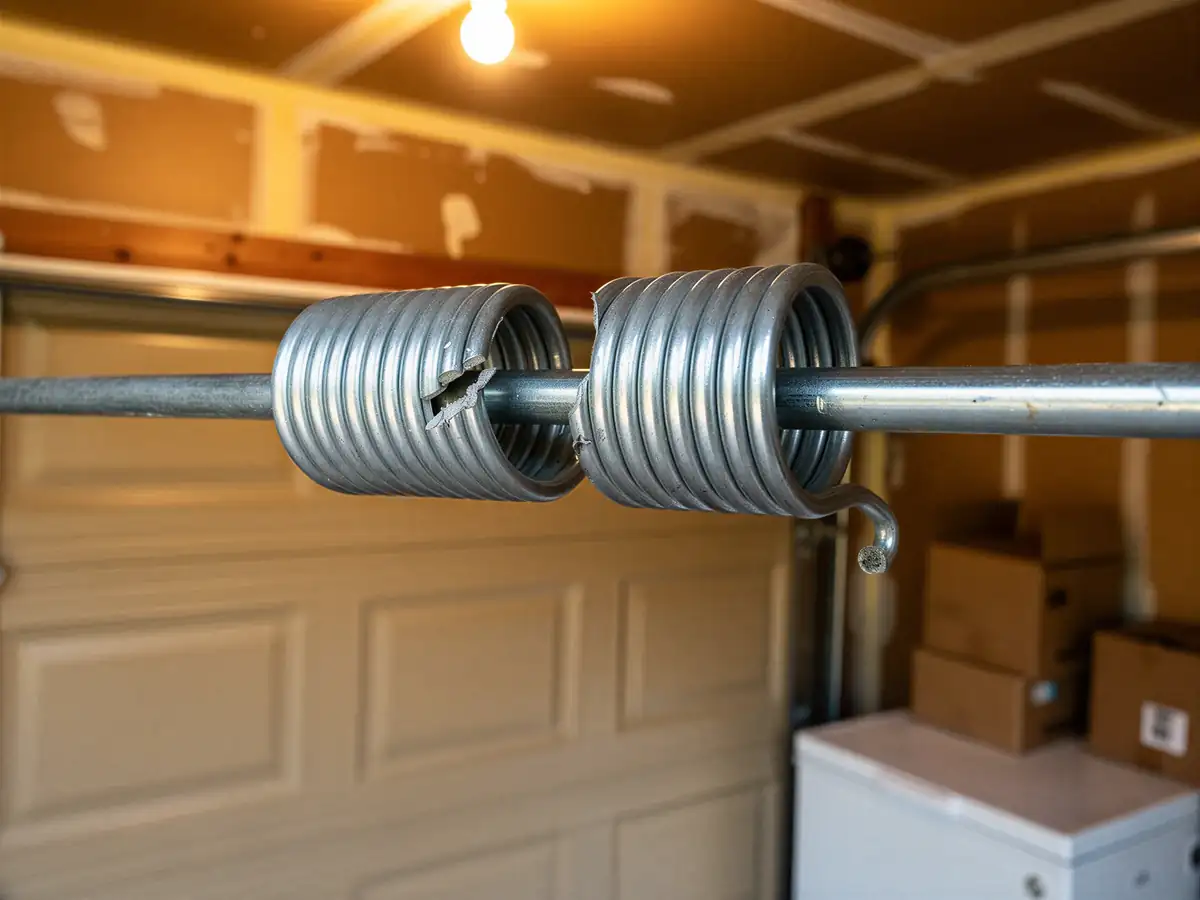
Call before the door fails completely, not after. A torsion spring that's visibly stretched or has a gap in one coil is close to snapping, and when it goes, it can take a cable or a section of track with it. That turns a $200 spring job into a $600 repair. If your door is from the 1980s or 90s stock common across this area, and you're hearing a grinding or popping sound on the way up, that's usually the spring, not the opener, and it's worth a look before it's an emergency.
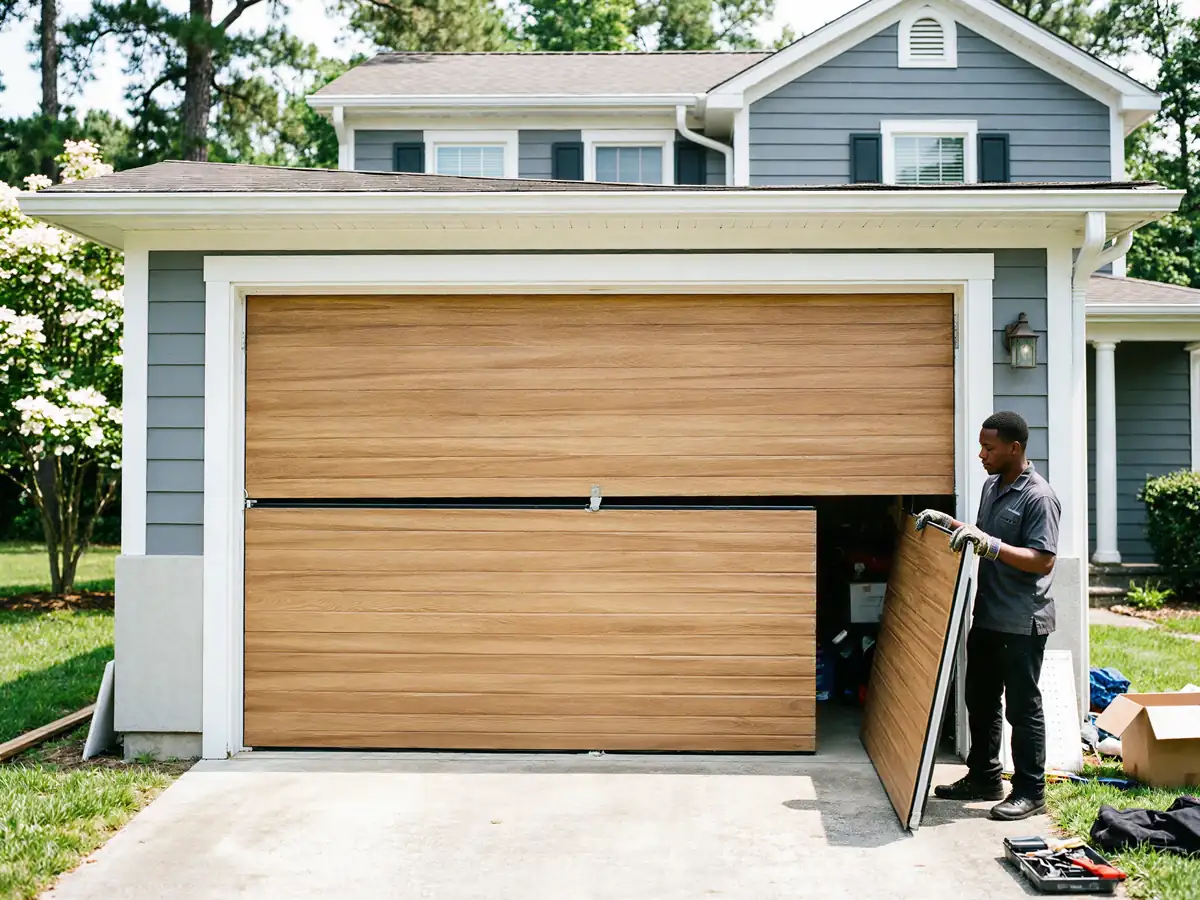
Worth fixing: a single bent panel on an otherwise solid door, worn rollers, a spring replacement on hardware that's less than 20 years old, a sensor or opener board issue on a door that still tracks straight.
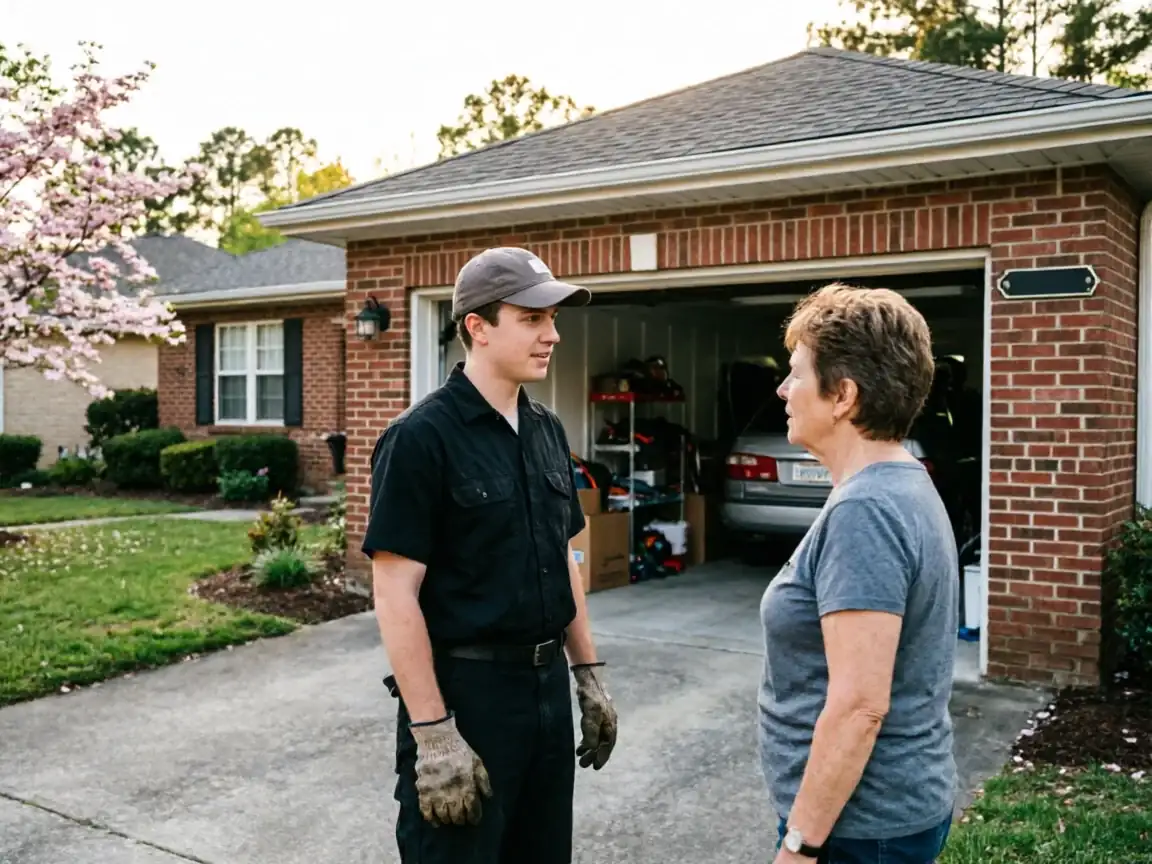
Not worth fixing: a door from the 1970s or early 80s with a bowed track, more than one cracked panel, and an opener that's already been replaced once. At that point you're paying repair-labor rates to keep a door running that's already given you its full life. We'll tell you straight when we think that's where you are - we don't run up a repair bill on a door we'd replace ourselves.
How Local Conditions Play In
Concord sits in a cold-moderate climate band, which doesn't mean brutal winters, but it does mean enough freeze-thaw swing each year to matter for a door that's 30-plus years old. Steel panels contract in cold snaps and expand back in the afternoon sun, and that cycle works on old weld points and seam seals until they crack. On an uninsulated door from the 1980s or 90s, that shows up as a draft along the bottom seal or condensation beading on the inside of the panel on cold mornings - moisture that didn't used to collect there when the seals were new.
This matters more on original hardware than on anything installed in the last decade, because older torsion springs weren't always rated with the same cold-weather cycling in mind as current ones. A spring that's lived through 35-plus winters of that contraction and expansion is closer to fatigue failure than its age in years alone would suggest. If your door is from that original 1969-2006 wave and you haven't had the spring looked at, the climate here is part of why we'd suggest doing it before it breaks on its own schedule, which is never a convenient one.
What Changes With the Season
Winter is when old hardware tells on itself
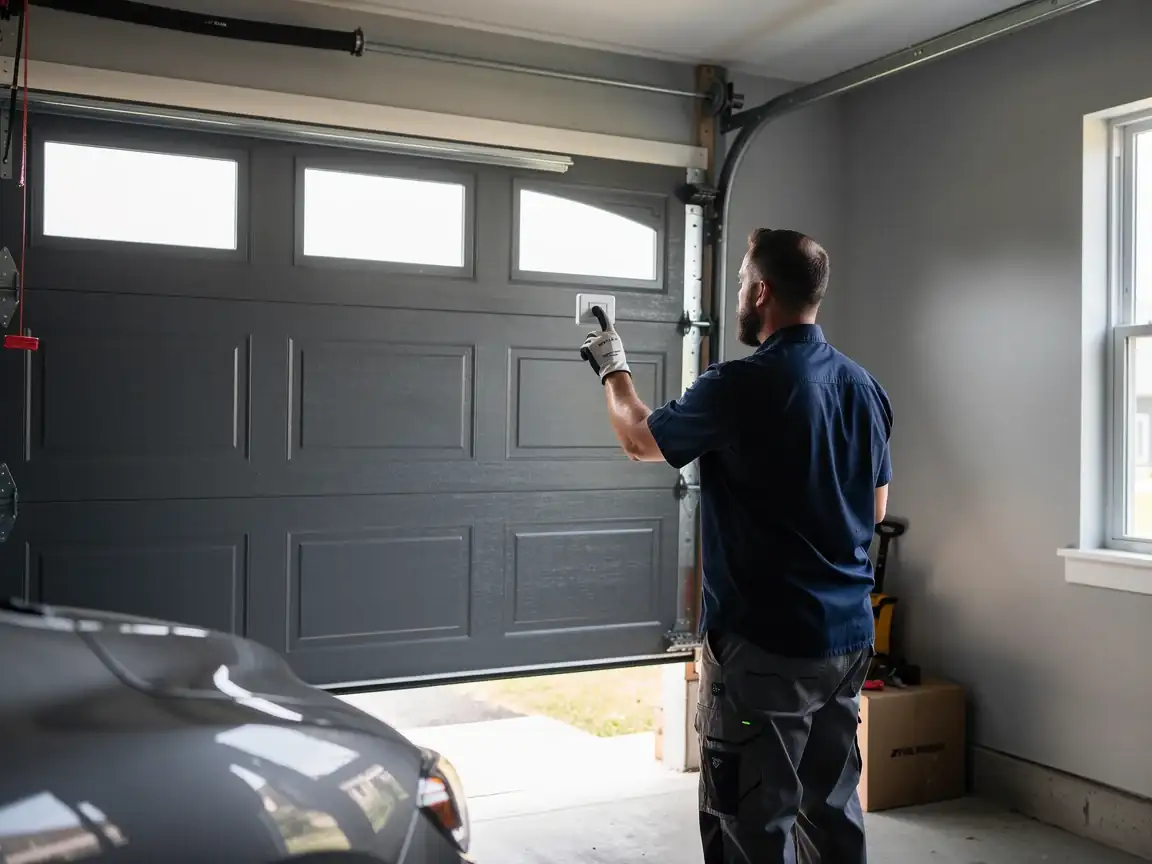
Cold tightens the lift cables and stiffens the grease in bearings, so an opener that's been struggling quietly all year finally stalls or reverses on a January morning. If your door is already borderline - from that 1980s-90s stock that dominates this area - this is the season those small problems turn into no-shows: the door that won't open before work.
Summer heat works the opposite direction
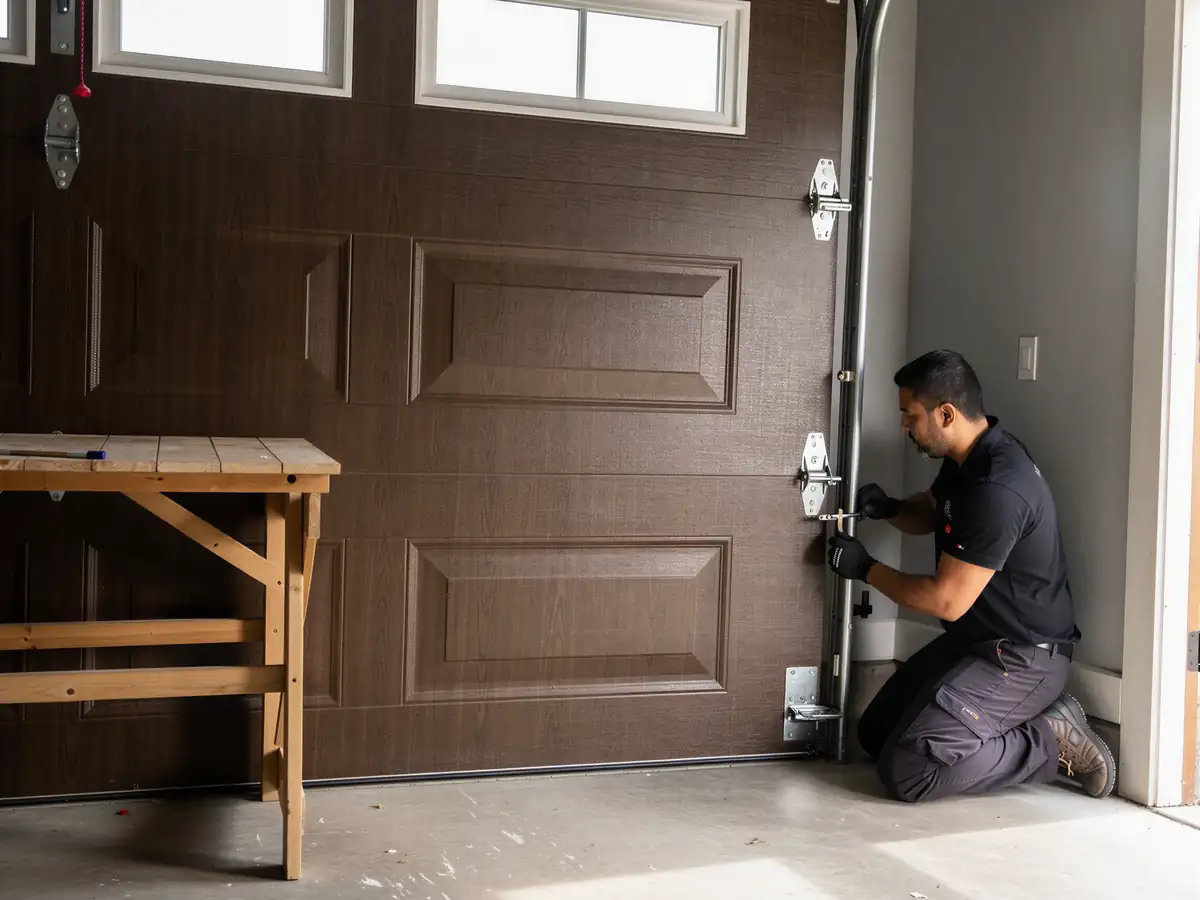
Panels expand, and a door that's slightly out of square from age will bind in the track on the hottest afternoons even though it ran fine in cooler weather. That's usually a sign the track alignment or rollers are worn, not that the door itself is failing, but it's worth checking before it gets worse.
Either way, the honest advice doesn't change
A door from the original 1969-2006 construction wave that's had one or two prior repairs is still a reasonable repair candidate. One that's had three or more, or that's already losing panels or cracking at the seams, is better replaced than chased through another season. We'll look at the actual door, not just its age, before we tell you which one you've got.