What That Grinding or Popping Sound in Your Garage Door Really Means
Concord homes built between 1969 and 2006 make specific garage door noises as original parts age. Here's what grinding, popping, and rattling actually mean.
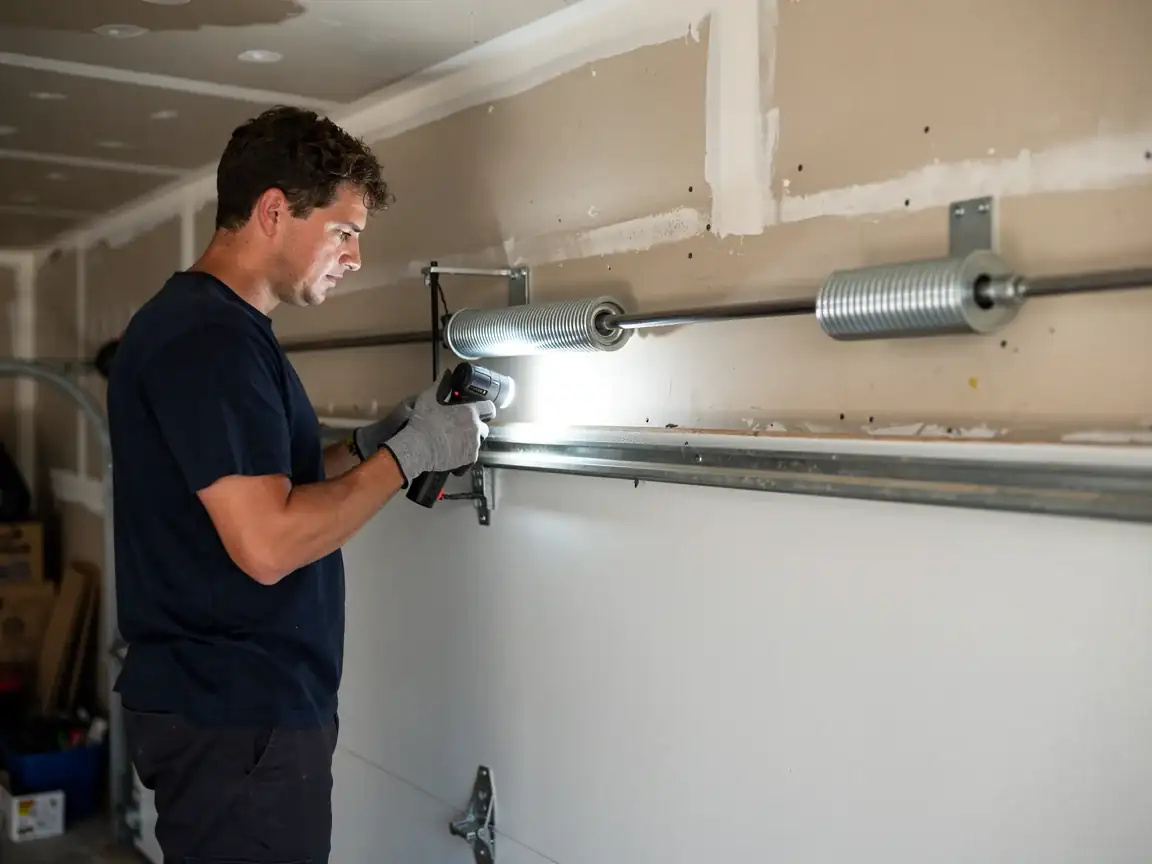
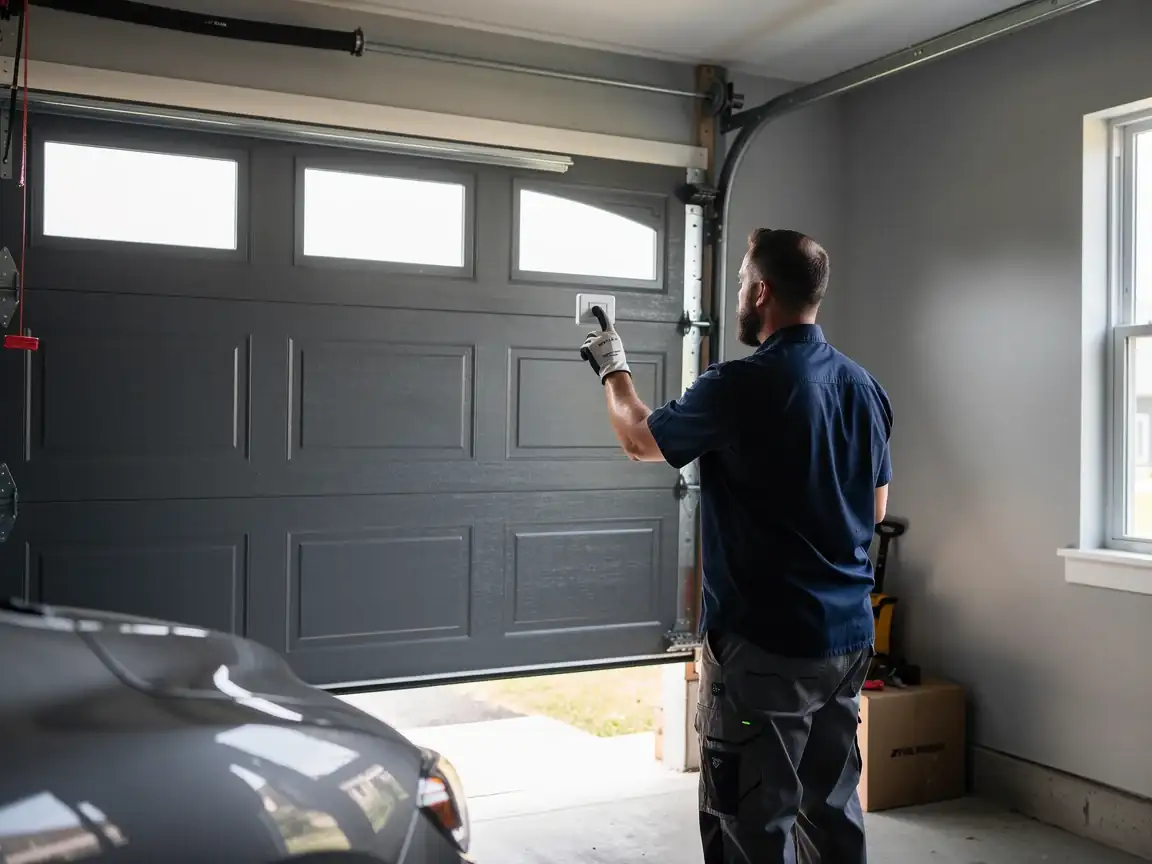
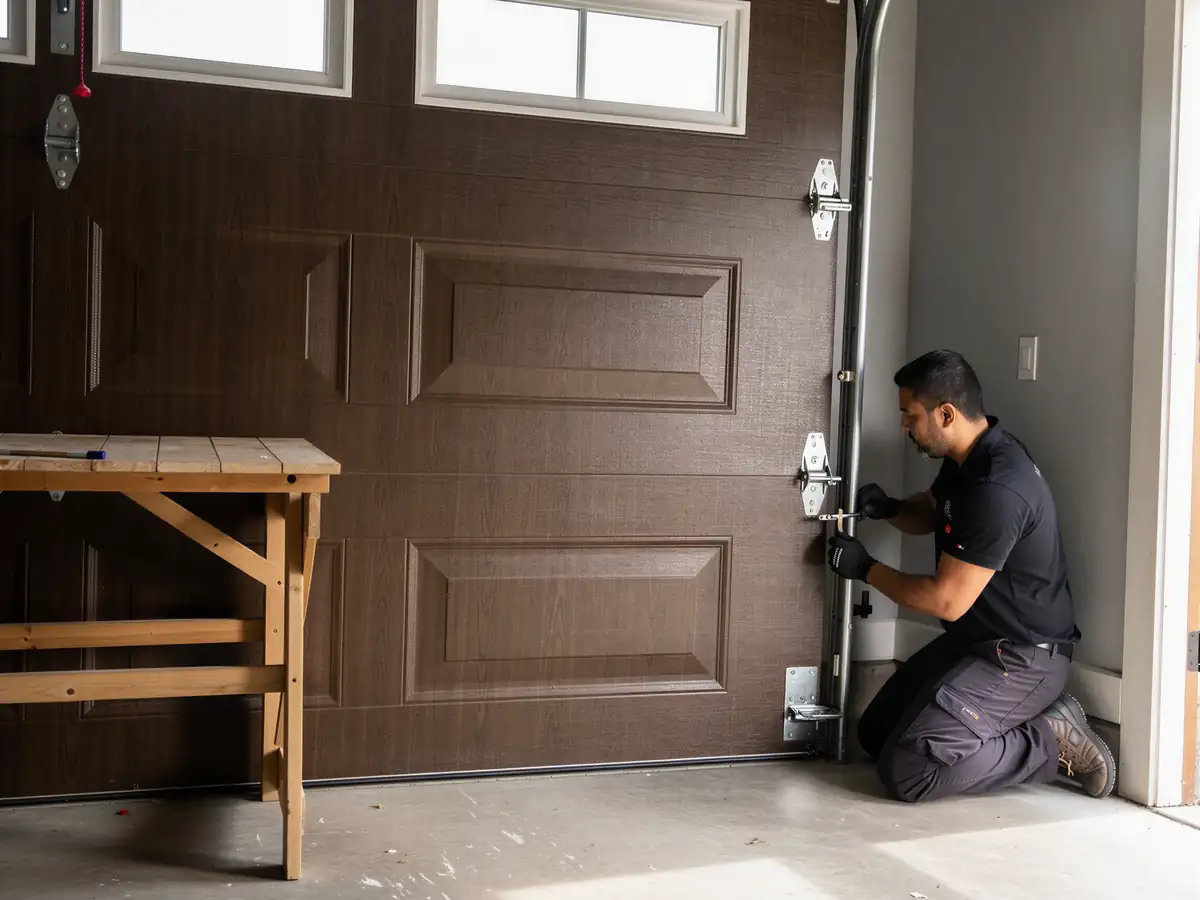
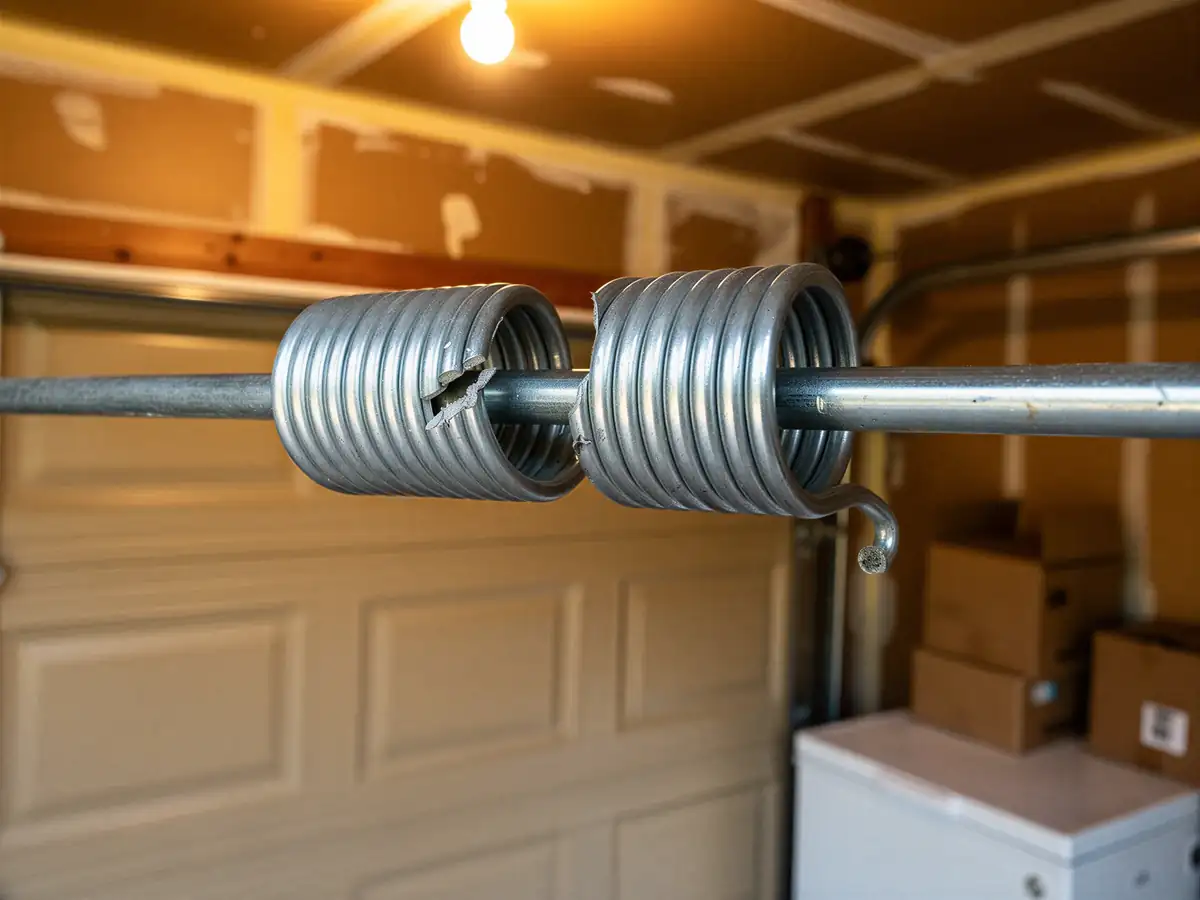
Most garage doors around Concord sit on hardware installed when the house was built, and across this market that means anywhere from 1969 to 2006, with the typical home dating to 1987. A door from that era usually has a single torsion spring rated for a certain number of cycles, steel rollers running in a track that was never resurfaced, and an opener motor that's been quietly aging in a space that swings from near-freezing mornings to humid summer afternoons. That pattern repeats across the area's 16 named neighborhoods, since most of the housing went up in that same 1980s-to-90s window. With median household income across the Concord market sitting at $79,765, most owners here can afford a proper repair rather than a patch job, which is why it's worth knowing what the sound actually means before you call. A grinding sound usually points to a roller worn flat on one side. A sharp bang is almost always a spring letting go. A rhythmic thump that matches the door's travel is often a bent track section or a hinge that's lost its pin tension. We can't tell you which one without hearing it, but a door built in the 1980s or 90s on original hardware is due for one of these.
When to Get Help
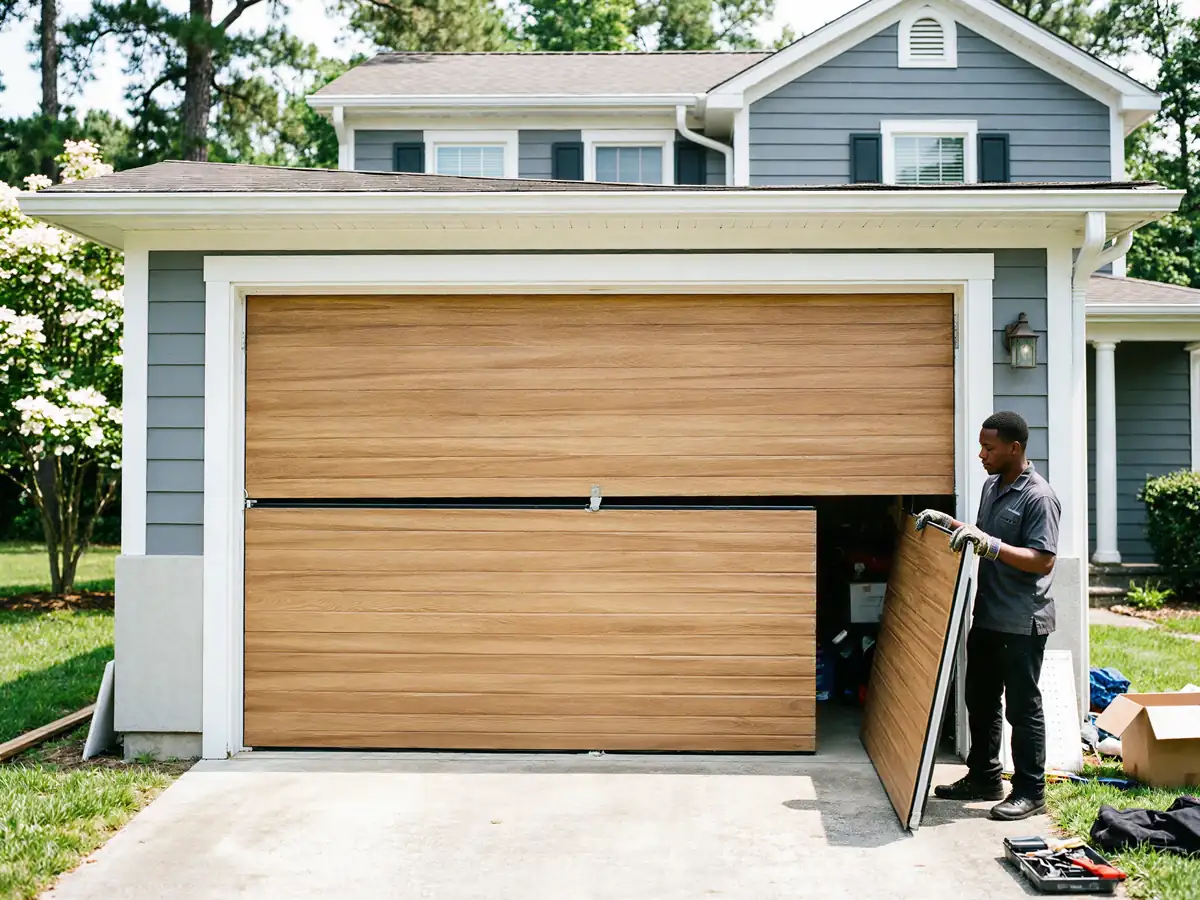
Call before the door comes off the track, not after. A spring that snaps while the door is down usually just leaves you stuck - annoying, but safe. A spring that goes while the door is up, or a cable that frays and lets one side drop, can bring a heavy door down unevenly, and that's where people get hurt or the door gets bent beyond repair. If you hear grinding that gets louder over a few days, or the door starts opening crooked, that's the window to call, not the week after it stops working altogether. One limitation worth saying plainly: if the track is bent or the panels are dented from age, we're not going to tell you a spring swap will fix the whole problem. Sometimes the repair costs more than it's worth on a door from the 1970s or 80s, and replacement is the straighter answer. We'd rather tell you that up front than sell you a part that won't solve the actual noise.
How Local Conditions Play In
Concord sits in a moderate cold climate band - not the brutal freeze-thaw cycles you get further north, but enough temperature swing through the year to matter for steel hardware. Torsion springs lose a little tension as metal contracts on cold mornings, which is part of why a door can feel heavier or groan on a 35-degree start than it did in July. Humidity swings do their own damage: steel rollers and hinge pins sitting in a garage without much airflow pick up surface rust over years, and that rust is what turns a quiet roller into a squealing one. None of this is dramatic weather - no named storm events here - it's steady, ordinary temperature and moisture cycling that, over a door built sometime between 1969 and 2006, adds up to the noises you're hearing now.
What Changes With the Season
Through the coldest stretch of winter, expect the door to sound different in the first hour of the morning than it does by afternoon - cold steel moves slower and springs are stiffer, so a door that's otherwise fine can groan or hesitate on the first open of the day. That's normal for this climate band and not, by itself, a reason to call. What's worth watching is a noise that doesn't go away once things warm up, or one that gets worse as the season goes on. Summer humidity works the other direction: tracks and rollers that picked up moisture overnight can bind slightly until they dry out, which sounds more like a scrape than a groan. If your door has gone through a full winter-to-summer cycle and the noise hasn't changed one bit regardless of temperature, that's usually hardware wear rather than weather, and that's the kind of noise worth getting looked at.
How it works
From “it’s stuck” to “it’s fixed”
01
Tell us what’s wrong
Describe the symptom - won’t open, loud bang, opener runs but the door won’t move.
02
On-site diagnosis
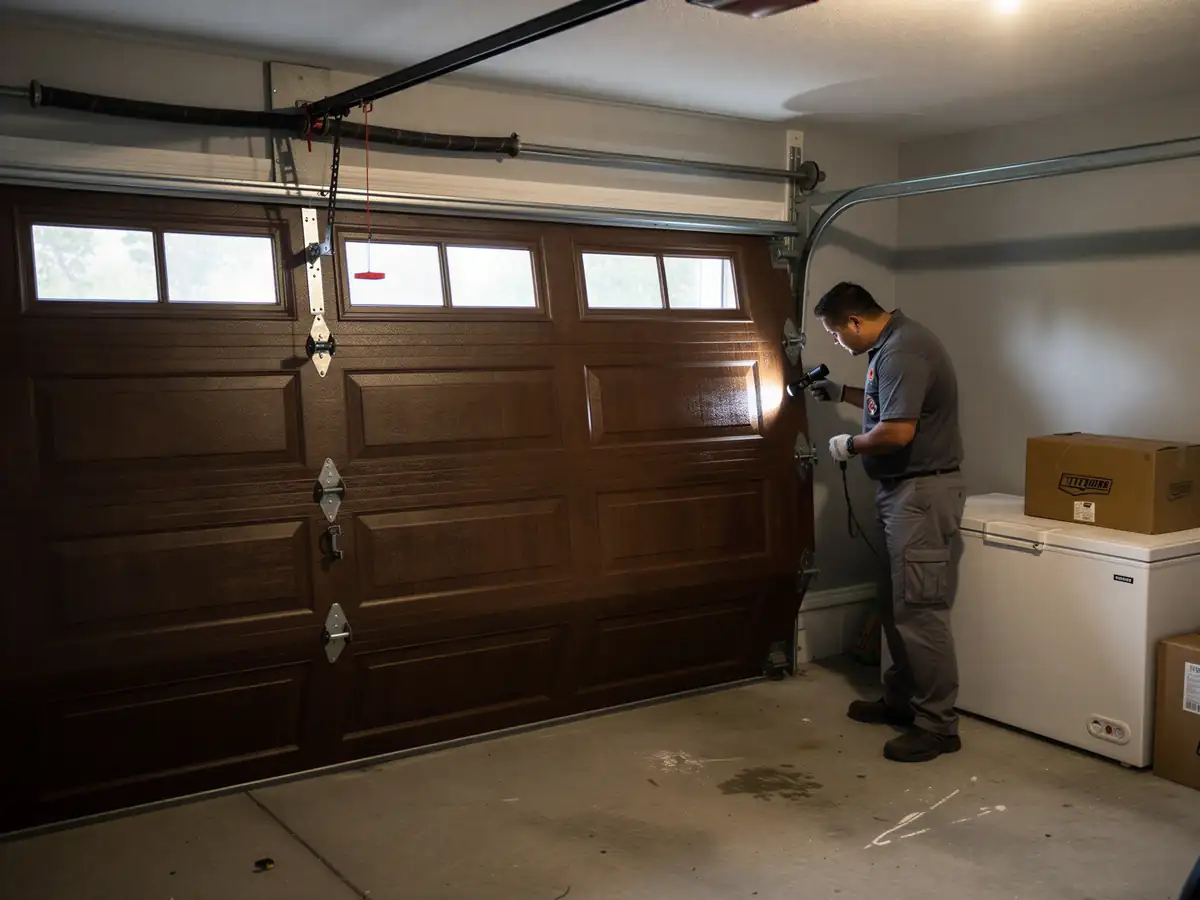
A technician tests the door under power and by hand and finds what actually failed.
03
Clear, up-front plan
You get the fix that’s needed and what drives the cost - before any work starts.
04
Repaired & tested
The repair is done, the door is set true and tested, and the work area left clean.
Not sure which repair your door needs in Concord, NC? Describe what it’s doing - every job starts with a diagnosis.
Why does my garage door groan more in the morning?
In Concord's moderate cold climate, steel torsion springs tighten up overnight and take a few degrees of warmth to loosen back up, so the first open of a cold morning is often the stiffest and loudest of the day. That's expected for this climate band. If the groan carries into the afternoon once things warm up, that's a different problem and worth a call.
My house was built in the 1990s - is the door's age the problem?
Most houses around Concord date to somewhere between 1969 and 2006, with 1987 as the typical build year, so a lot of doors are running original torsion springs and rollers from that stretch. A spring rated for a set number of cycles doesn't care how well it was installed - it wears out on schedule, and a 1990s door is well within range for that.
Is a loud bang always a broken spring?
Not always, but it's the most common cause. A torsion spring under tension lets go suddenly and loudly, usually when the door is at rest. If the bang happened while the door was moving and one side dropped lower than the other, that's more likely a cable, and that's not a wait-and-see situation.
Do you cover areas outside Concord itself?
Yes - this service area reaches out to places like Harrisburg and Kannapolis about 6 miles out, and further towns like Mount Pleasant, Davidson, and Locust in the 12-to-14-mile range. The housing stock and climate conditions are similar enough across that range that the same noise patterns apply.
Ready to get your garage door sorted?
Tell us what it’s doing and where you are in Concord - we’ll take it from there.