Doing It Yourself
A new opener kit from a home store comes with decent instructions
And if you're comfortable on a ladder with a drill and a multimeter, the mechanical part isn't the hard part. The hard part is matching the unit to what's already on the door. Most of the houses in the Concord area went up between 1969 and 2006, with the typical build year landing around 1987, so a lot of garage doors are still running openers from that same era, on rail lengths and mounting brackets that don't always match what ships in a current box. You'll also be wiring into whatever circuit the builder ran, which on a house from the 80s or 90s isn't always a dedicated line.
We'll say the honest thing
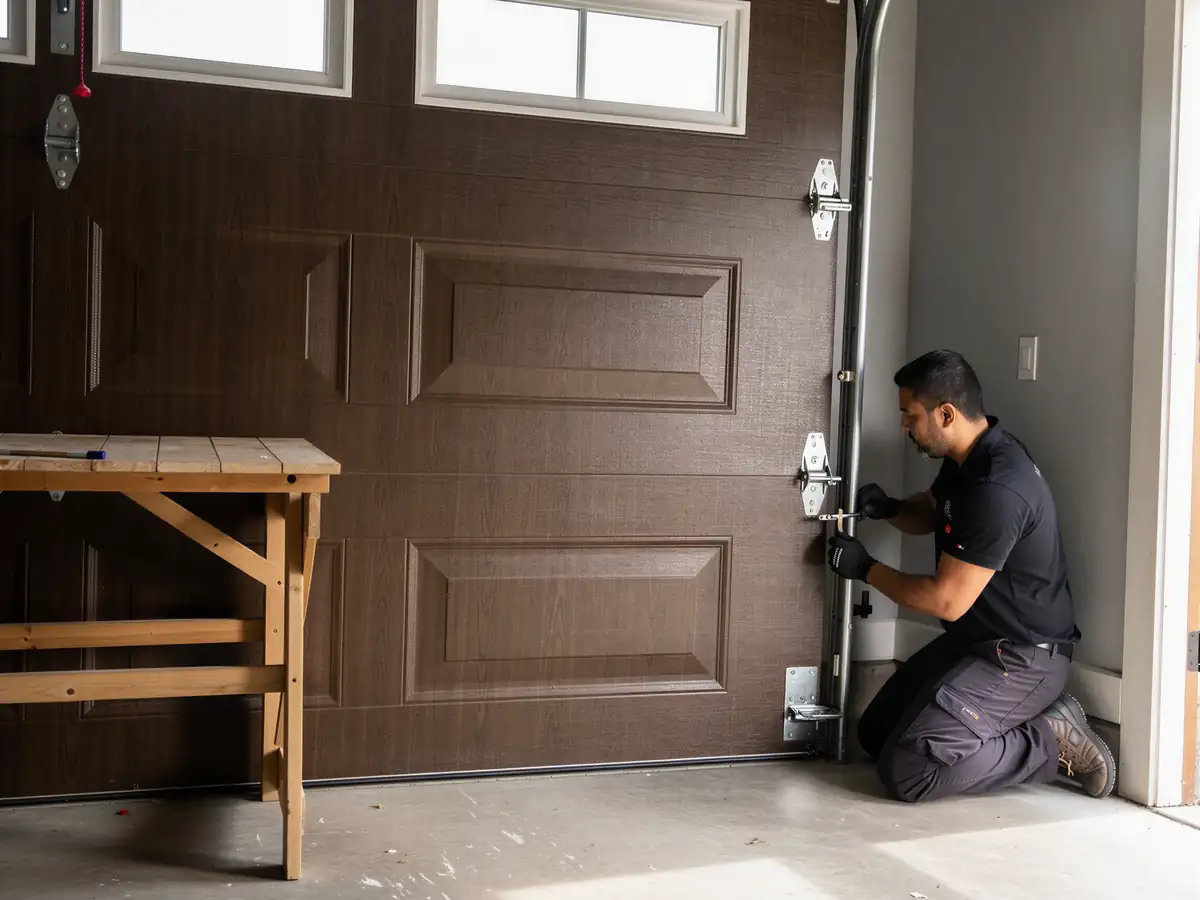
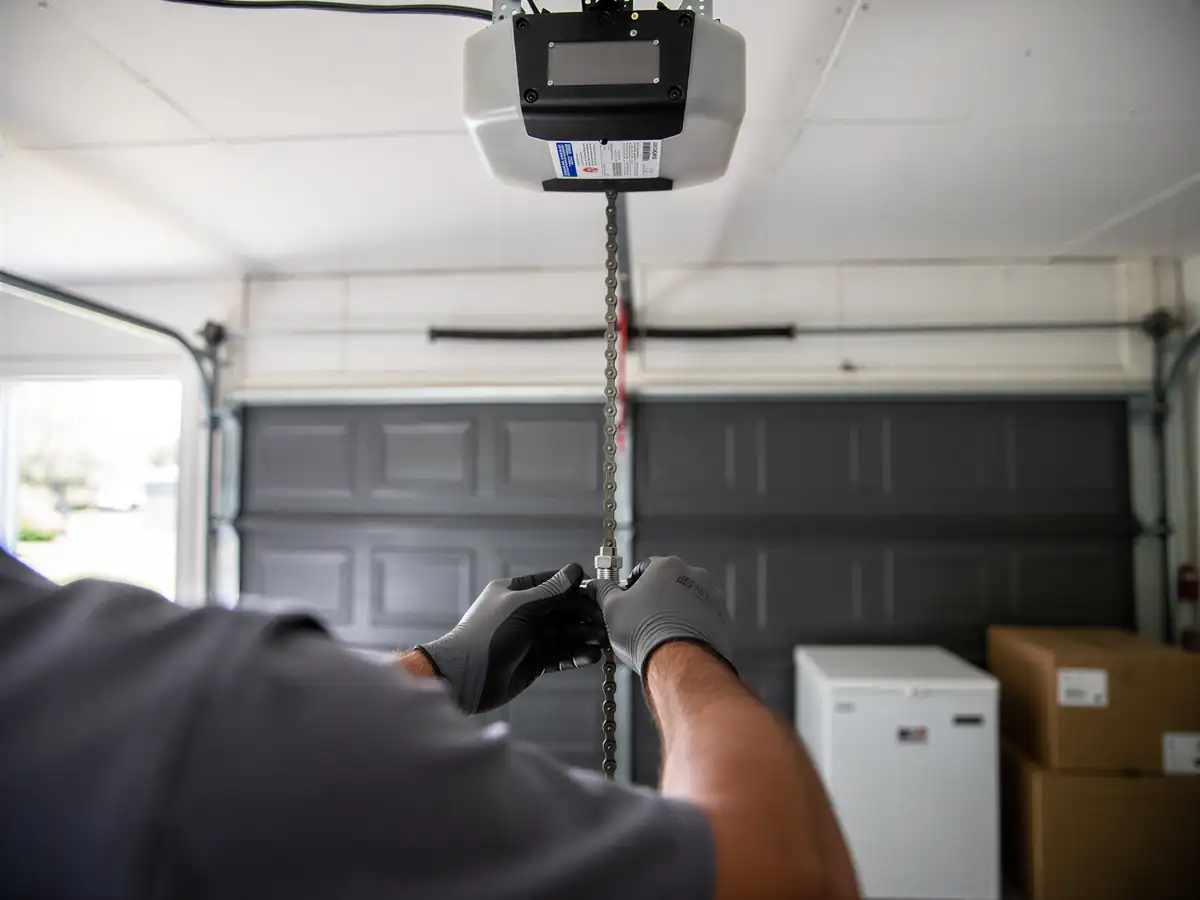
If your door is a standard single or double on a steel track in good shape, a capable homeowner can get an opener installed and the safety sensors aligned in an afternoon. Where people get stuck is travel limit calibration and force settings on the auto-reverse, which matter because an opener that doesn't reverse on contact is a liability, not a convenience. If you're not sure your sensors are reading right, that's not a job to guess on.
How It Shows Up
The opener runs but the door doesn't move, or it moves a few inches and stops. The remote works from the driveway but not from the street. The light blinks a set number of times and nothing else happens. These are the calls we get, and on houses from the service area's typical 1980s and 90s construction, they usually trace back to an opener that's simply reached the end of its working life at the same time the house did its own round of aging - weatherstripping gone, track slightly out of plumb, extra load on a motor that was never oversized to begin with.
Sometimes it shows up as a grinding or clicking from the motor head before it gives out completely, which is the gear set telling you it's done. Other times it's quieter: the opener just stops responding to the wall button but the remote still works, which usually points to a dead button or a wiring fault rather than the opener itself. Either way, a chain-drive unit that's been running daily since the house was built has earned its retirement, and replacing it is usually the right call rather than chasing parts for a motor that's out of production.
Where This Job Goes Sideways
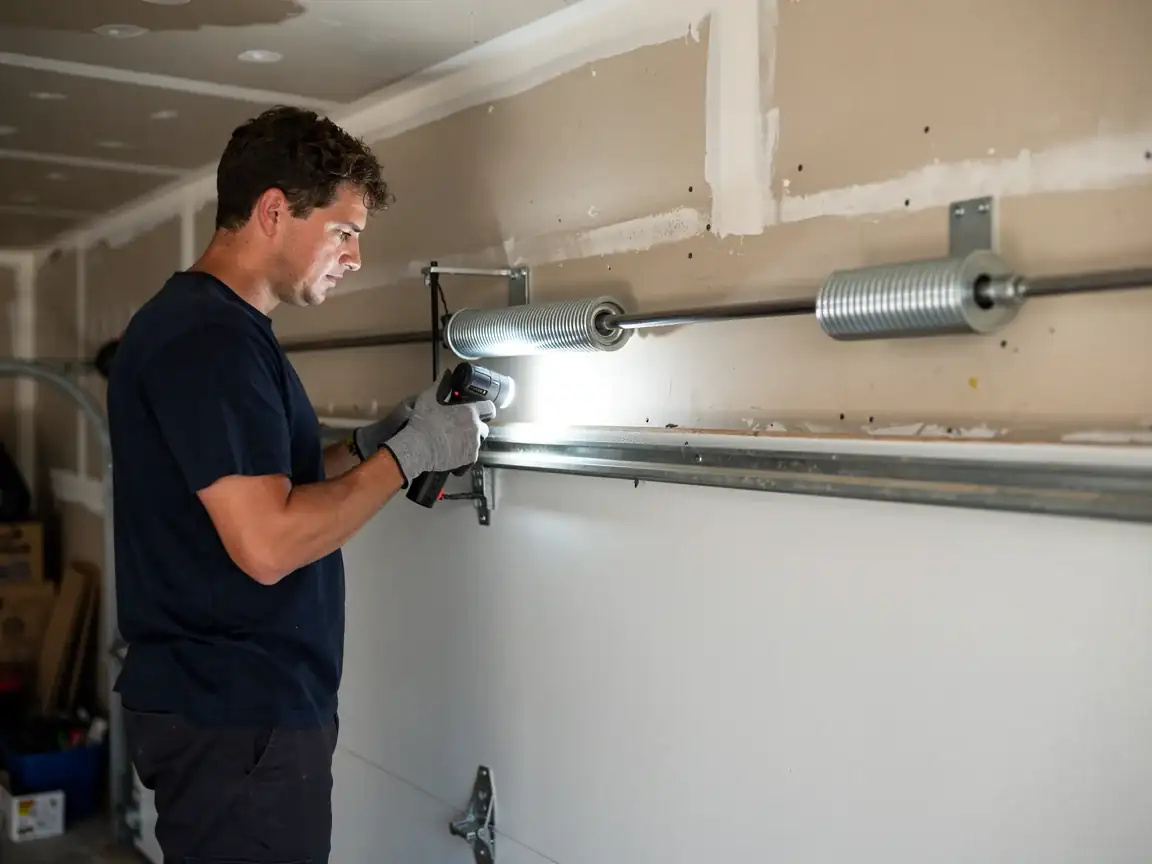
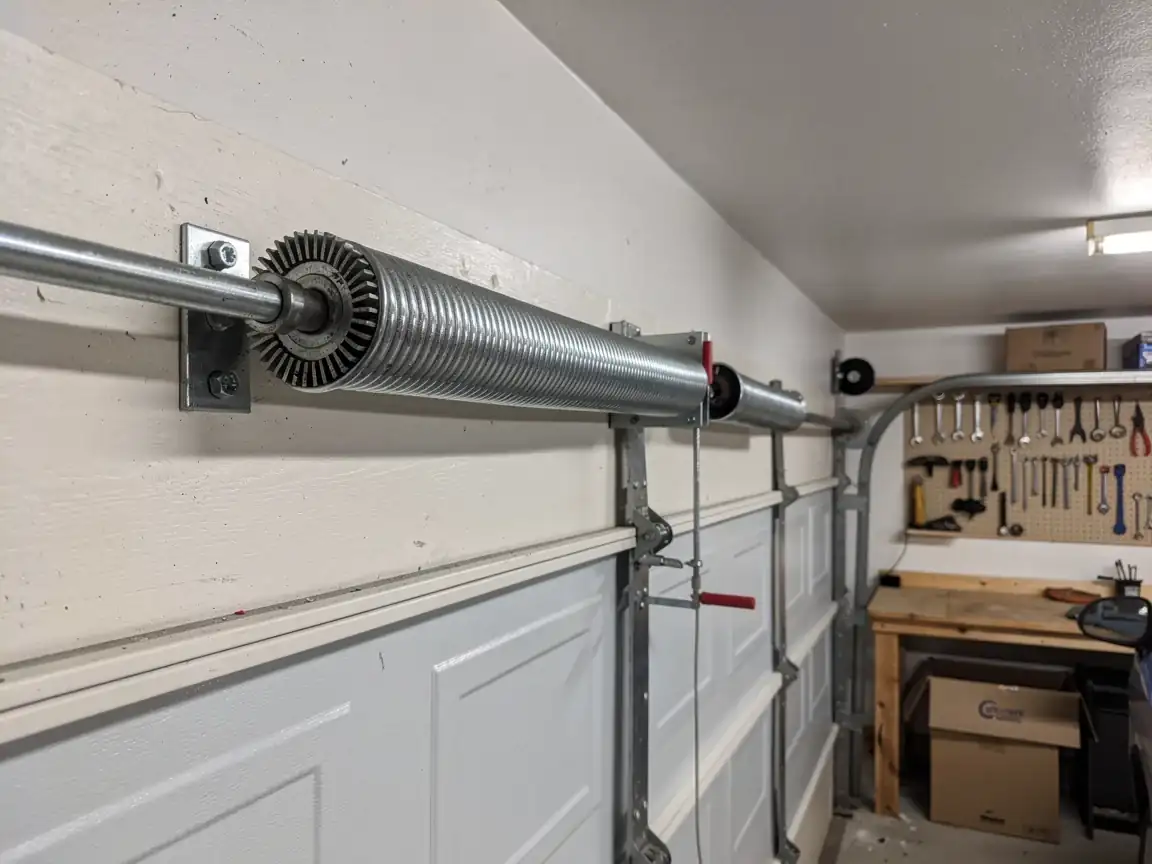
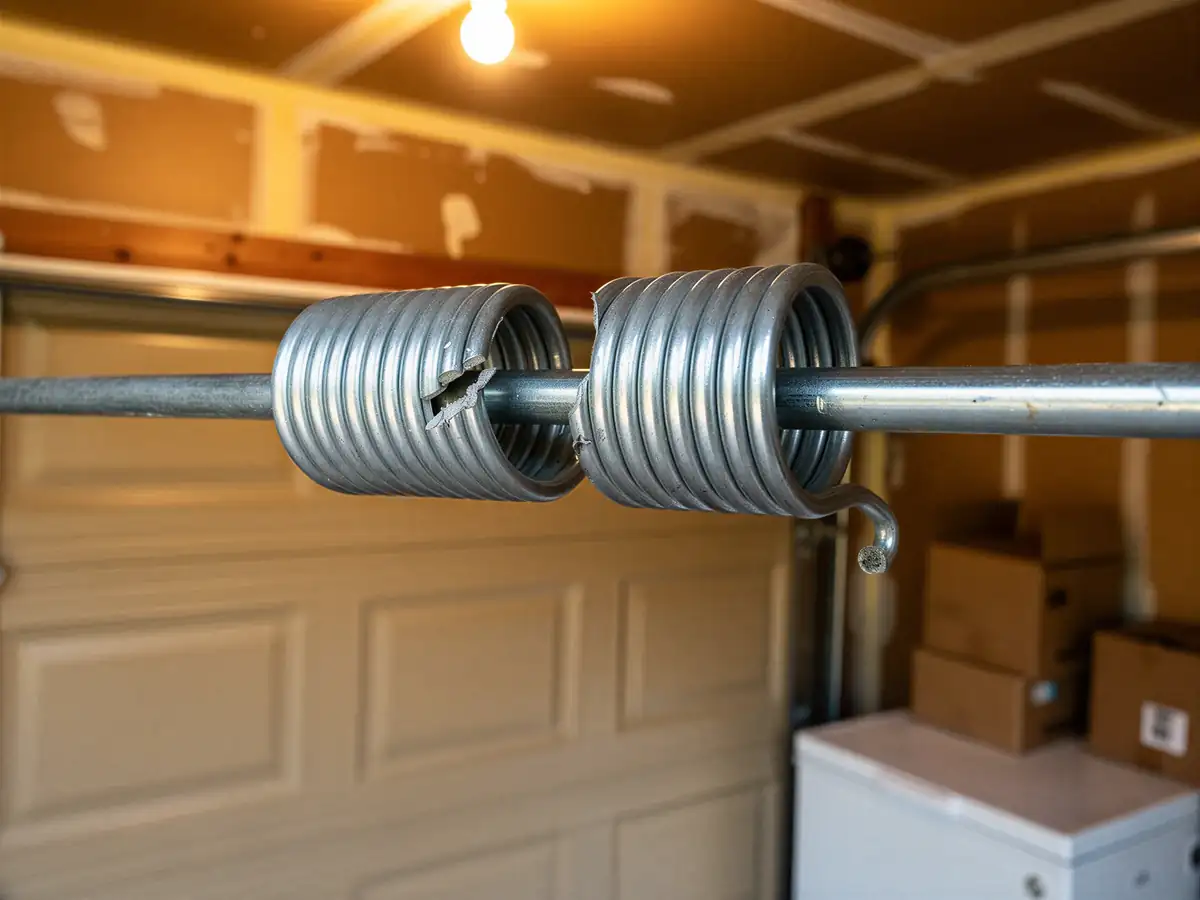
The most common mistake isn't the install, it's the match. A 1/2 horsepower unit on a heavier insulated double door struggles and burns out early. A belt-drive opener bolted to a bent or twisted rail from the original build transmits every bit of that misalignment into noise and wear. We also see openers installed without checking the torsion spring setup first - if the spring is weak, the opener does the work the spring should be doing, and that shortens its life fast regardless of brand.
Wiring is the other spot. Older houses weren't always built with a dedicated outlet near the opener mounting point, and running an extension cord to a garage door opener long-term is a fire risk, not a workaround. Safety sensor height and alignment get rushed too - if they're not level with each other to within a fraction of an inch, the door won't close reliably, and some owners respond by disabling the sensor rather than fixing the alignment, which we won't do. One limitation worth naming: if your door panels or track are warped, a new opener won't fix that, and we'll tell you to deal with the door first.
What Causes It Around Here
Across the 16 named neighborhoods we cover, the housing stock skews hard toward 1980s and 90s construction
Which means a lot of chain-drive openers with worn sprockets and no battery backup, installed by the original builder and never touched since. That's not a knock on the builders - it's just that a motor built to run for twenty-some years is now doing exactly that, and gears, capacitors, and drive chains don't last forever.
Concord sits in a cold-moderate climate band
So winter mornings are when a weak opener capacitor or stiff chain finally gives out; cold grease and cold metal make a marginal opener fail on the coldest day of the year, which is also the worst day for it to happen. With 41,230 owner-occupied houses in the service area, that's a lot of original builder-grade openers reaching the end of their rated life at the same time, which is part of why this is one of our steadiest calls. At a median household income of $79,765, most owners here can afford a proper opener swap rather than patching a 20-year-old unit, and that's usually the more sensible math once a motor starts slipping.
- 41,230 owner-occupied
- $79,765 median household income