Where We Stop
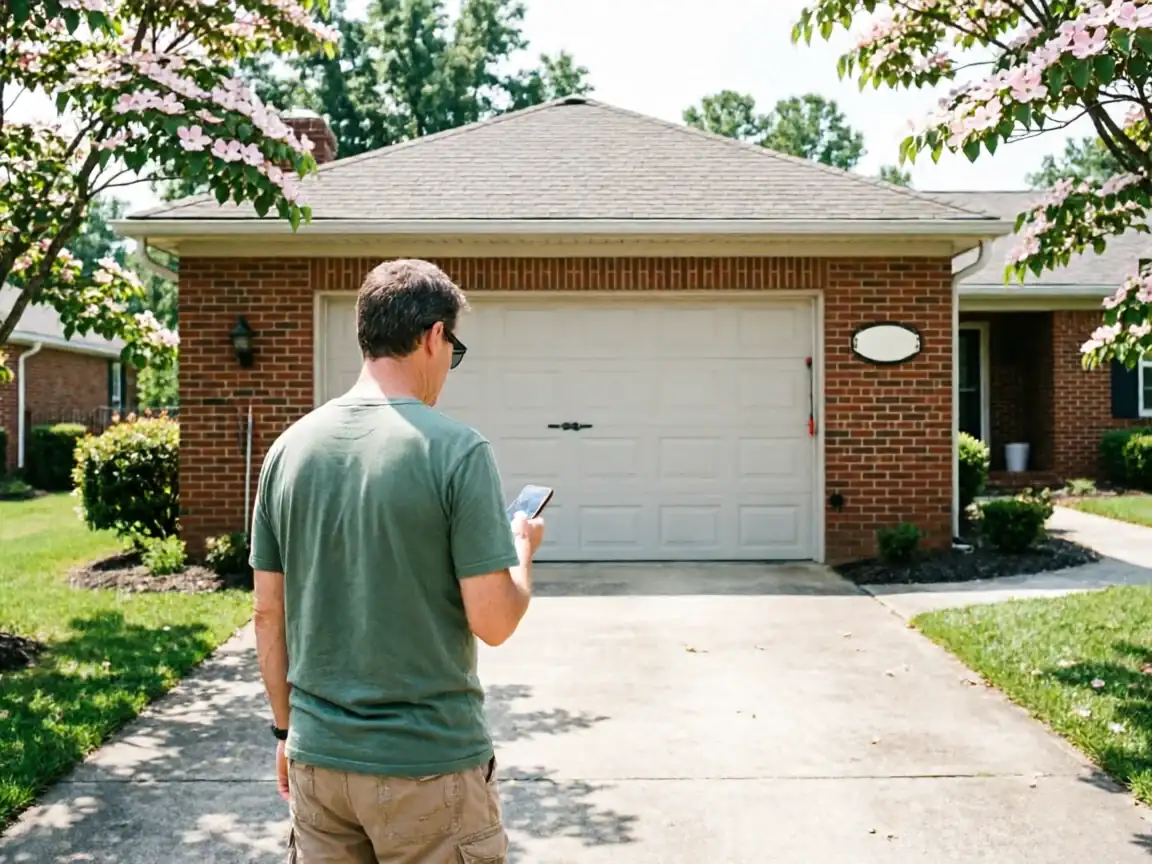
We run trucks into Locust from our base in Concord, about 14 miles up the road
Locust sits at the far edge of our coverage map alongside towns like Stanfield and Midland, and we're upfront that this is a drive, not a stop on a route we're already running. We don't have a depot or a crew stationed in Locust, and we're not going to pretend otherwise. What we do have is a truck that comes out for scheduled jobs and, when the day allows it, same-day calls. If you're comparing us to a company that's physically closer, that's a fair thing to weigh. If you're comparing us on the actual repair, that's where the rest of this page matters more than the mileage.
- 14 miles
Locust is one of about twenty communities we reach out of Concord
And each one has its own housing story. That matters more than it sounds like it should, because the age of the door in front of you tells us more about what's wrong with it than almost anything else you could describe over the phone.
When We Can Get There
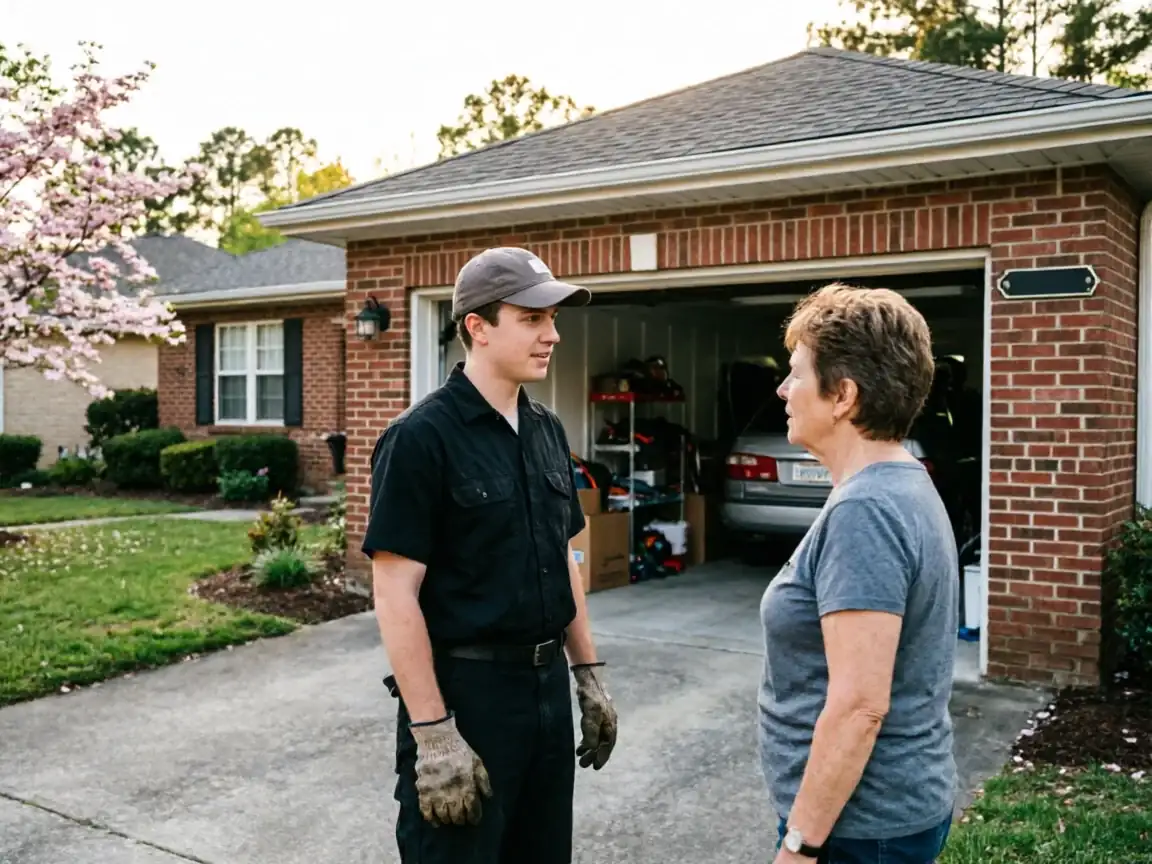
Fourteen miles isn't far, but it's enough that we schedule Locust calls rather than treat them as a drop-in. We don't advertise a guaranteed arrival window for this area, and we won't invent one here. What we can tell you is that a stuck door or a spring that's let go gets priority over a tune-up or an estimate, and we'll give you a realistic window when you call rather than a number that sounds good on a website.
If you're dealing with a door that won't open at all and your car is trapped inside, say so when you call. That changes how we route the day. A noisy opener or a panel that's started to sag can usually wait for the next available slot, and we'll tell you that too, instead of rushing a truck out for something that isn't urgent.
What That Means for Doors
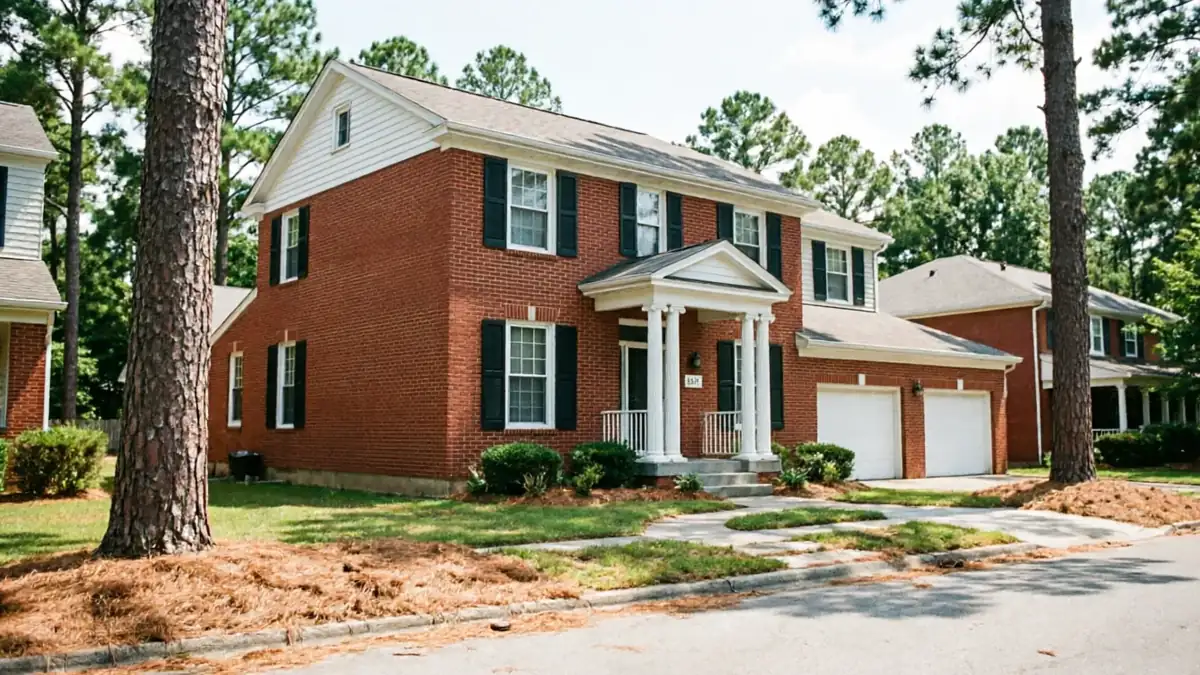
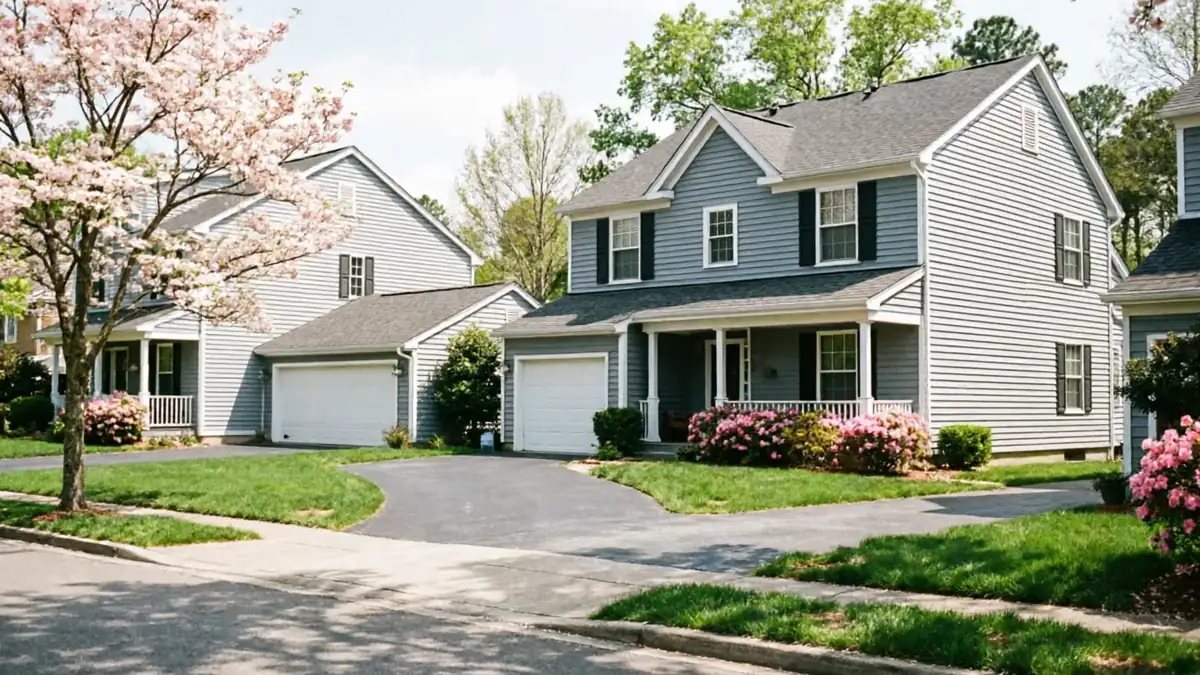
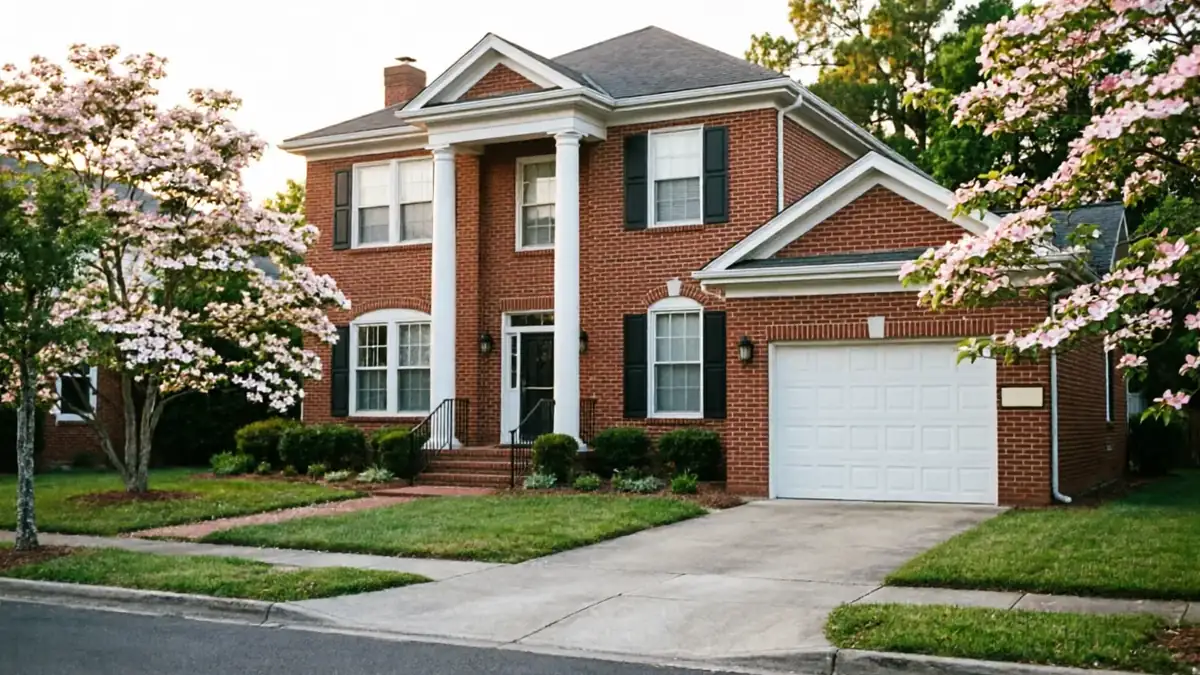
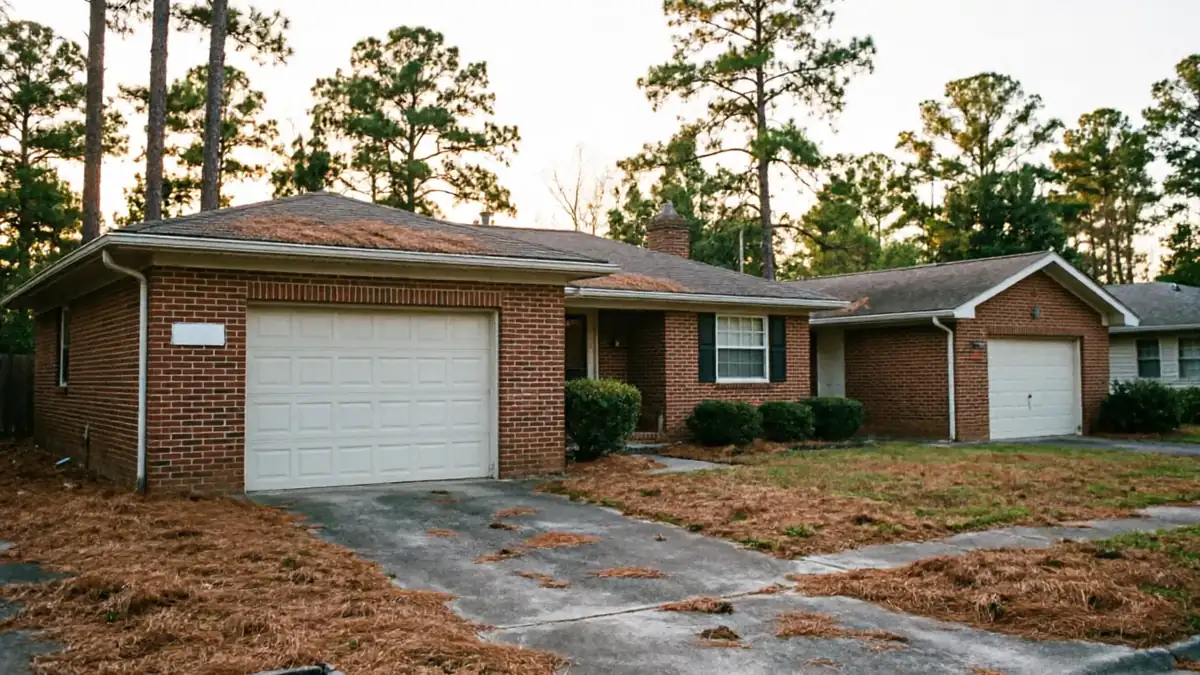
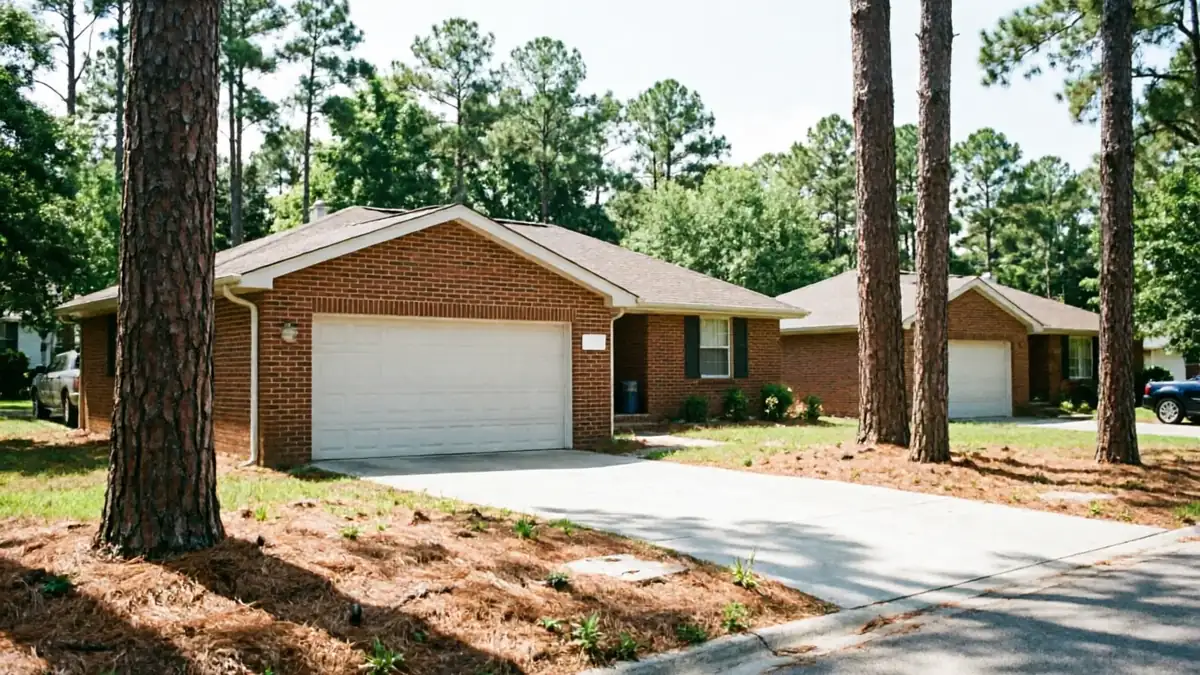
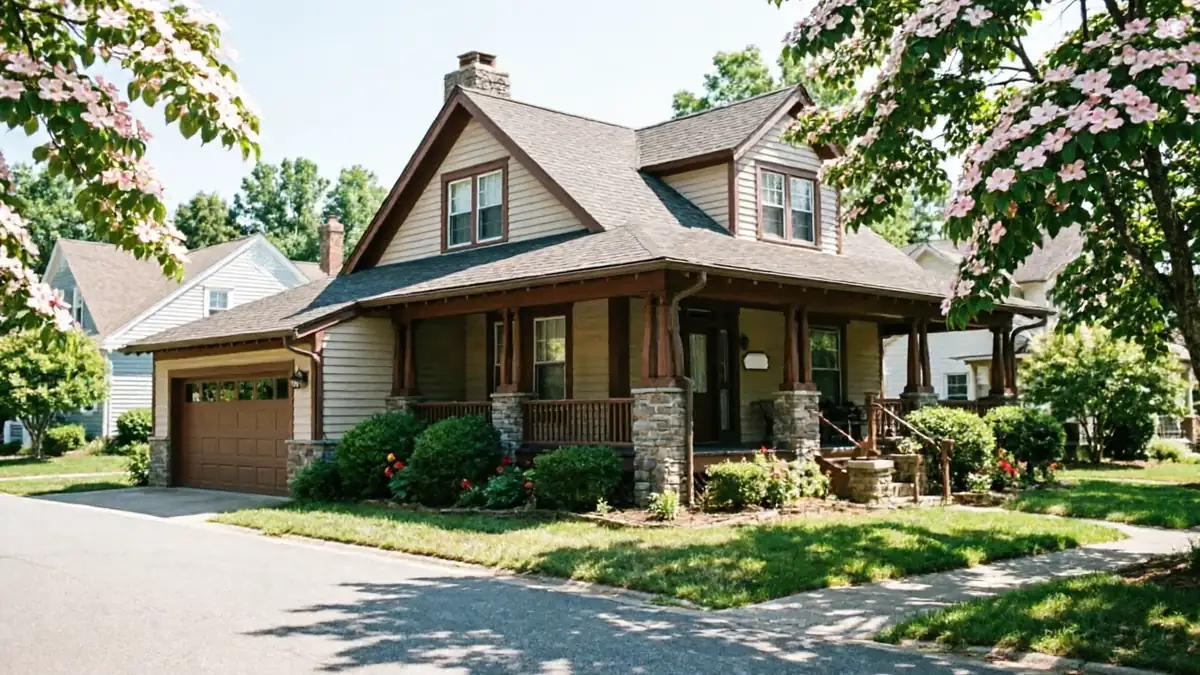
Here's the part that actually separates Locust from the rest of our coverage area: the typical house here was built around 2001, which is noticeably newer than the service area as a whole, where the median sits closer to 1987 and the stock spans 1969 to 2006. That fifteen-year gap changes the hardware we see on a service call.
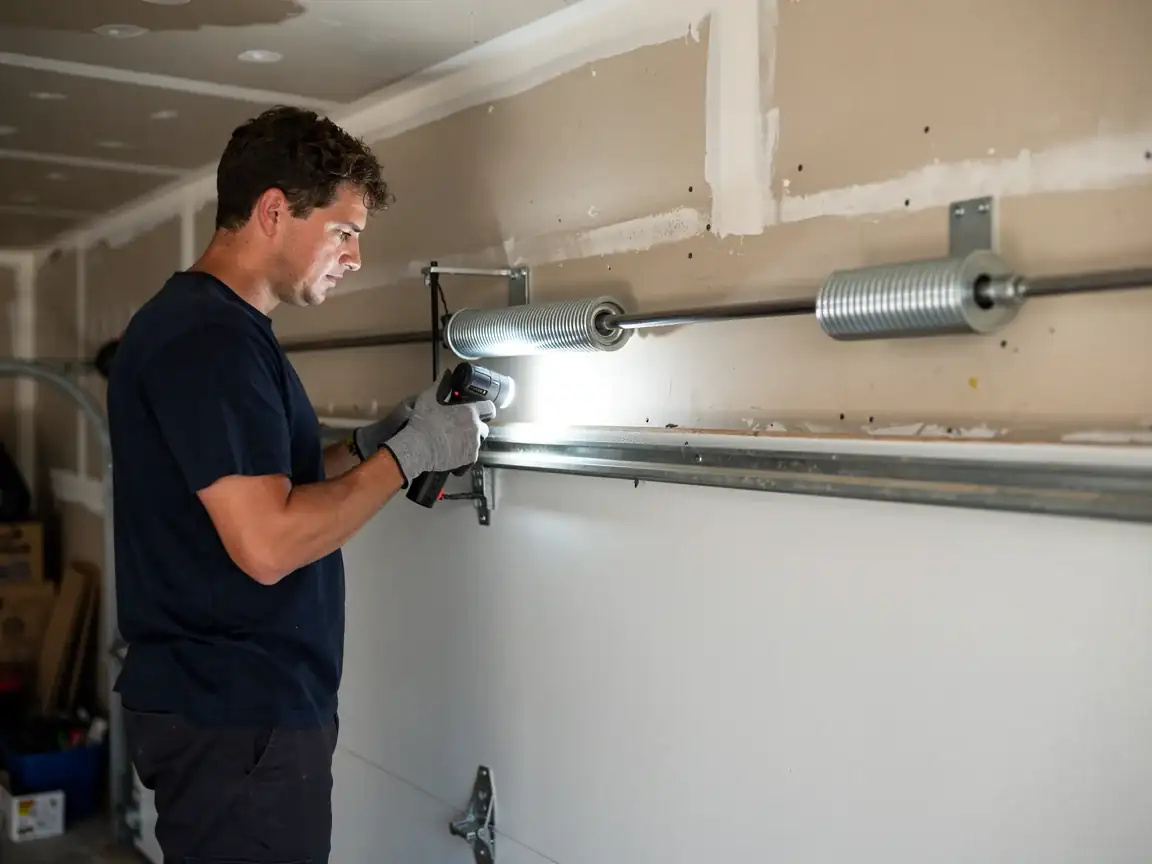
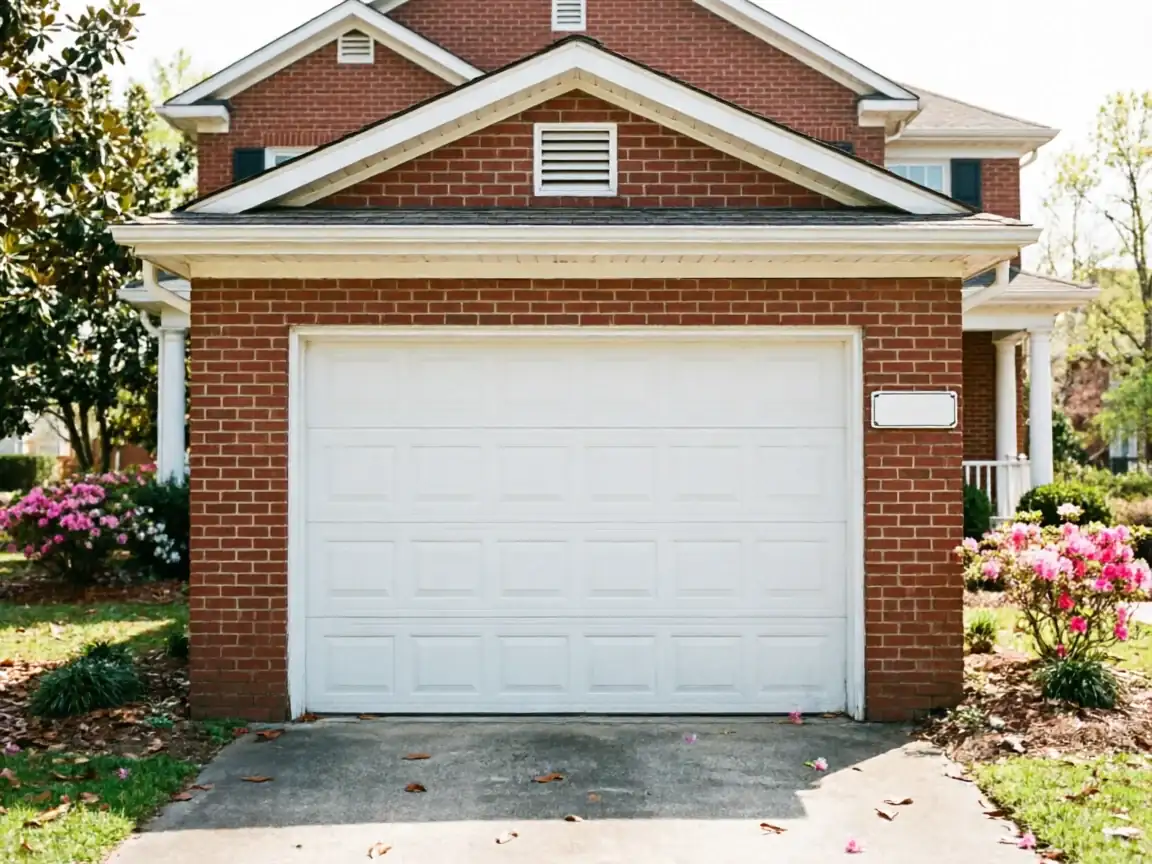
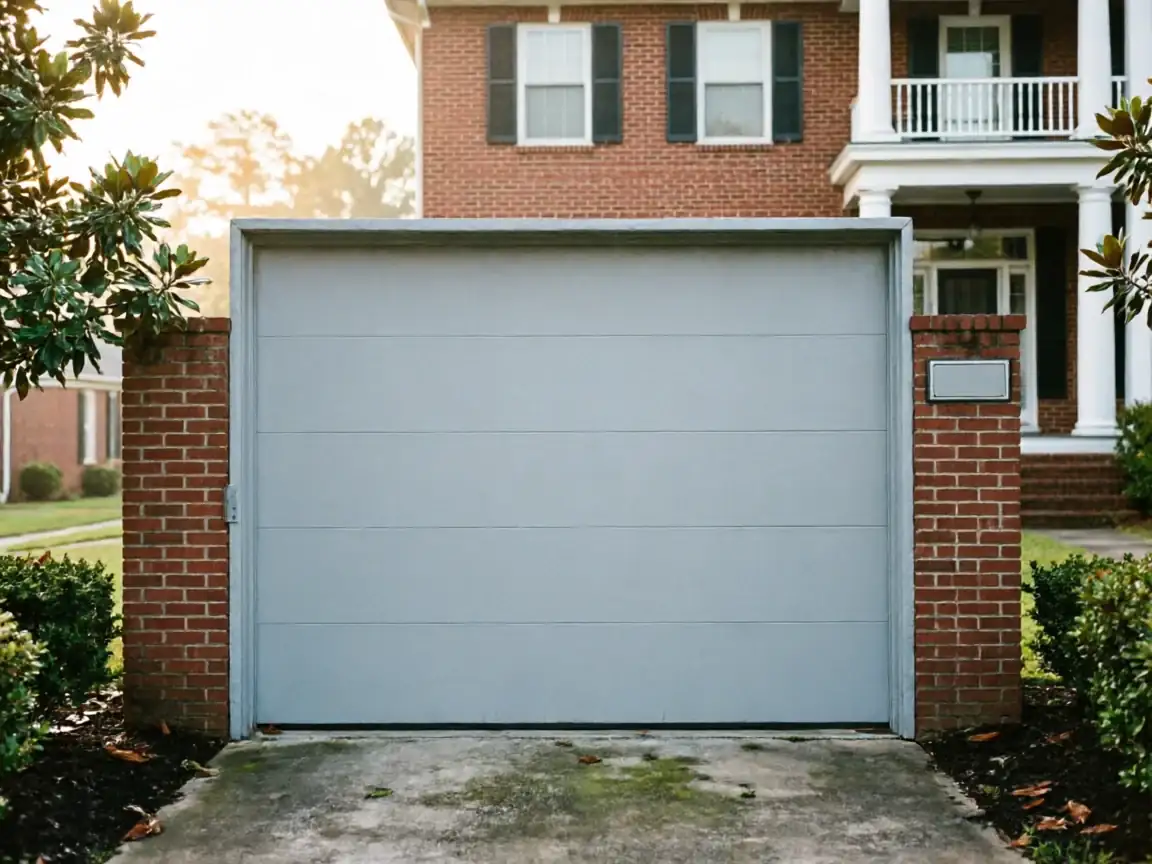
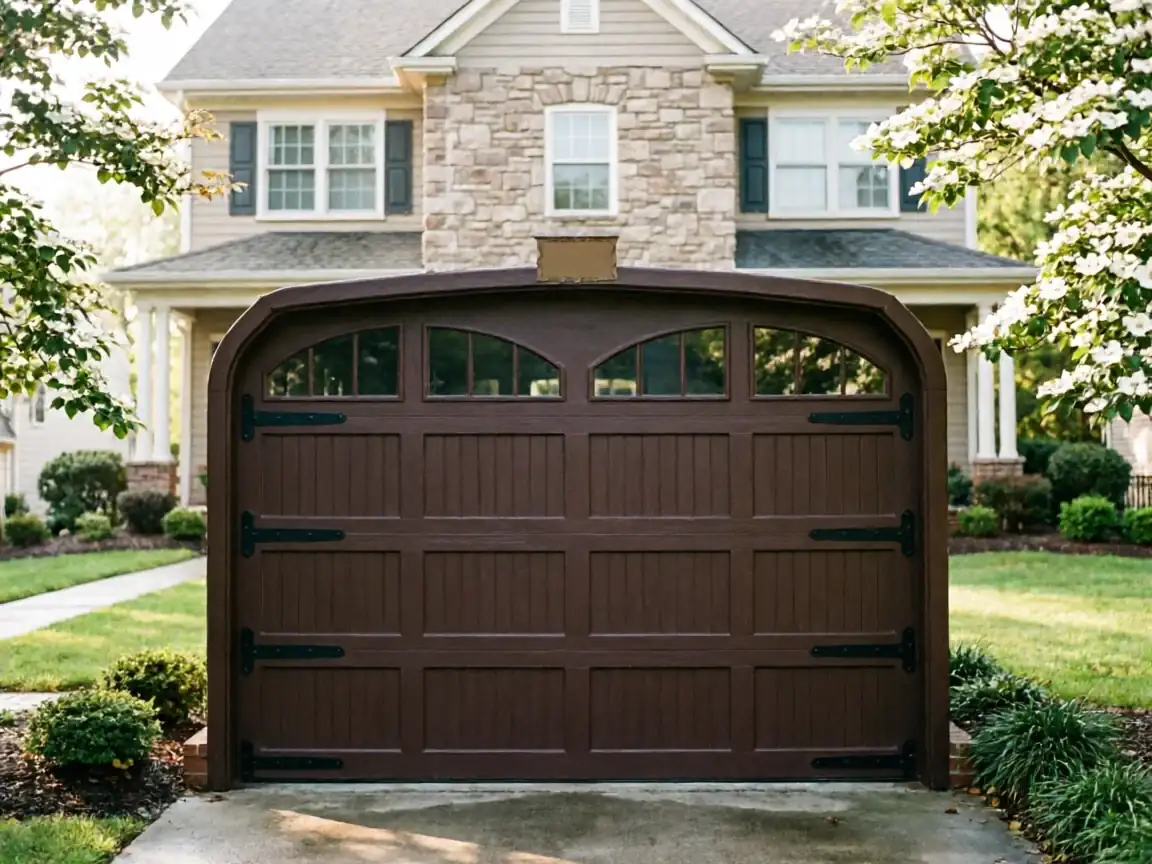
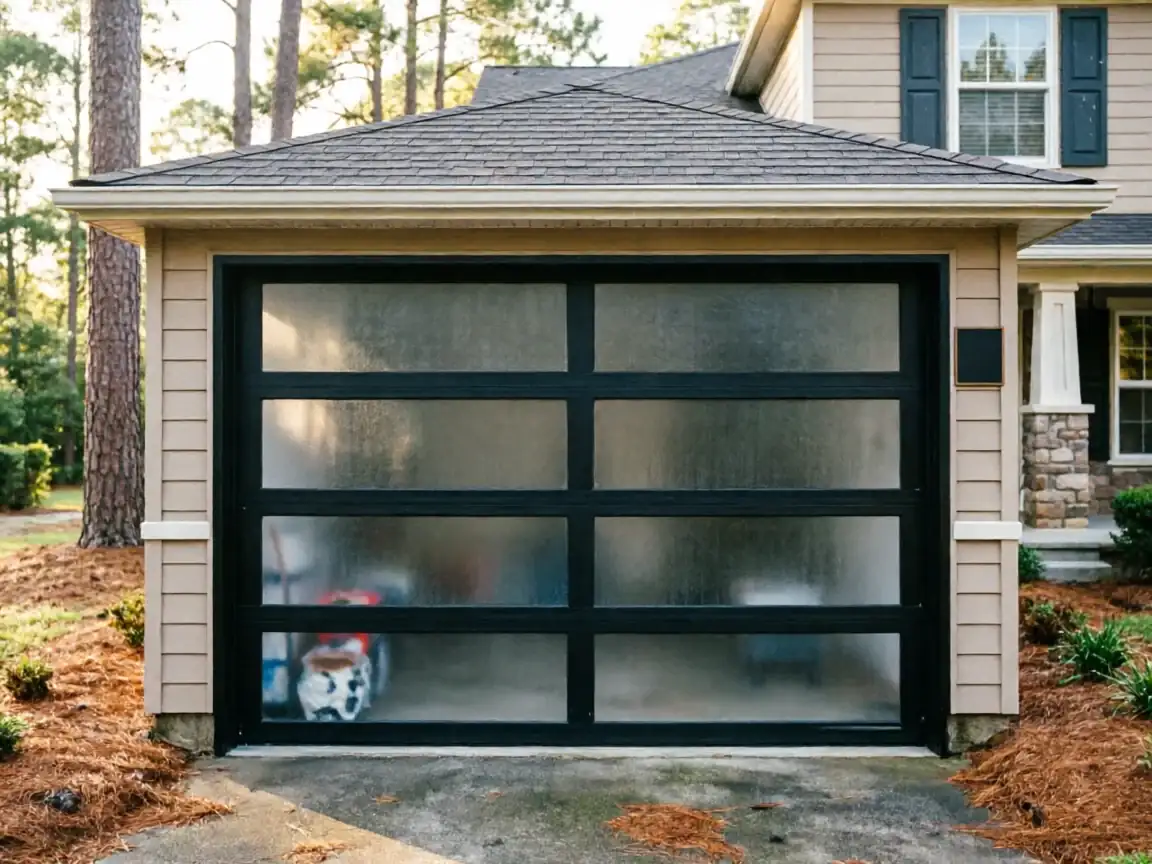
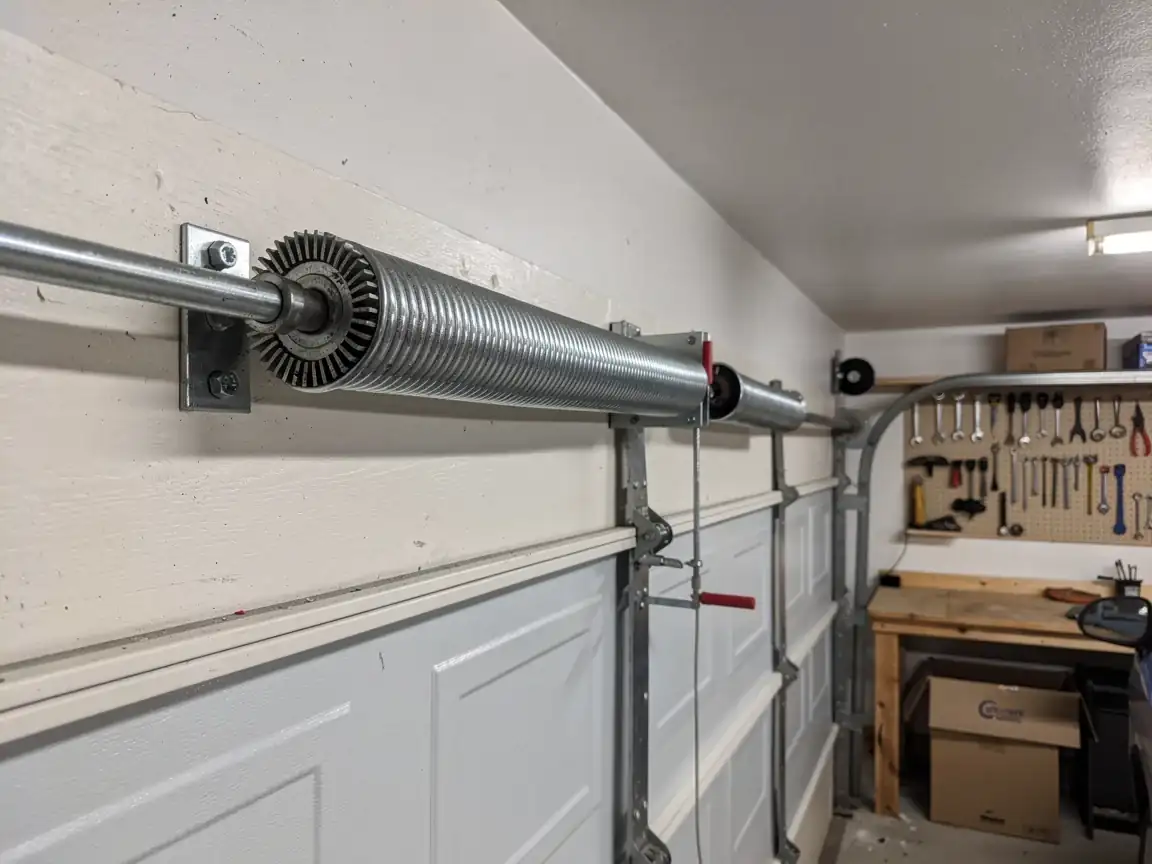
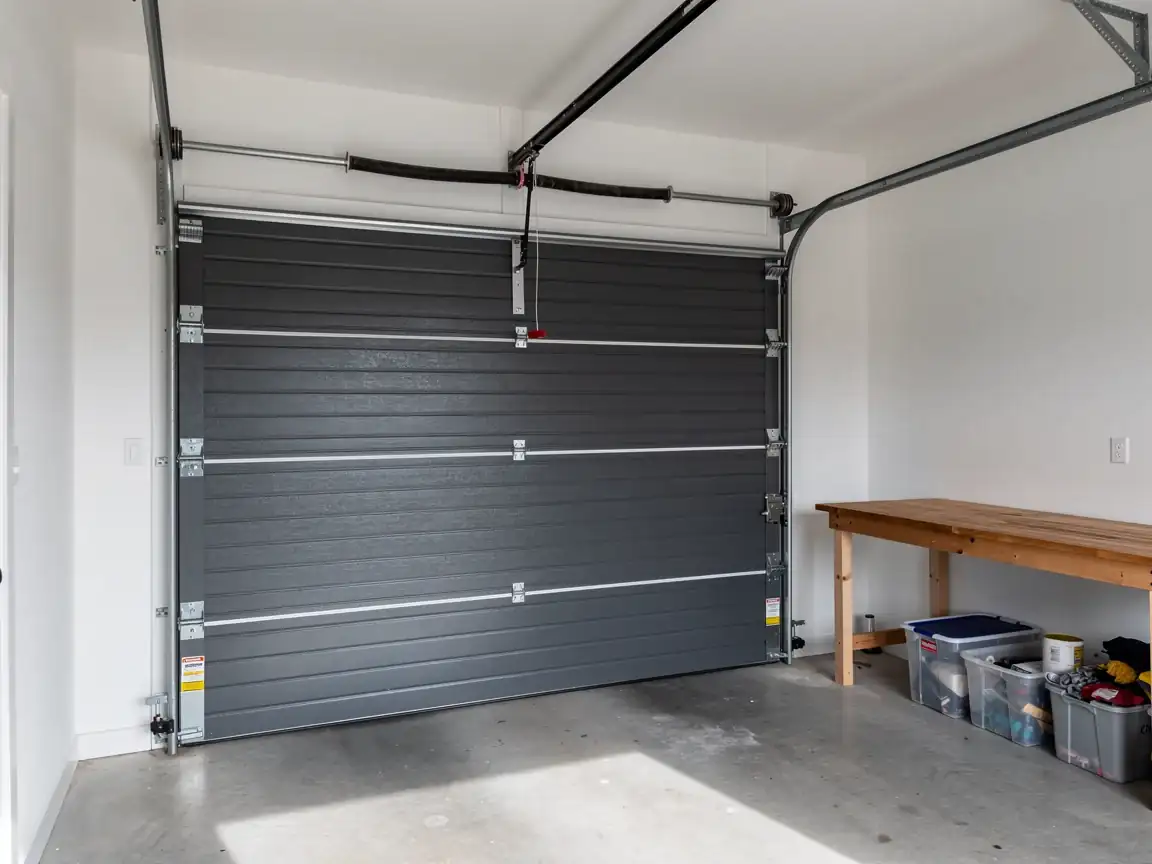
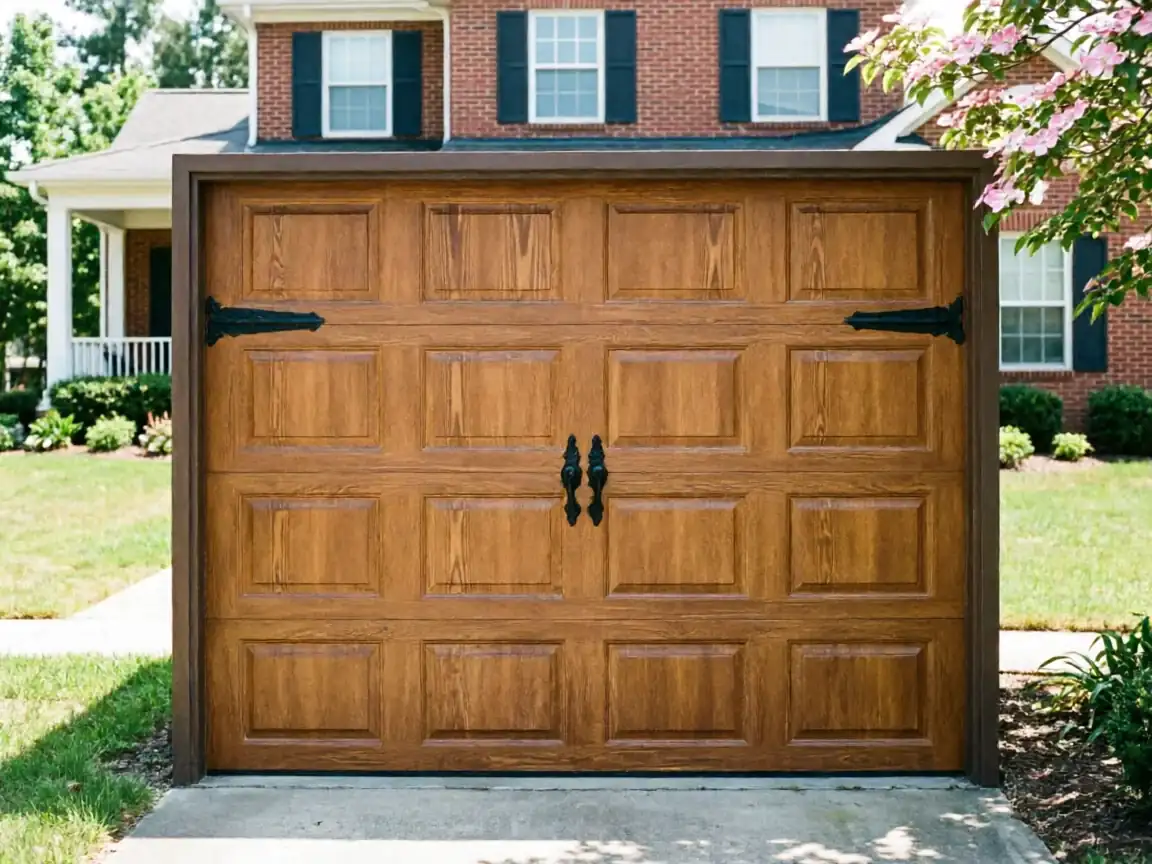
A door installed in the early 2000s is almost always a factory steel sectional door on torsion springs mounted to a steel header above the opening, not the older extension-spring setups with exposed side cables that show up more often on pre-1990s houses elsewhere in our area. That's generally safer hardware and parts are easier to source, but it also means when something fails in a Locust house, it's more likely to be an opener logic board, a worn roller, or a torsion spring that's simply reached the end of its cycle count, rather than the kind of outdated side-mount rigging we replace outright on older homes. We'll tell you straight if a repair makes sense or if the door's old enough that replacement is the better money.
What Was Built Here
Locust has around 1,888 households, smaller than most of the named communities we cover out of Concord
And median household income here runs about $78,280 - close to the $79,765 figure for the broader service area. That's a town of established single-family homes built mostly in a tight window around the turn of the century, not a mix of decades-old farmhouses and brand-new subdivisions.
- 1,888 households
The practical upshot
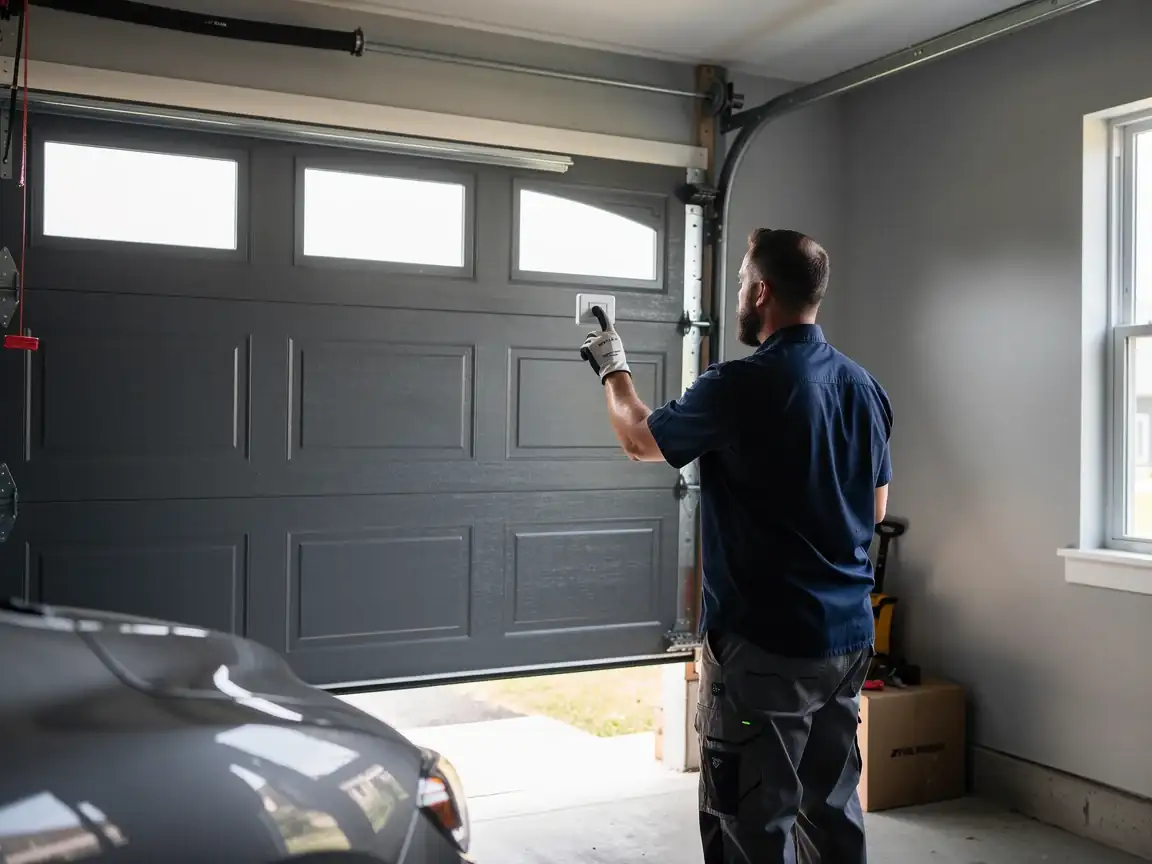
When we quote a job in Locust, we're usually quoting for a door and opener generation that's fairly consistent house to house, which means fewer surprises once we're standing in the driveway. It also means when a part is worn, it's worn from two decades of cycles, not from age-related rust or a door style nobody makes parts for anymore. We're honest that we can't speak to every house - a renovated older property or a newer infill build will have different hardware than the neighborhood norm - but for the typical Locust garage, we generally know what we're walking into before we open the truck.