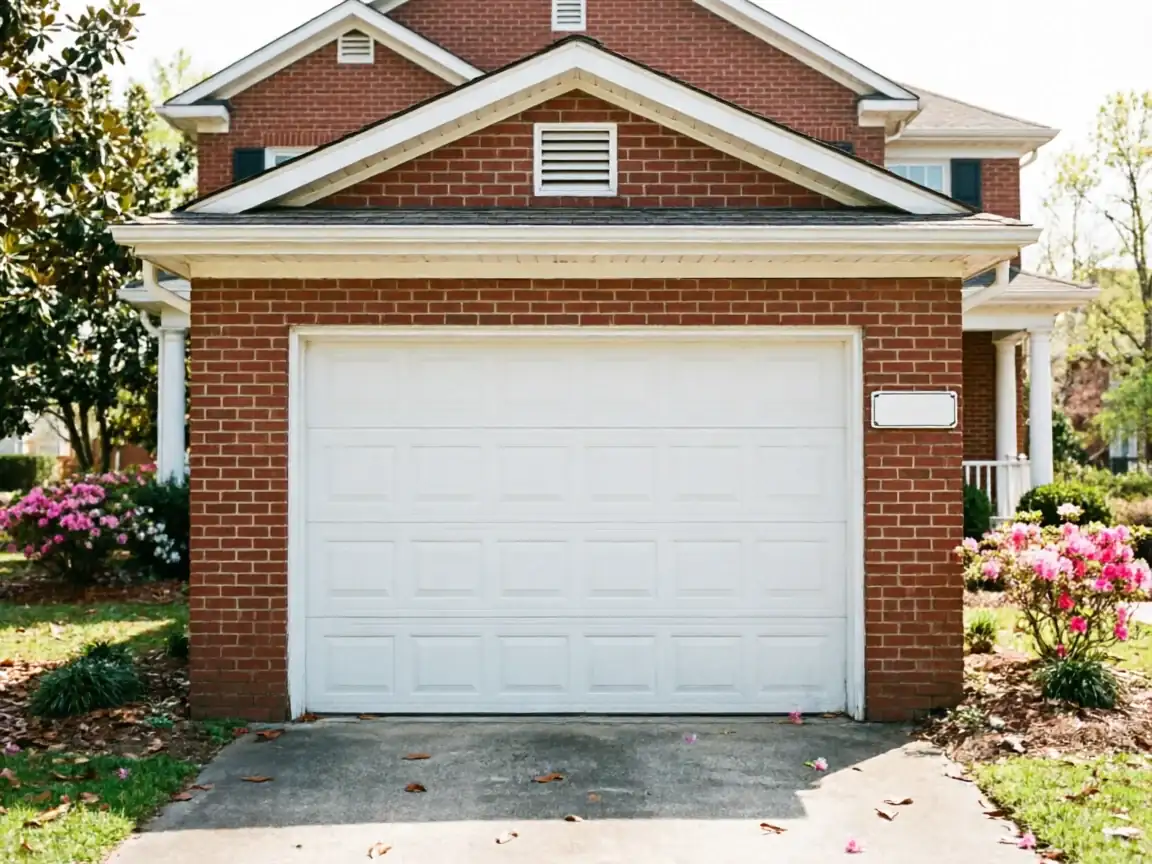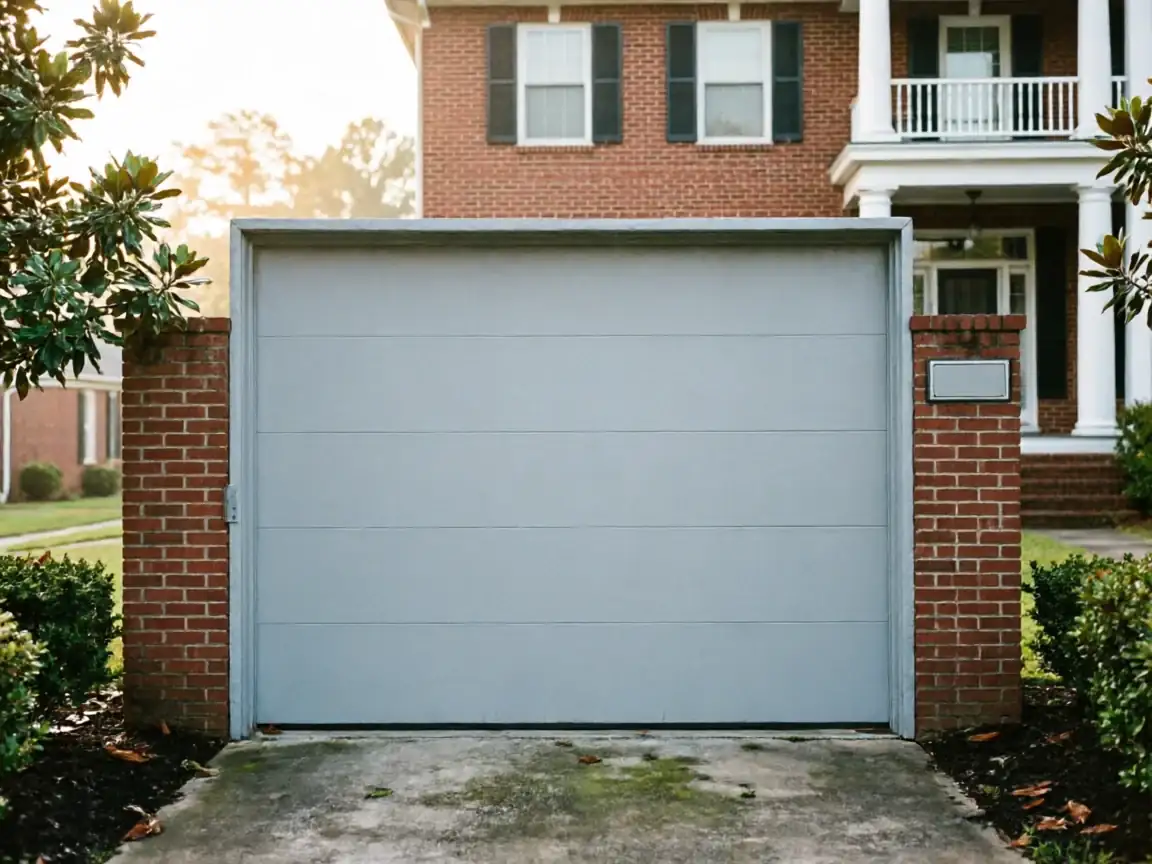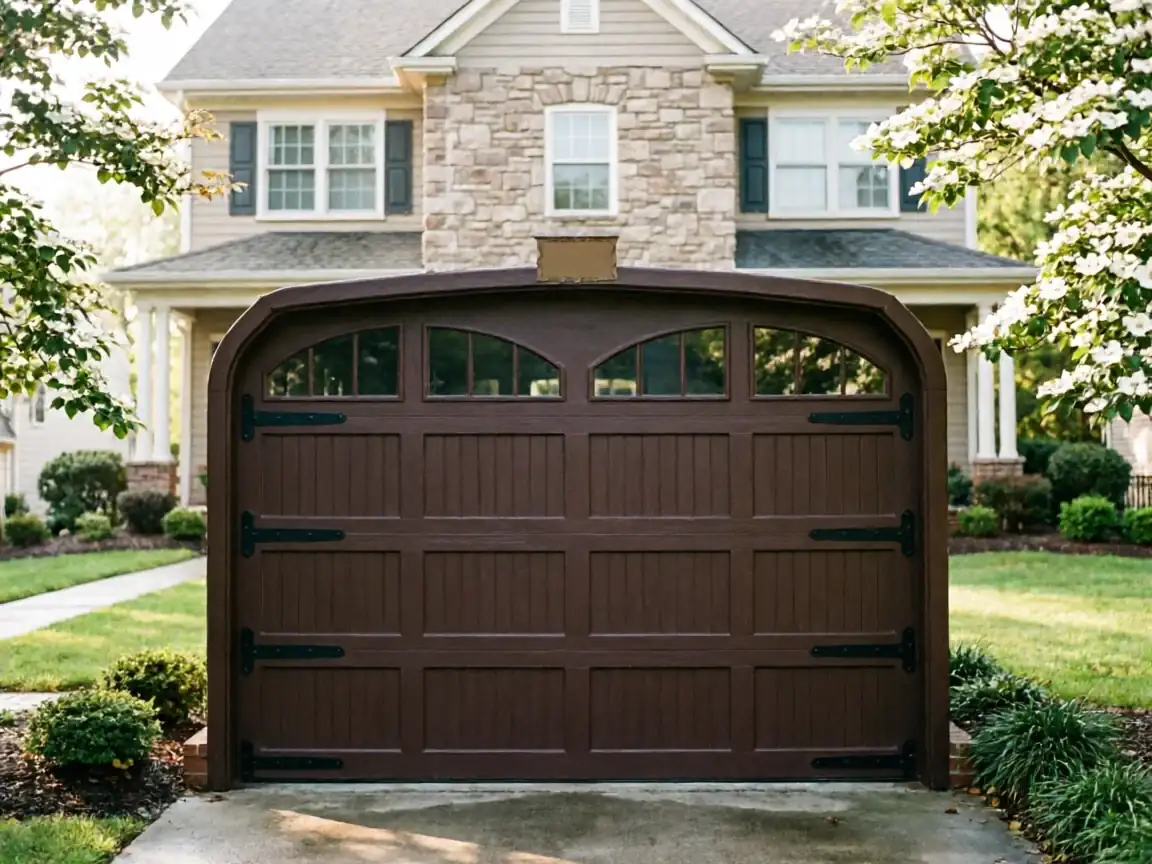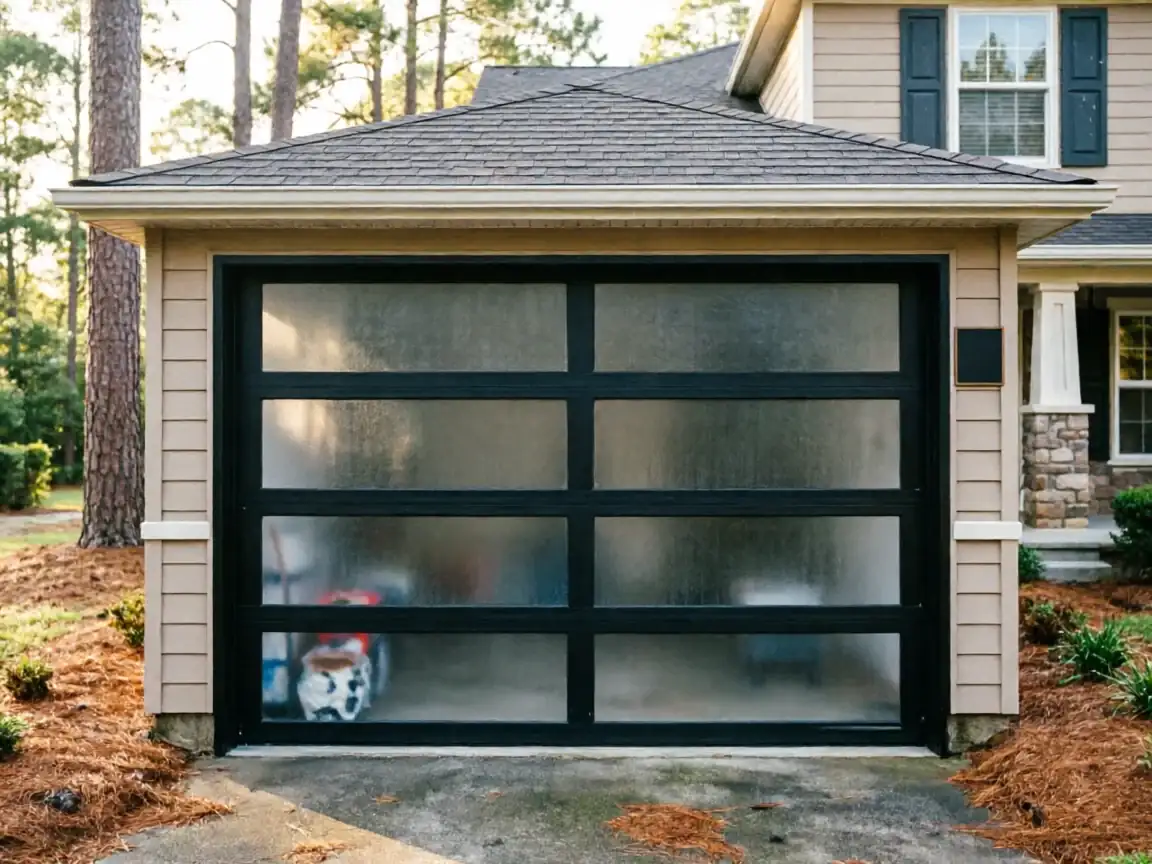
What the Fix Involves
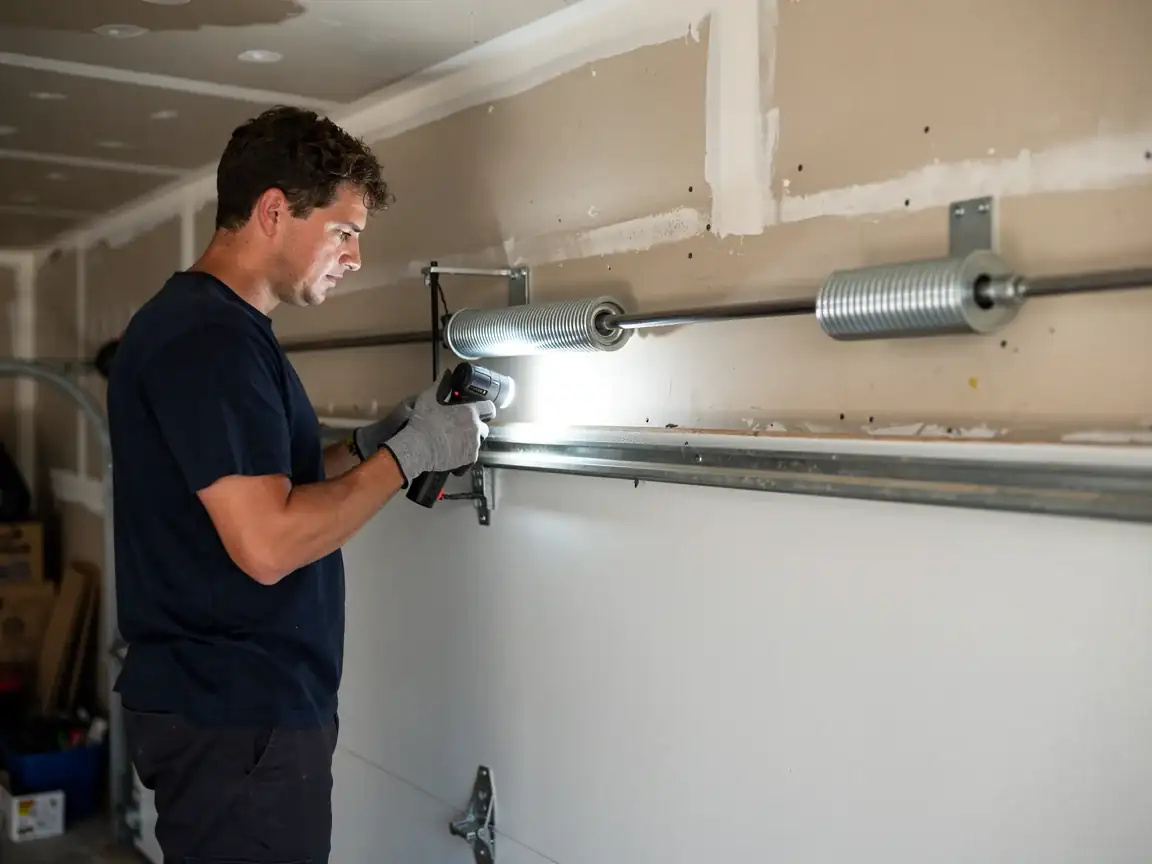
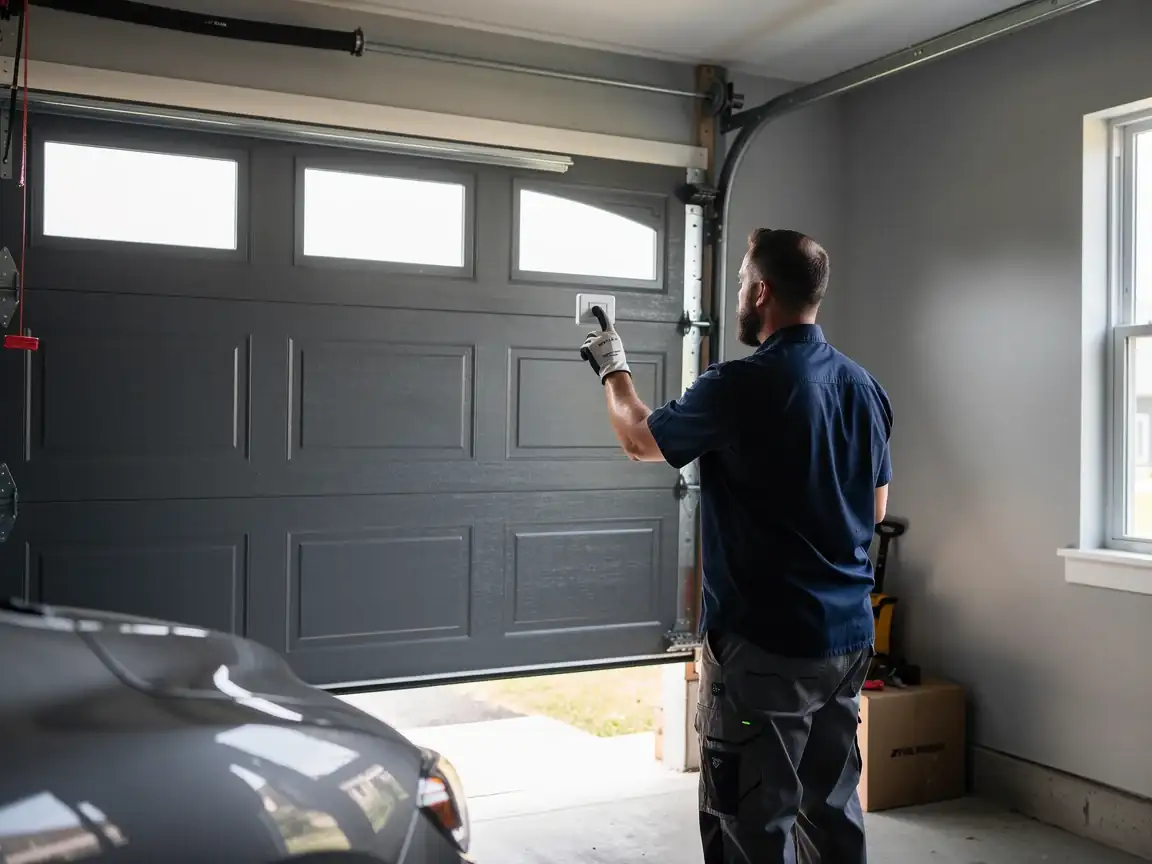
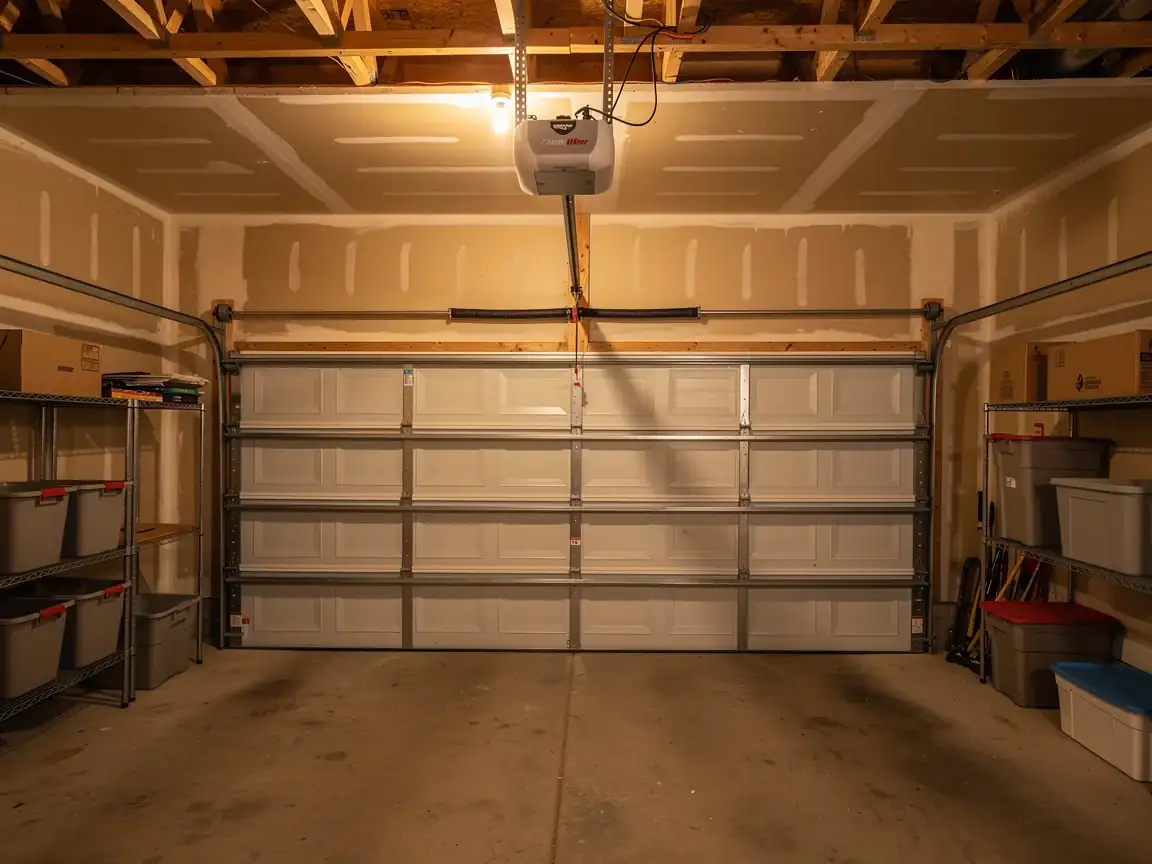
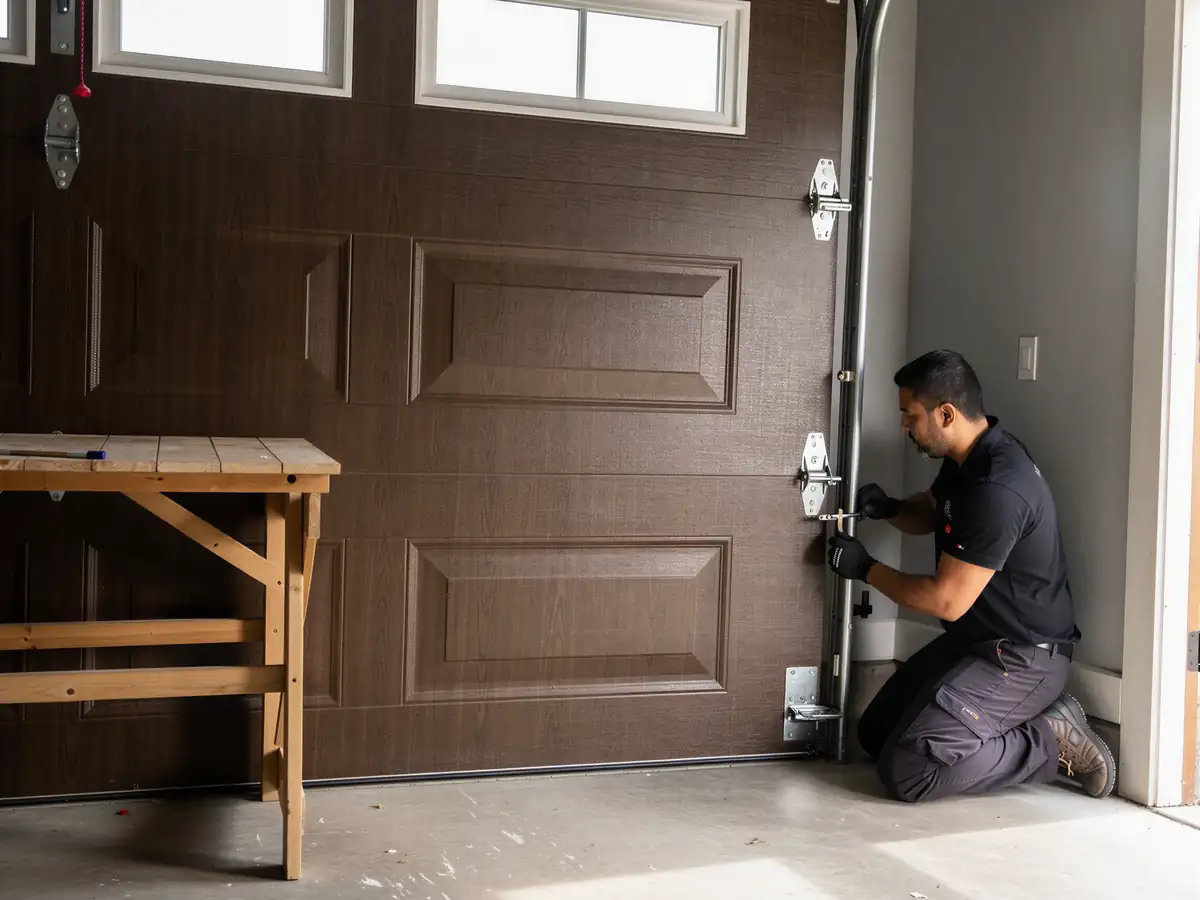
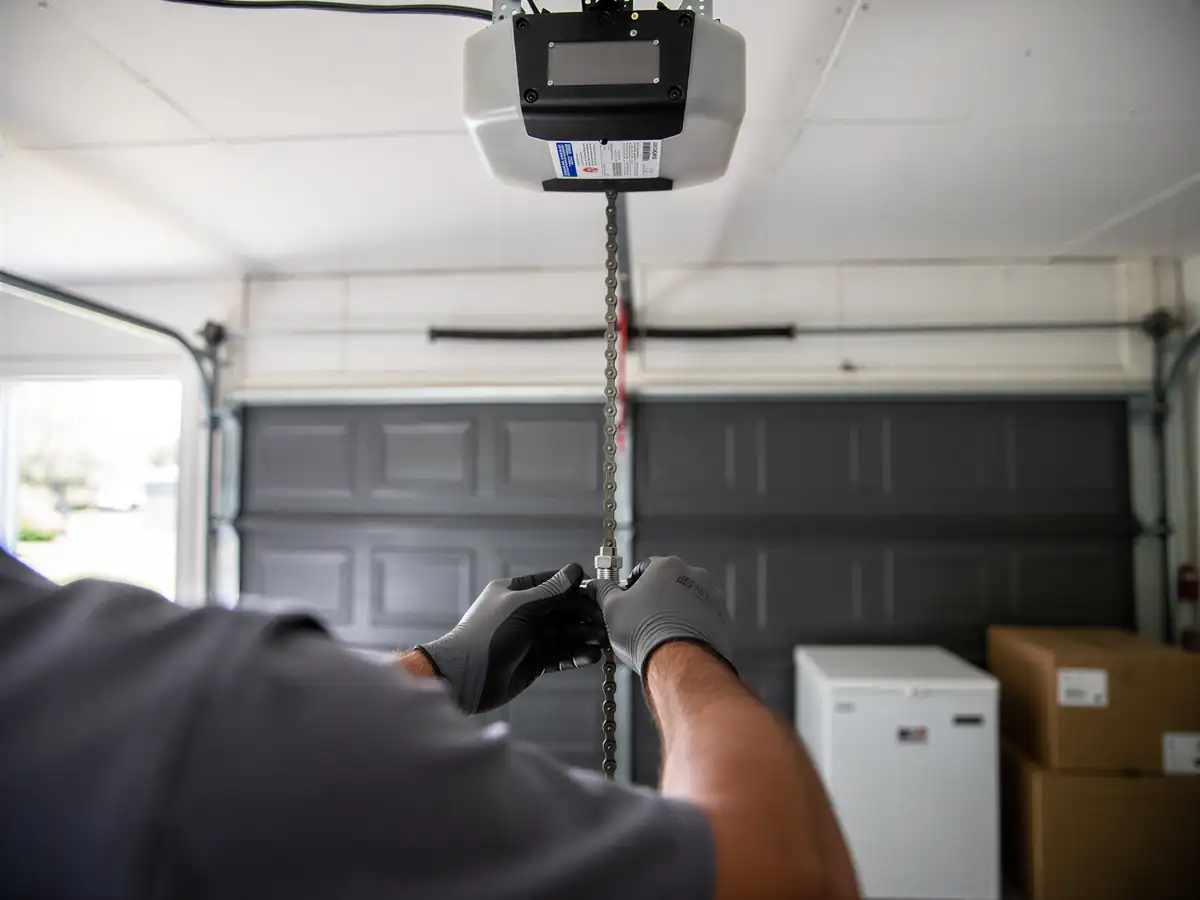
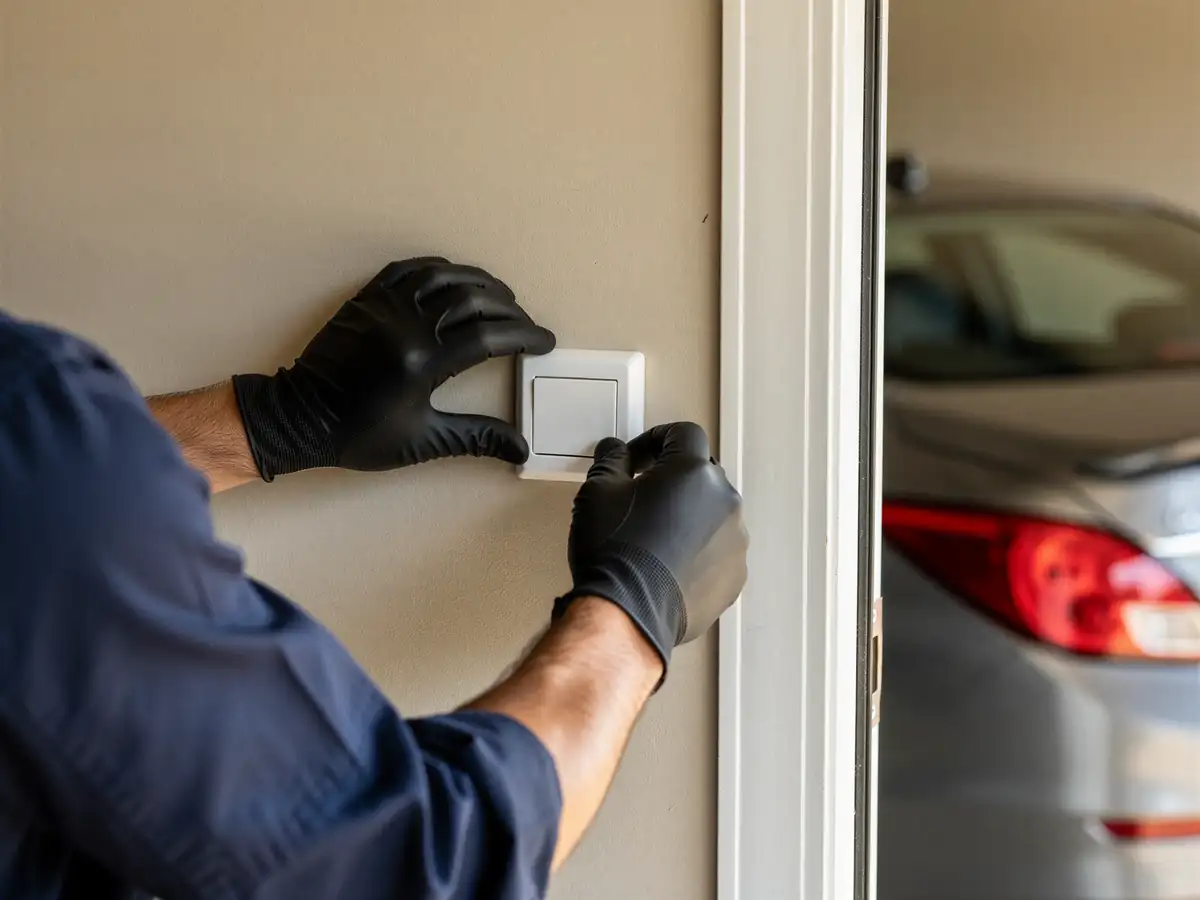
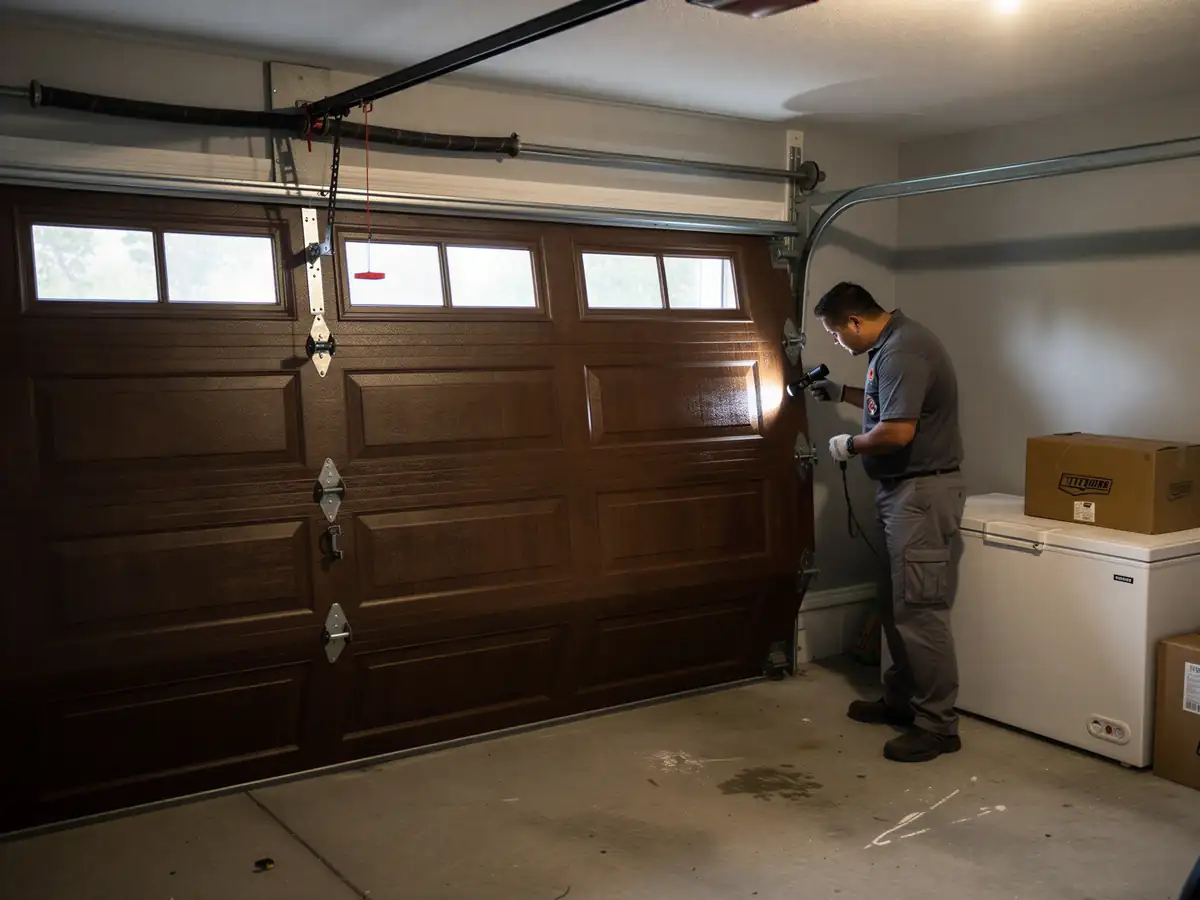
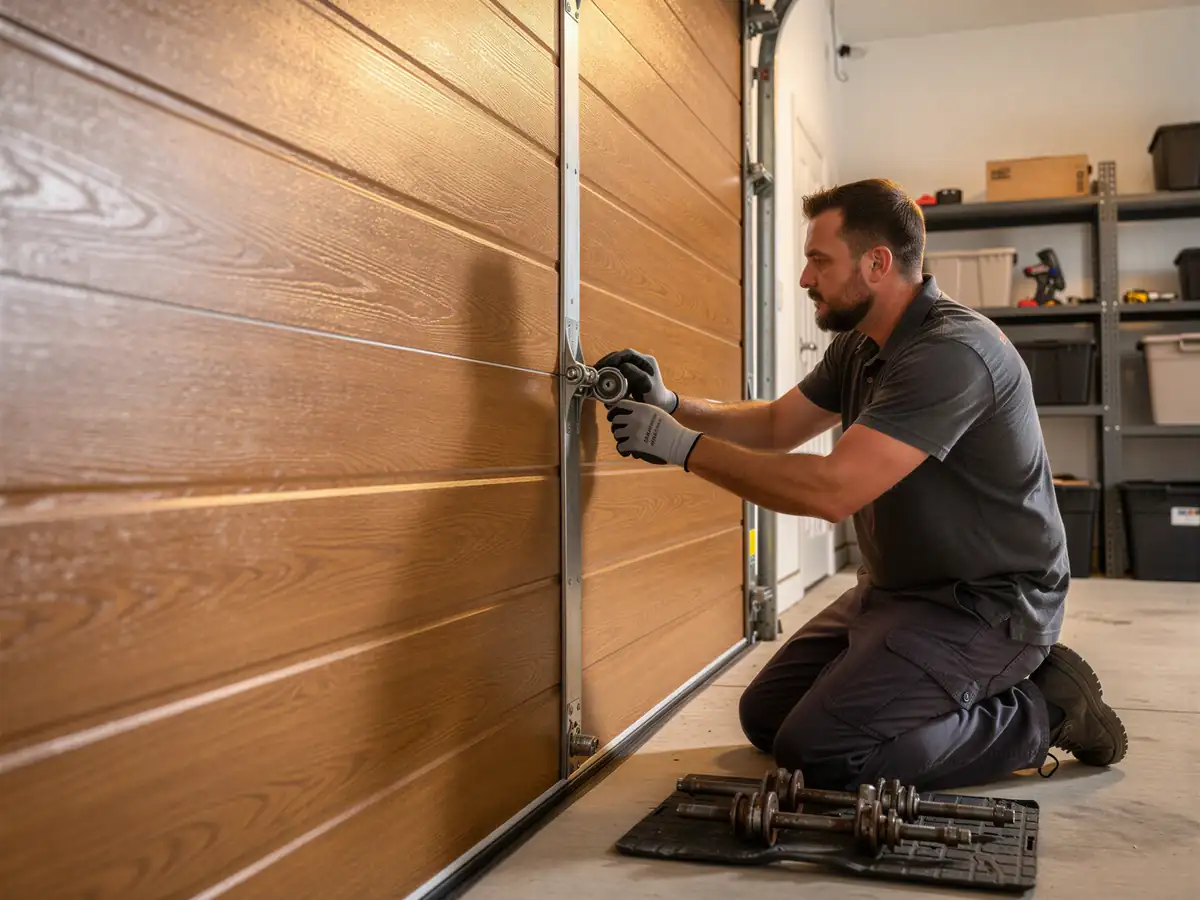
A proper new install starts with pulling the old door and track off the opening and checking the framing square and plumb before anything new goes in. On a house built around 2001, the lumber's usually straight, but we still shim where needed rather than force a door to fit a frame that's out by a half inch. From there it's new track, new rollers, springs sized to the door's actual weight (not a generic chart number), and an opener mounted and balanced so the door holds position at any point when you disconnect it by hand. We set the travel limits and force settings last, after the door's hung and balanced - doing it before just masks a hardware problem with a sensor setting.
Time on the Job
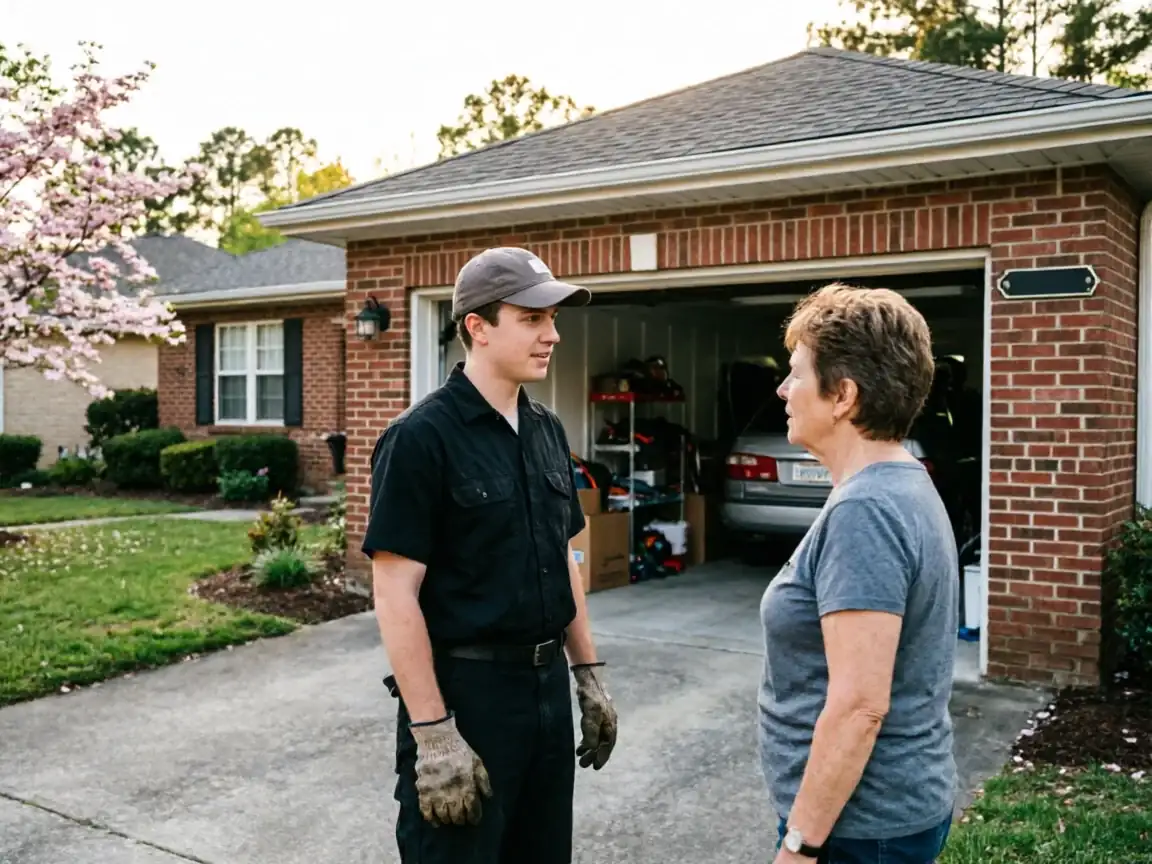
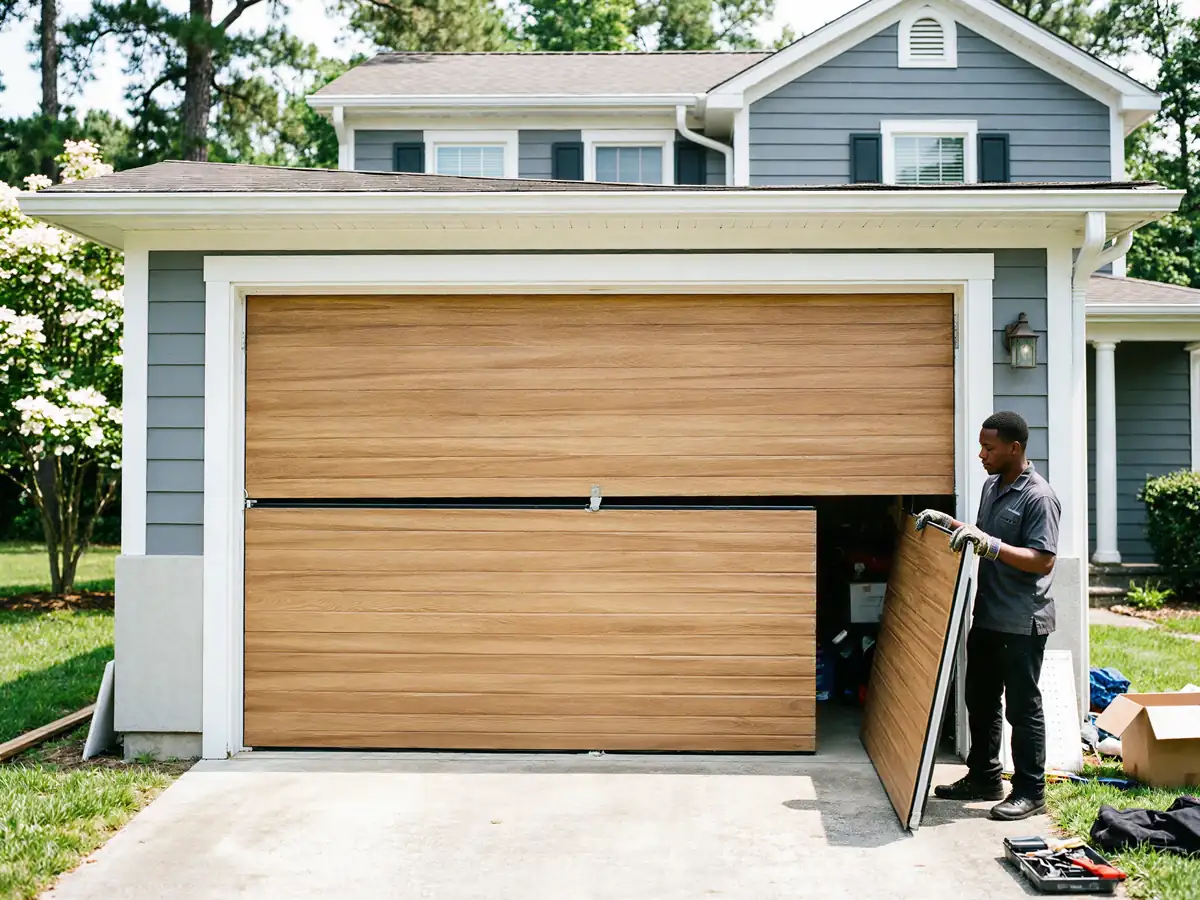
A straight swap - same opening, new door and hardware, no framing changes - usually runs a single visit. If the opening needs reframing or the existing header isn't rated for a heavier insulated door, that adds time, and we won't rush that part. We travel the 14 miles out from Concord for Locust jobs, so we schedule the install as one trip rather than splitting prep and installation into separate visits unless the framing work turns out to be bigger than expected once we're inside the wall.
How It Shows Up
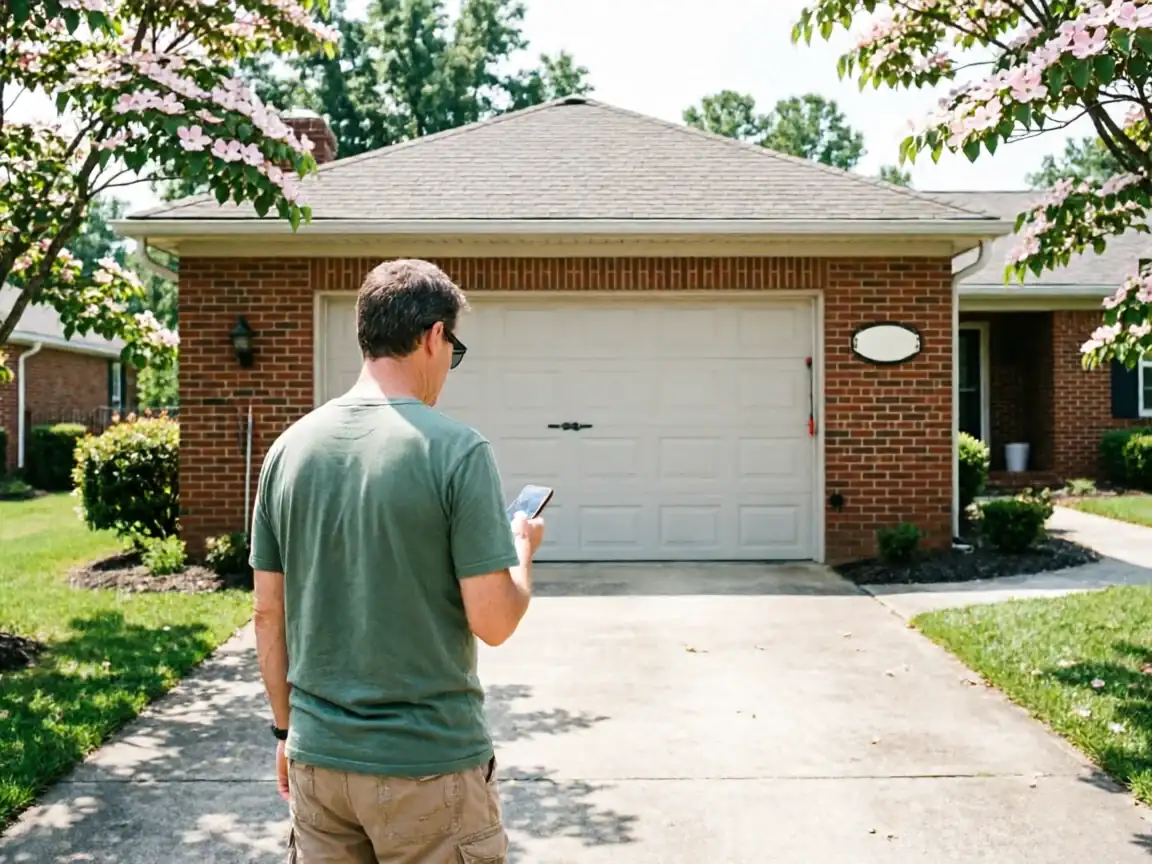
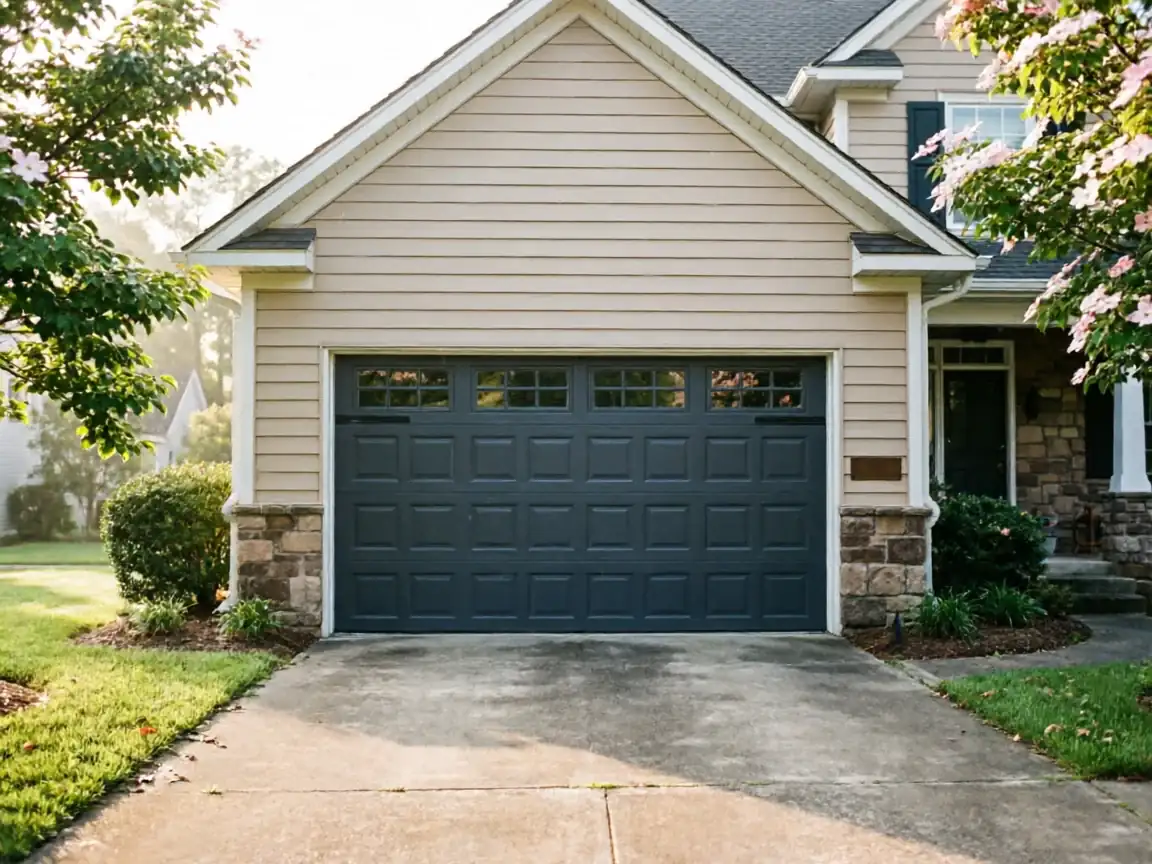
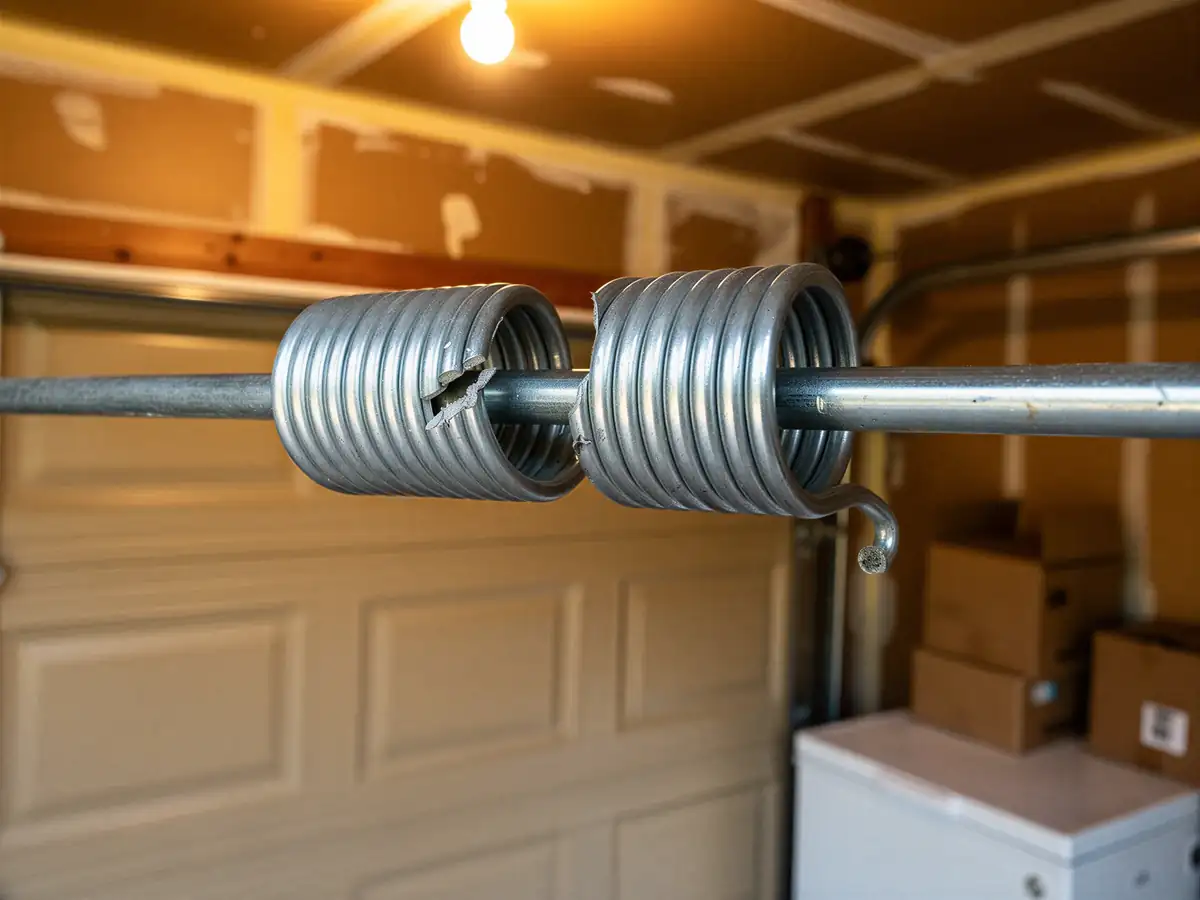
On a 2001-era Locust house, the giveaway isn't usually a door that won't open - it's one that opens unevenly, drags on one side, or sounds different than it used to. Builder-grade torsion springs on original openers sized for a 2000s door tend to go eighteen to twenty-some years before they're done, which puts a fair number of Locust's original doors right at that point now. If the opener strains, reverses partway up, or the door looks like it's climbing stairs instead of moving smooth, that's the hardware telling you it's past the point of an adjustment and into new-door territory.
What Causes It Around Here
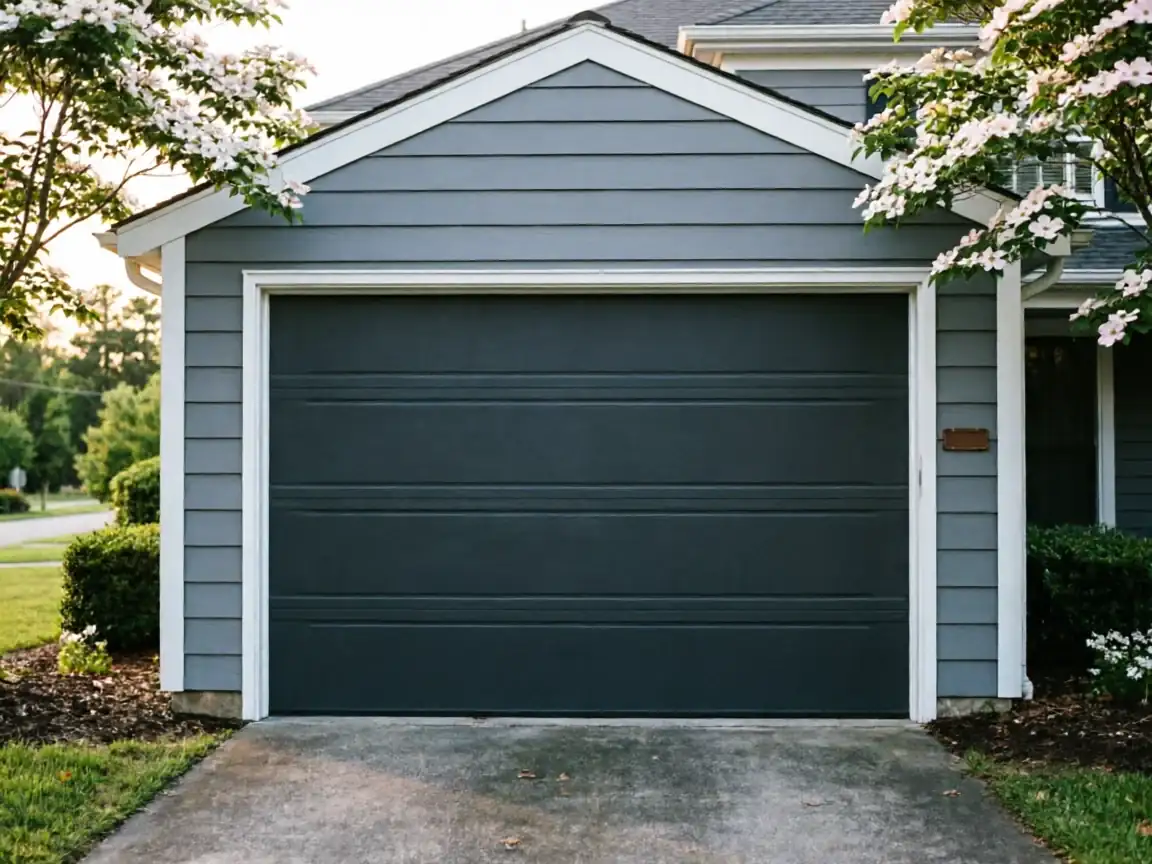
The area sits in a cold-moderate climate band, which isn't the extreme swing some regions get, but it's still enough seasonal temperature change to work metal springs and nylon rollers over two decades. Add a median household income here of $78,280, close to the wider area's $79,765, and a lot of Locust's original builder-grade doors were installed at the lower end of what a 2001-era spec sheet allowed - fine for year one, less fine twenty years on. The combination of a newer frame but original-spec hardware is the exact gap that turns into an install call rather than a repair call.