What the Fix Involves
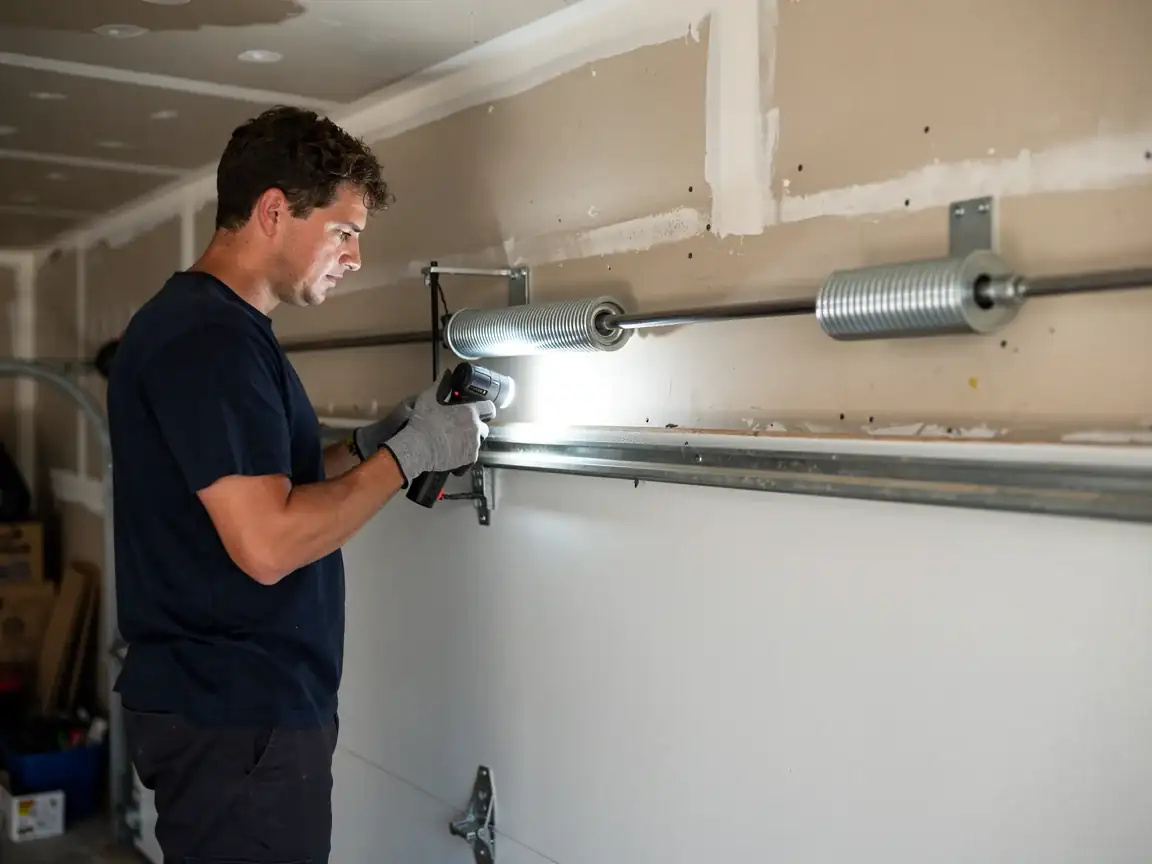
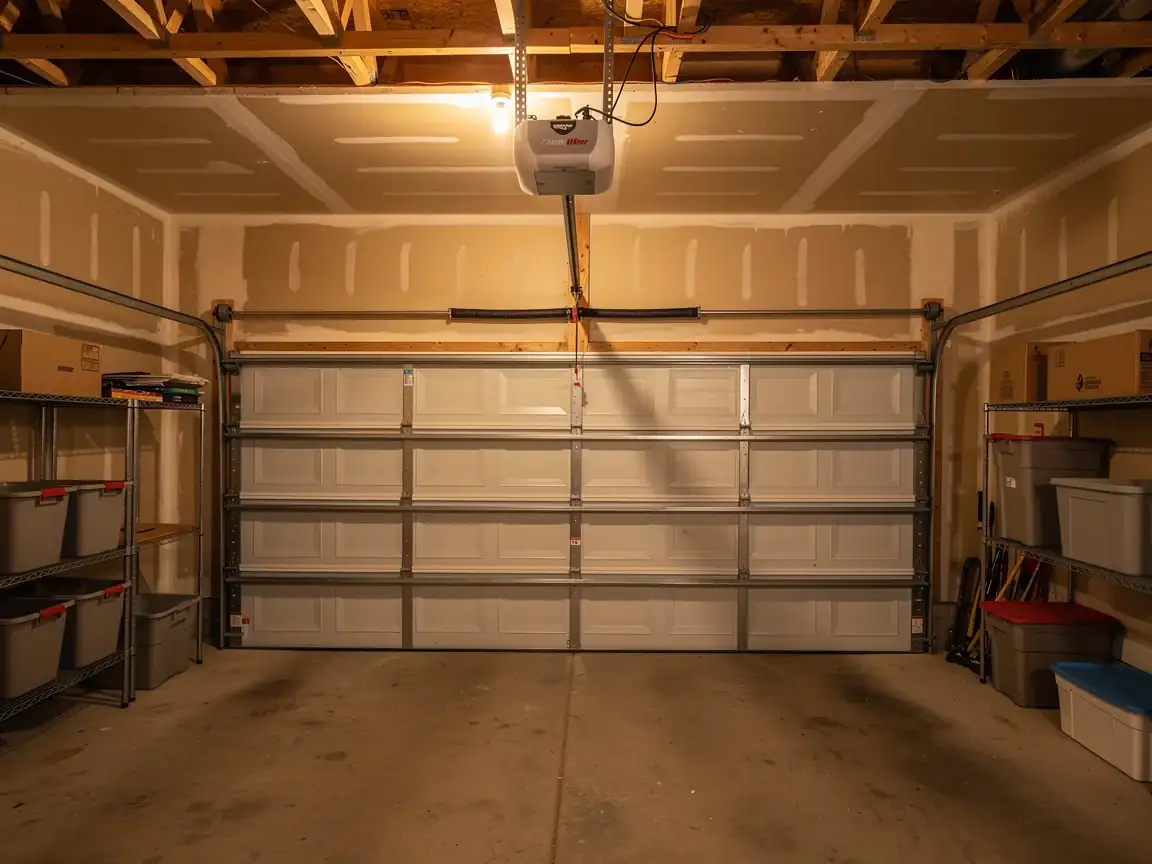
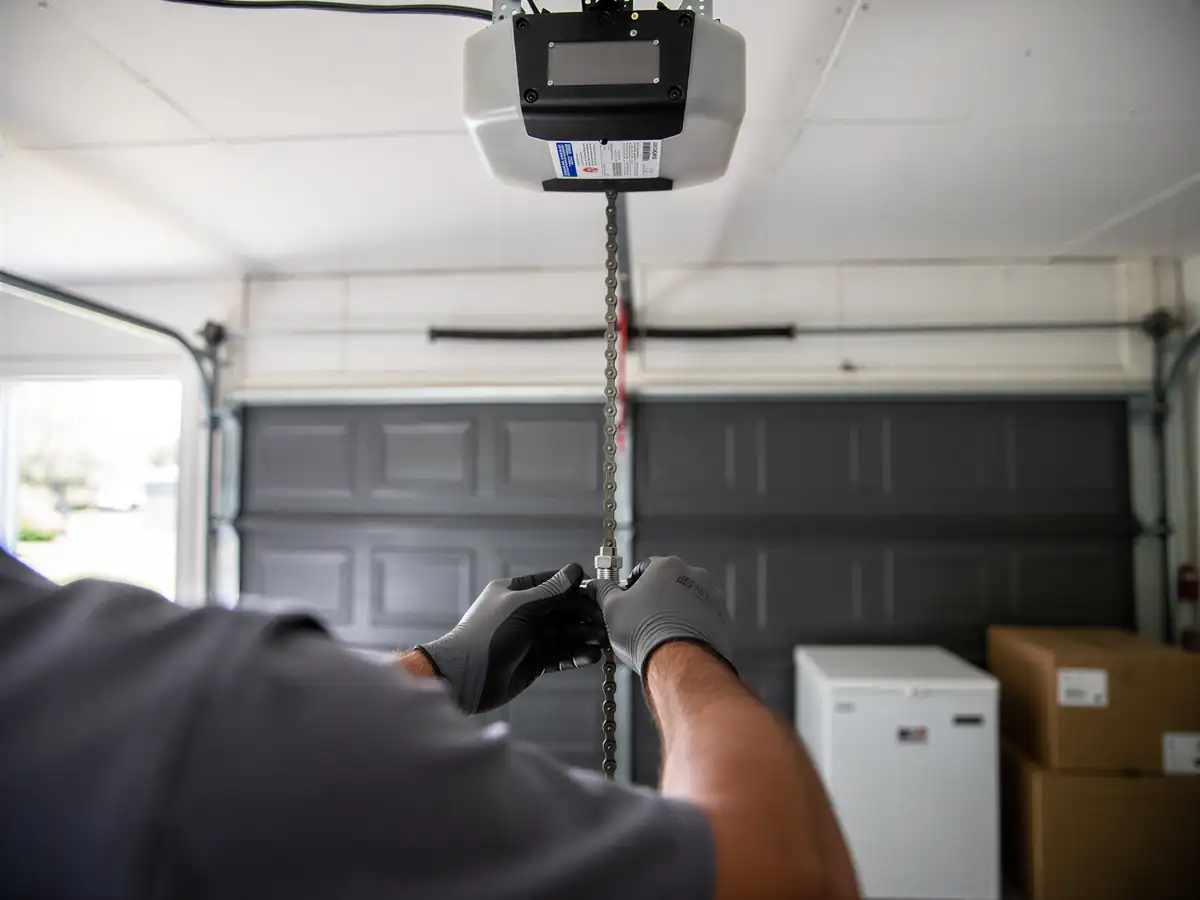
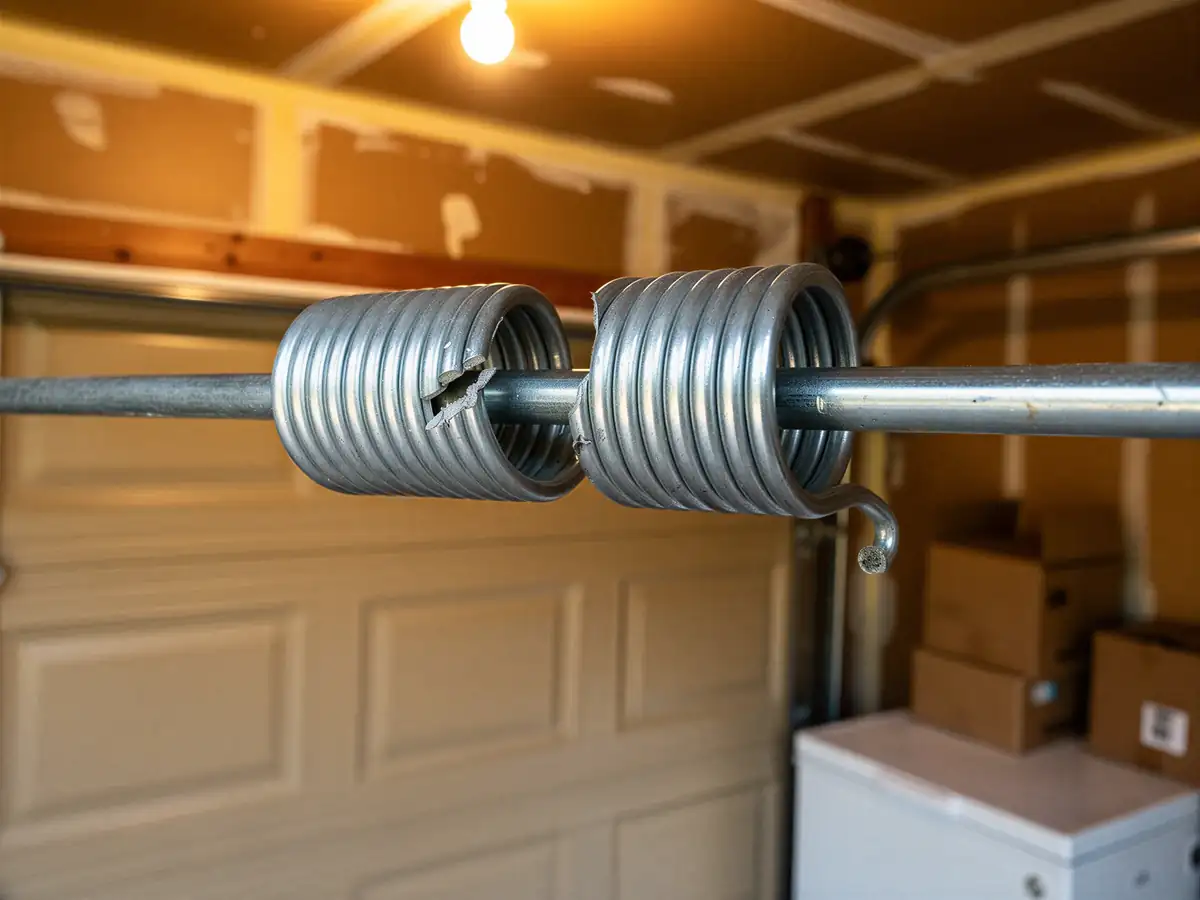
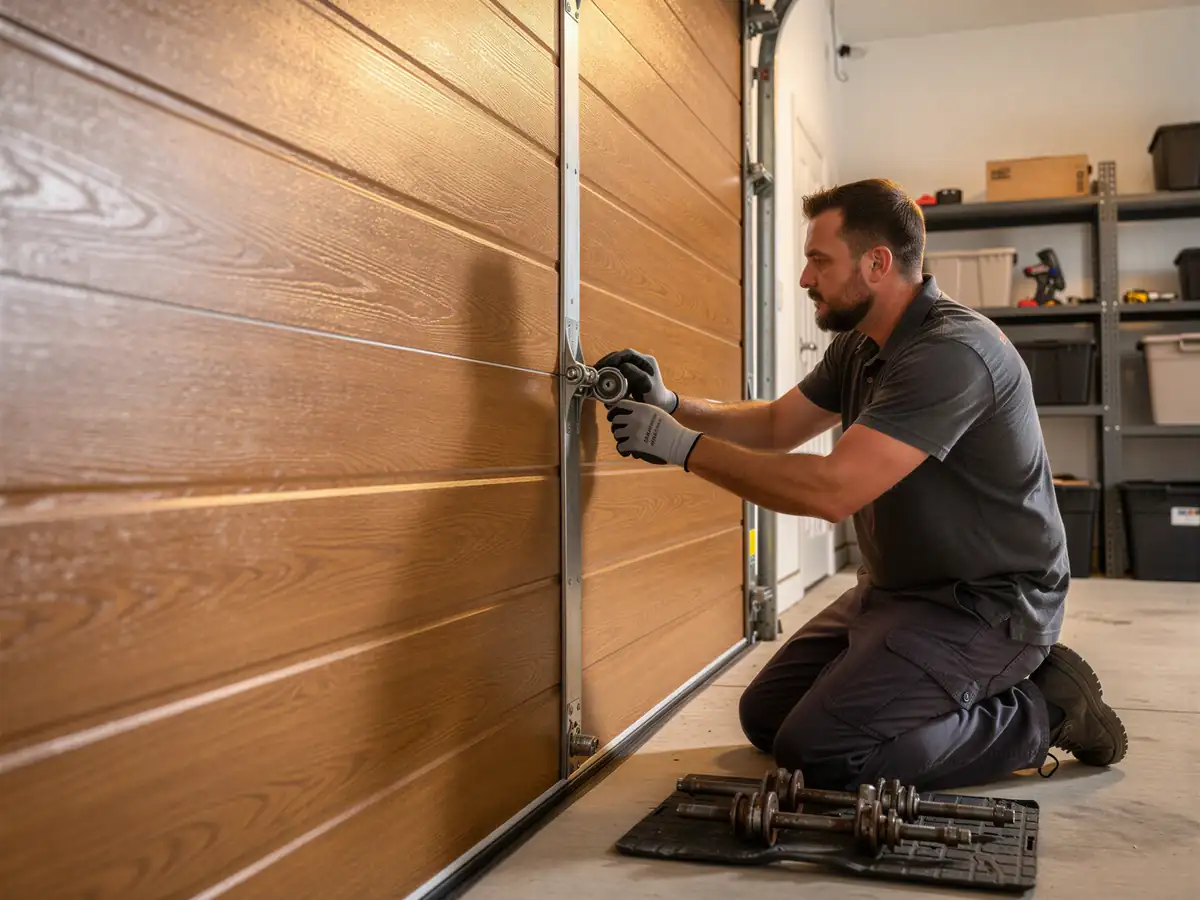
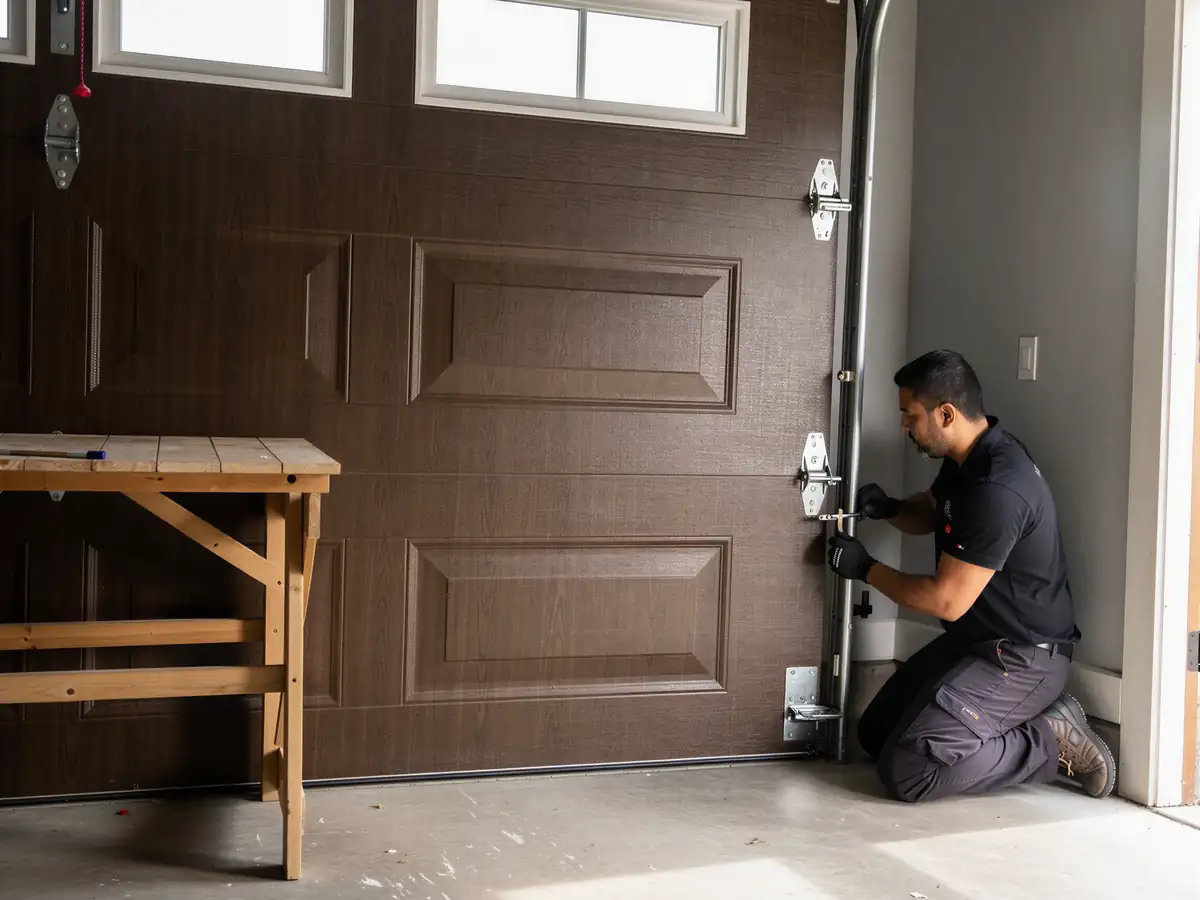
On a 2001-built door, the repair is usually straightforward because the system is a known quantity: steel panels, torsion spring over the header, standard roller track. Spring replacement means matching the wire size and wind to what's already up there, not guessing. We also check the cables running off the bottom brackets at the same time - they share the same cycle count as the spring and tend to fray right around when the spring lets go. If the opener's circuit board or logic unit is original to the house, we'll flag it, since boards from that era are starting to show their age even when the door itself is sound. We don't replace parts that aren't failing just because they're old; a working roller stays in until it's actually loose or cracked.
Time on the Job
A straight spring or cable job on a standard double door usually gets done in one visit. What slows things down is parts - if the door takes an odd spring size or the opener needs a board that isn't something we carry on the truck, that part has to come in before the job finishes. We're coming from Concord, about 14 miles out, so we plan the route rather than treat Locust as a drop-in stop, but that's a scheduling detail, not a repair detail. The honest limitation: we won't quote a same-day fix on a part we don't have in hand, and on a 2001-era door the spring size isn't always the common stock size, so we check before promising a timeline.
How It Shows Up
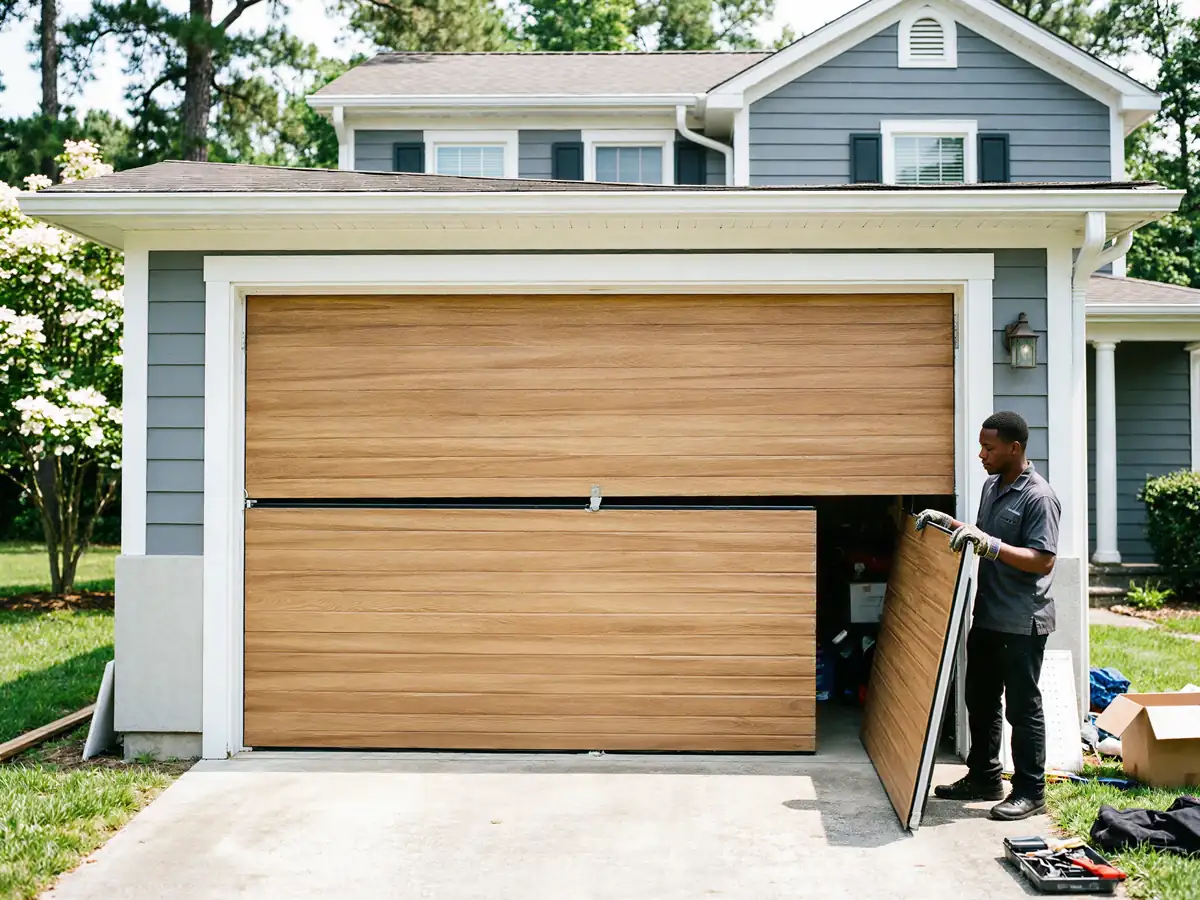
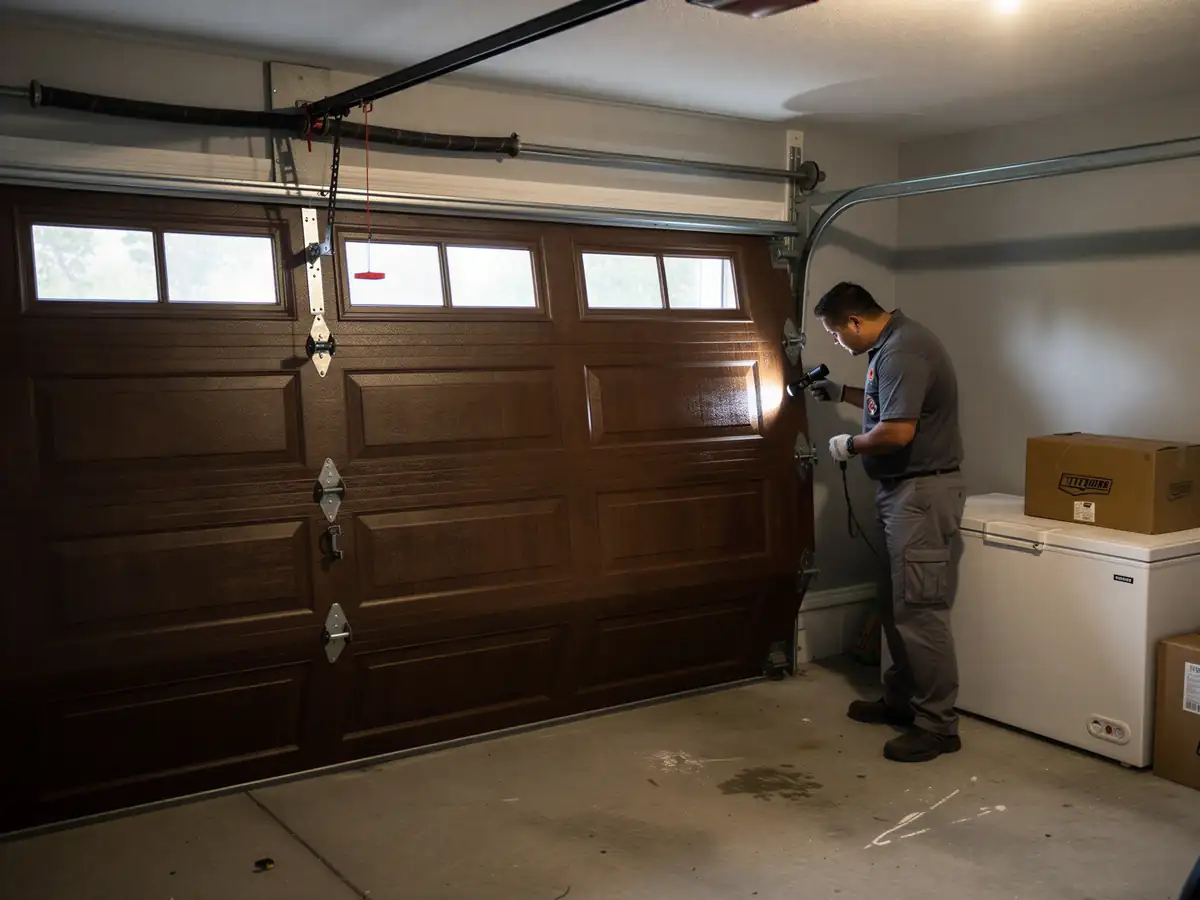
The door slams the last foot instead of settling, or it won't stay up when you disconnect the opener and lift it by hand - both point to a spring that's lost tension. A loud bang from the garage, often described as a gunshot, usually means the spring already broke. Cable failure shows up as the door hanging crooked, lower on one side, because one cable let go while the other's still holding. If the opener runs but the door doesn't move, or only moves partway before reversing on its own, that's more often the opener's force settings or a worn roller catching in the track than the spring itself.
What Causes It Around Here
This area sits in a moderate cold climate band, meaning real temperature swings through the year rather than extreme heat or extreme cold holding steady. Steel contracts in cold snaps and expands back in warm spells, and a spring working at the edge of its cycle life handles that flexing worse than a newer one. In Locust specifically, the bigger factor is simpler: the housing stock is young enough that most doors and openers are still original equipment from construction, and 2001 is far enough back now that original torsion springs and opener logic boards are reaching the end of their working life at roughly the same time across the town.