Where This Job Goes Sideways
The opener calls we get from Locust don't look like the ones from the older parts of the service area
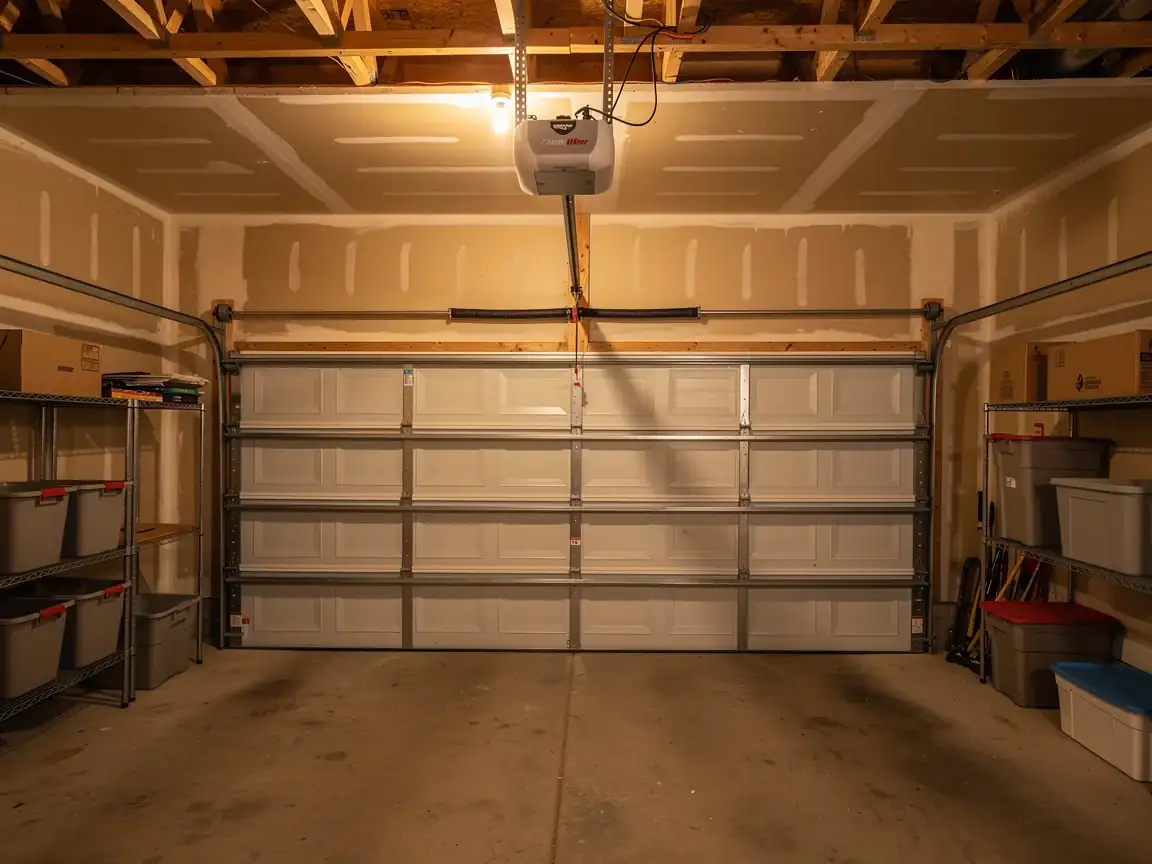
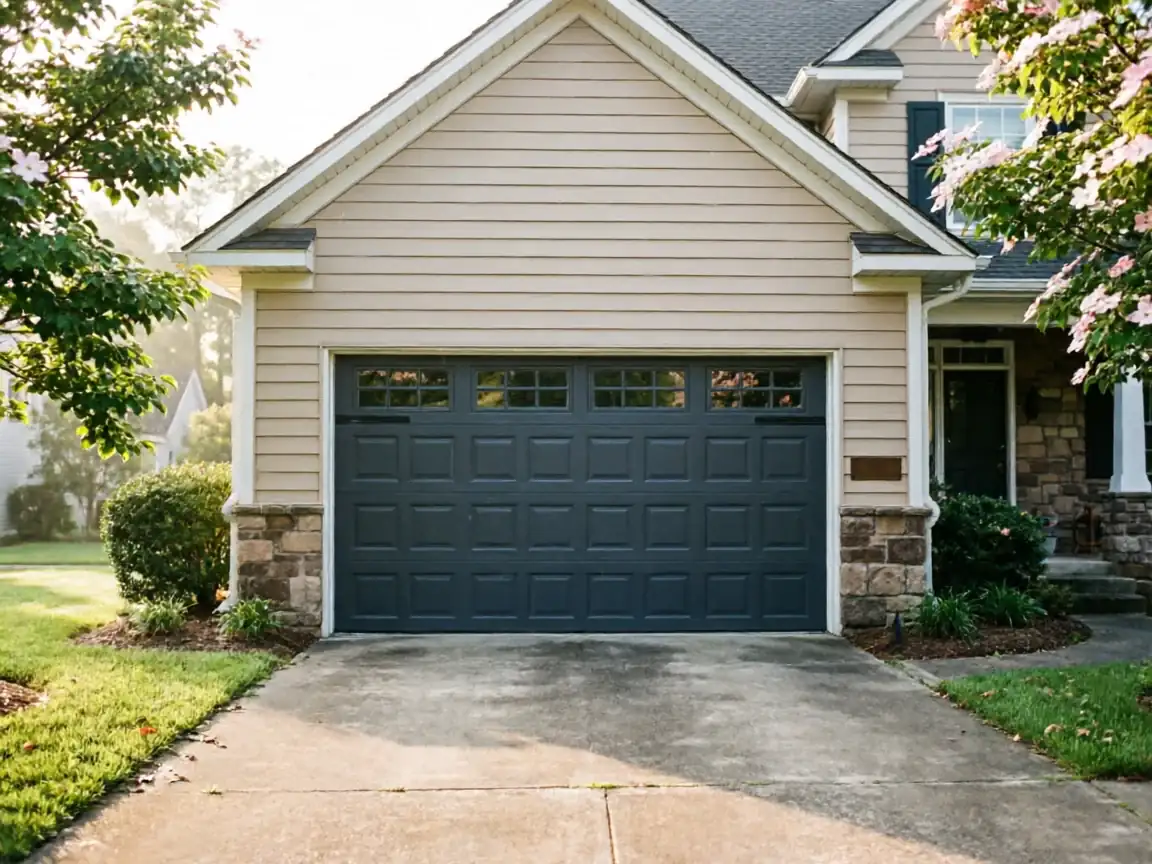
Most houses out here went up after 2001 - newer than the 1987 median you'd find closer to Concord - so you're not dealing with a 1970s chain drive someone swapped out twice already. You're dealing with the original unit, or the first replacement, from a builder-grade opener installed when the house was framed. Those units are now pushing twenty-plus years old, and that's exactly the point where the circuit board capacitors dry out and the logic starts misfiring before the motor itself quits.
What goes sideways is usually the board, not the motor
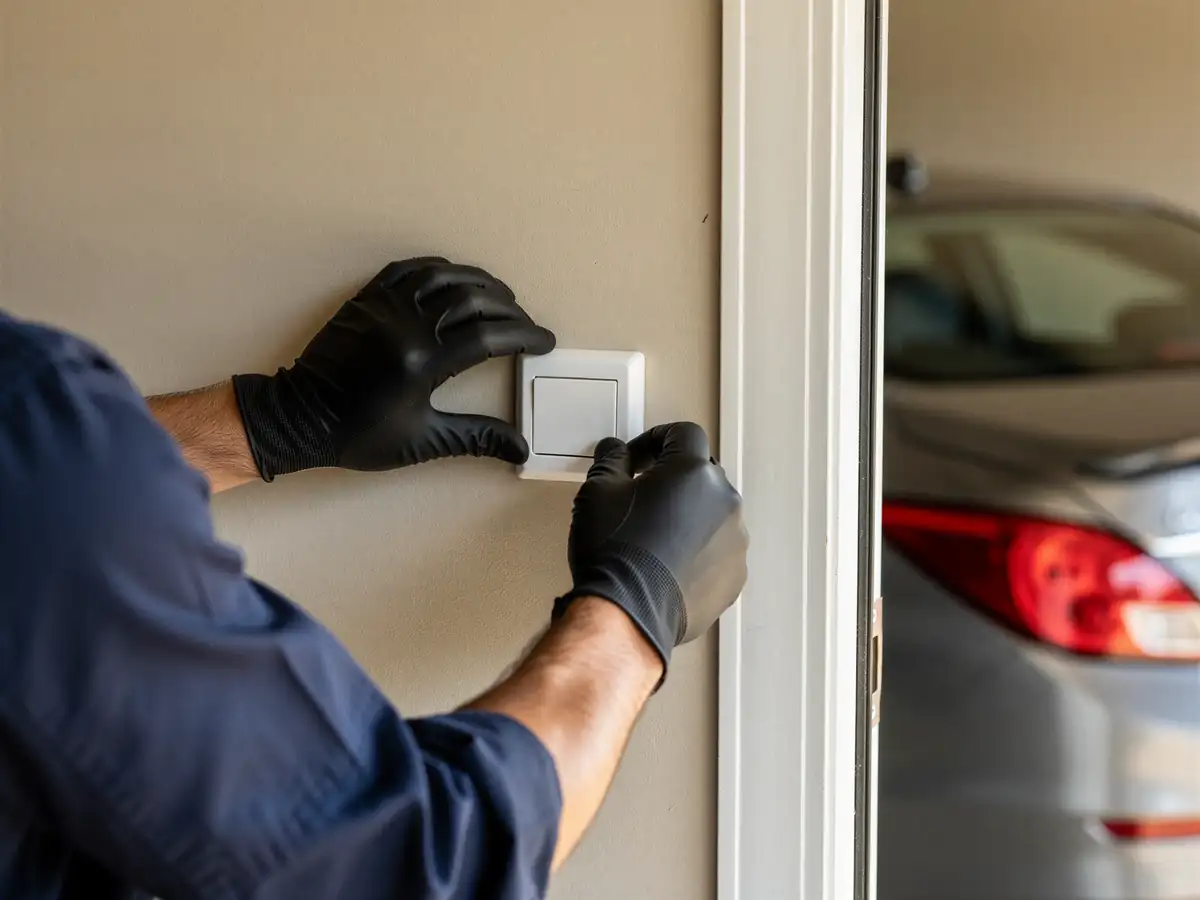
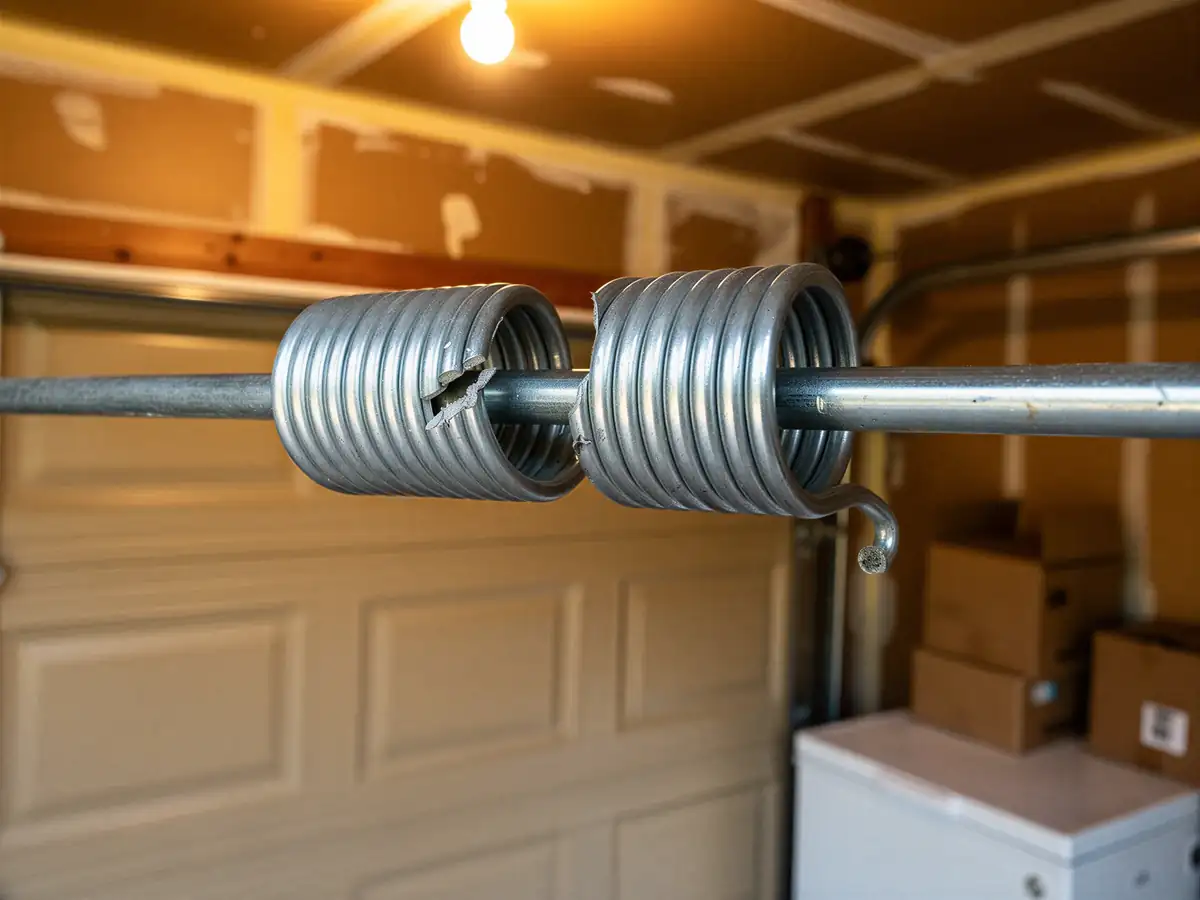
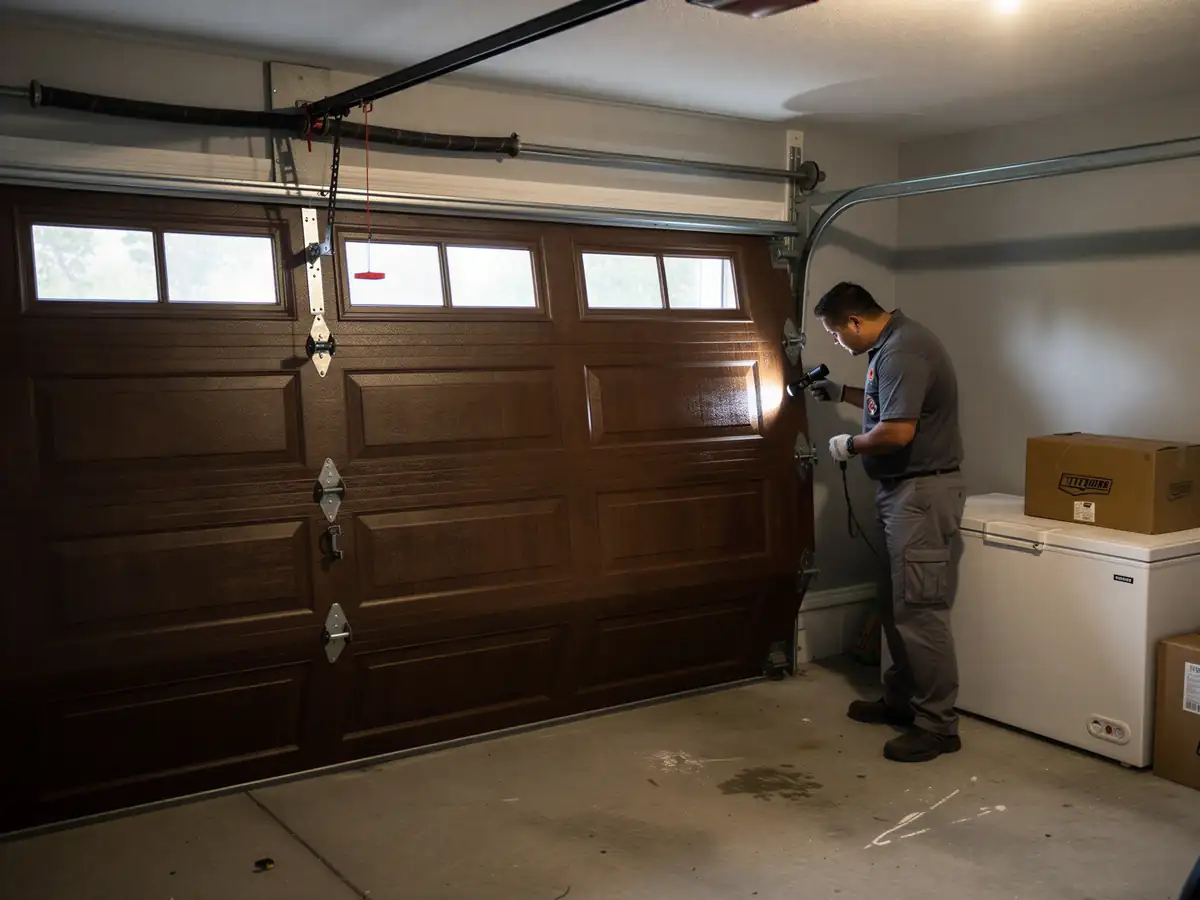
Owners call thinking the whole opener died because the light blinks and nothing moves, when the actual fault is a board that can't talk to the safety sensors anymore. On a motor that old, replacing the board sometimes costs close to a new unit, which changes the math on repair versus swap. We'll tell you straight which way it leans once we're looking at the model and the wear on the rest of the hardware - the opener rarely fails alone when the house is pushing two decades on its original gear.