What the Fix Involves
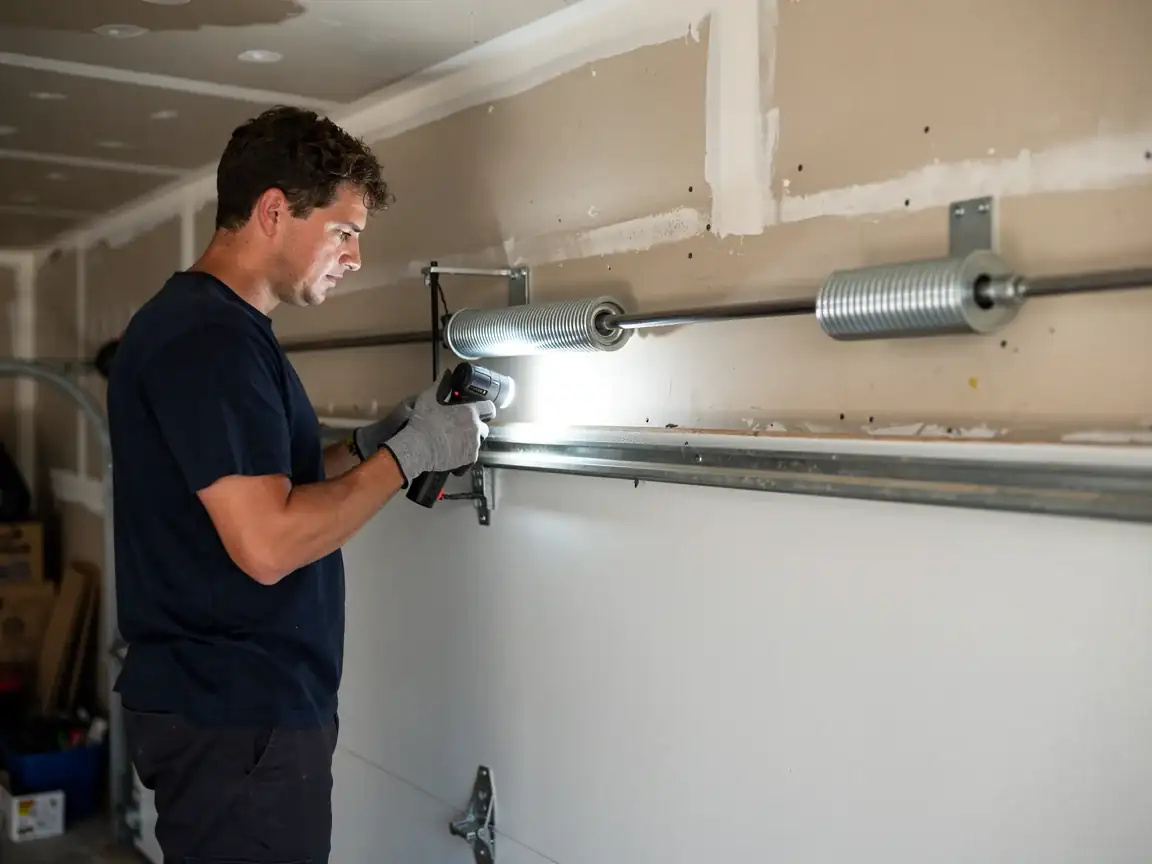
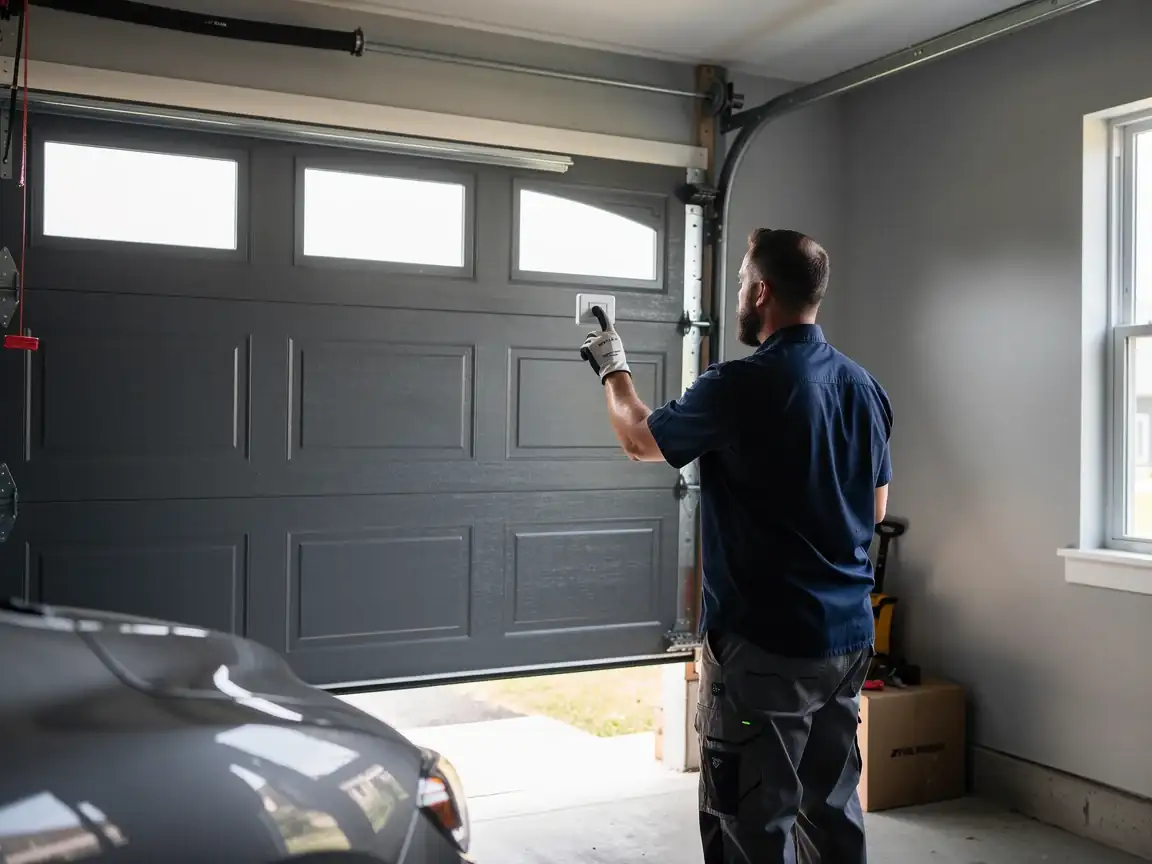
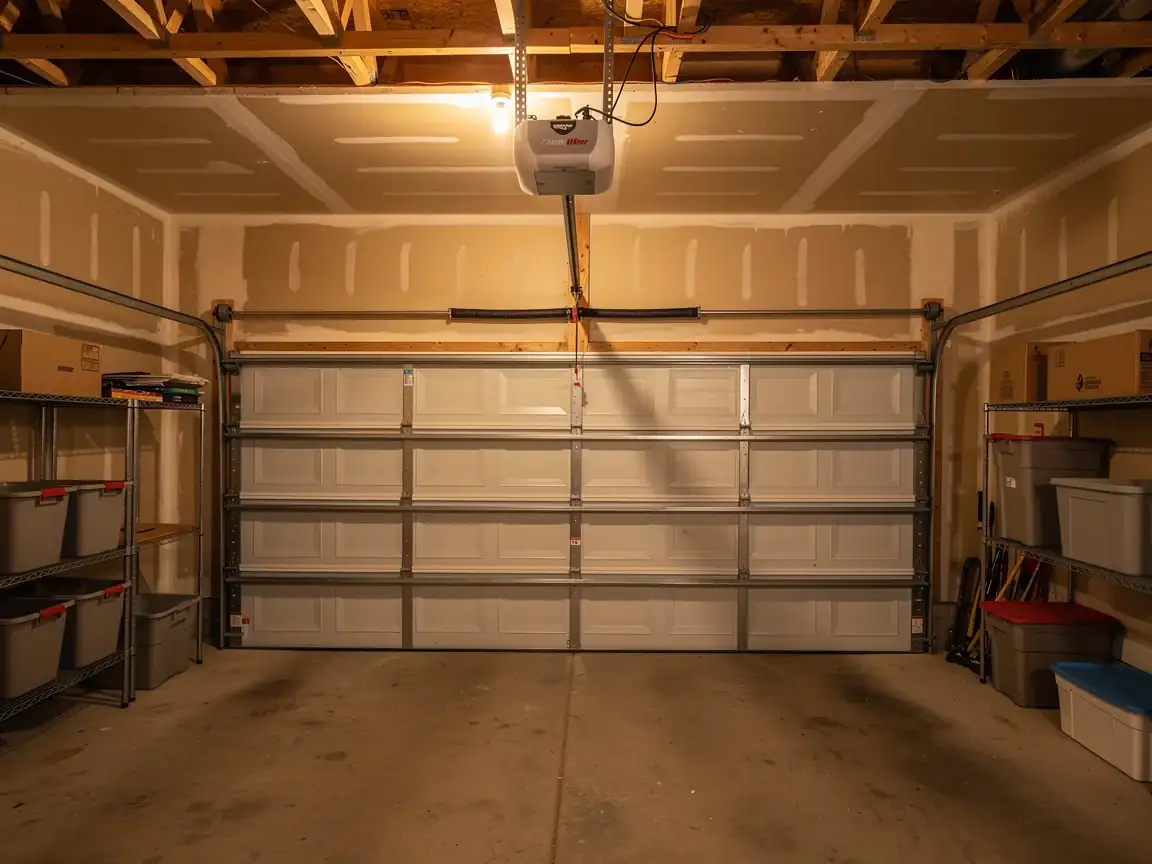
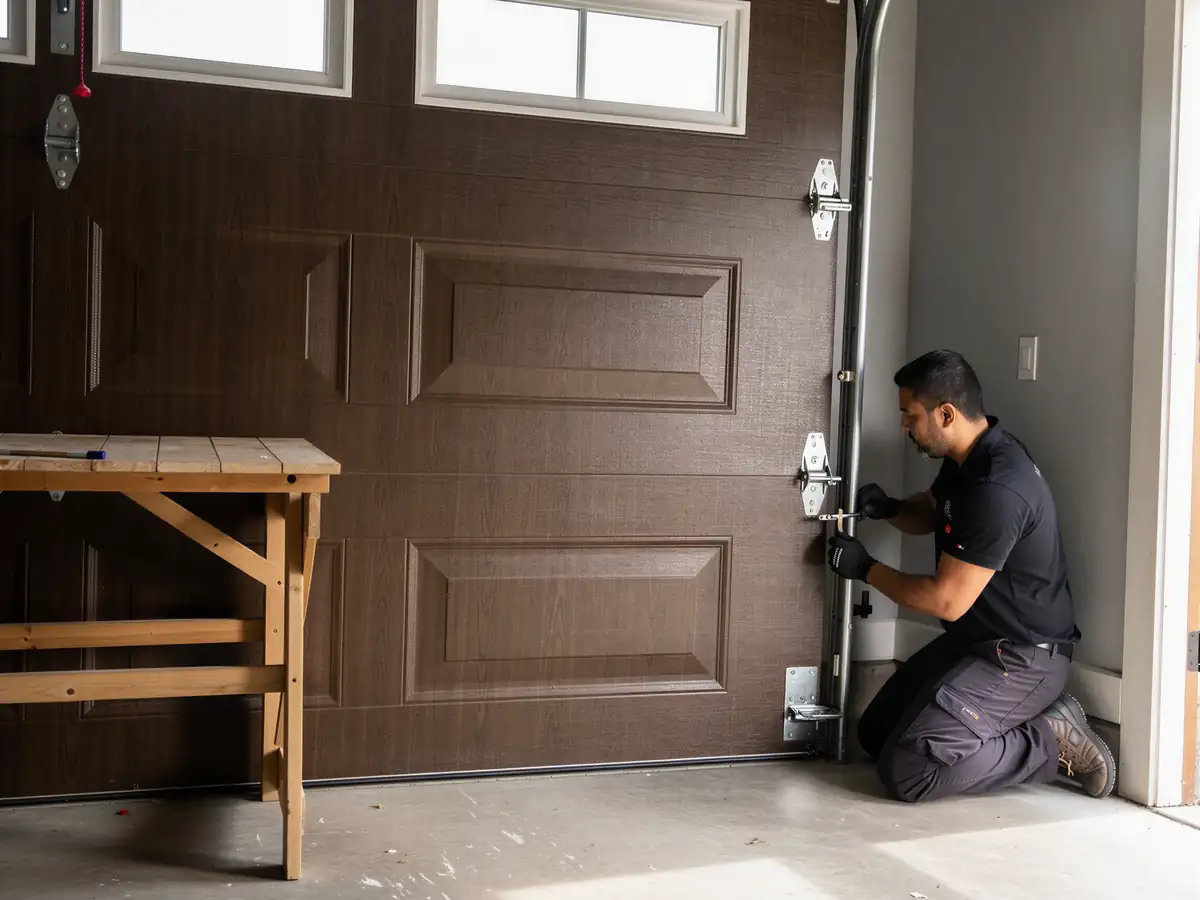
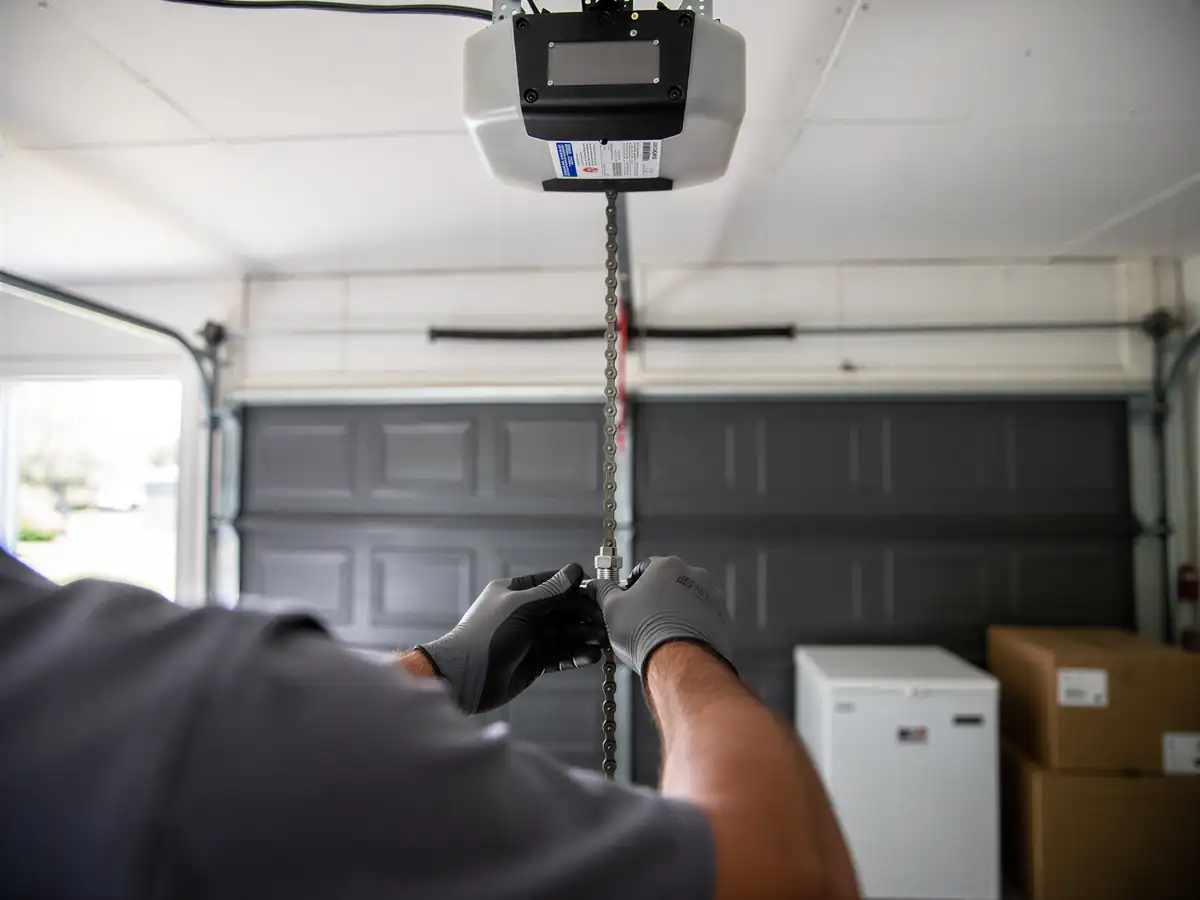
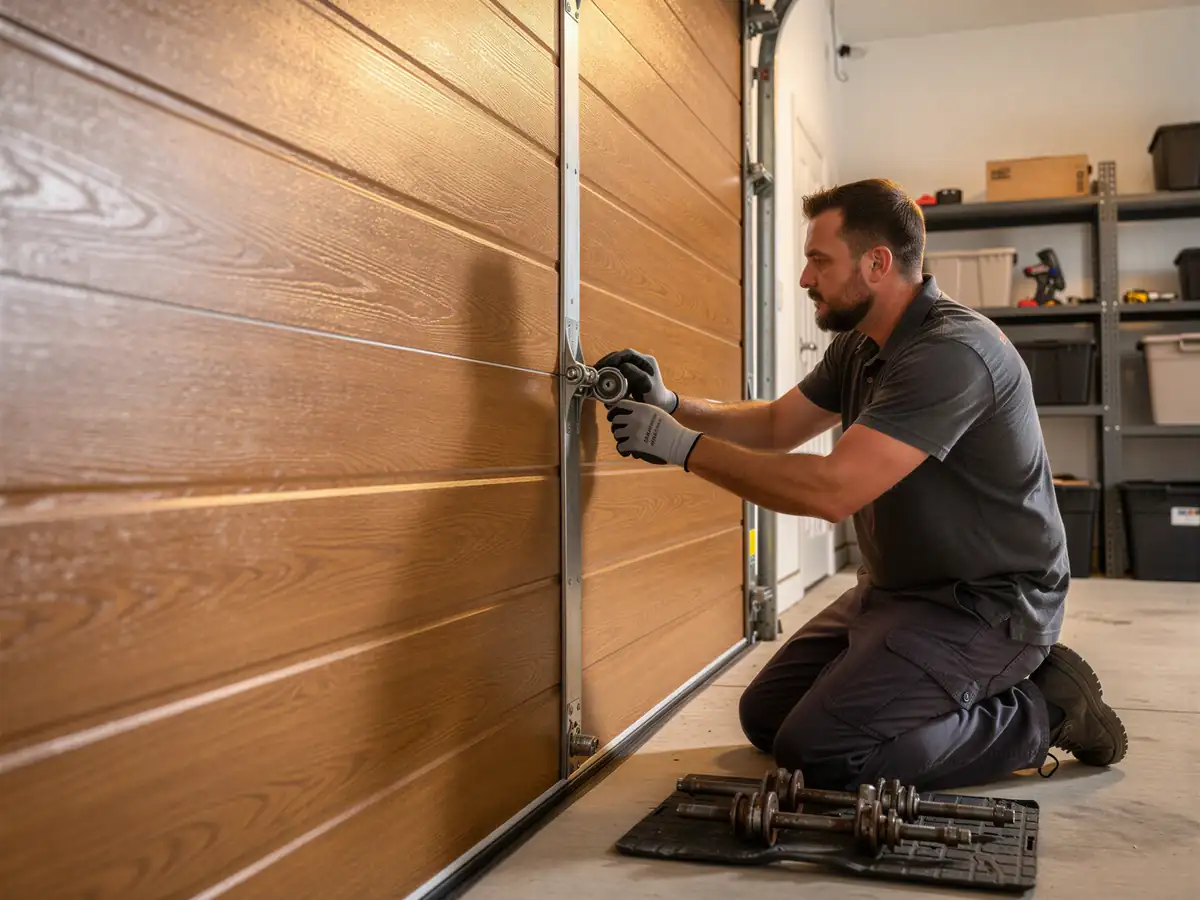
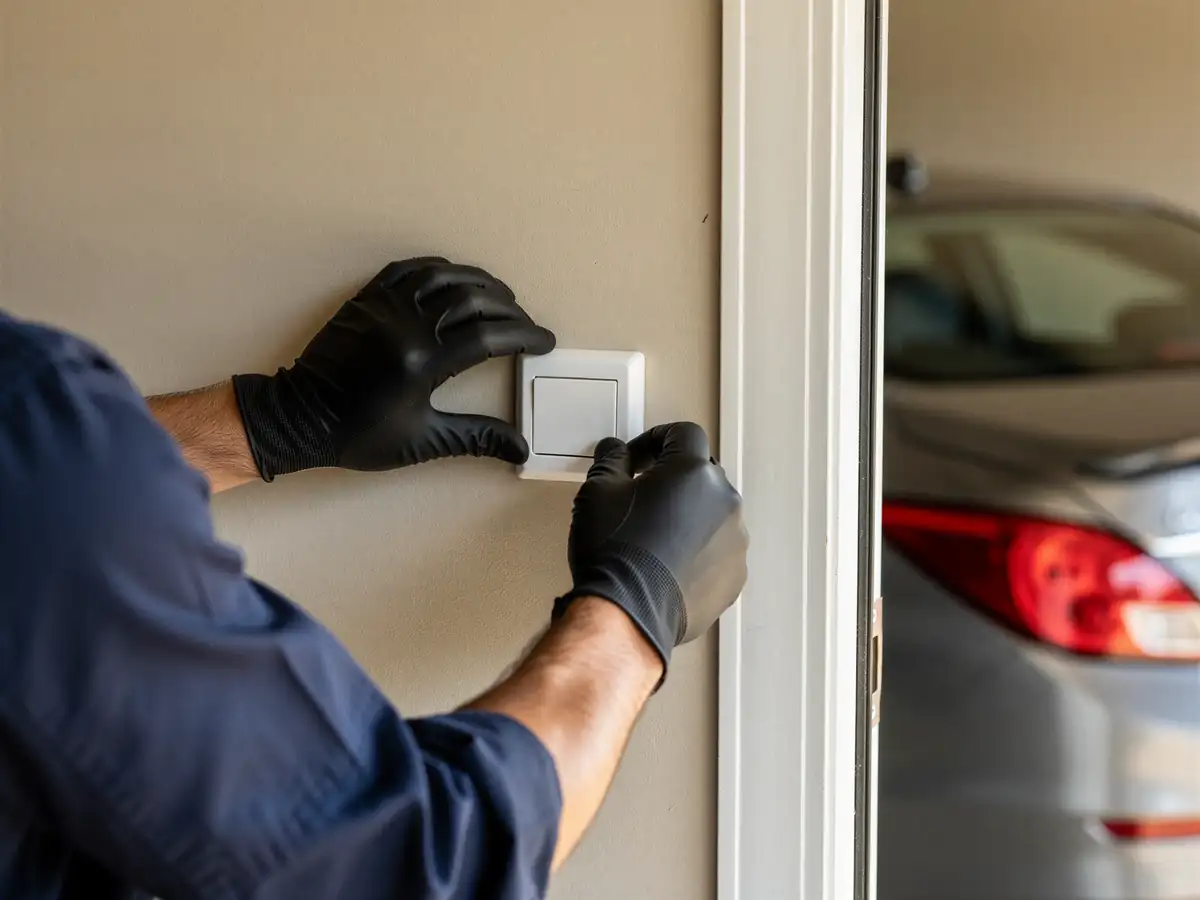
Pulling the old opener head off the rail and the two sensor eyes near the floor on each side of the track. Checking whether the existing rail and mounting bracket are still square - on a house this age they usually are, since the frame hasn't had twenty-plus years to settle out of true. Then it's wiring in the new logic board, setting the travel limits, and testing the photo-eye reversal with a 2x4 laid flat under the door, which is the standard safety check, not a formality. On homes in this part of the service area, we also check whether the existing door is insulated - if it is, a heavier-duty motor setting keeps the opener from straining on cold mornings. Battery backup is worth discussing too, given winter outages aren't rare this far from the coast. One thing the fix does not involve: replacing the door itself unless something else is wrong with it. An opener swap on a sound door is a few hours, start to finish.
Time on the Job
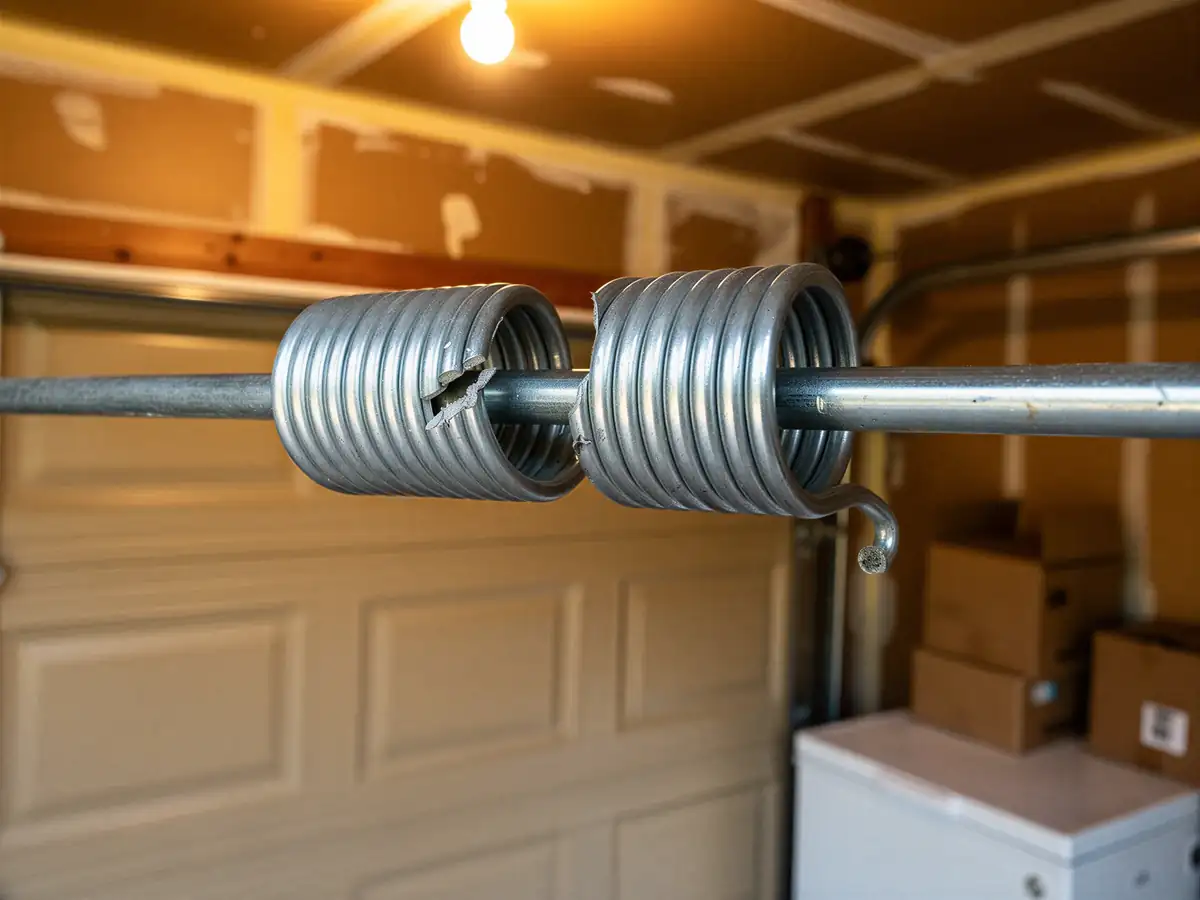
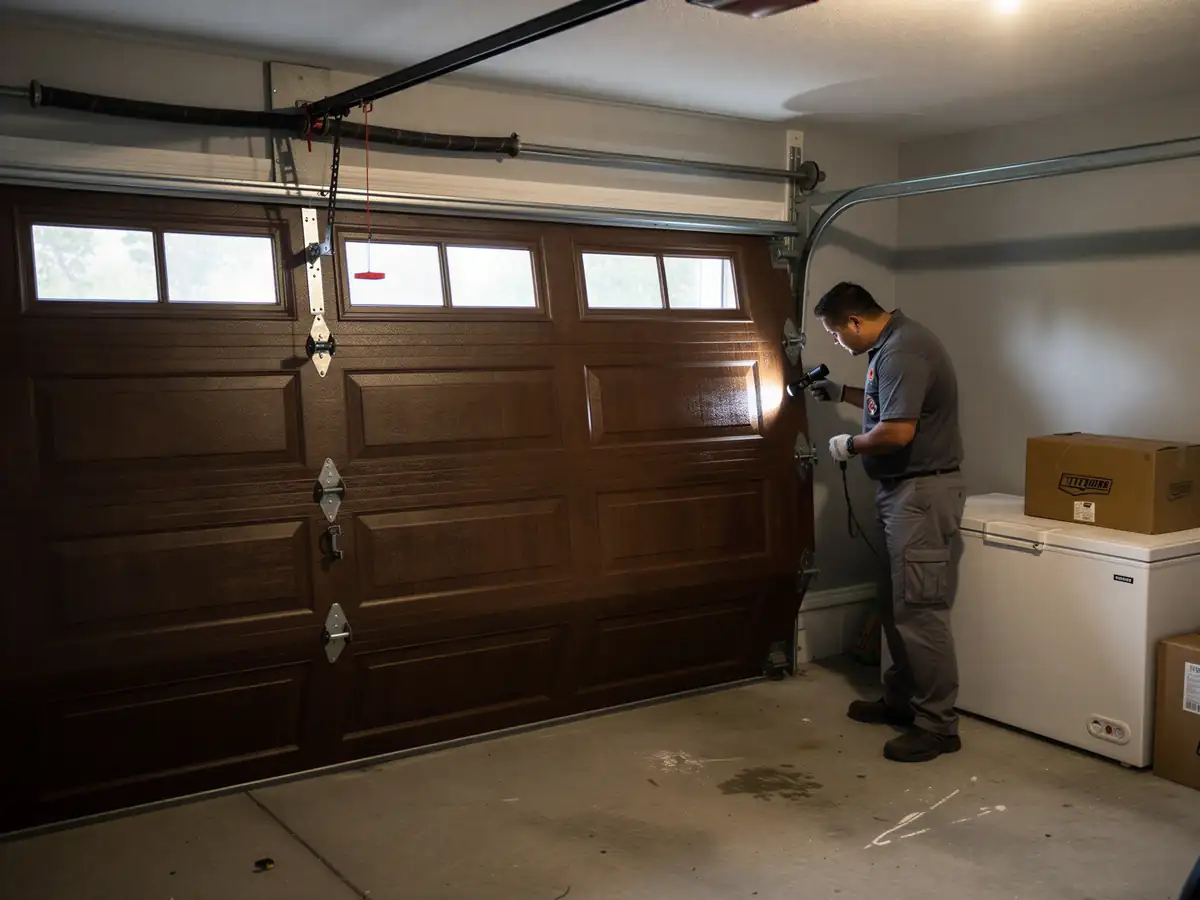
A straight opener replacement on a house with existing factory brackets and a square rail usually runs two to three hours, most of that spent on wiring, travel calibration, and testing the safety reversal under load. Add time if the existing rail is bent or the wall bracket has pulled loose from the framing - neither is common on a house built around 2001, but it happens if the opener was ever over-tightened to compensate for a worn spring. We don't carry every logic board or belt-drive kit on the truck for every job, since Locust is a fourteen-mile run from Concord and we plan the truck stock around what's scheduled that day. If a part isn't on hand, it's usually a short wait, not a lost afternoon - but it's worth knowing upfront rather than assuming same-visit completion on every call.
How It Shows Up
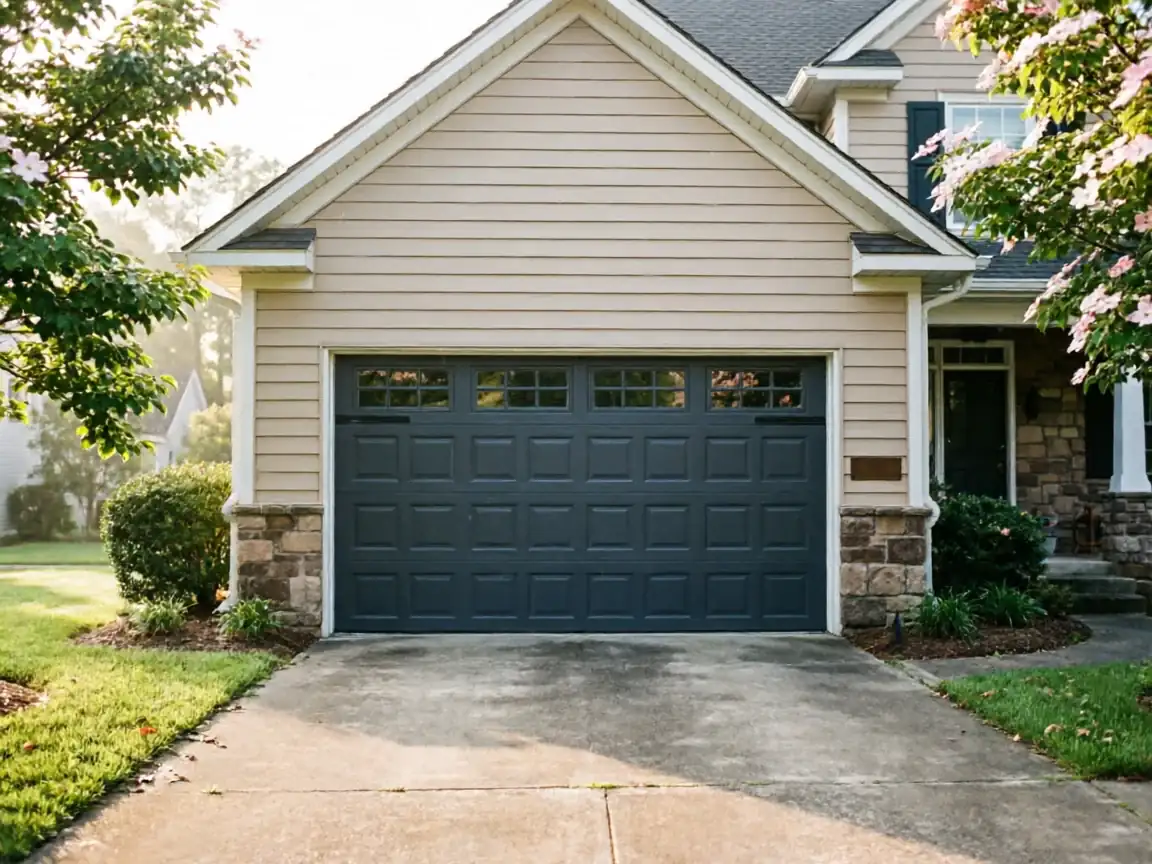
On a house built in 2001, the first opener failure usually shows up as noise before it shows up as a no-start. A grinding gear, a chain that slaps instead of runs smooth, a motor that hums but doesn't move the door - these point to wear in the drive mechanism rather than anything wrong with the door itself. Less common but worth watching for: a door that reverses mid-close with nothing blocking the sensors, which usually means the photo-eye alignment has drifted, sometimes from nothing more than a bump during lawn work or a parked bike leaning against the track. In homes this age, we don't often see rail sag or cracked header brackets - those show up more in the older stock closer to Concord itself. What we do see is remotes losing range as the receiver ages, which is a logic board issue, not a signal problem, and gets fixed at the same time as the rest of the unit.
What Causes It Around Here
Most of what wears out an opener in this stretch of the service area is simple age and winter cold rather than anything specific to soil or storms. The climate here runs cold-moderate, which means openers work harder in the coldest stretches of the year - grease thickens, belts lose a little flex, and a motor that's already near the end of its life struggles more on a 20-degree morning than it does in July. Household incomes in Locust run close to $78,280, in line with the roughly $79,765 median across the wider service area, which tends to track with when people replace rather than patch - most calls here are for full opener swaps, not partial repairs, since the units are old enough that a repair buys very little time. None of this is storm damage or soil movement; it's a motor built in 2001 reaching the end of a normal service life in a climate that doesn't go easy on it.