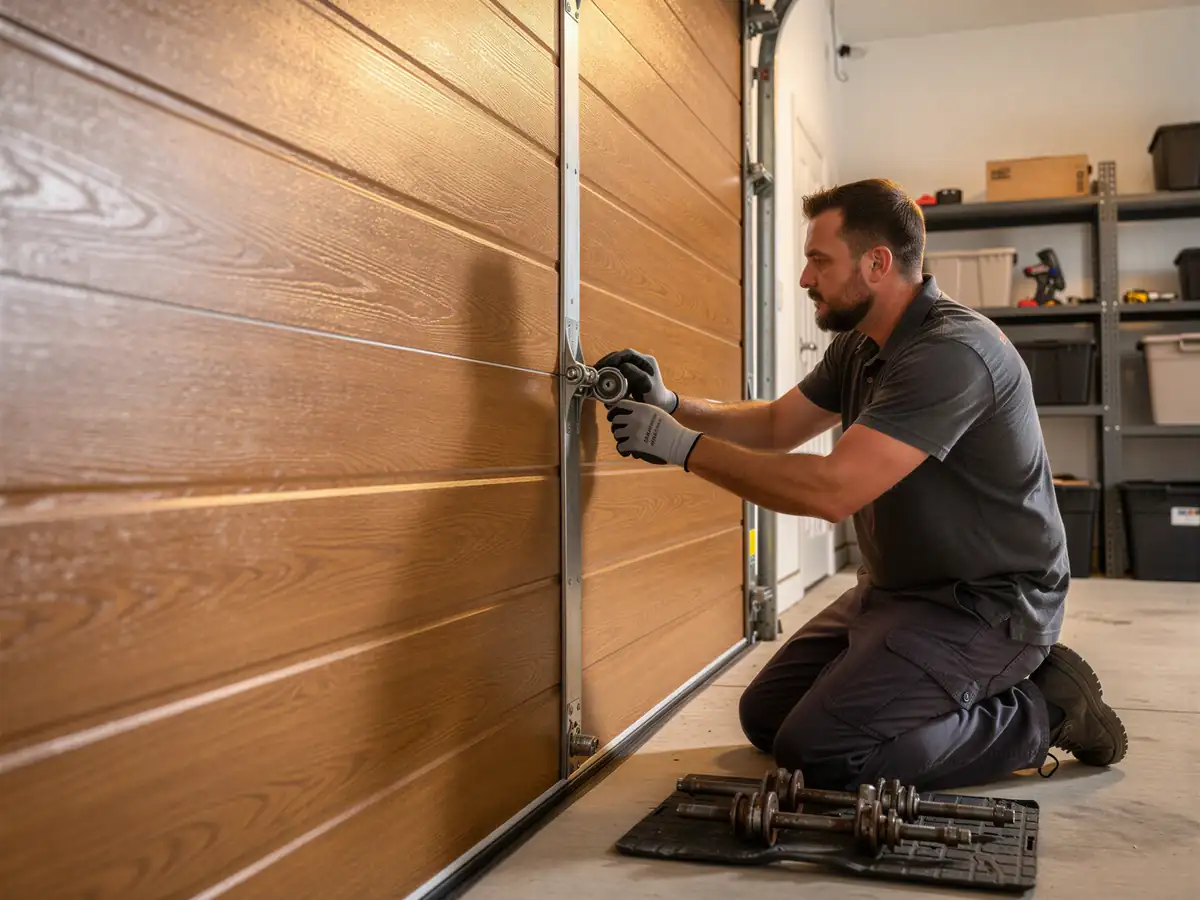
What the Fix Involves
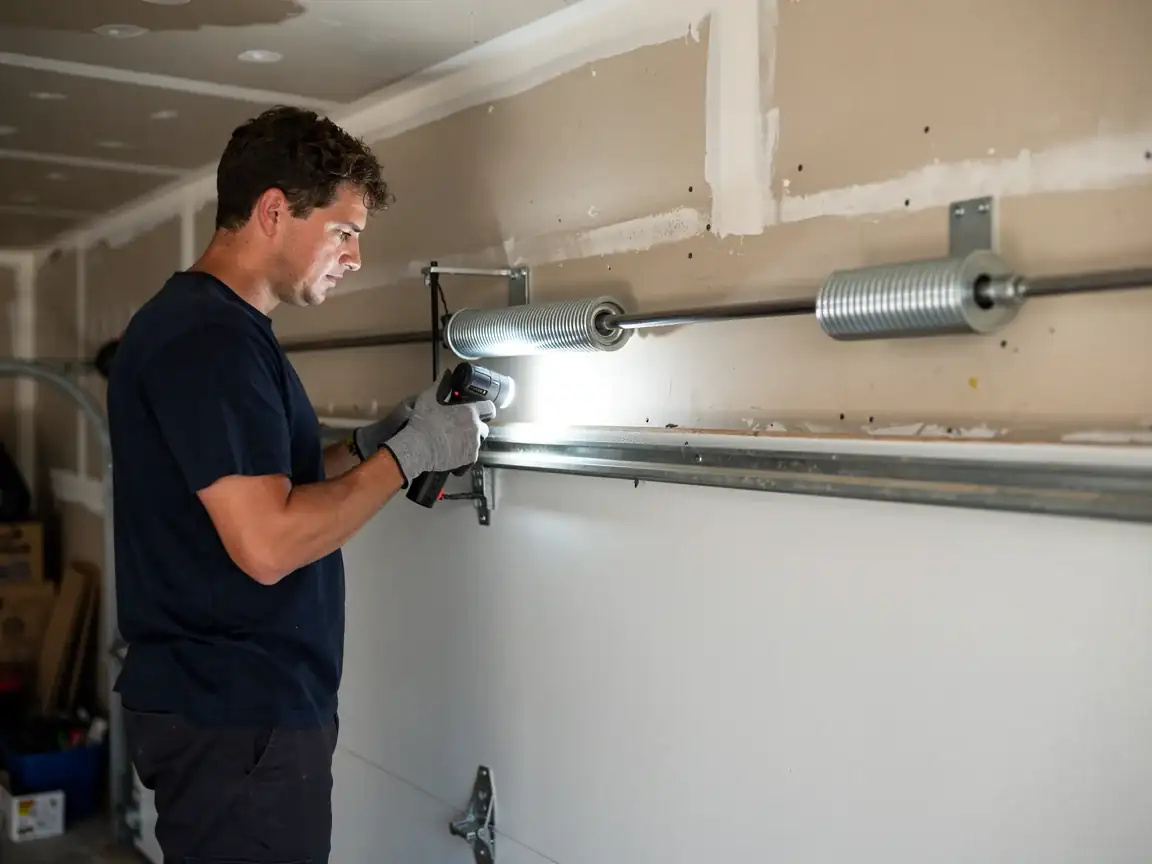
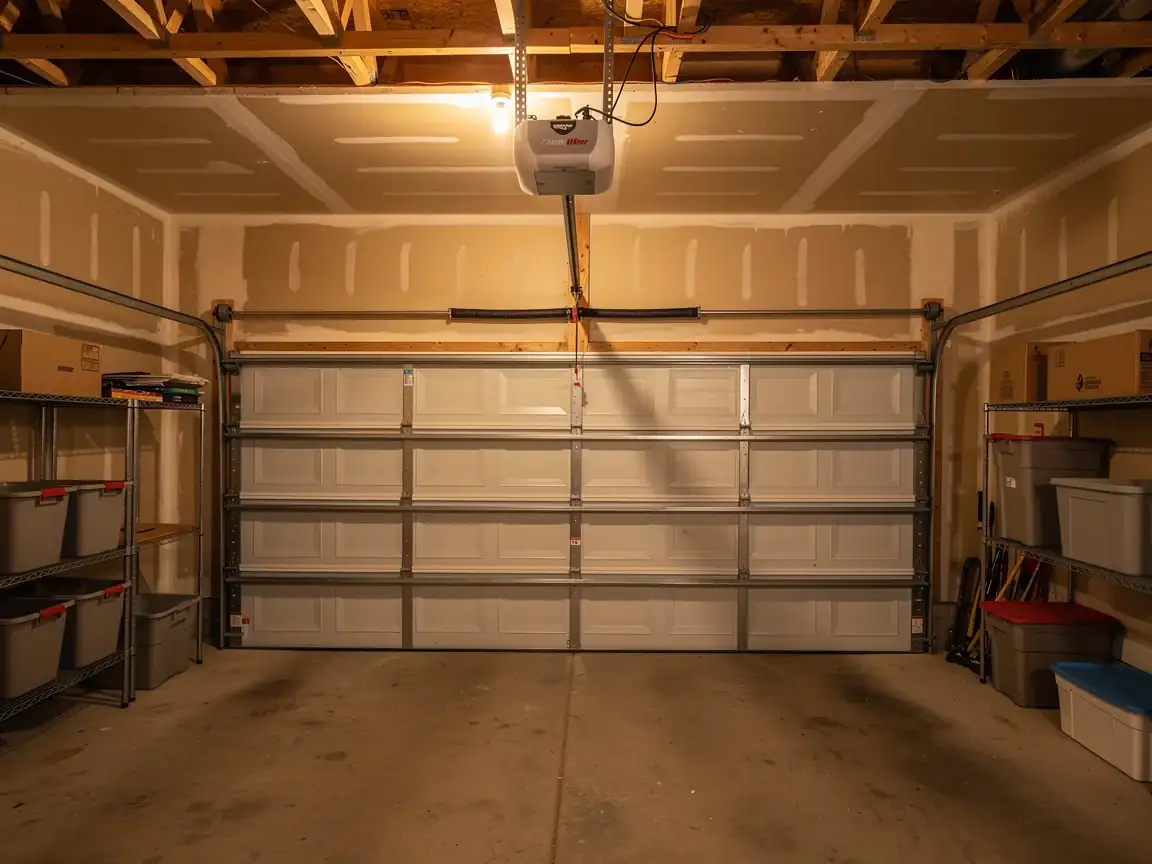
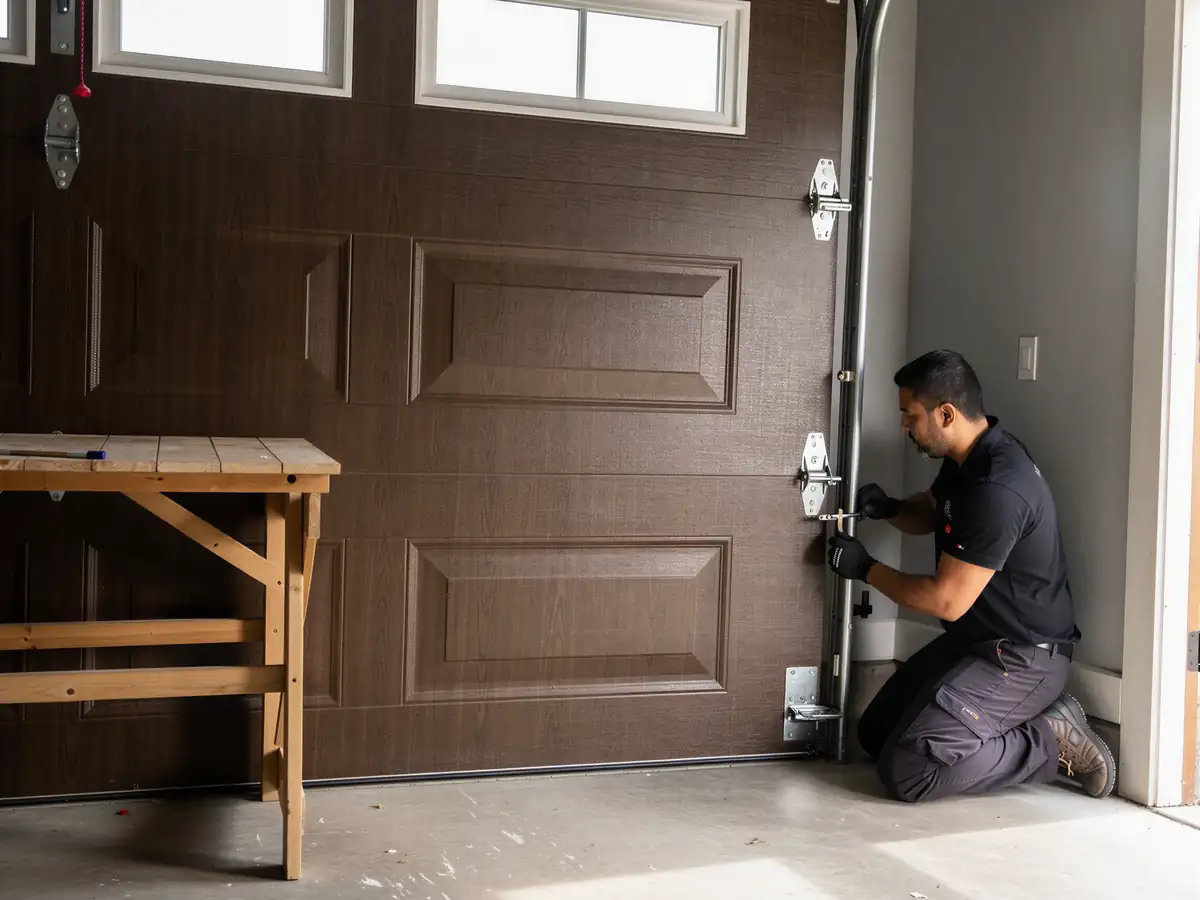
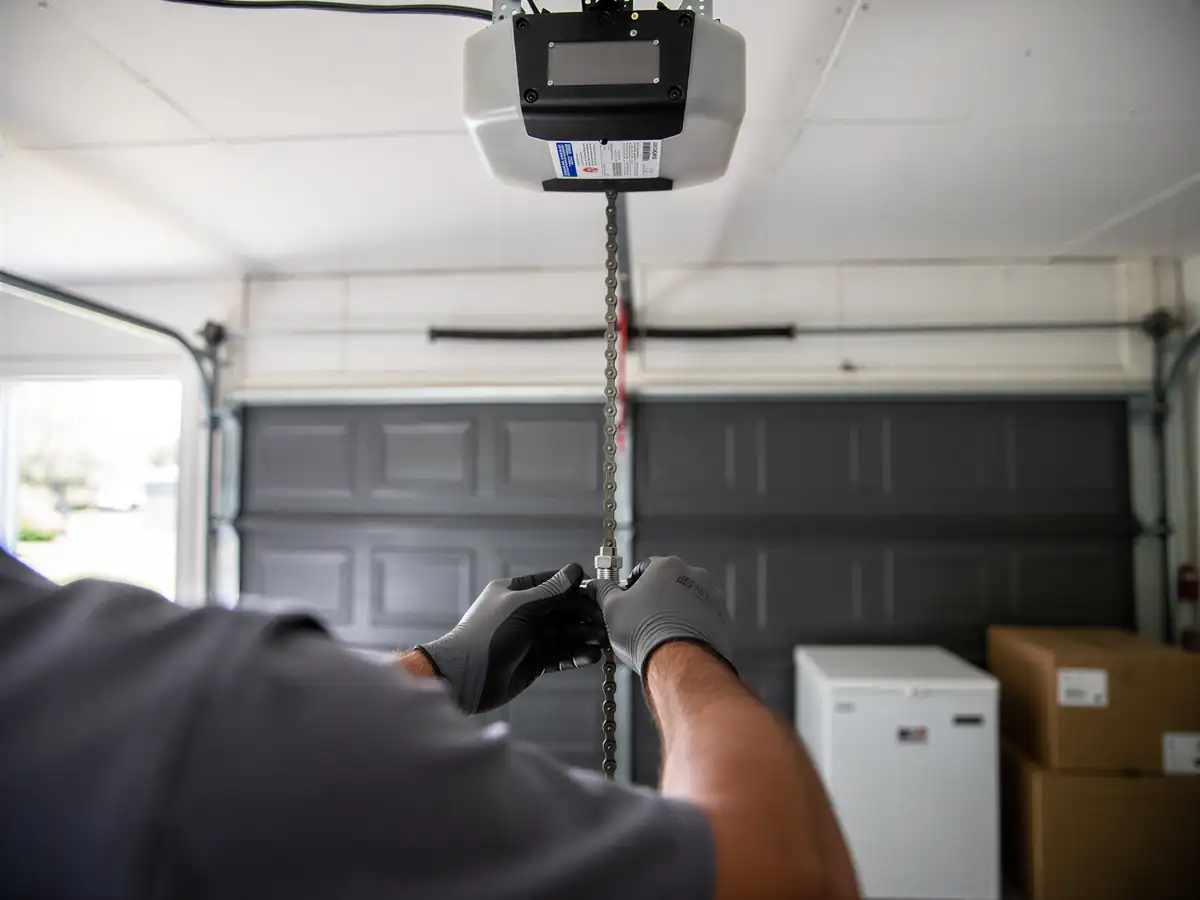
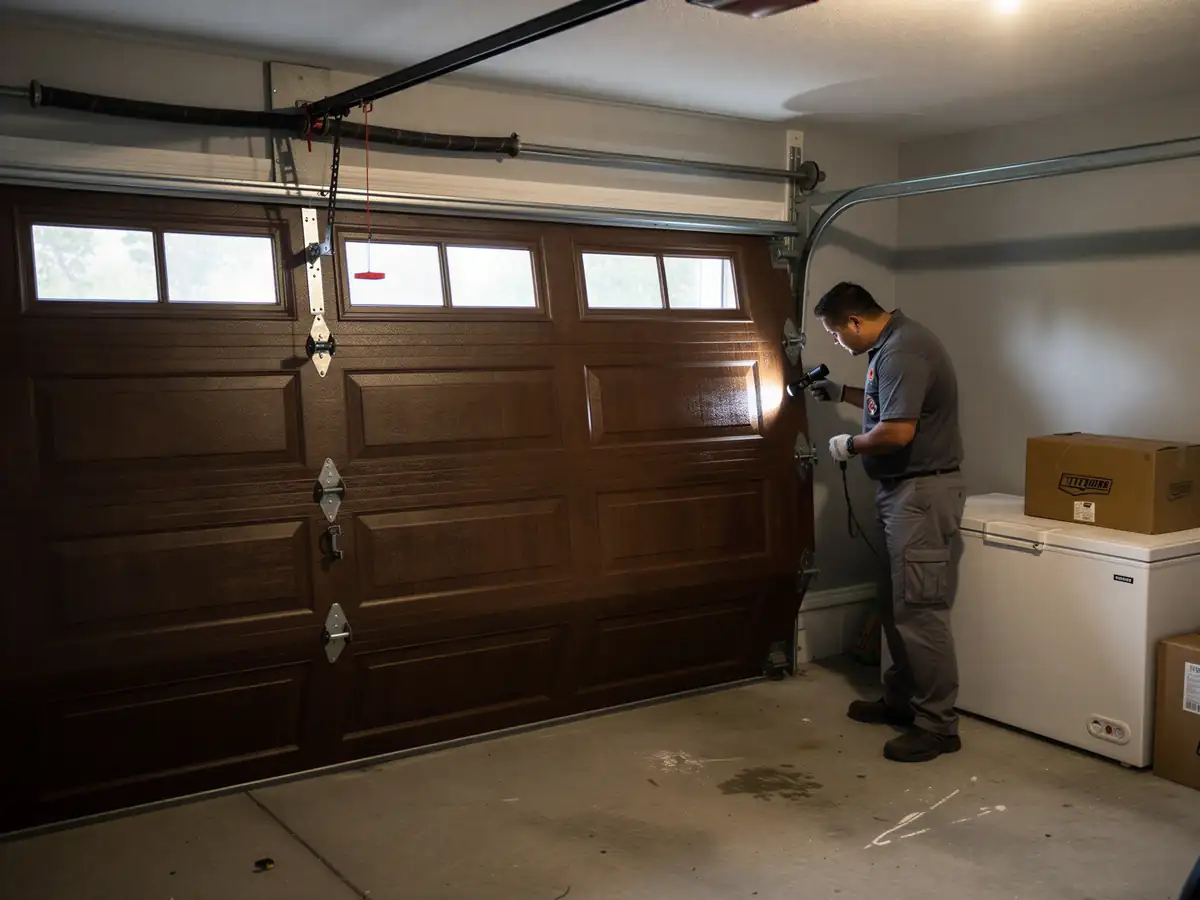
We pull the old rollers one at a time, never all ten or twelve at once, so the door stays supported in the track the whole time. On a door this age we're almost always finding plastic stems with no bearing, sometimes already split at the neck. Replacement is nylon rollers with sealed bearings, which is a different animal from what shipped with the house in 2001 - quieter, and they don't flat-spot from sitting in one position for a week while you're out of town. We check the track alignment at the same time, because a track that's been riding a worn roller for a year or two usually has a slight bow in it near the bottom bracket, and a new roller in a bent track just wears the same way again. If a stem has already sheared and the roller's wedged in the track, that's a different kind of job and we'll tell you before we start, not after.
Time on the Job
A full set of roller swaps on a standard double door runs about an hour once we're there, sometimes less if the track is straight and nothing's bent. Add time if a bracket needs to come off to clear a bent roller stem, or if the door's been dragging long enough that the opener's travel limits need resetting afterward. We're coming from Concord, so plan around the drive - this isn't a job where a tech happens to be two streets over.
How It Shows Up
The first sign is usually sound, not motion - a grinding or clicking as the door travels, worse at the top of the track where the roller takes the curve. In a cold snap, which this area gets a moderate dose of most winters, a worn nylon stem can get brittle enough to crack on a cold morning when the door's first opened. You might also notice the door hesitating or jerking at one specific point in the travel every single time, which usually means one roller is bad rather than the whole set - that's actually the easier repair, since we're not pulling every roller on the door.
What Causes It Around Here
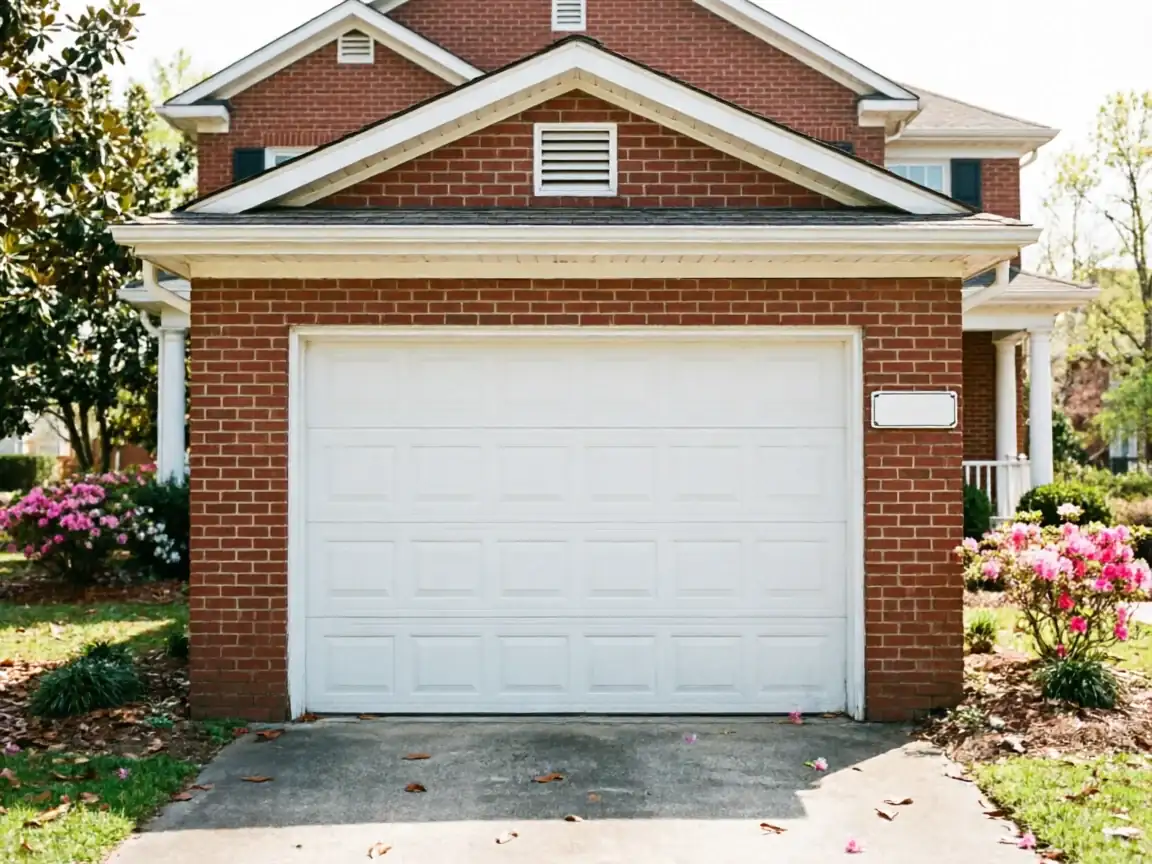
With most houses in Locust dating to right around 2001, the common thread we see isn't storm damage or a one-time accident - it's just the original hardware finally giving out after two decades of regular use. Plastic rollers from that build era weren't made to last the life of the door, and most owners never think about them until one fails outright. The moderate cold winters in this part of the state add a second factor: a stem that's already thinning from wear is more likely to snap on a cold morning than a warm afternoon, since cold plastic loses some flex.