Doing It Yourself
There's a short list of things worth doing on your own
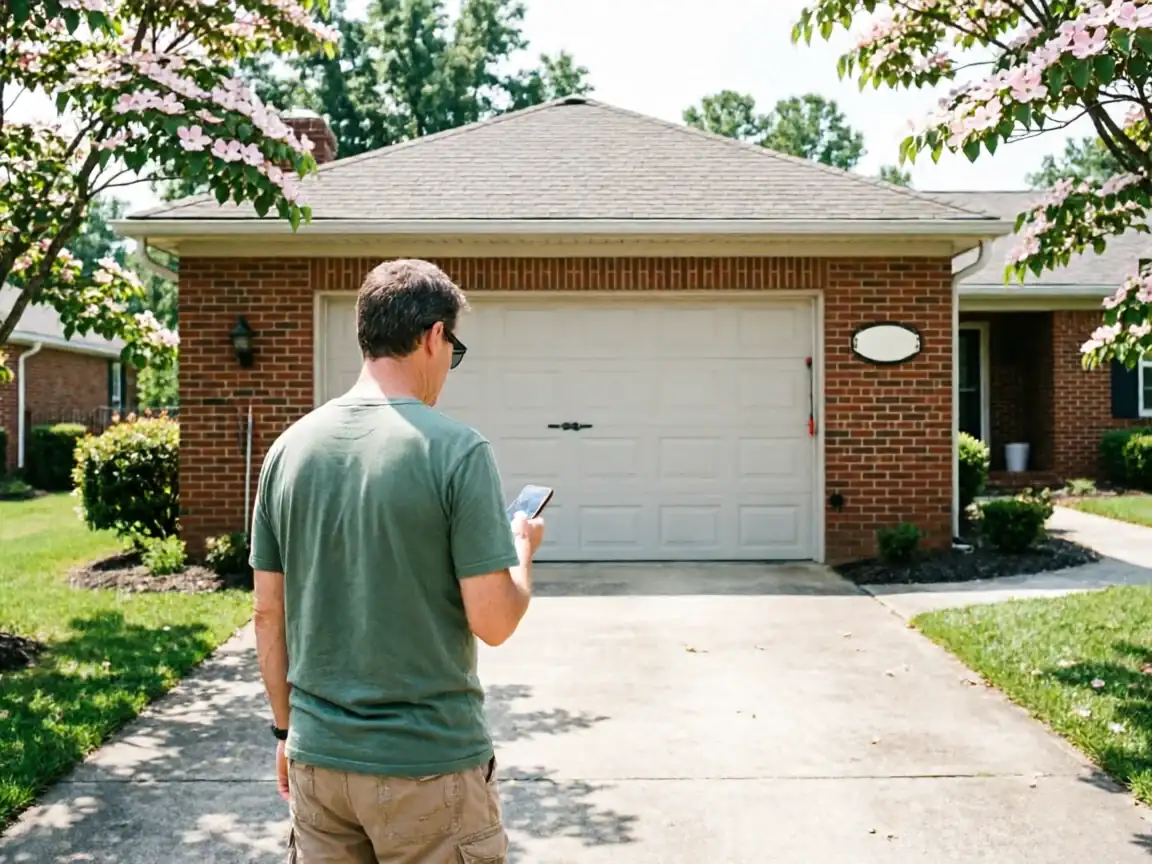
Lubricating rollers and hinges twice a year, checking that the auto-reverse still works by setting a 2x4 under the door, tightening loose bolts on the track brackets, and clearing the photo-eye sensors if they're caked with pollen or dust. Those take fifteen minutes and cost nothing.
What's not worth doing yourself is anything involving the torsion spring or the cables under tension
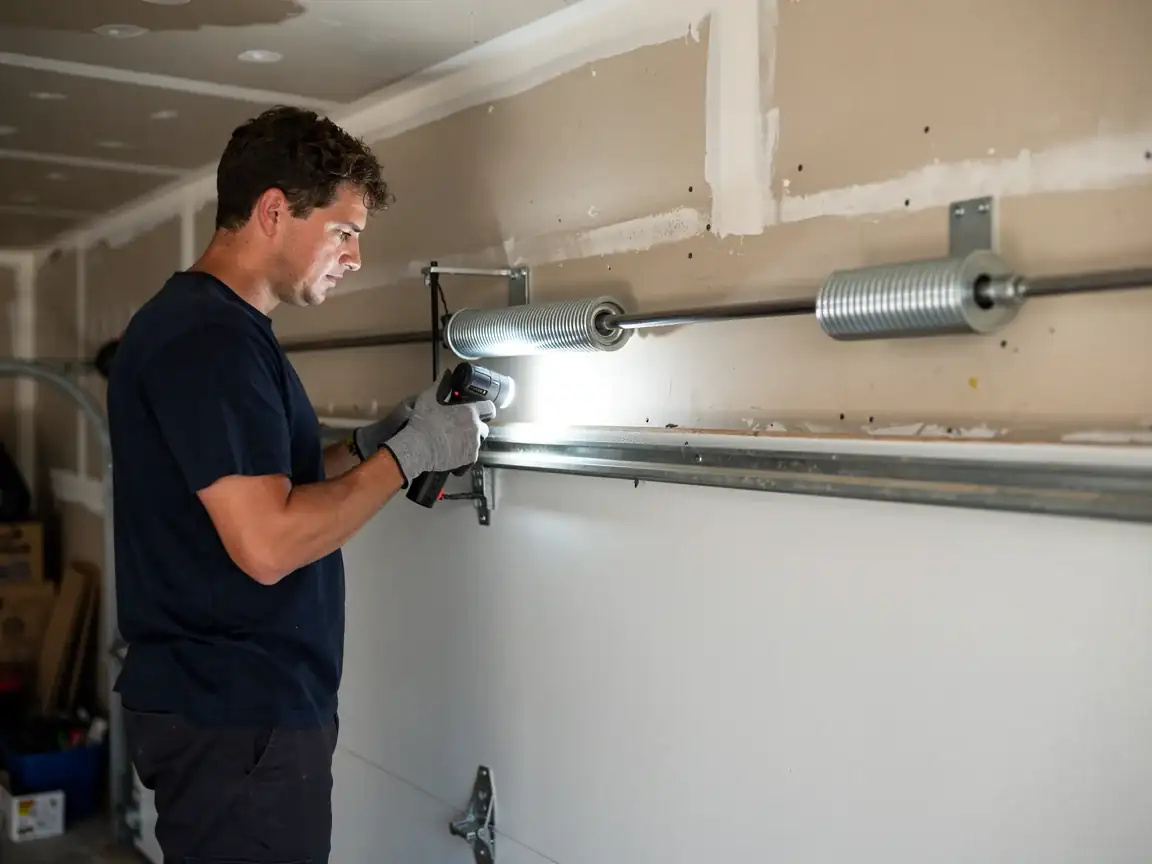
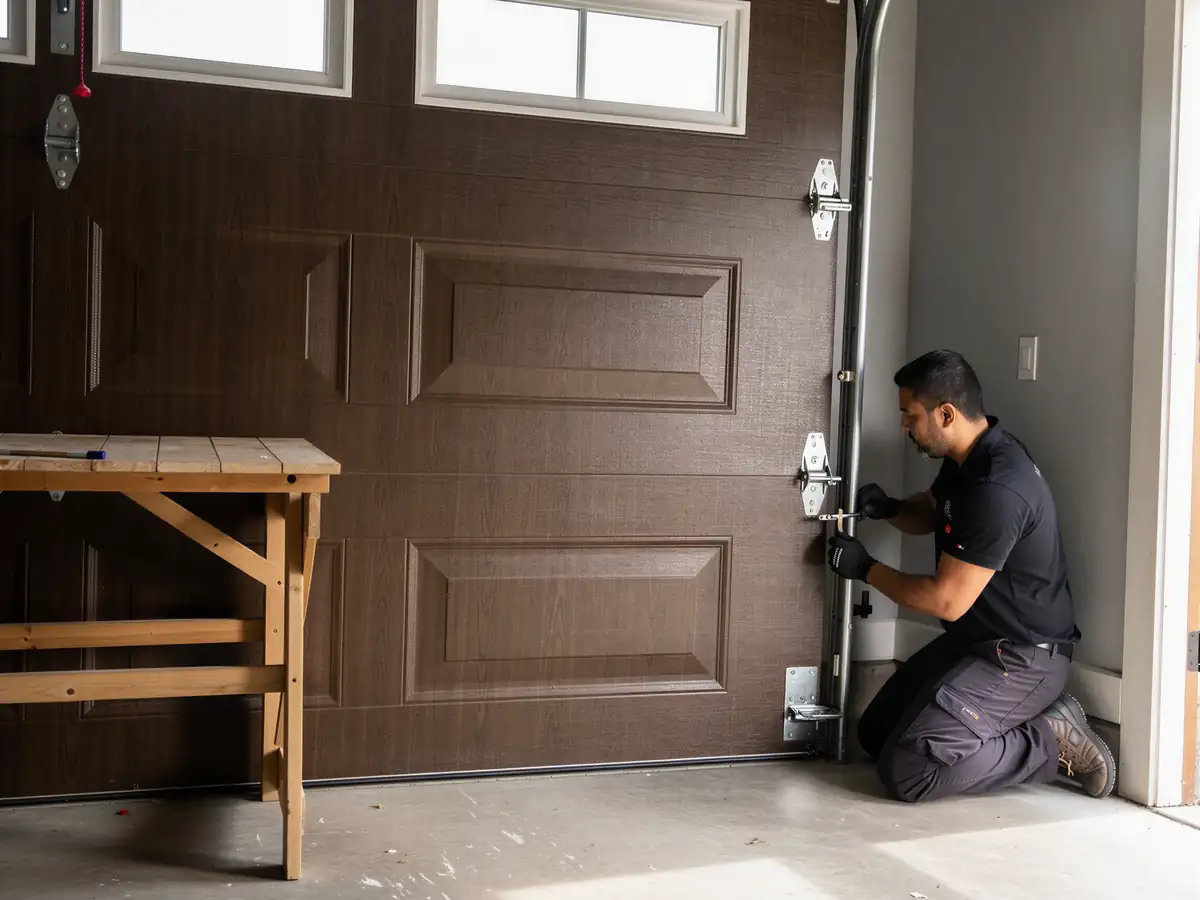
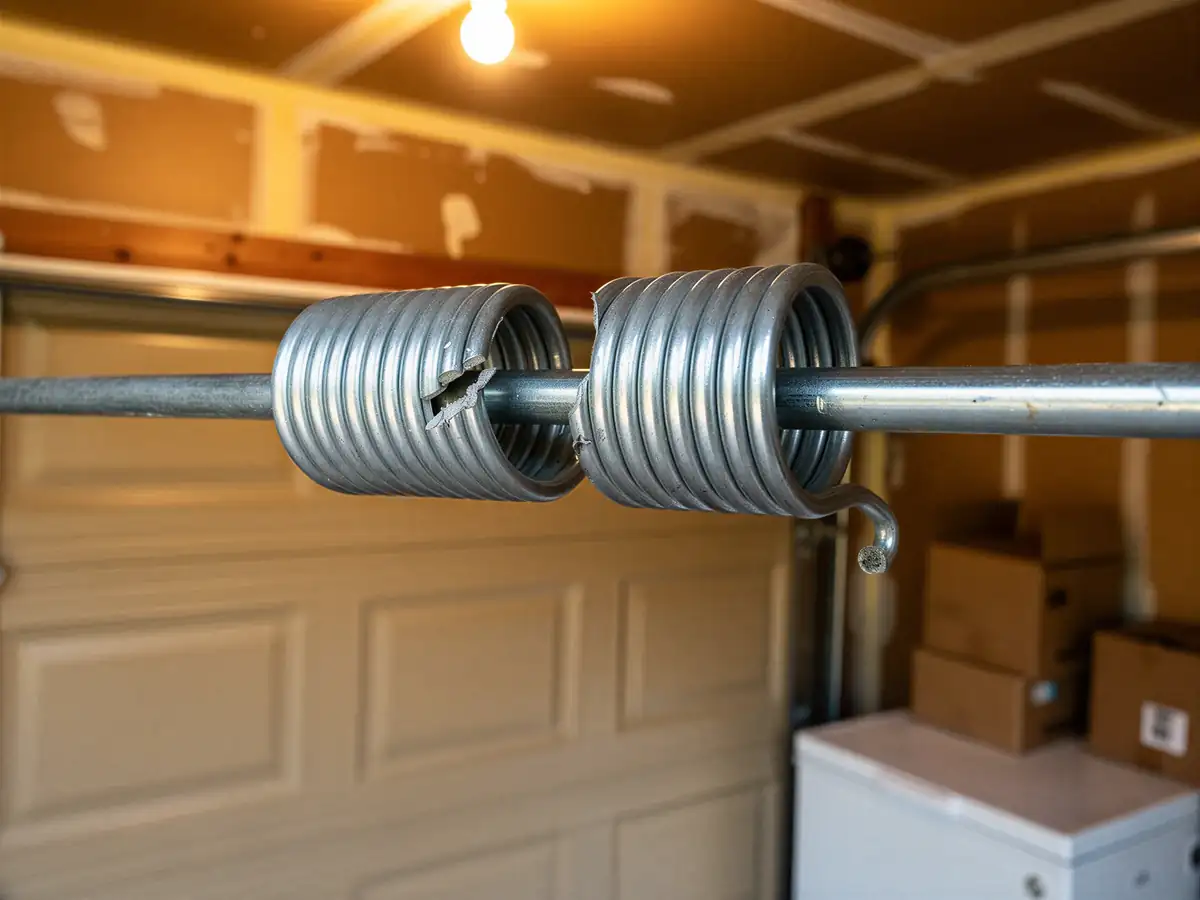
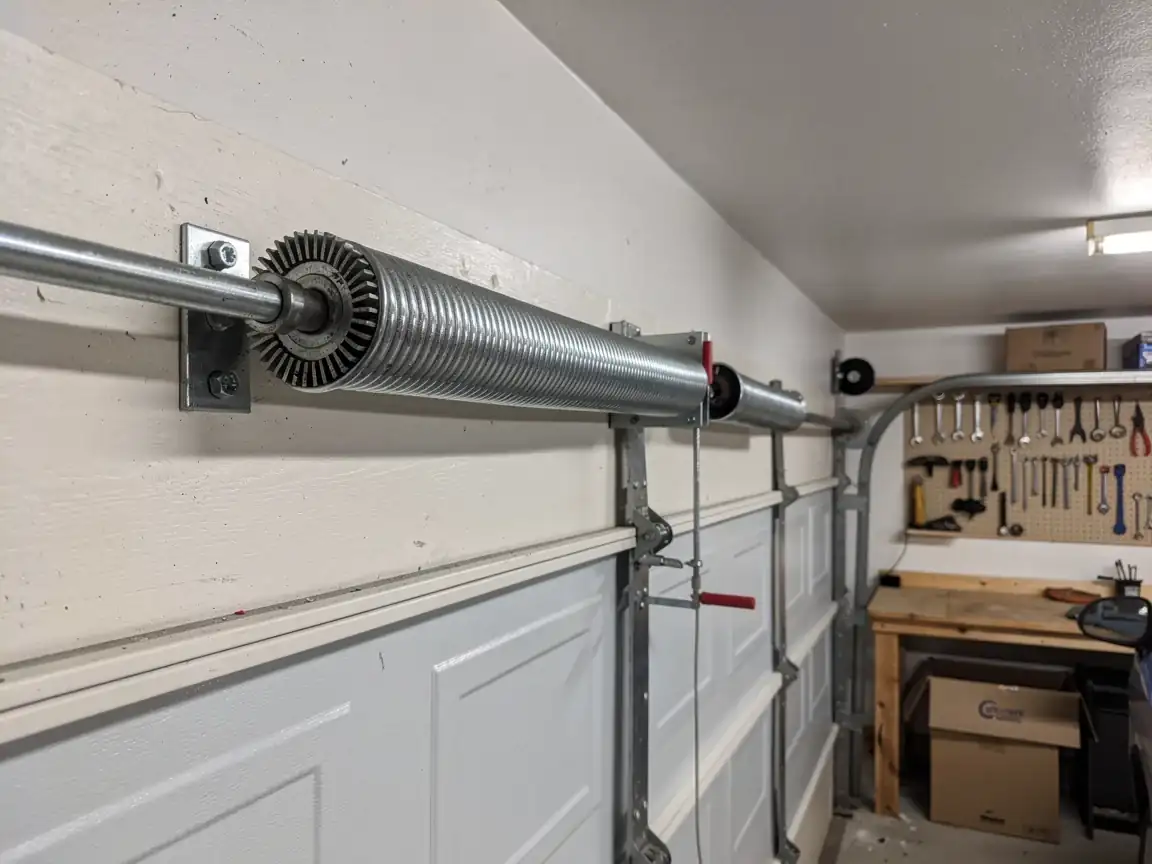
A door built on the stock common across Concord's 1980s and 90s-era subdivisions usually runs a single torsion spring rated for the door's weight, and if that spring lets go while you're adjusting the winding cone, it can take a finger or an eye with it. We're not saying that to upsell a truck visit - we're saying it because it's the one repair on a garage door that genuinely isn't a weekend project, no matter how many videos make it look easy.
If your opener is just noisy or slow to respond, that's usually a worn drive gear or a logic board on its way out
And either one is a part-swap job, not a spring job. Know the difference before you start pulling things apart.
How It Shows Up
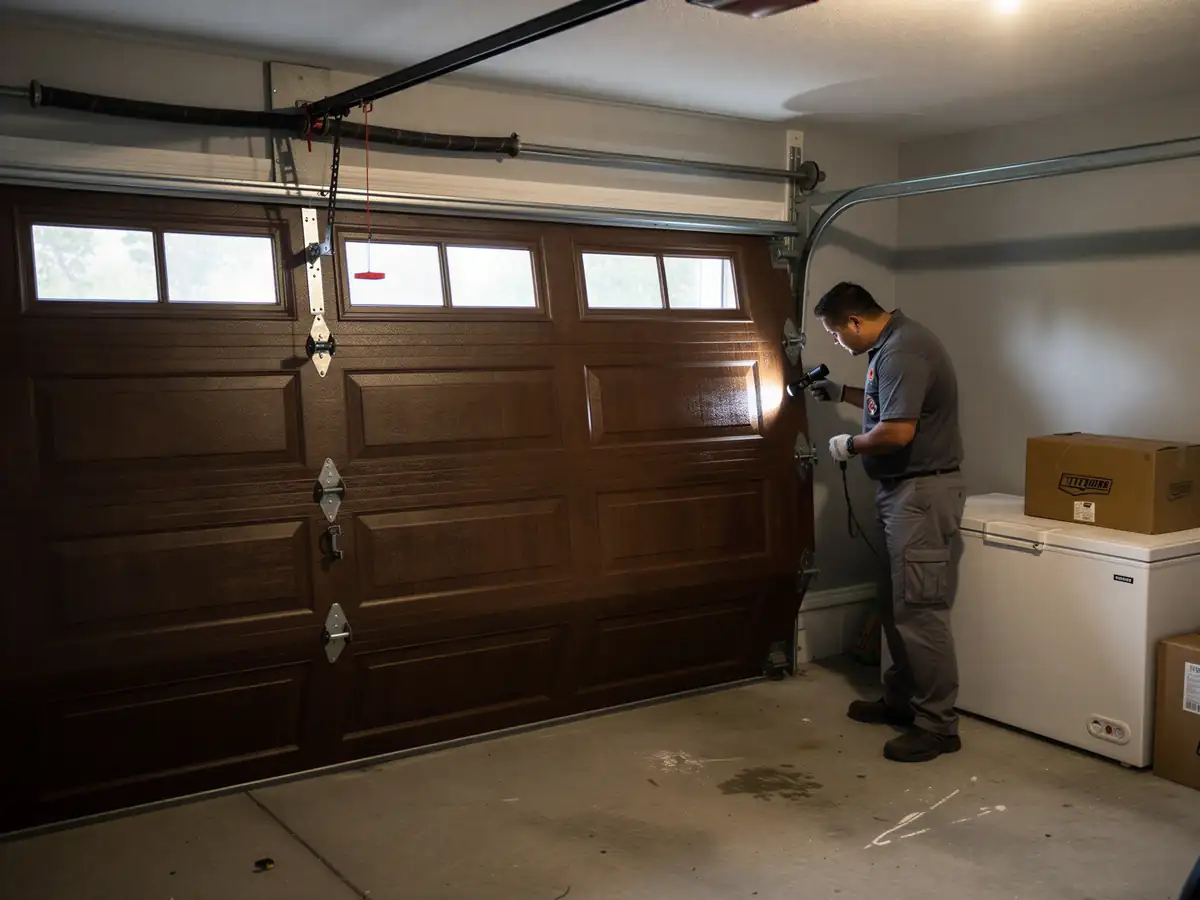
Most calls start the same way: the door won't open, or it opens about a foot and stops. On a torsion spring failure you'll hear a bang from the garage - loud enough that people think something fell - and then the opener struggles against a door that now weighs what it actually weighs without spring assist. On the cable side, you'll see a cable wound loosely or bunched at the bottom bracket instead of laying flat against the drum.
On houses built before the mid-1990s, which make up a good share of Concord's 41,230 owner-occupied houses, the symptom is sometimes slower to show: the door starts sagging unevenly, one corner lower than the other, weeks before anything actually breaks. That's the track pulling away from original lag-bolt mounts that were never meant to hold forty years of daily cycling.
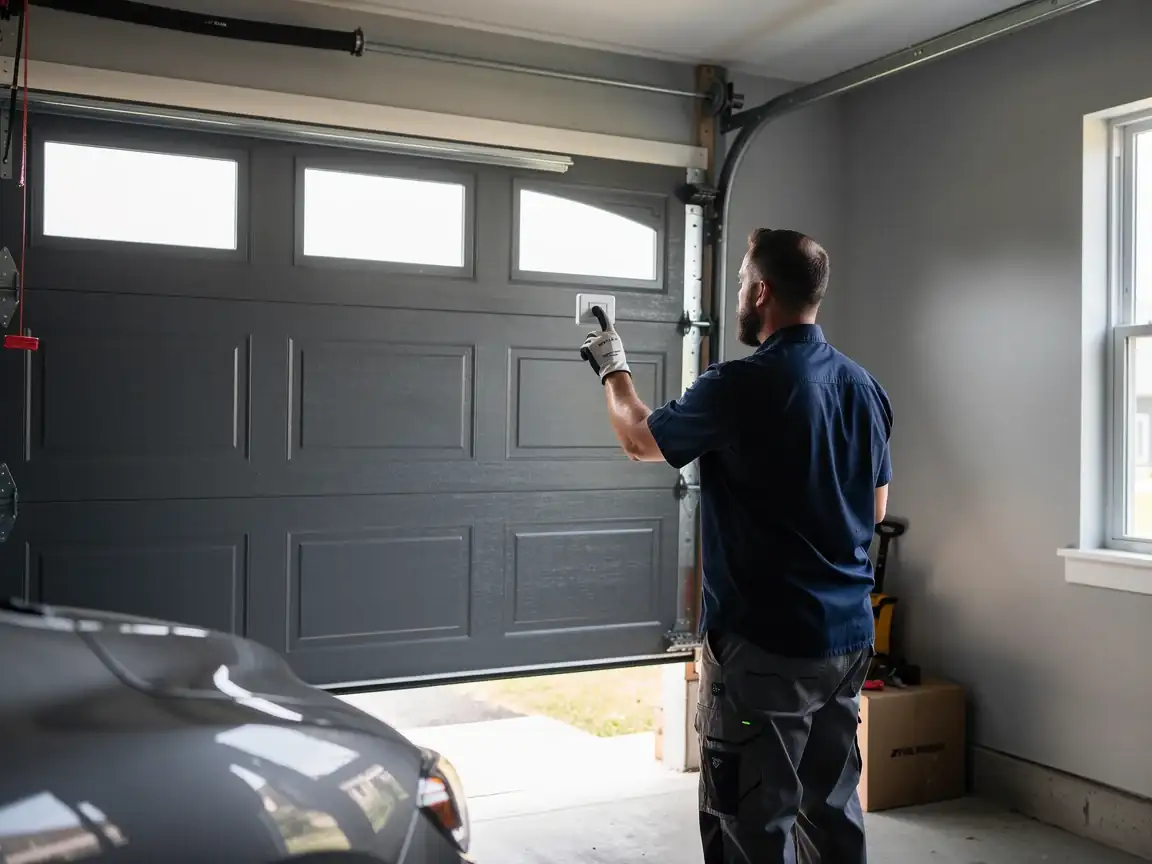
On newer builds from the 2000s the more common sign is an opener that reverses for no reason - usually a misaligned sensor rather than anything structural. Either way, the fix starts with figuring out which of those two problems you've actually got before parts get ordered.
Where This Job Goes Sideways
The job goes sideways when a torsion spring call turns out to be a cable and drum problem too, because the door's been running unbalanced for months and nobody noticed. By the time the spring finally snaps, the cables have usually frayed from carrying load they weren't sized for, and the bottom brackets have worked loose. What should've been a one-spring swap becomes spring, cables, and bracket hardware, and the homeowner is surprised by a bill that looked like it should've been smaller.
It also goes sideways on openers paired with doors from Concord's 1969-2006 housing stock, where the opener has been replaced once already but the original torsion hardware never was. A new opener bolted to forty-year-old springs and a worn drum just finds the weak point faster - usually within a year.
Honest limitation: if the track is bent badly enough, or the door panels are rusted or delaminating, replacement is the better call over repair, even though that's a bigger invoice up front. We'll tell you when that line's been crossed instead of patching around it.
What Causes It Around Here
Concord's housing stock runs from 1969 to 2006
With most of it going up in the 1980s and 90s across the area's named subdivisions and surrounding communities like Harrisburg, Kannapolis, and Enochville. That means a lot of doors are running original torsion springs rated for a 10,000-to-15,000-cycle lifespan that's long since been used up, on hardware nobody's stocked in years.
The climate here is the other half of it
Concord sits in a cold-moderate band, which means steel springs and cables go through real temperature swings across the year - summer heat that softens lubricant and winter cold that makes steel brittle and tightens tolerances. That cycling is exactly what fatigues a torsion spring and corrodes an unlubricated cable, and it's harder on original-build hardware than on anything installed in the last ten years.
Put those two together
Aging stock from a thirty-plus-year build window and a climate that stresses metal twice a year - and you get the pattern we see most: springs and cables failing on houses that are just now reaching the point where their original hardware runs out of cycles.