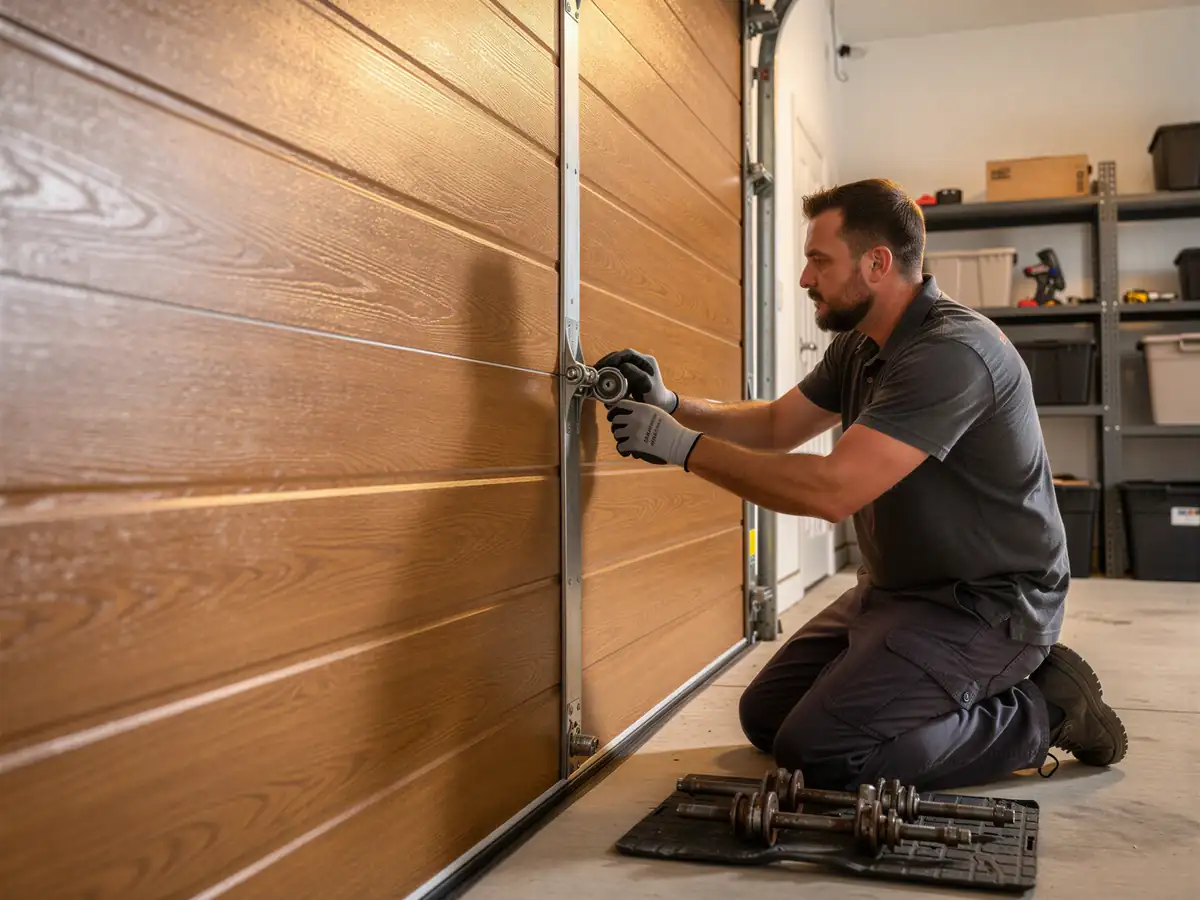
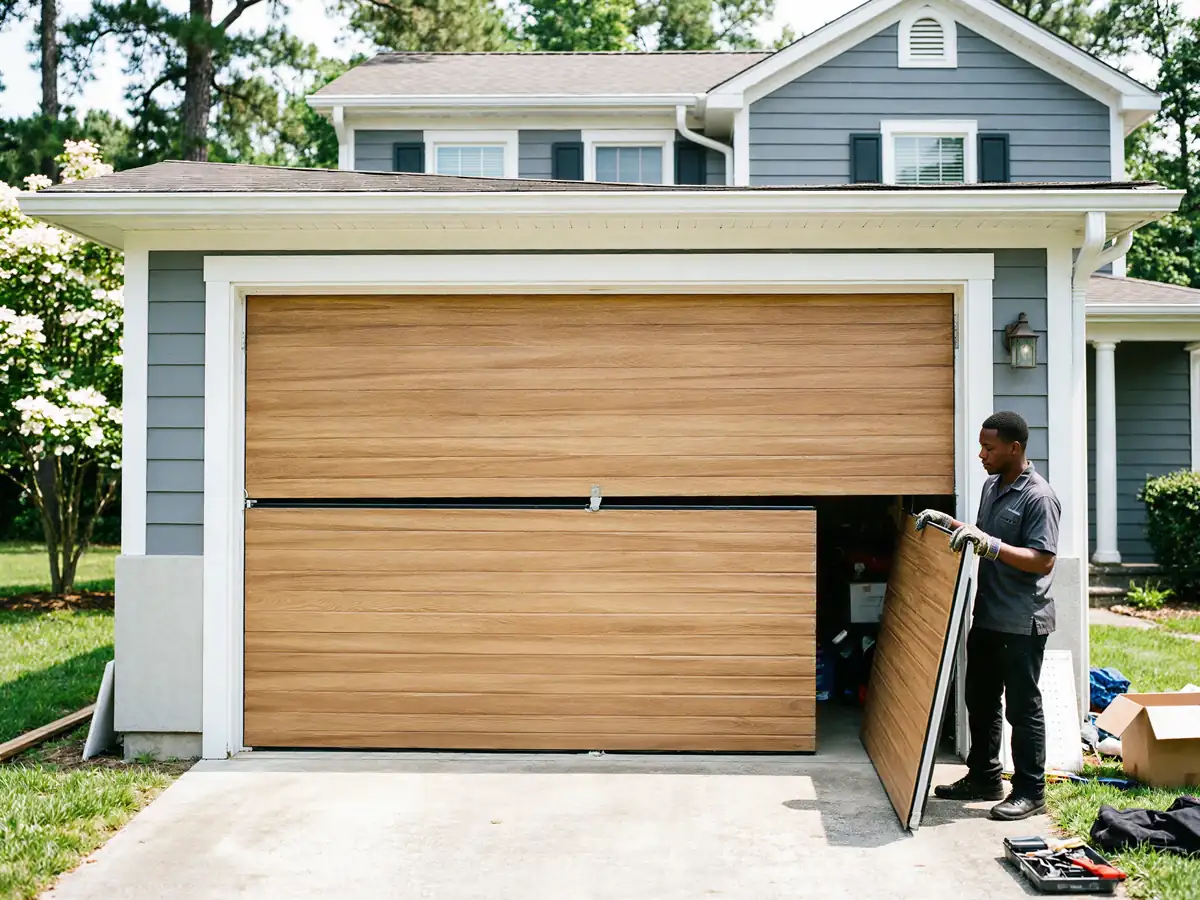
Doing It Yourself
You can pick a door style off a lot and bolt it into whatever opening is already there
But most of the trouble on an install job starts right here. Concord's housing stock runs from 1969 to 2006, with the median build landing around 1987, and a lot of those openings were framed to whatever lumber and hardware specs were standard at the time. A door bought off the shelf today is sized to current rough-opening standards, and if your framing is even an inch off, it won't seat right without shimming or rebuilding the jamb.
The other piece is insulation
This area sits in a cold-moderate climate band, which means winter temperature swings are real but not extreme - enough that an uninsulated single-layer steel door will transfer cold into an attached garage, but not so much that you need the heaviest commercial-grade panel made. Picking the wrong R-value either wastes money or leaves you cold.
We're straight about this: we don't do framing or carpentry
If your opening is out of square or the header needs rebuilding, that's a job for a general contractor before we show up with a door. We handle the door, track, and opener - not the structure around it.
How It Shows Up
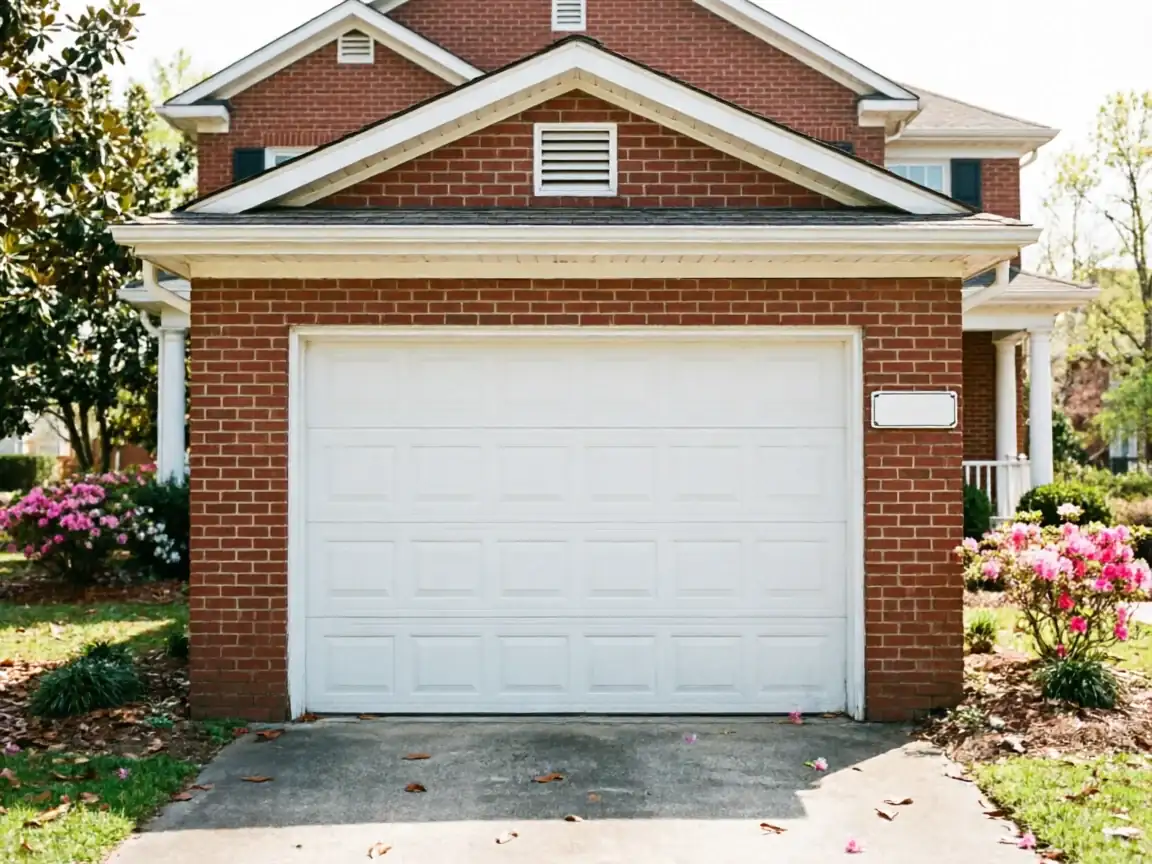
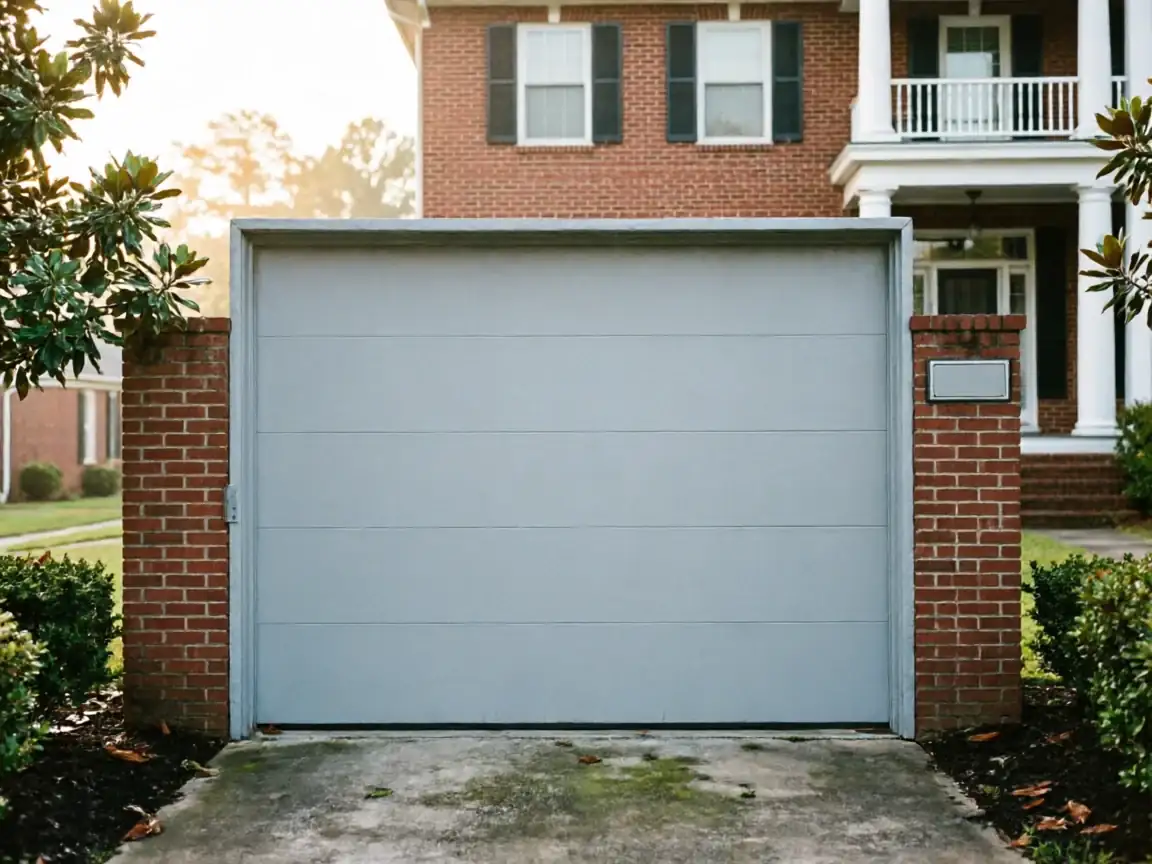
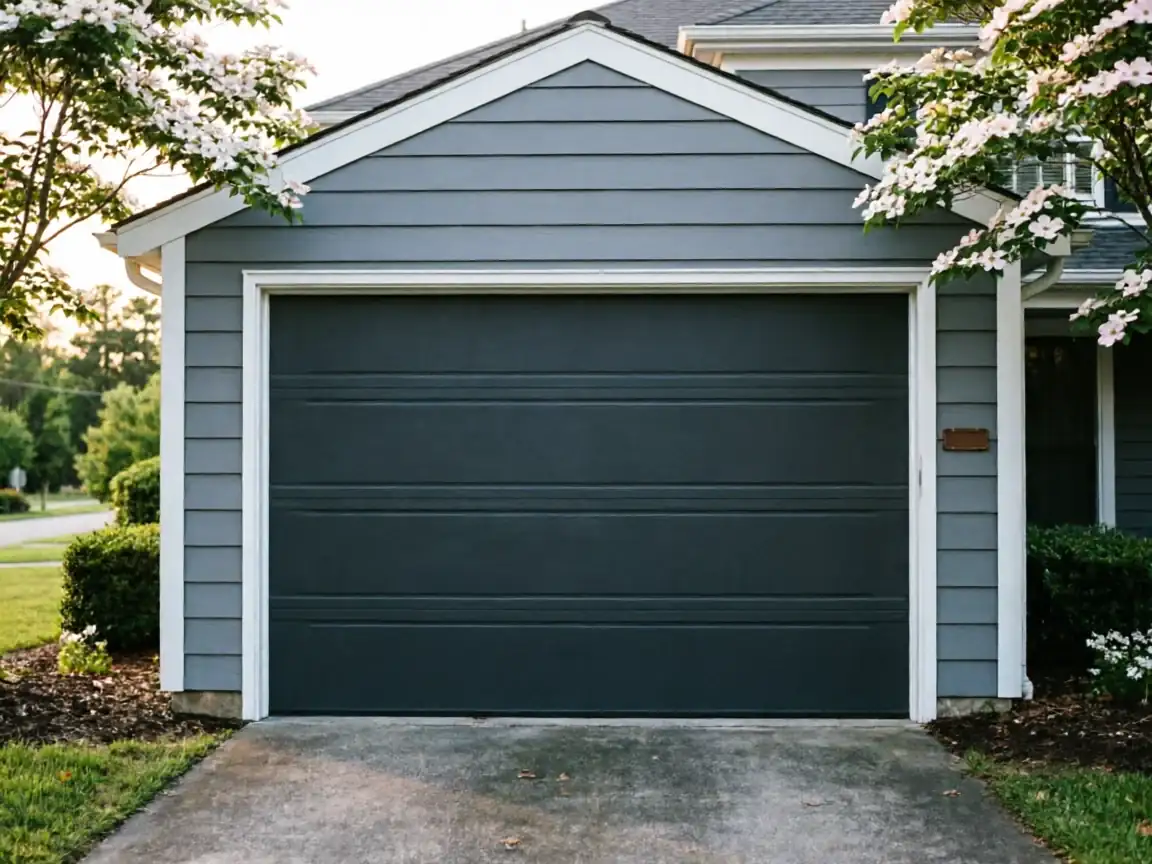
On a lot of Concord streets, the giveaway is a door that still works but clearly doesn't belong to the house anymore - a single flat panel with no insulation, hardware that's been patched more than once, an opener bolted to a bracket that's been re-shimmed. That's typical for homes built in the 1969-2006 window, especially the 1980s and '90s stretch that makes up most of the stock across the area's 16 named neighborhoods.
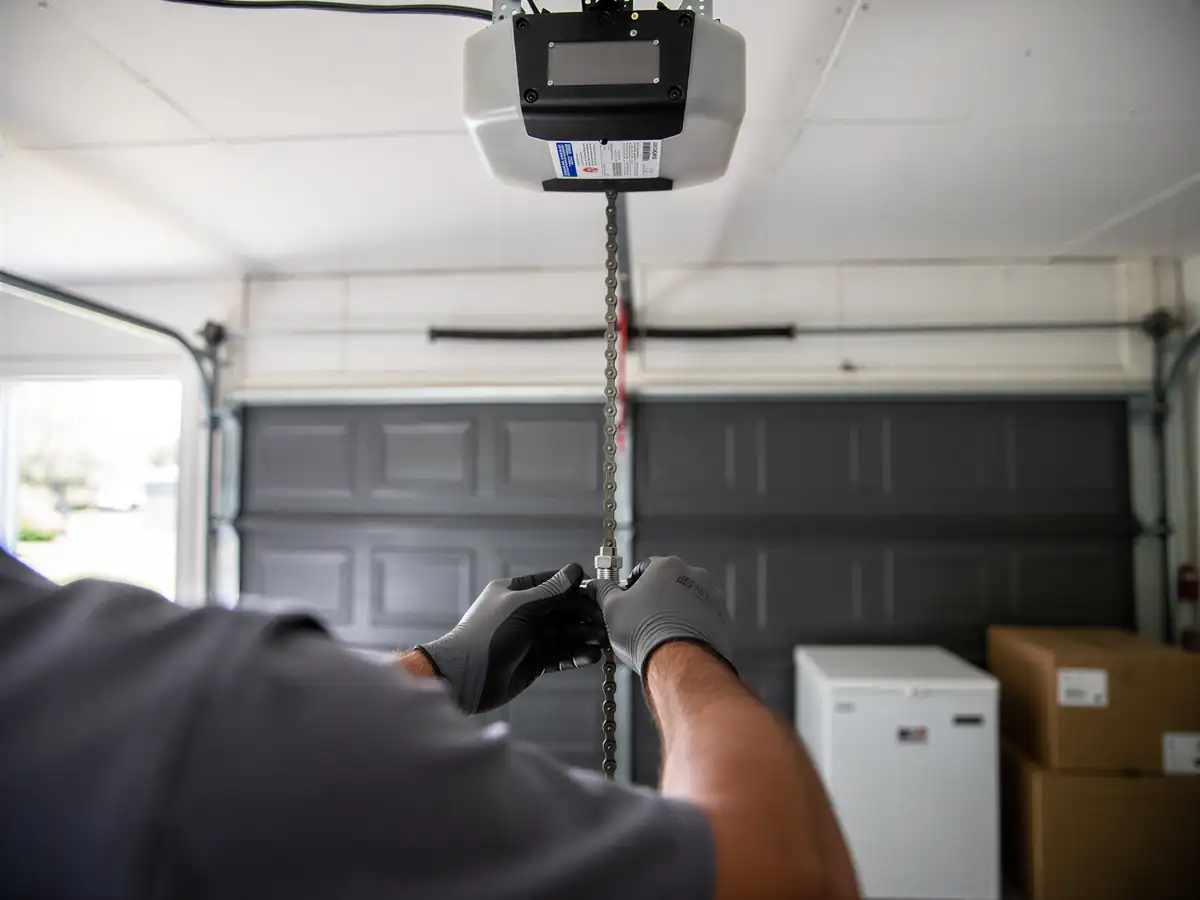
Sometimes it shows up as a mismatch: a homeowner replaced the opener a few years back but kept the original door, and now the opener is working harder than it should because the door and track geometry don't line up the way the opener's sensors expect. Other times it's simple wear - the door itself is original, the springs have been swapped once, and the whole assembly is past the point where another repair makes sense.
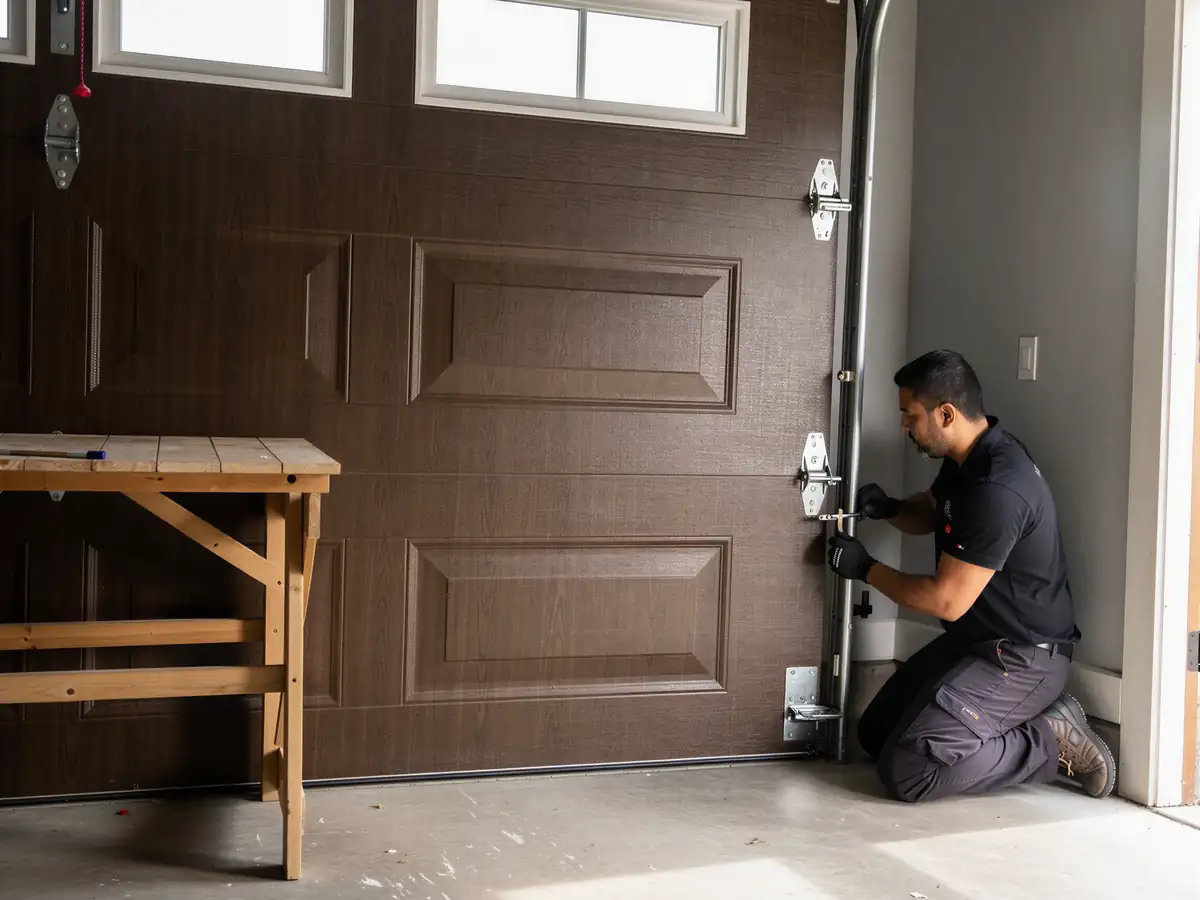
If you're calling about installation rather than repair, it's usually because the door has already told you it's done - sagging at the bottom panel, daylight at the corners, or a track that's pulled slightly off the studs from decades of use.
Where This Job Goes Sideways
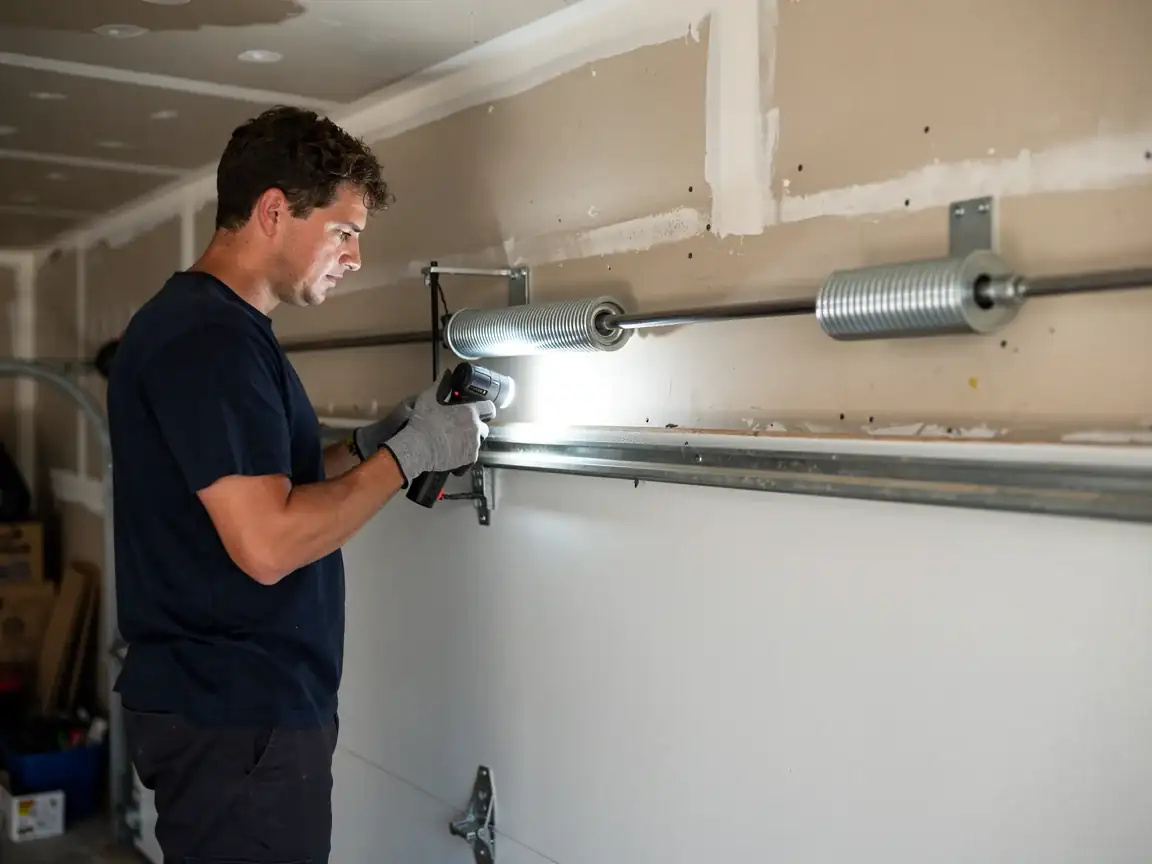
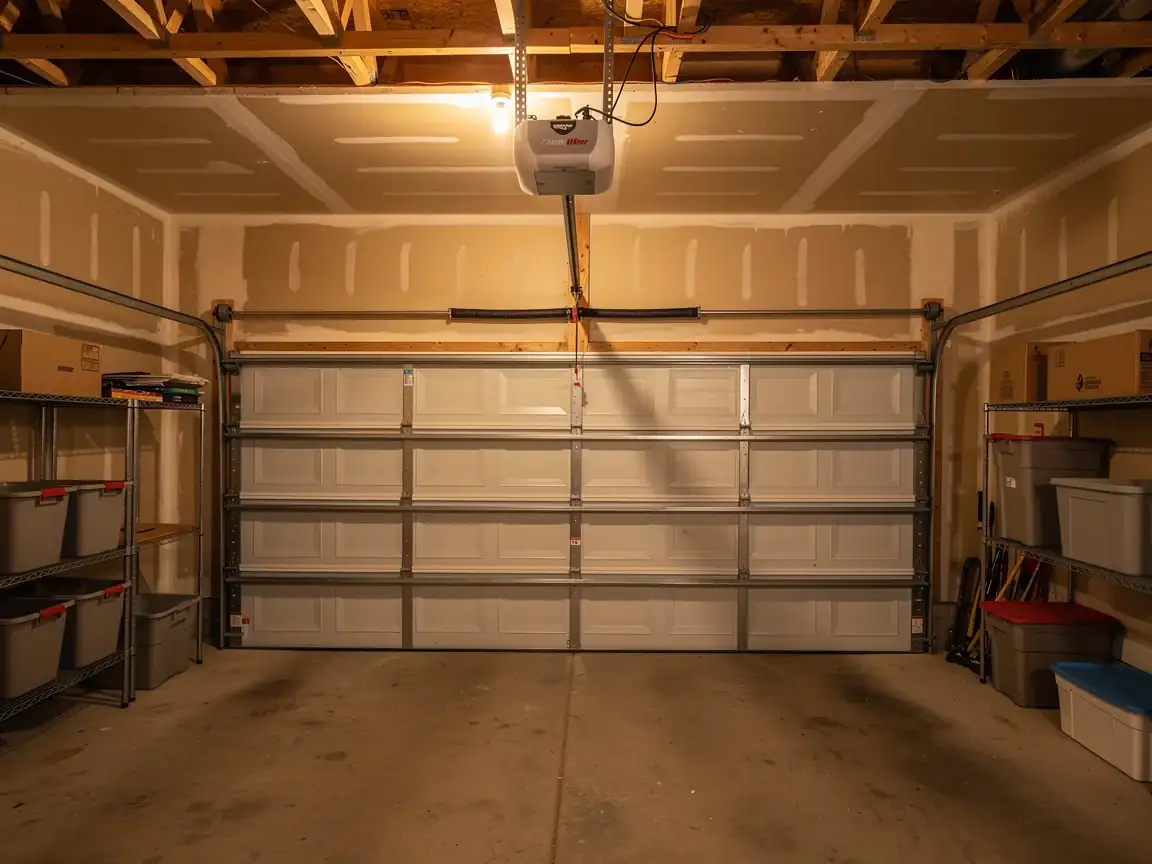
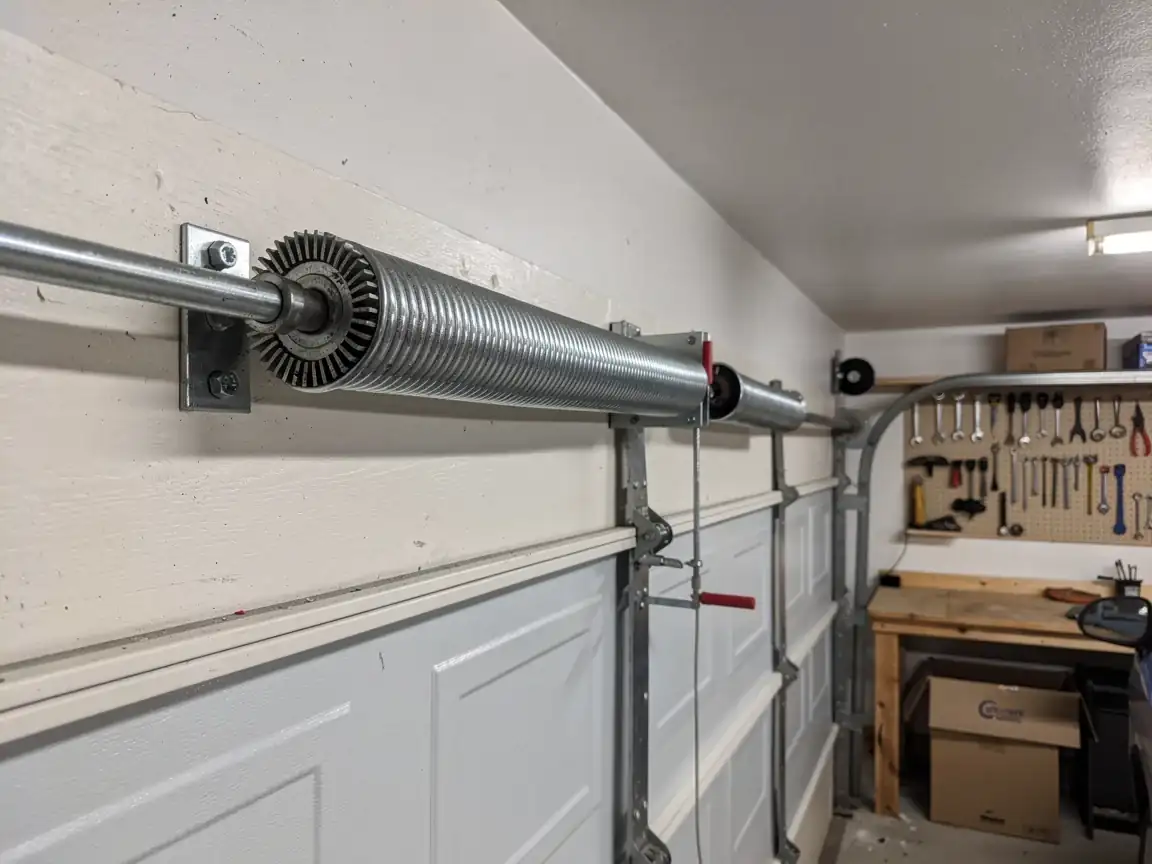
Headroom is the first place an install goes wrong in this area. Houses from the 1969-2006 era, particularly the 1980s builds that make up a big share of Concord's stock, often have less clearance above the opening than modern torsion spring systems want. A standard torsion setup needs a certain amount of headroom to mount correctly, and in an older garage that space sometimes isn't there without modifying the header or going to a low-headroom conversion kit.
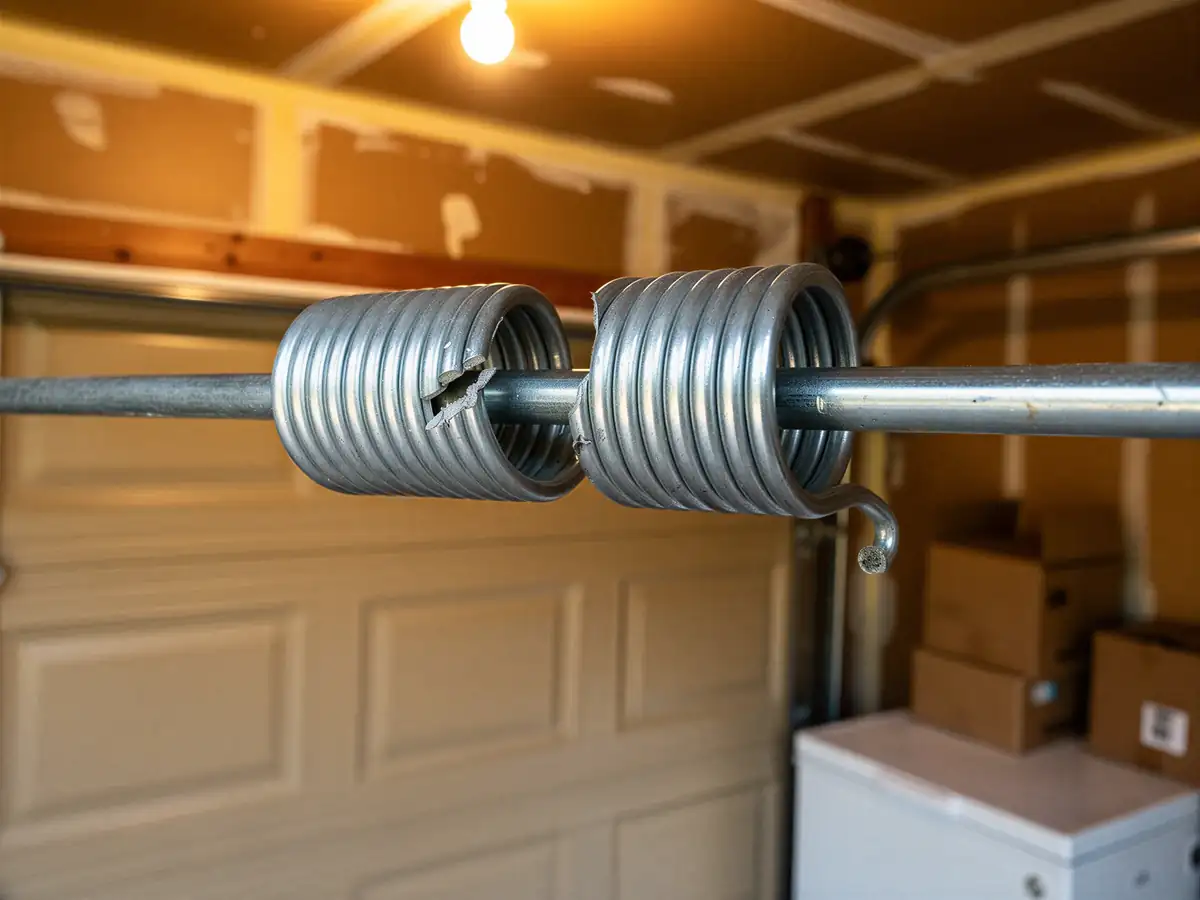
The second spot is spring sizing. A new door is heavier or lighter than the one it replaces depending on insulation and panel material, and if the new springs are matched to the old door's weight instead of the new one, the door will fight the opener from day one - slamming down too fast or stalling partway up.
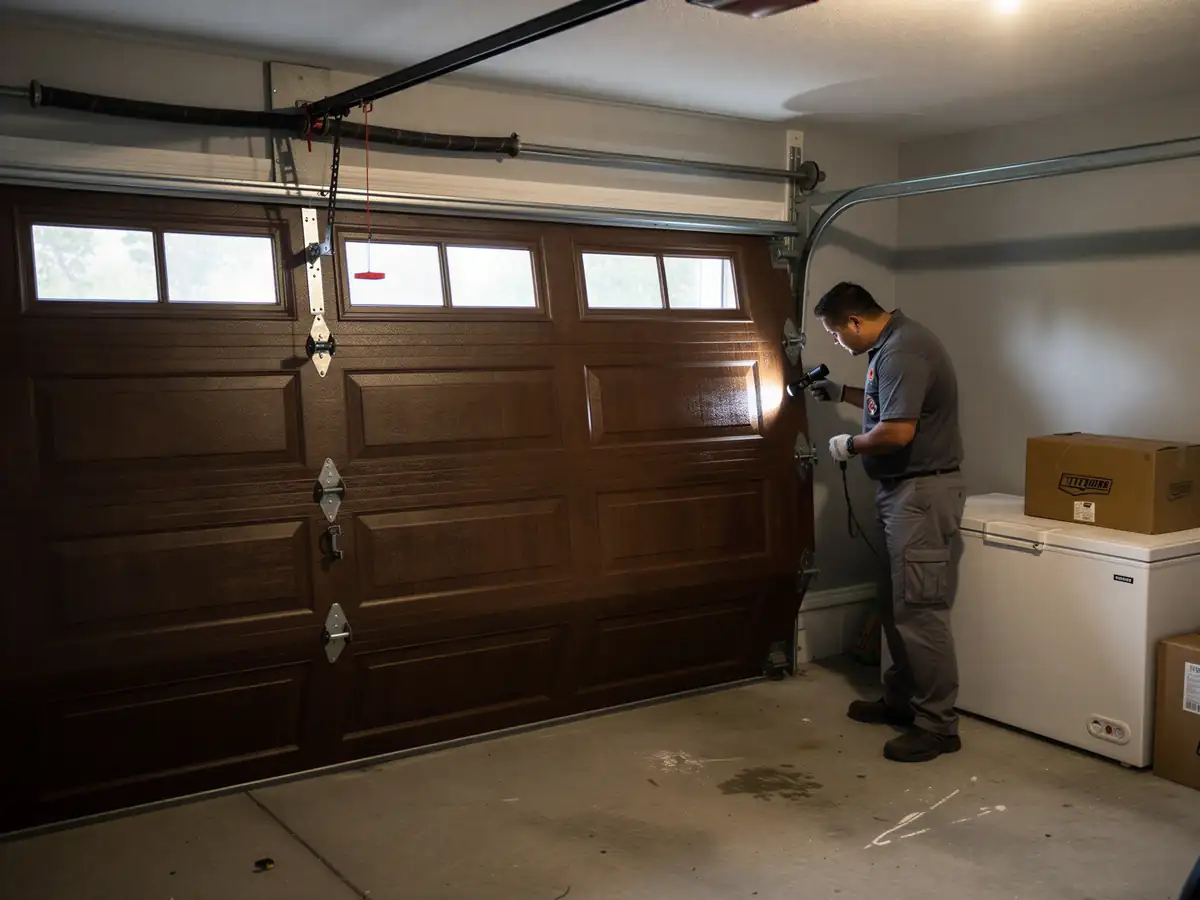
Third is track alignment on a garage that's shifted slightly over thirty-plus years, which is common enough in housing this age that we check it on every job rather than assuming the old track is still square. Skip that check and the new door binds within a few months, even though the install looked fine the day we left.
What Causes It Around Here
Most of the installation calls we get trace back to the same two things
The age of the house and the swing of the weather. Concord's housing stock was built mainly between 1969 and 2006, with the median sitting around 1987, which means a huge share of doors going in now are replacing originals that are 25 to 45 years old. Those original doors were almost never insulated to any real standard - insulation wasn't a selling point on a garage door in 1987 the way it is now.
- 45 years
The cold-moderate climate band this area sits in adds a second layer
It's not brutal cold, but the swings between a warm fall afternoon and a hard overnight drop are enough to make steel panels contract and expand over and over, which loosens fasteners, warps thin single-layer panels, and pulls hardware slightly out of alignment year after year. A door that might last indefinitely in a milder, steadier climate wears out faster here simply from the freeze-thaw cycling.
Put those two together
Original 1980s hardware and decades of seasonal swing - and you get a door that's not broken outright but isn't worth patching again either. That's the point where installation makes more sense than another repair.