What the Fix Involves
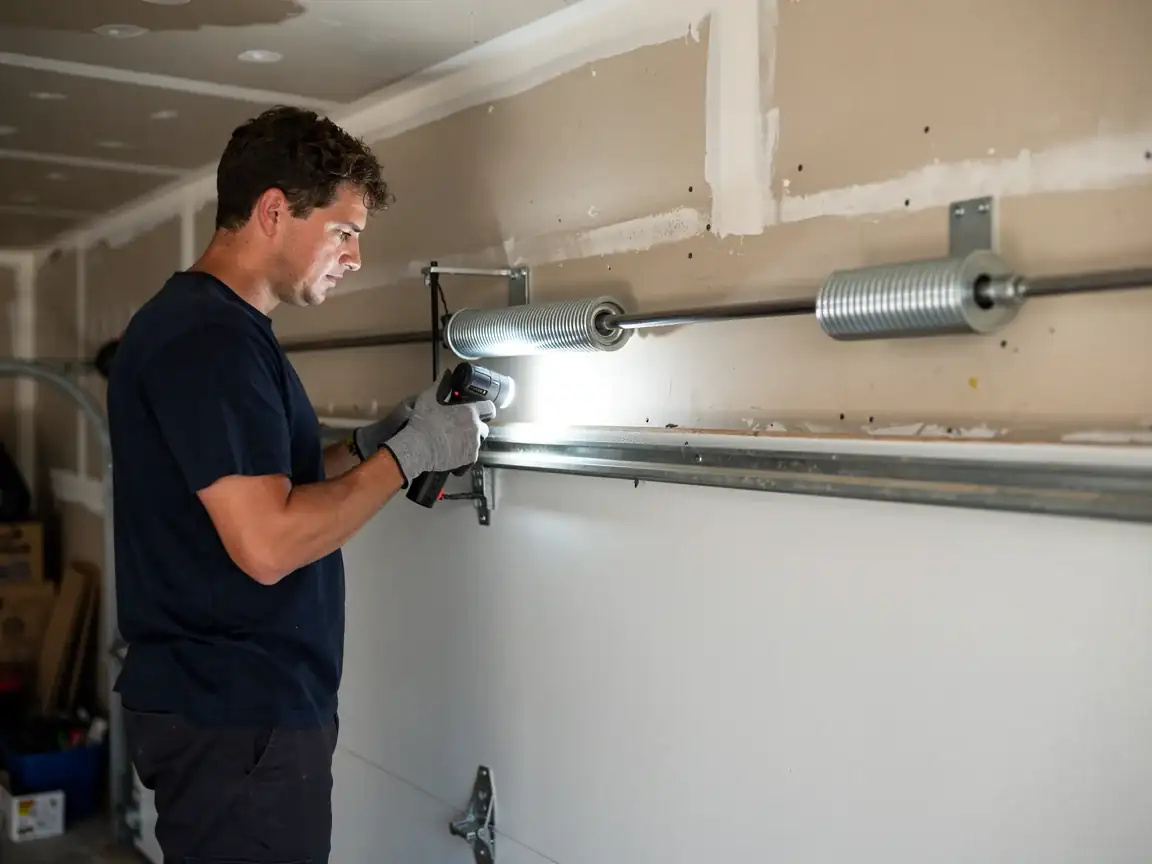
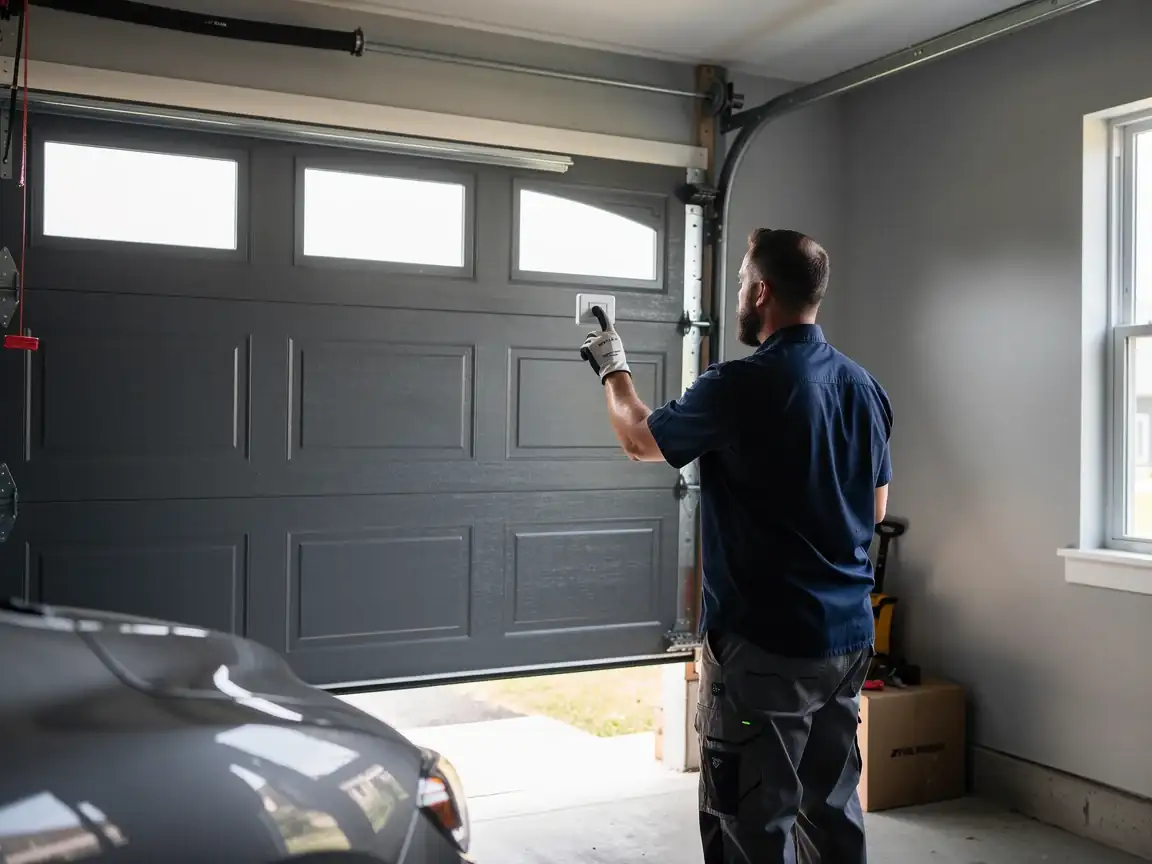
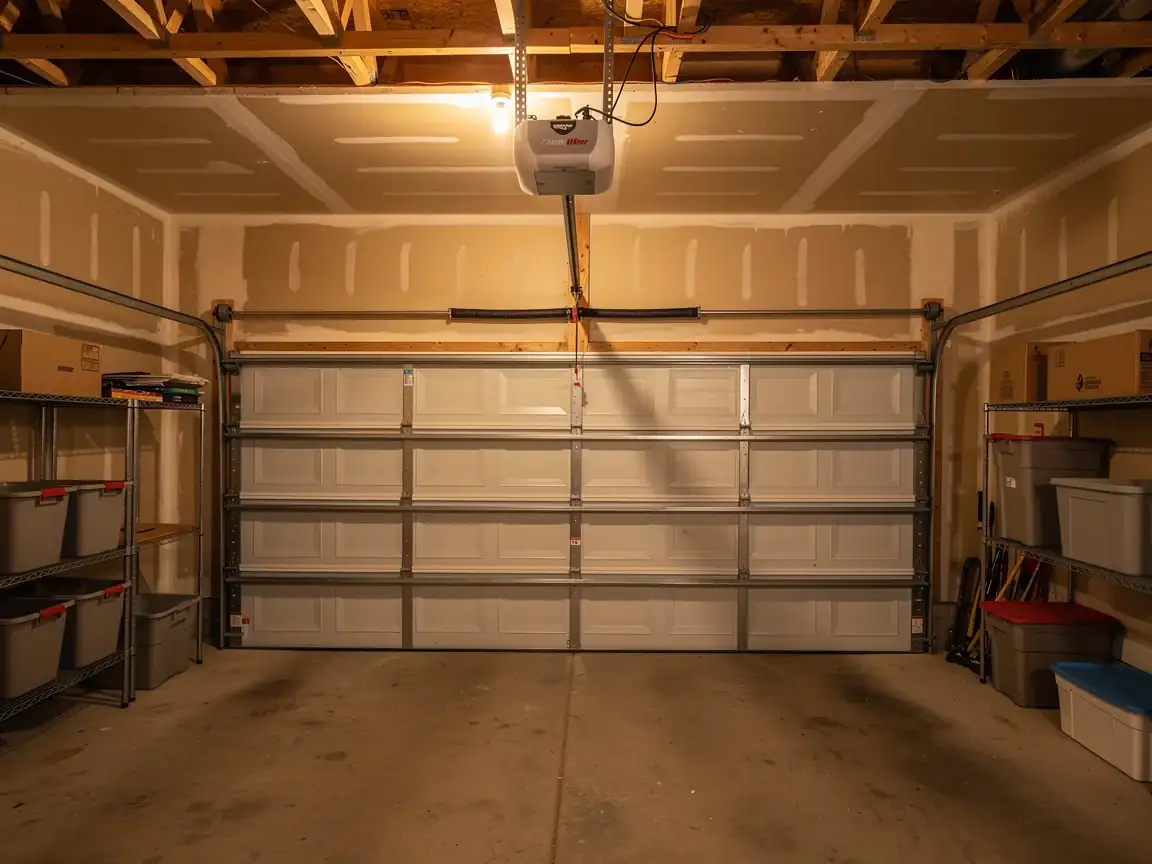
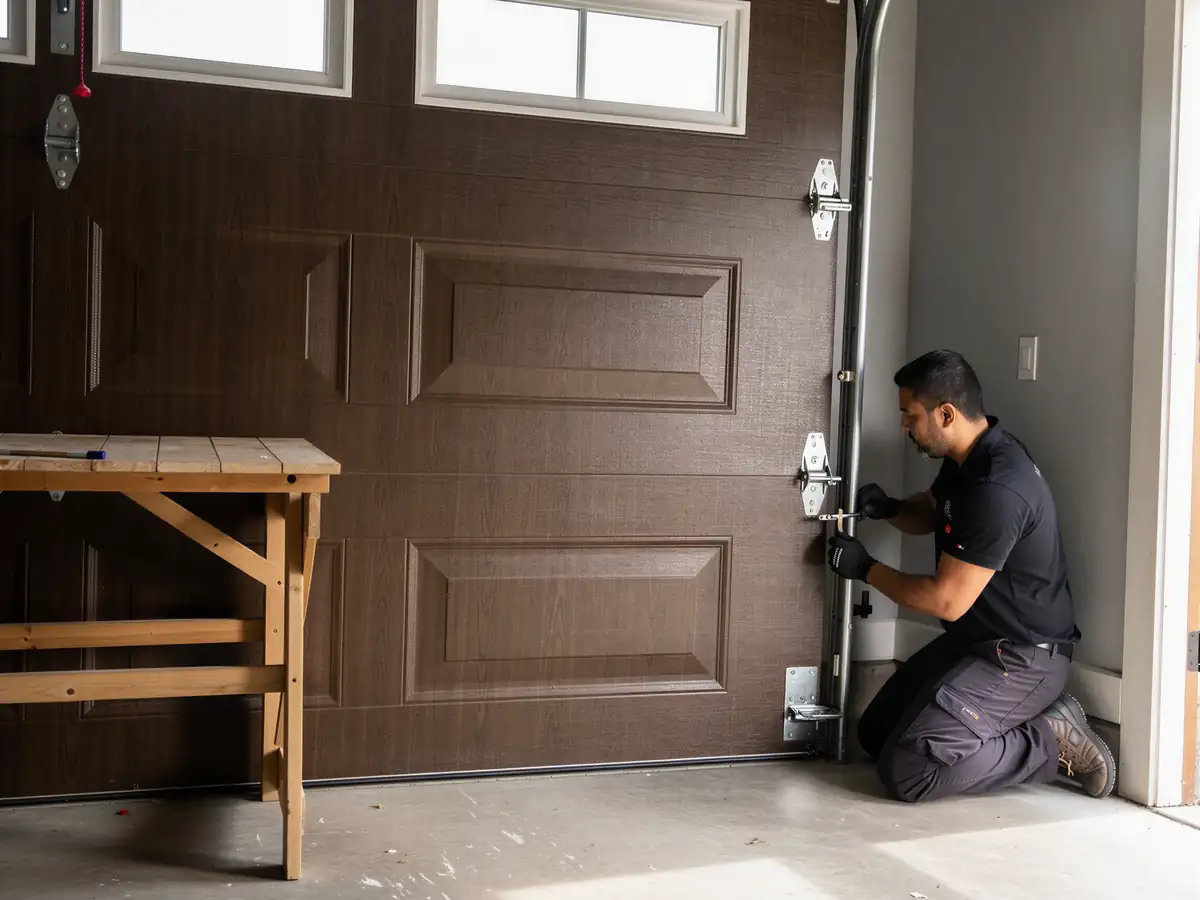
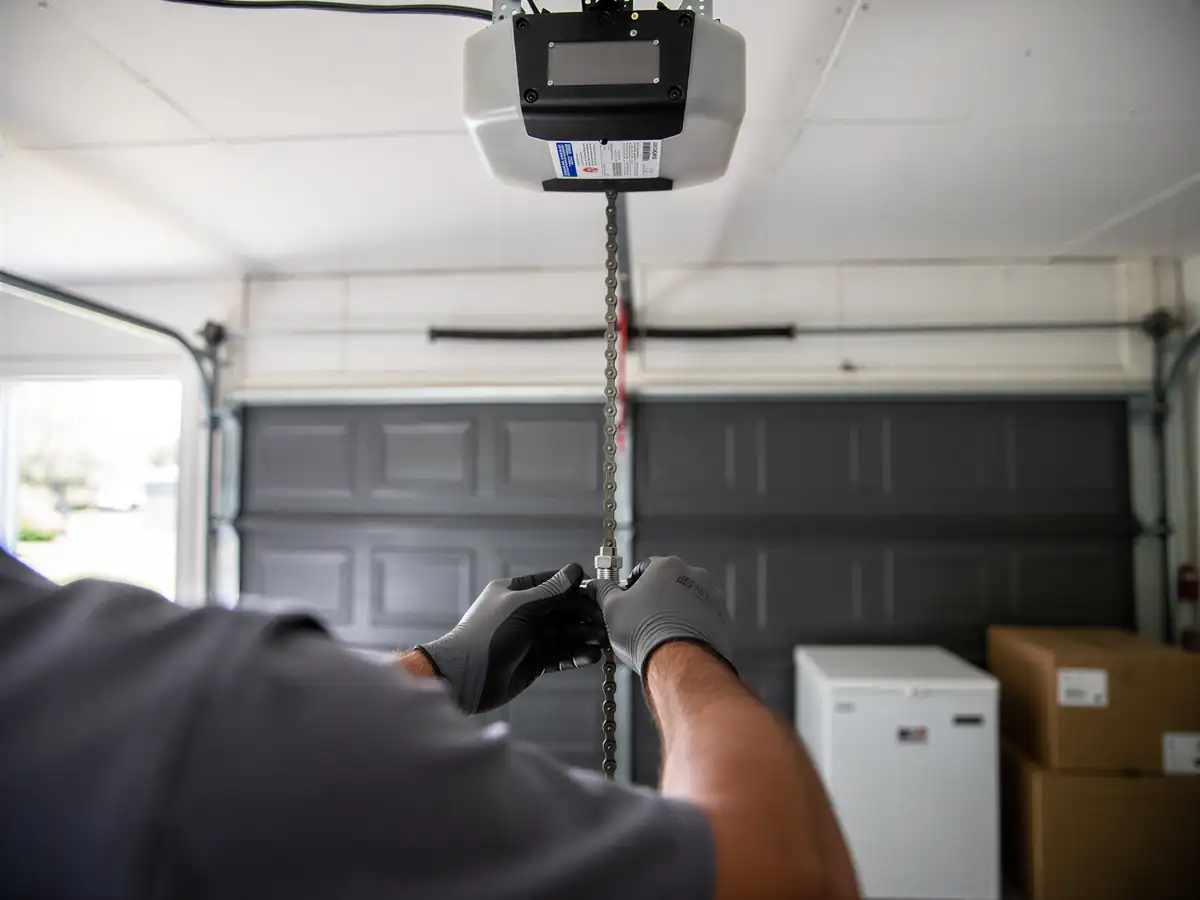
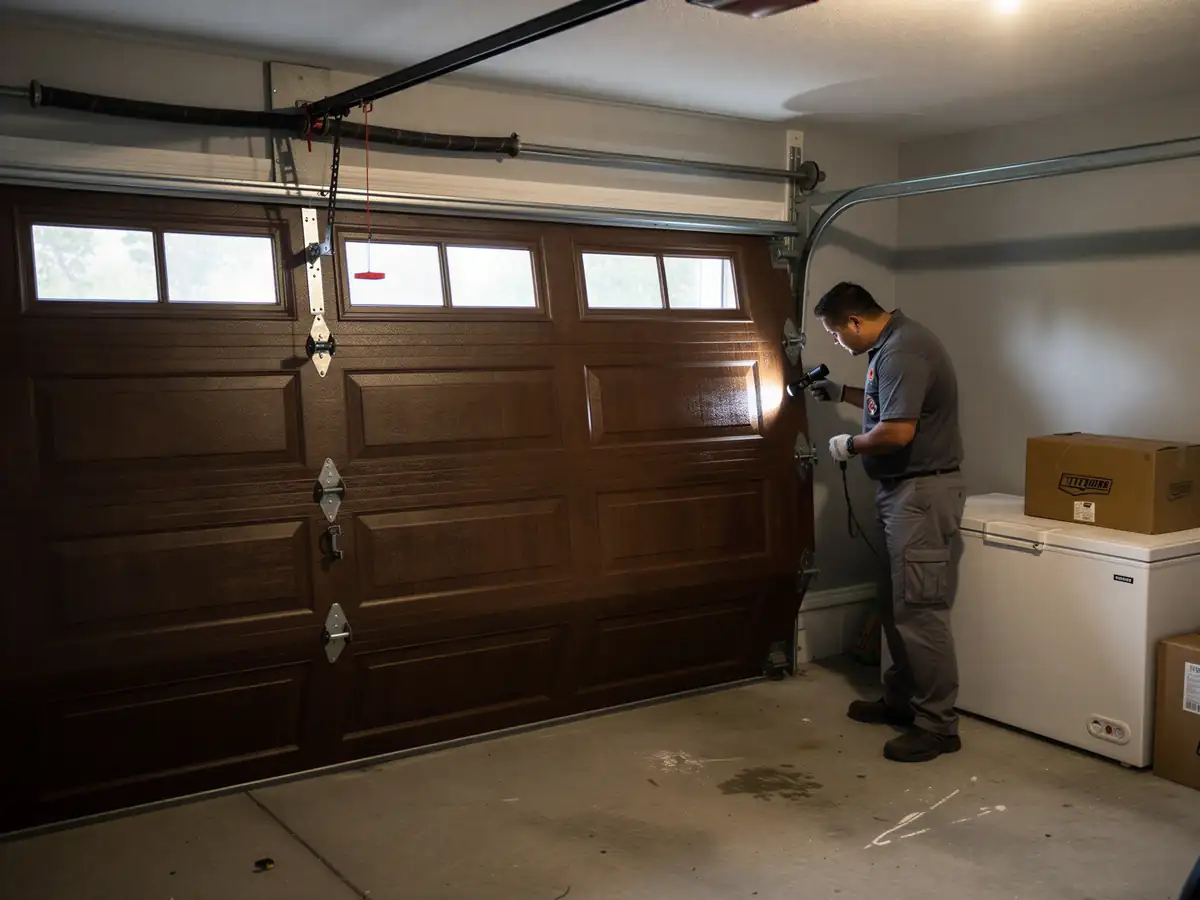
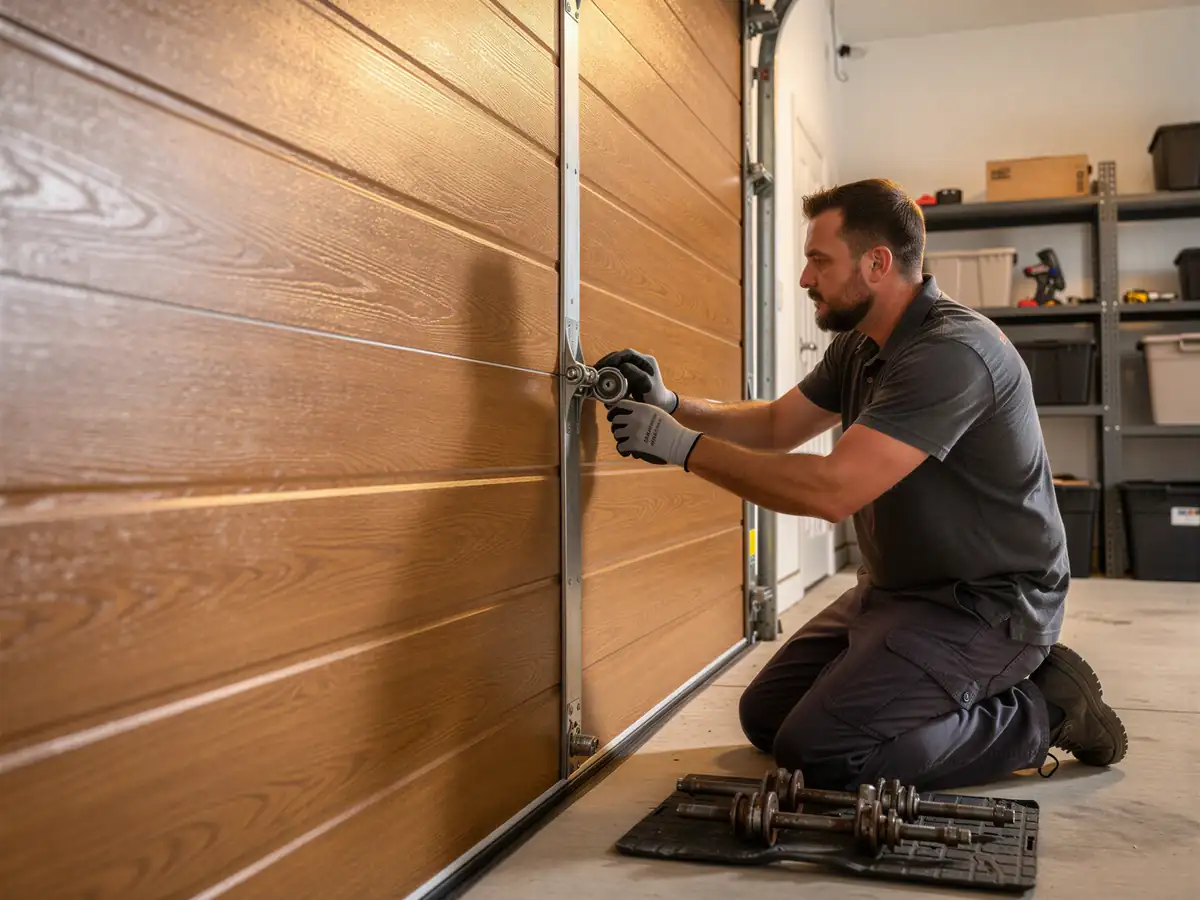
Once we've confirmed the spring size for the door, the job is straightforward: wind down the old spring safely, pull it and the cable off the drum, set the replacement to the right diameter and wind count for a door this size, and test the balance by hand before the opener ever touches it. On a lot of the newer two-car doors out here, that means working with a single high-cycle torsion spring rather than the two lighter ones you'd sometimes find on older single-car setups. We also check the rollers and the bottom brackets while we're in there, since those take the same stress when a spring fails. We don't replace parts that don't need it - if the cable and drums are fine, they stay. The honest limit here: if the door itself is warped or the track is bent from being forced while the spring was going, that's a separate repair, and we'll tell you before we start if the spring isn't the whole story.
Time on the Job
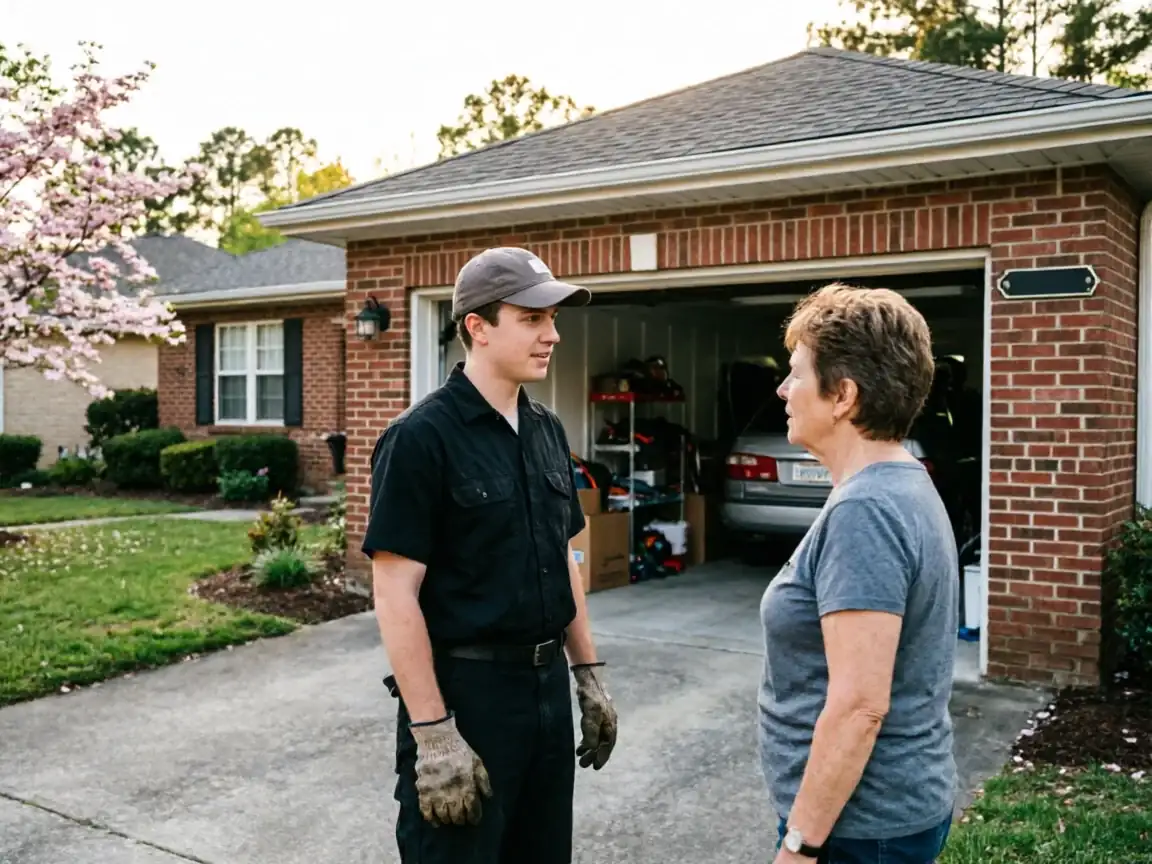
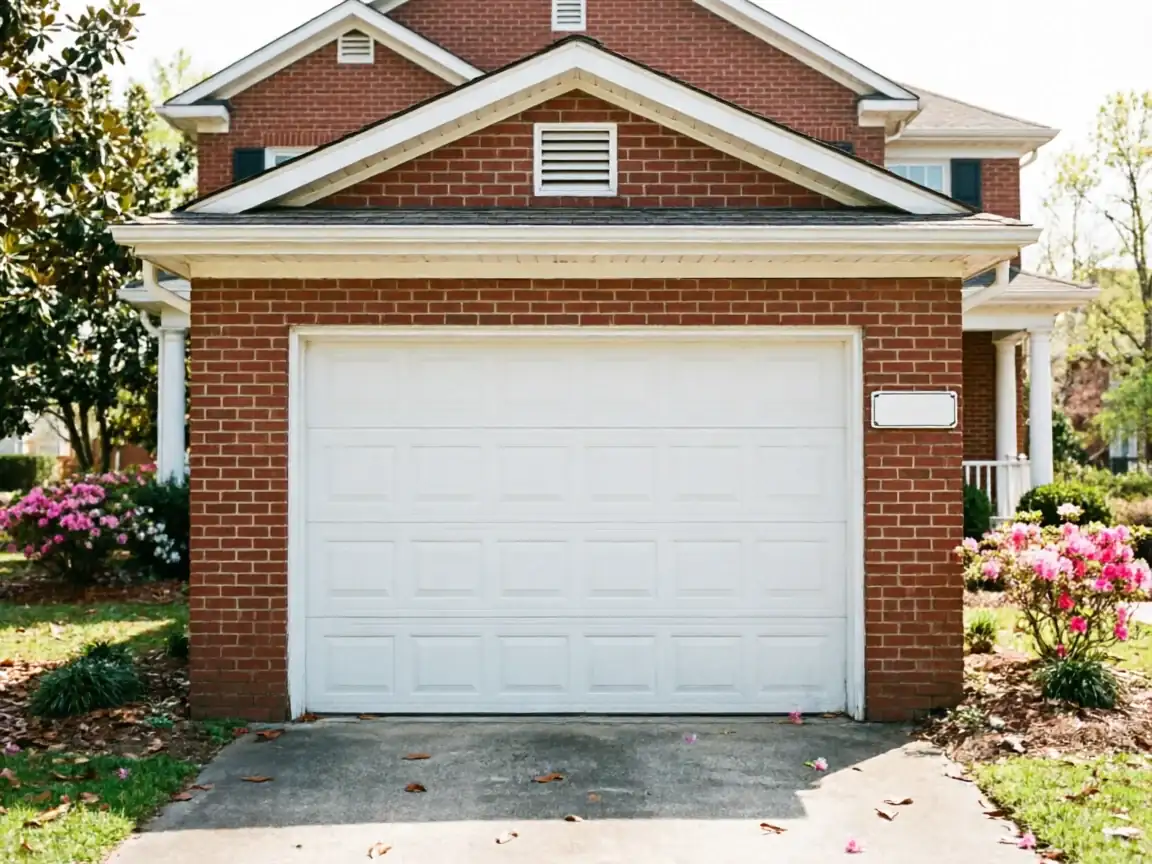
A single torsion spring swap on a standard Locust double door, the kind common to the early-2000s builds out here, usually runs about 45 minutes to an hour once we're set up, assuming the door's drums, cable, and track are in decent shape. If the door's 20 years old now and nothing else has ever been touched, we sometimes find a second thing - a roller worn flat, a bracket that's loosened - that adds time. We're coming from Concord, roughly 14 miles out, so factor that into when we can get there rather than how long the repair itself takes once the truck's in the driveway.
How It Shows Up
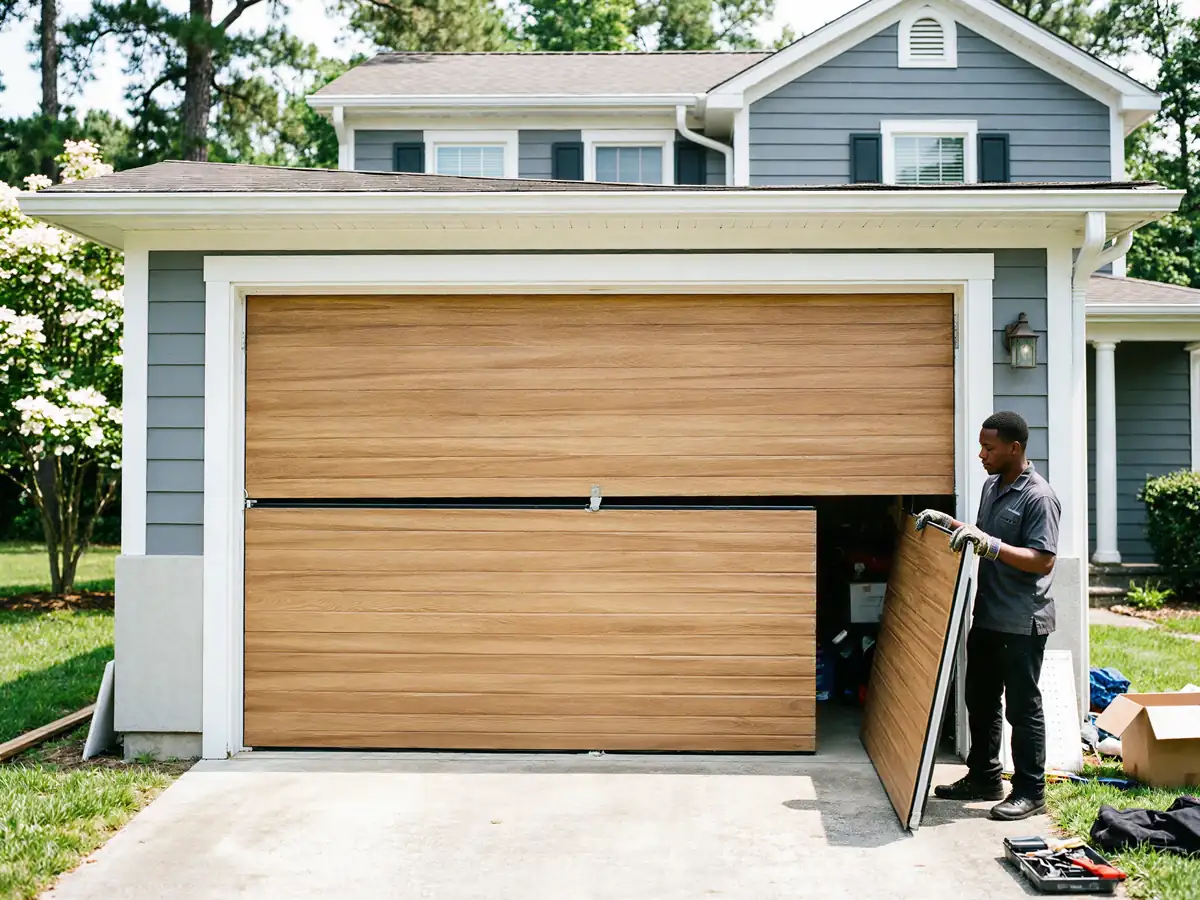
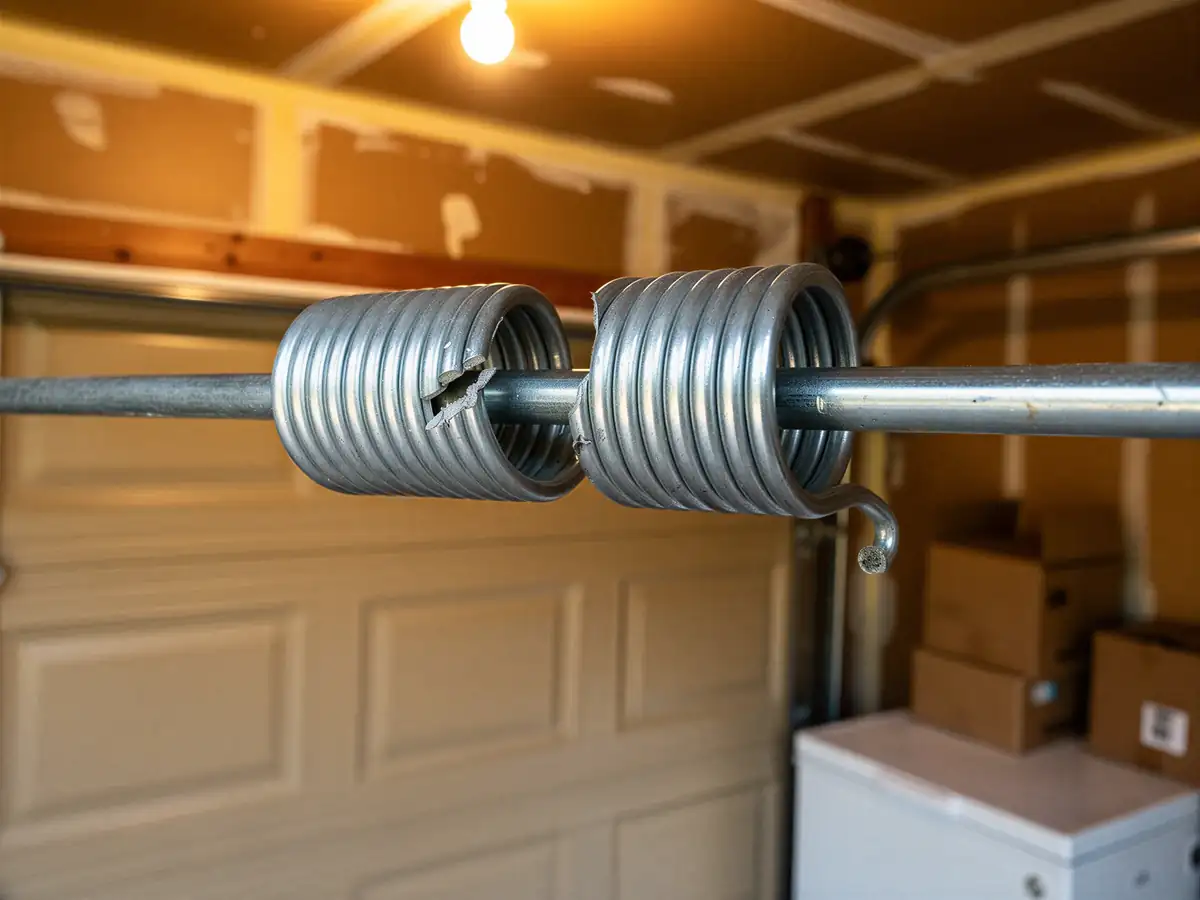
The usual sign is a door that won't budge, or one that opens a few inches and stops, because the opener isn't built to lift the full weight of a door this size without spring assistance. Sometimes you'll hear it before you see it - a loud bang in the garage, which is the spring snapping, often first thing on a cold morning when the metal's contracted and under more stress. Given the colder winter stretches this part of North Carolina gets, that bang-on-a-cold-morning pattern shows up more than people expect. Other times it's slower: the door starts sagging unevenly to one side, or the opener strains and reverses partway through a cycle. Either way, once a torsion spring is visibly gapped or snapped, the door needs to stay down until it's fixed - forcing it with the opener motor can damage the opener too.
What Causes It Around Here
Torsion springs are rated for a set number of open-close cycles, generally somewhere in the 10,000 to 15,000 range depending on the spring, and most homes here haven't had that spring touched since the house was built around 2001. Do the math on two decades of daily use and a lot of these doors are due, or past due, for a first replacement regardless of weather. Cold snaps do add stress - steel contracts and gets more brittle, and a spring near the end of its cycle life is more likely to go on a cold morning than a warm one. Humidity swings common to this part of the state also mean a little surface rust can build on a spring's coils over the years if it's never been lubricated, which weakens it faster than the cycle count alone would suggest.