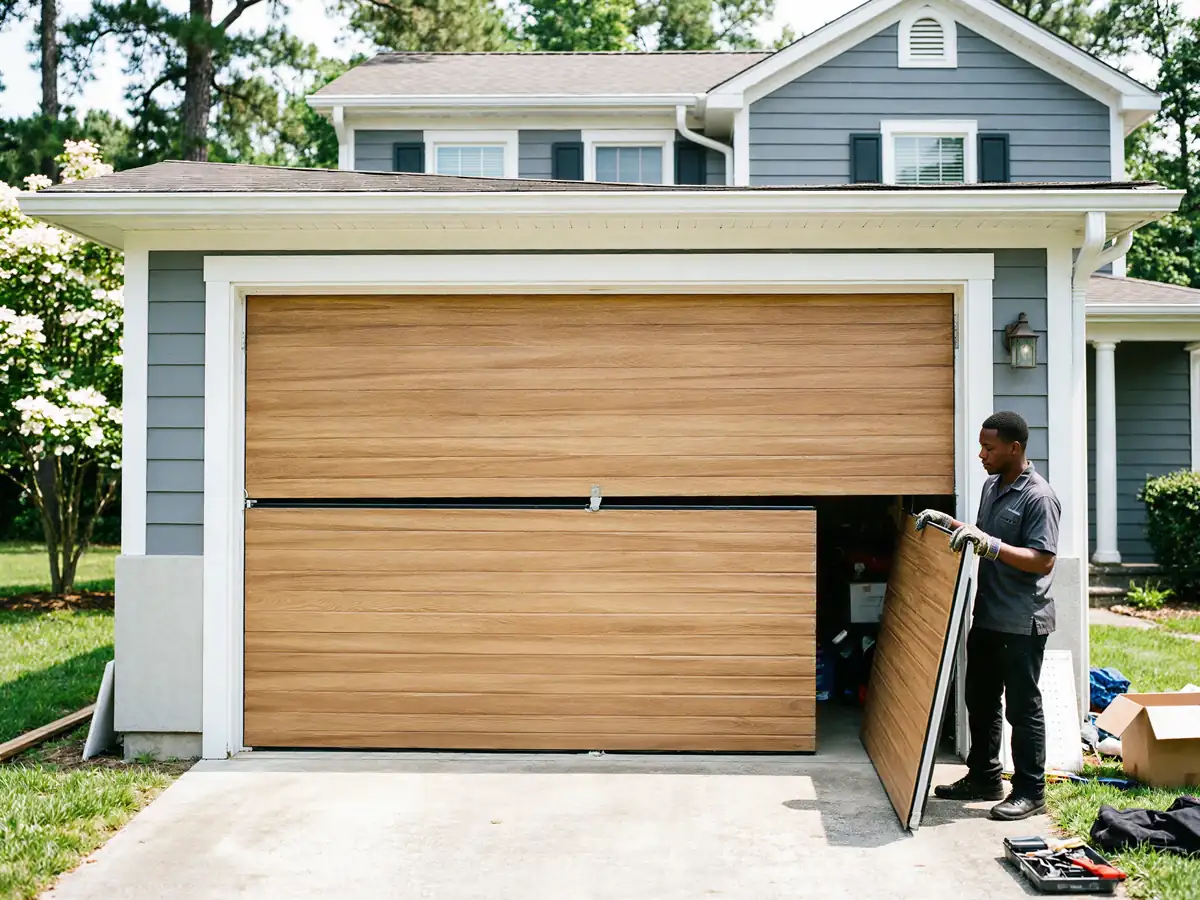
Doing It Yourself
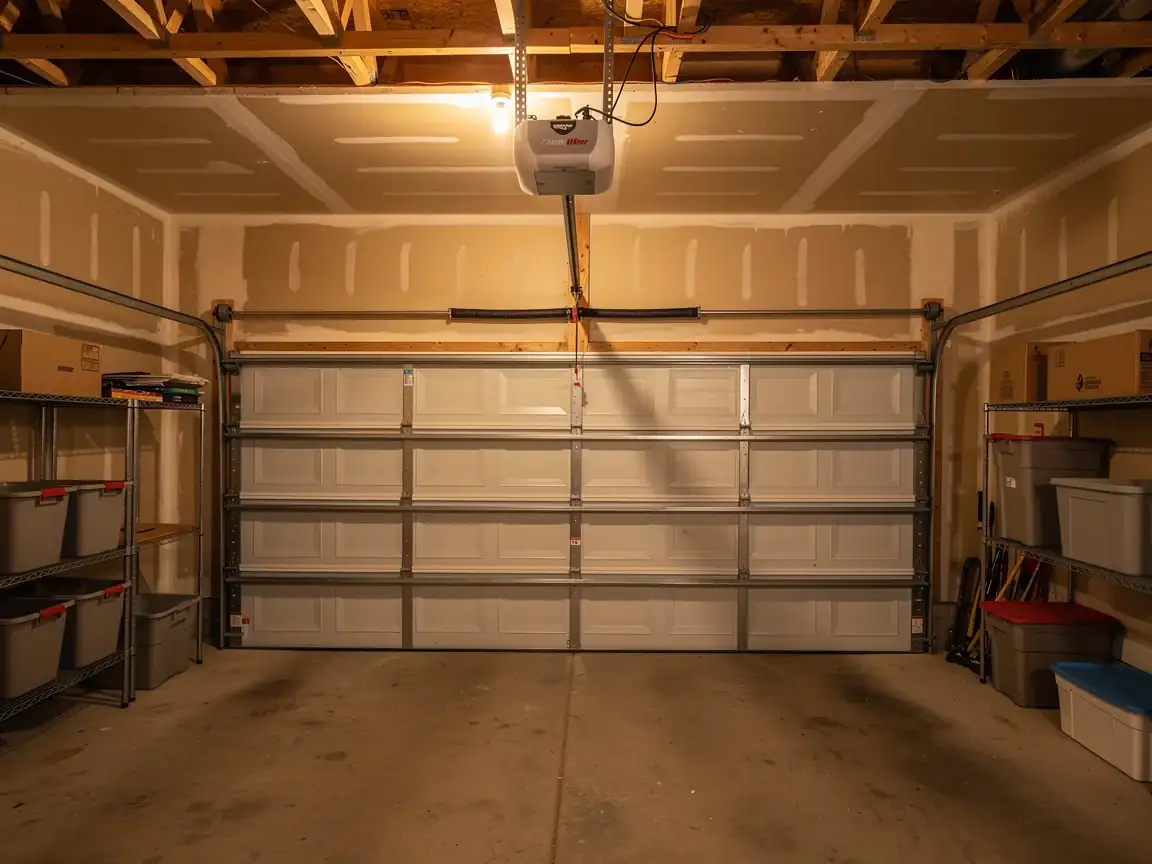
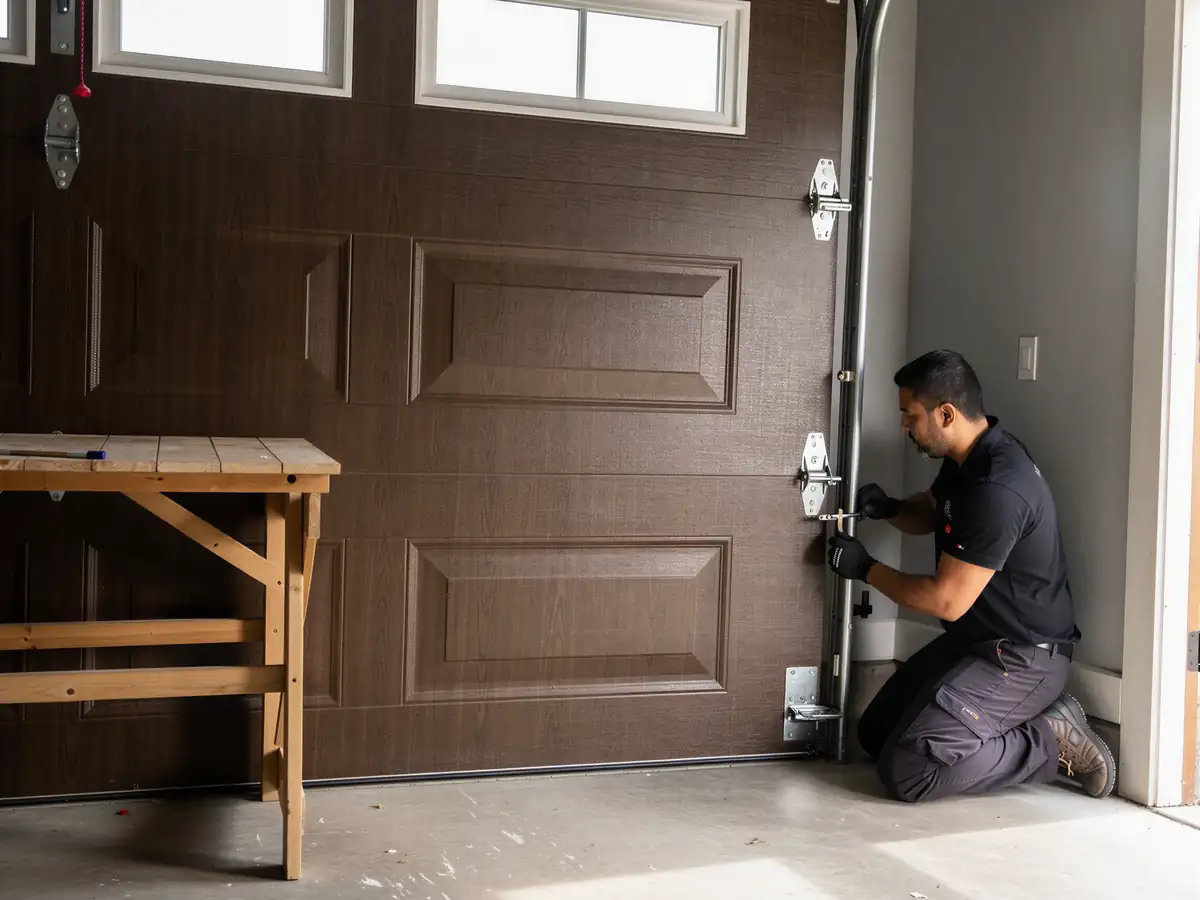
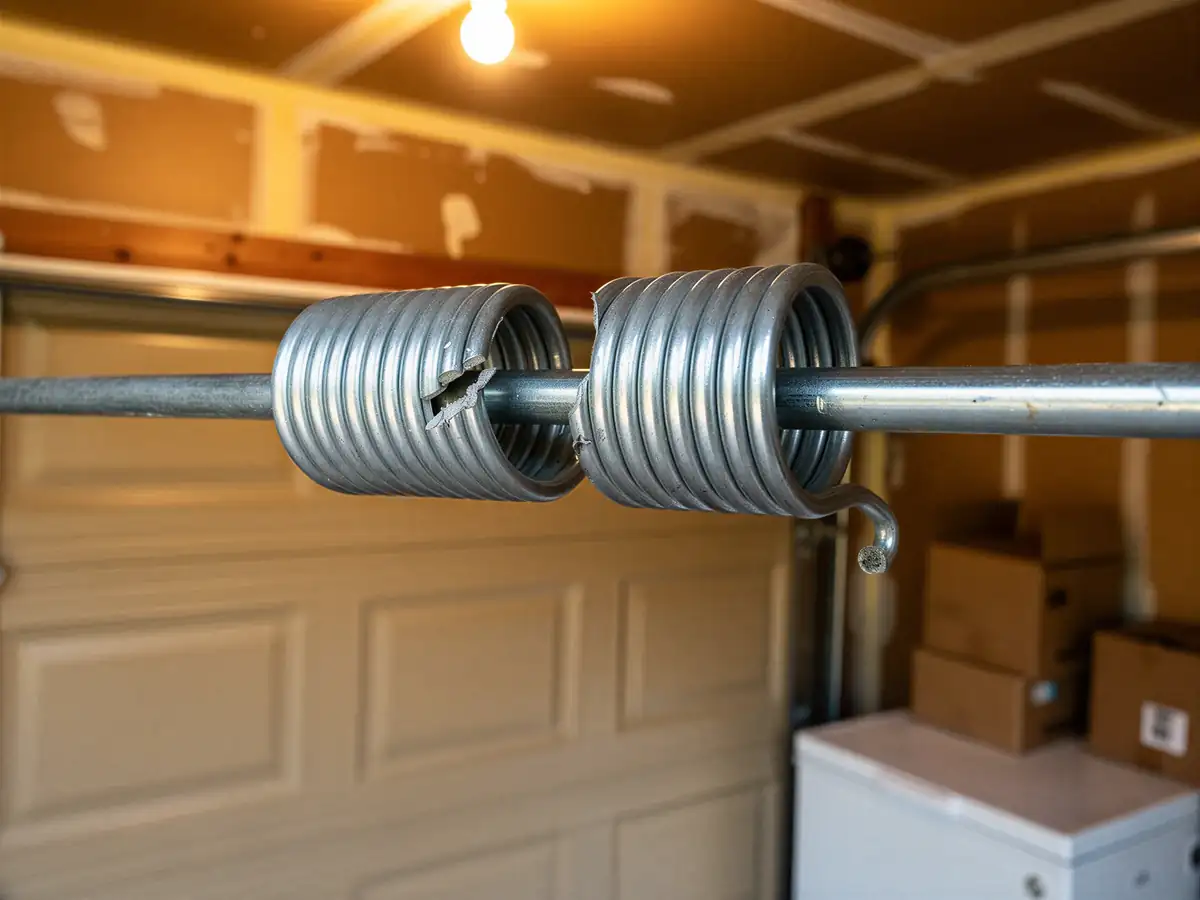
Swapping a door on 1980s hardware is not a one-person weekend project, and it's not one we'd recommend even for someone handy. The track brackets on houses from this era are often undersized for a new insulated door, and resetting them means re-anchoring into framing that's older and sometimes softer than what you'd find in newer construction. Spring sizing is the other trap - a torsion spring rated for a 1985-era single-layer door will be wrong for a heavier double-layer panel, and an under-sprung door will slam down or tear the opener's drive gear inside a year. If you're set on doing the demo yourself, that part's fine - pulling the old door and track is straightforward with basic tools. Just don't wind a new spring without the right bar and a clear idea of the cycle count it's rated for. That's the step that puts people in the ER, not the metaphor.
What the Fix Involves
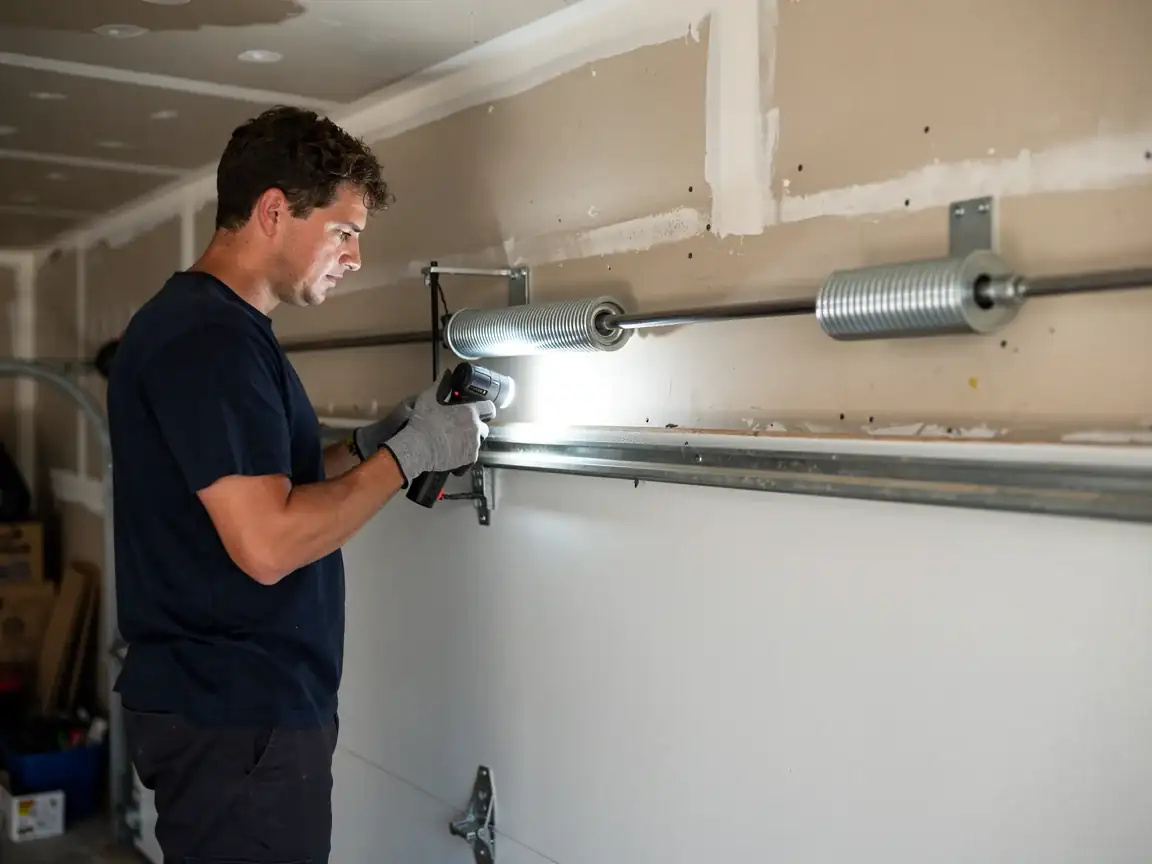
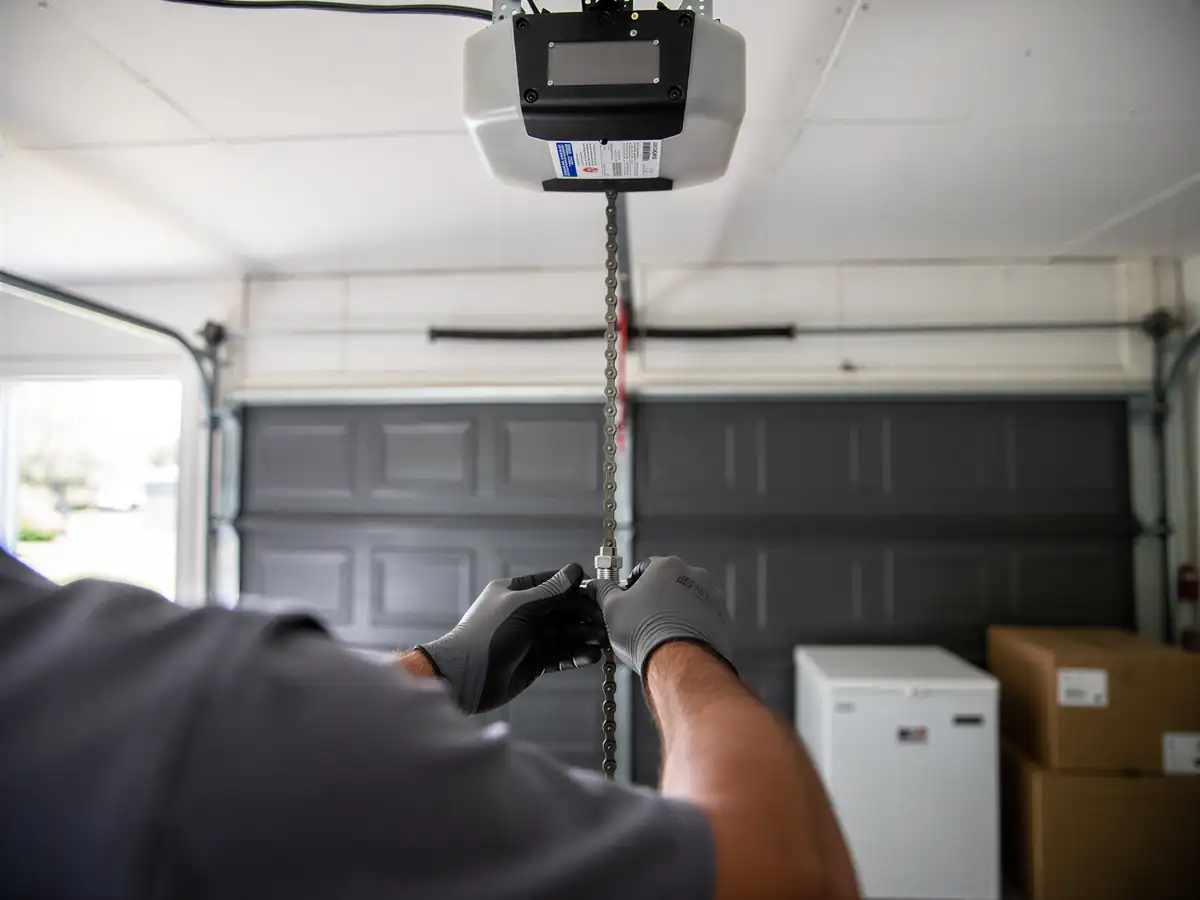
A proper install on a house this age starts with measuring the existing opening and checking whether the jambs and header are square - on homes built around 1985 they often aren't, by a half inch or more, which changes how the new door has to be trimmed and sealed. We size new springs to the actual weight of the door going in, not the old one coming out, and we check whether the opener's lift capacity and travel limits still match once the new panel's weight and insulation are in place. Track gets replaced rather than reused in most cases here, since 1980s track doesn't accept today's roller sizes cleanly. We finish with weatherstripping sized for the cold-moderate swings this area sees, since a loose seal is the first thing that fails on an older frame.
What You Pay
The area's median household income is $70,691, noticeably below Concord's own number, and that's the figure that should set the repair-versus-replace line for most houses here. On a door from the mid-1980s with surface rust on the tracks but an opener that still runs fine, a repair - new rollers, resealed bottom, maybe a cable - is usually the right call and keeps the job under what a full replacement costs. Where it tips toward replacement is a cracked or delaminating panel, or springs that have already been resized once because the original hardware was wrong for the door. At that point you're paying repair money for a door that still won't perform right, and a new insulated door sized correctly from the start costs less over its life than two or three repairs on a door at the end of its run. We don't have a set price to quote without seeing the door and opening, but that's the math that should guide the decision either way.