What Causes It Around Here
The call we get most from Kannapolis isn't a dead spring or a dented panel
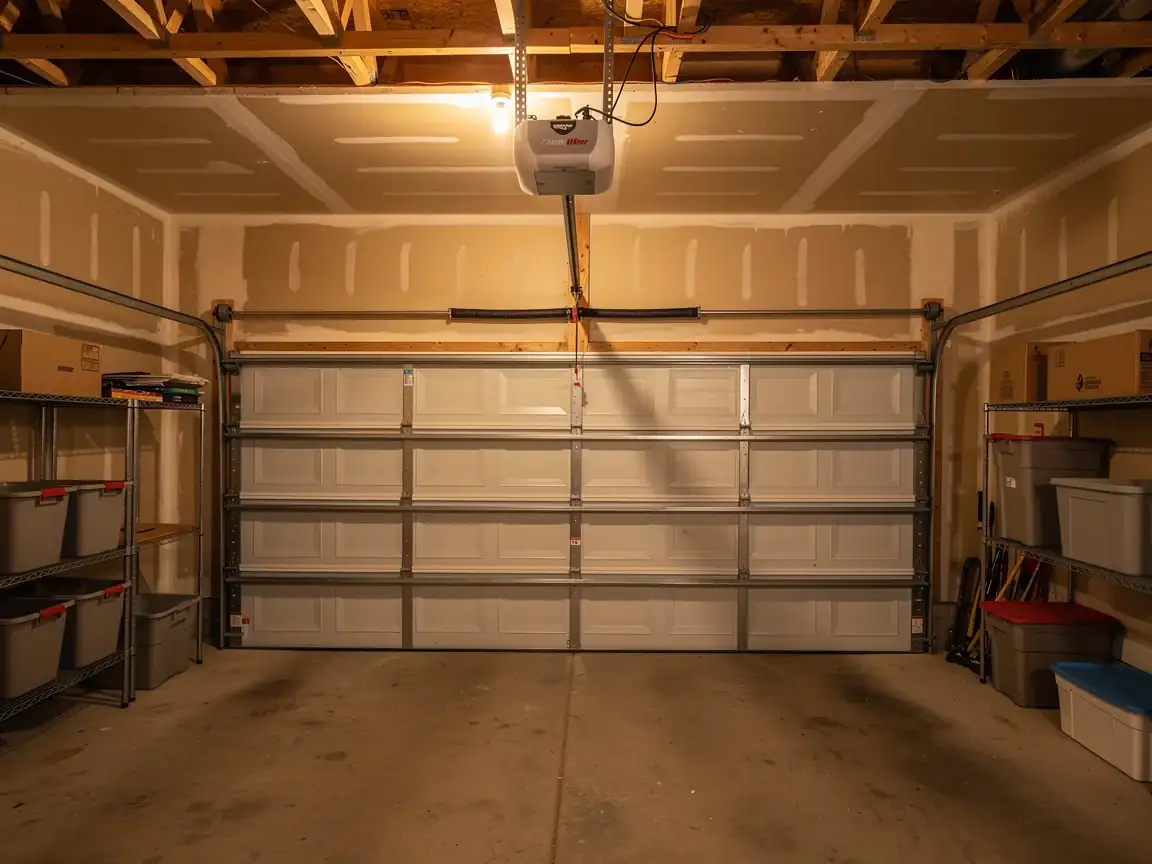
It's an opener that's just worn out. Half the homes in Kannapolis went up around 1985, which puts the original motor unit at the tail end of its service life, and often before the 1993 federal rule that required photo-eye safety reversal sensors on every new opener sold. If your house still has the opener it was built with, there's a real chance the safety sensors were added later, or never added at all.
Across the wider area, housing runs from 1969 through 2006
With most of it clustered in that 1980s-90s stretch - the same decade that gave us chain-drive openers with steel gears that strip under load and circuit boards that weren't built to last forty winters. This part of the Piedmont sits in a cold-moderate climate band, and the swing between a humid summer and a cold snap is hard on old grease and old plastic gears alike. Chains bind, capacitors fail, and the remote that used to work every time starts needing three tries.
Doing It Yourself
A straight opener swap - same mounting points, same rail length - is within reach for a handy homeowner, and we won't pretend otherwise. Where it gets risky is the wiring. Houses built before 1993 often don't have the bracket or wiring run for a photo-eye safety sensor pair, which means a DIY install sometimes means drilling new mounting points and running low-voltage wire across the garage for the first time, not just bolting on a new head unit.
Get that wiring wrong, or skip the sensor alignment test, and the door will still close on something in its path. That's not a scare line, it's the whole reason the federal rule exists. If your garage still has the original 1980s track hardware and no visible sensor eyes near the floor on either side of the door, that's the one thing we'd tell you to have a professional look at before you touch the opener itself. Everything else about the swap - mounting the new head, programming the remote, setting the travel limits - is honestly not complicated once the safety wiring is sorted.
What the Fix Involves
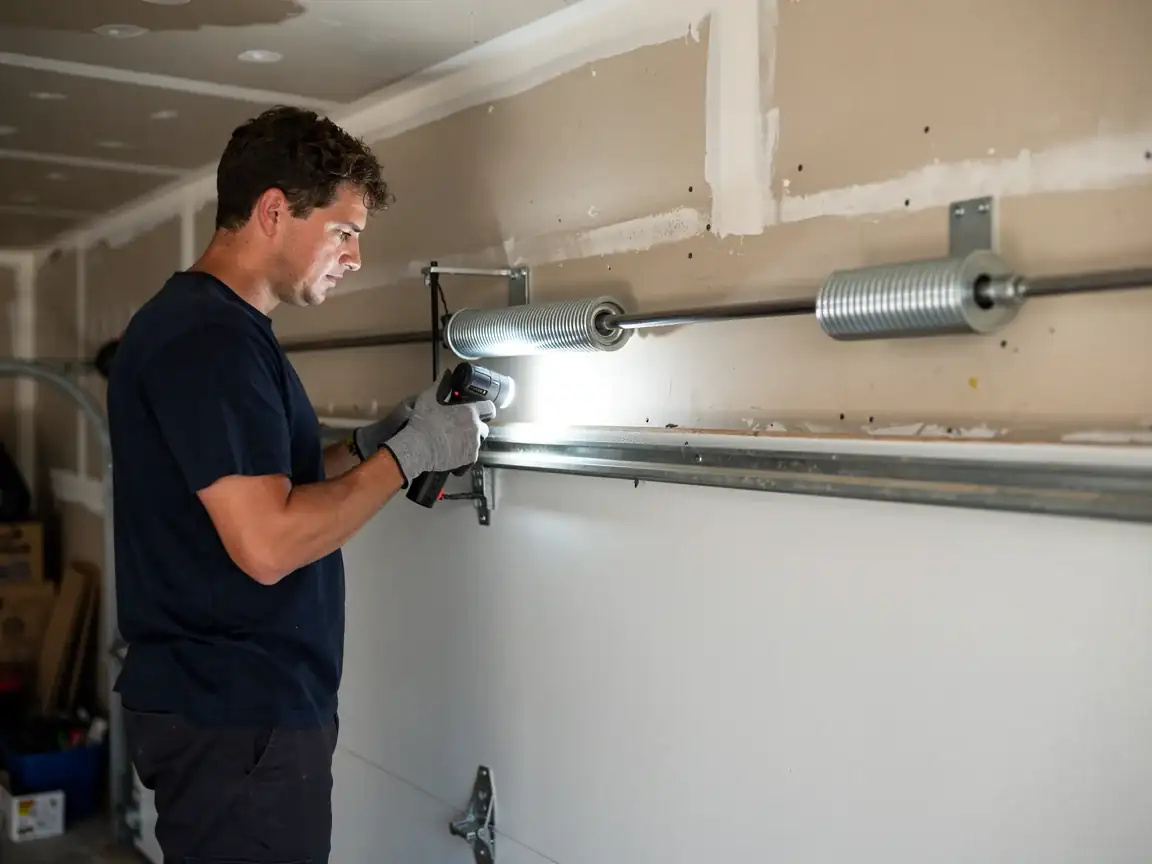
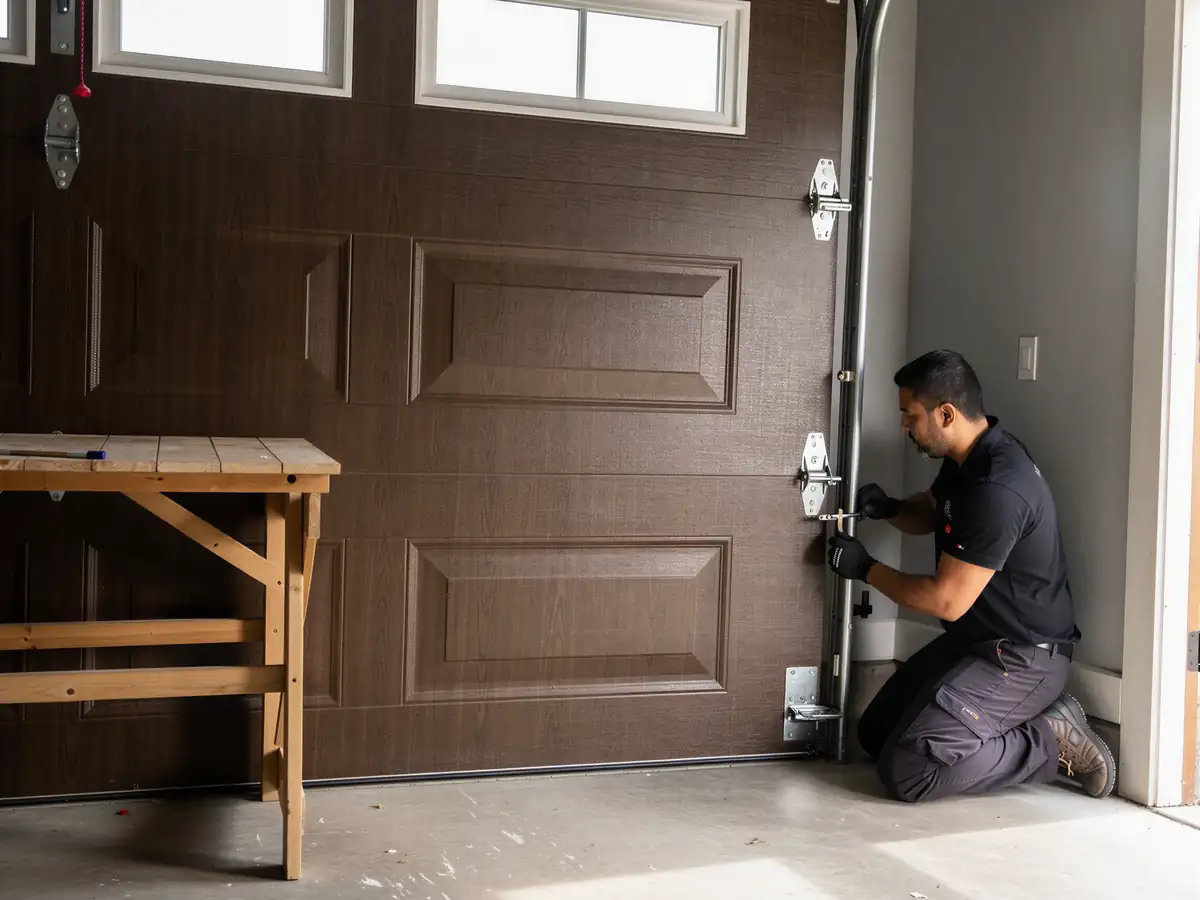
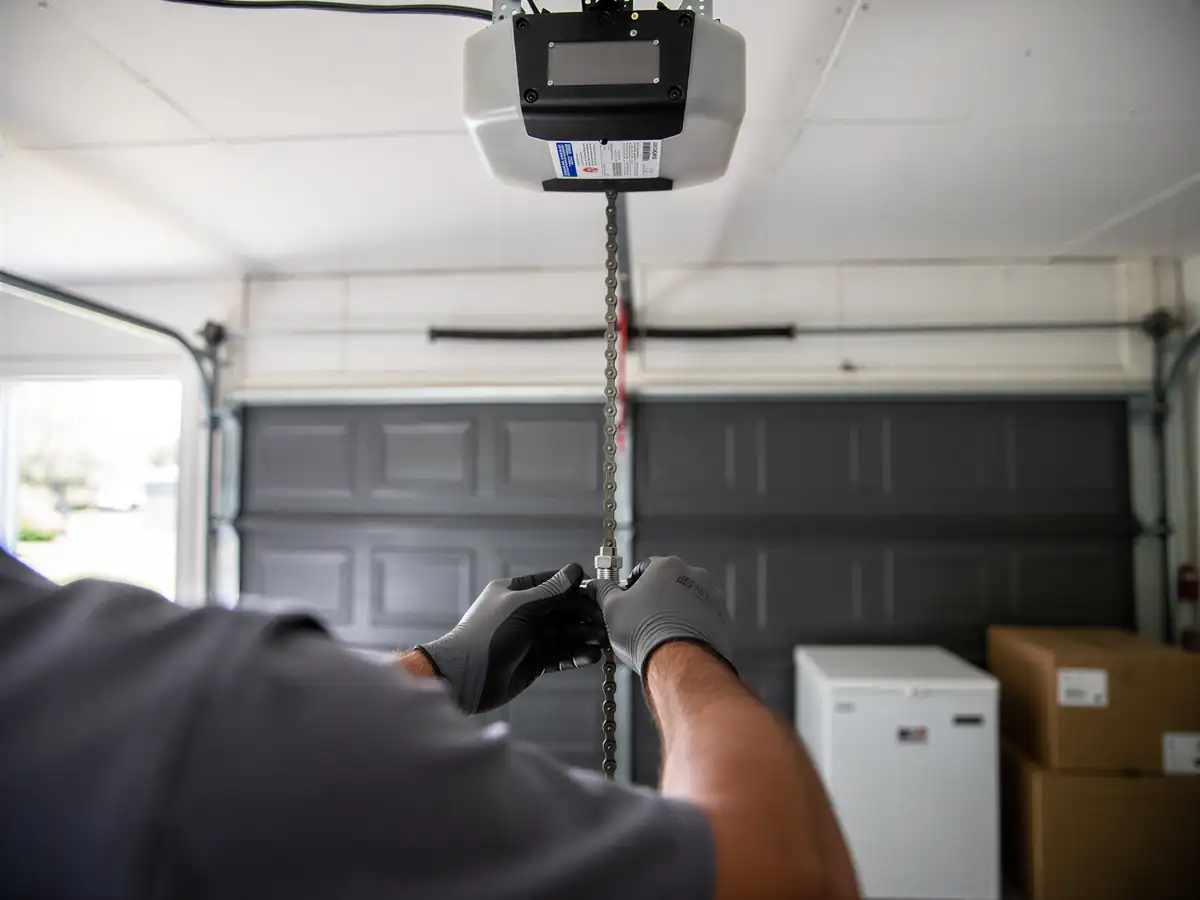
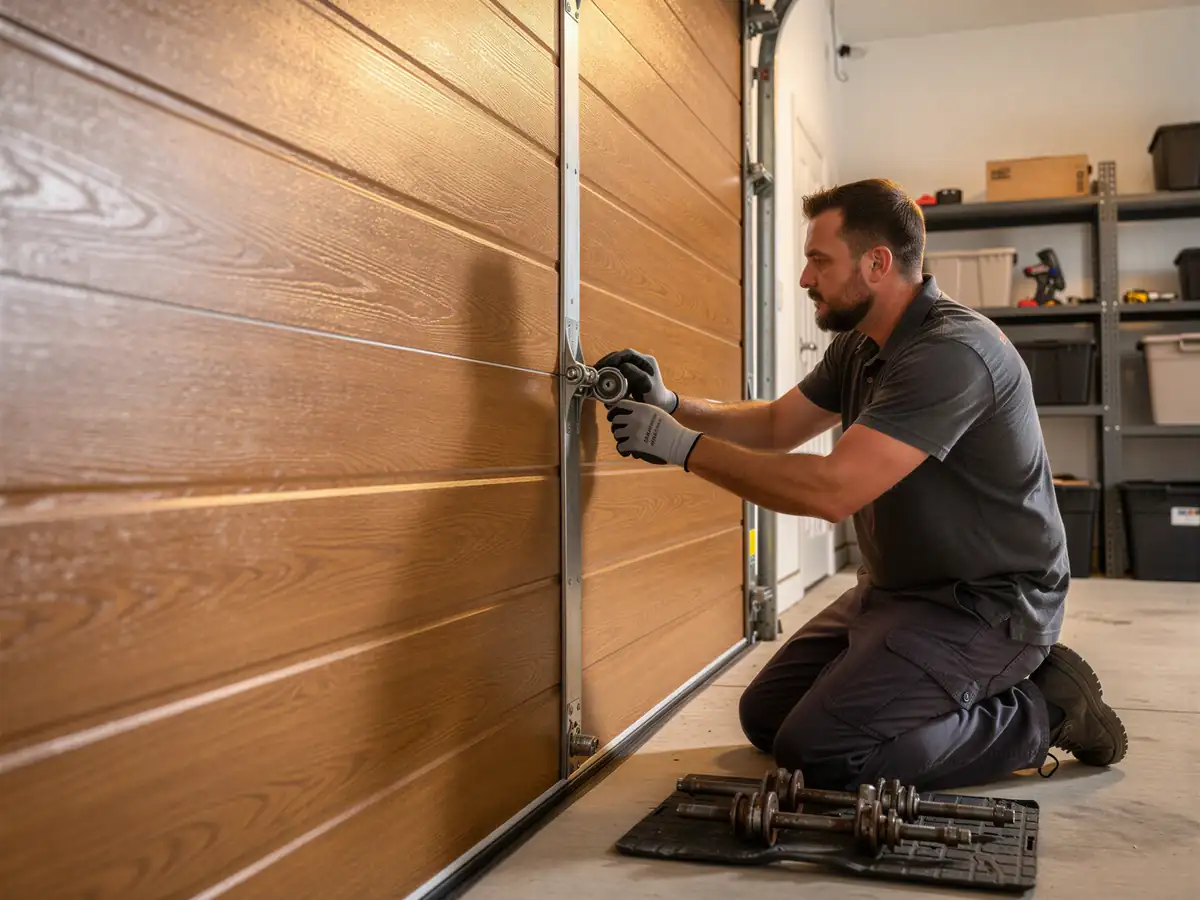
We start by checking what's actually there: a chain-drive unit from the original build, or a replacement from somewhere in that 1980s-to-2000s window that's now also near the end of its life. The old unit comes down, and we check the header bracket - on houses from this era it's often spaced for hardware that newer openers don't assume you have, so that bracket sometimes needs to be reset before the new rail goes up.
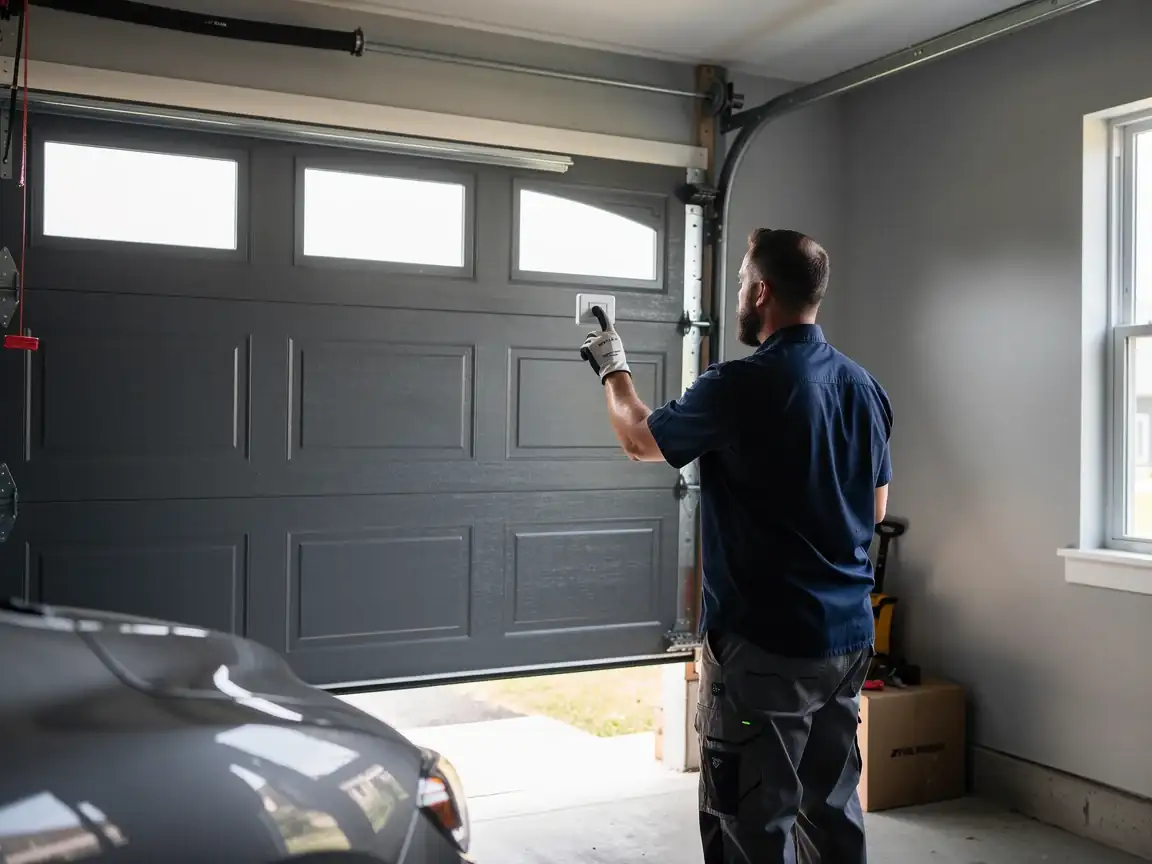
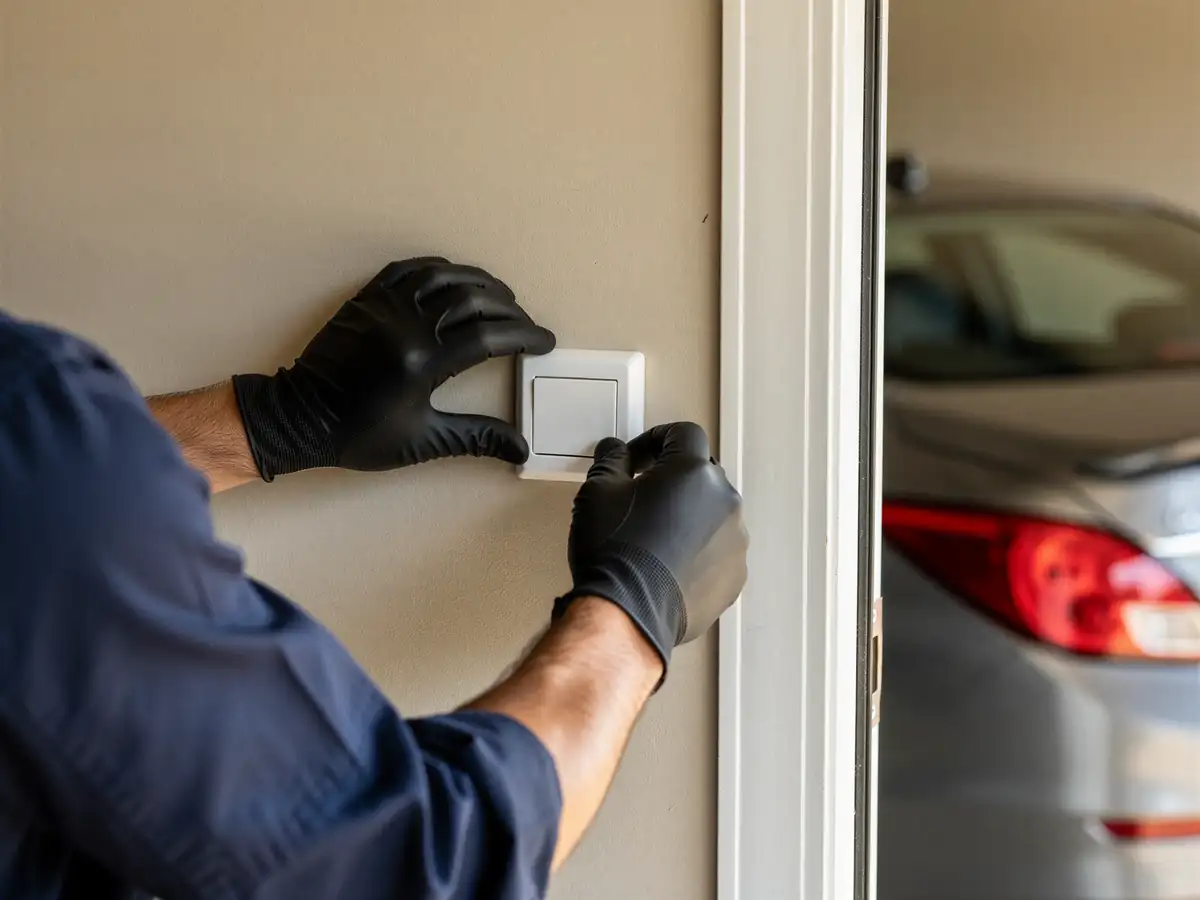
If the garage doesn't already have working photo-eye sensors, we add them and run the wiring properly, then test the reversal: the door has to stop and back up the instant something breaks the beam. We match the opener's horsepower rating to the door's actual weight rather than guessing, since a lot of these original doors are heavier wood or insulated steel than what gets sold today. Last step is programming the remote and any wall control, and walking through the manual release so you know how to use it if the power goes out.
Time on the Job
A clean swap, where the mounting points line up and the garage already has working safety sensors
Is a same-visit job. Where it runs longer is exactly the scenario common in Kannapolis's older housing stock - no existing sensor wiring, a header bracket that needs rework, or a rail that doesn't fit the existing track spacing without adjustment. We won't give you a number that assumes your garage is like the one down the street; the two houses might have been built the same year and still need different work.
We travel the roughly six miles from Concord for every Kannapolis call
So there's no separate branch adding its own scheduling layer - one crew, one trip. If the job needs a part we don't carry on the truck, that's the one honest delay we'll flag up front rather than promise around.
What You Pay
We don't post a flat number here because the two biggest cost drivers - whether your garage already has working safety sensors, and whether the header bracket needs reworking for a 1980s-era opening - vary house to house even within the same neighborhood. What we can tell you is that houses from Kannapolis's main build era more often need the sensor wiring added than houses built in the last fifteen years, and that adds labor time beyond the opener itself.
At a median household income of $70,691, most of the Kannapolis owners we talk with are weighing a straightforward motor swap against paying once to also sort out old bracket hardware so the next opener install, years from now, is a simple one. We'll tell you plainly if your garage is a quick swap or a bigger job before we start, not after.