Booking a Visit
China Grove sits about 13 miles from our shop in Concord
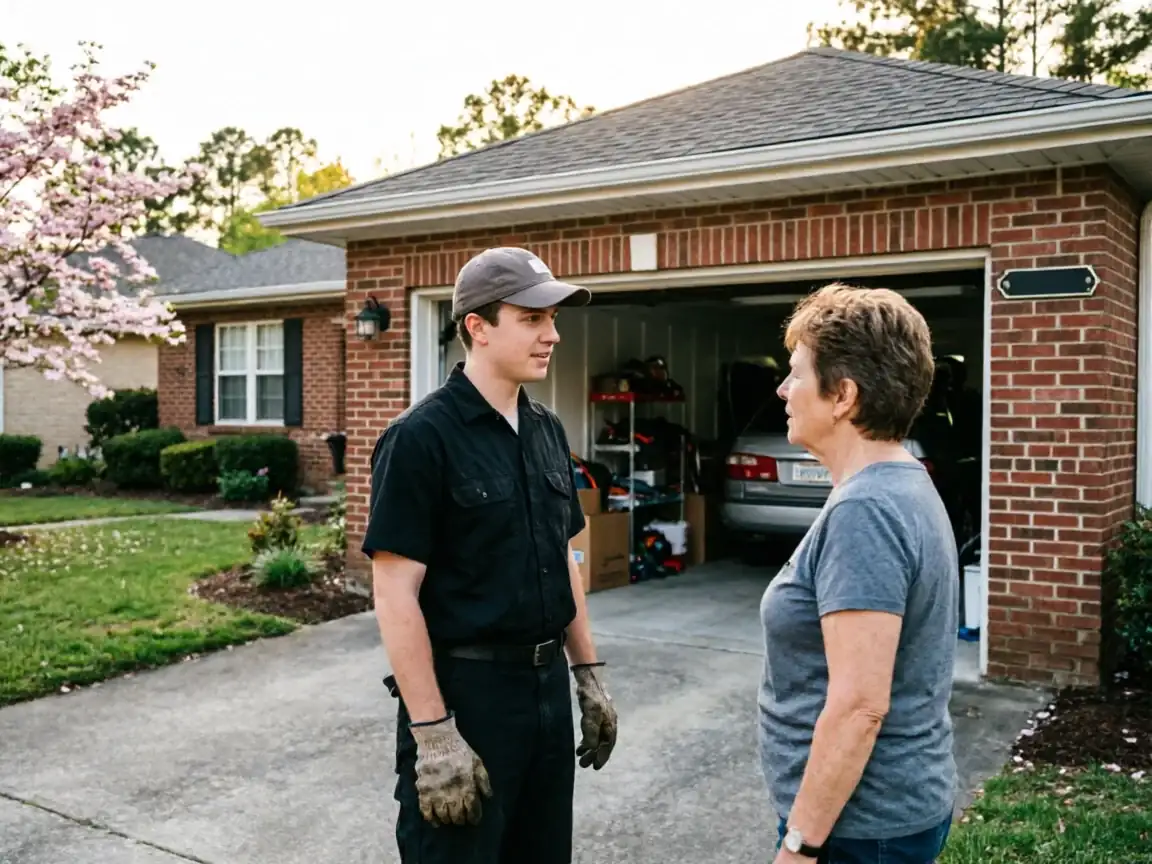
So when you call, you're booking a drive, not a walk-in. We don't keep a branch or a drop box in China Grove - every job here starts with a truck leaving Concord and ends with the same truck leaving once the door's buttoned up. That matters for how you plan your day: tell us what the door is doing (won't open, won't close, grinding, off track) when you call, so we load the right springs, rollers, or opener parts before we're on the road. A wasted trip because we guessed wrong on parts costs you time we'd rather spend fixing the door.
- 13 miles
China Grove's own numbers are small next to the rest of the service area
Just under 2,000 households here, compared to 61,059 across the whole area we cover. That's not a knock on the town; it just means we're not driving past three other calls on the way to you. One job, one visit, one truck.
- 2,000 households
Time on the Job
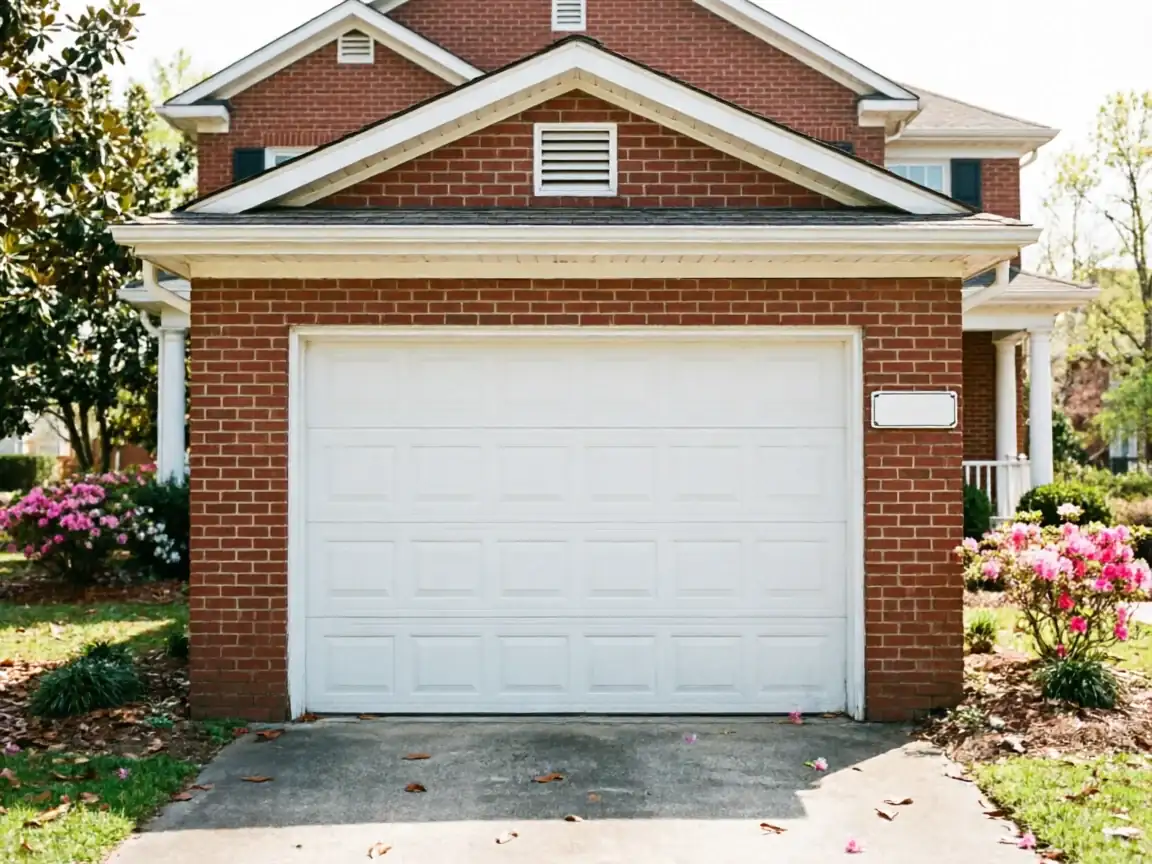
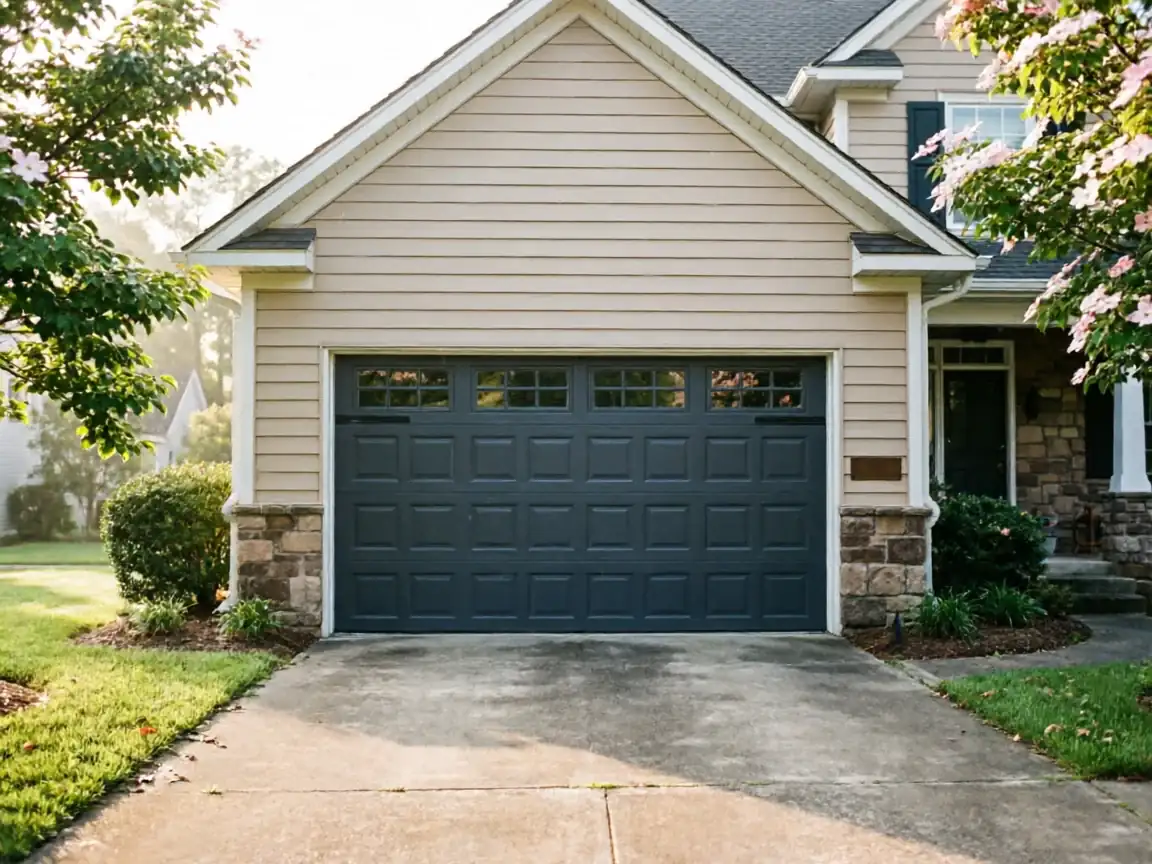
The median house in China Grove went up around 1969. That's nearly two decades older than the 1987 median for the service area as a whole, and it shows up the moment we open the panel. Doors from that era are more likely to be original single-layer steel or even older wood sectional doors, running on torsion or extension hardware that nobody has restocked since the Carter administration. Finding a matching track bracket or a replacement bottom bracket can take longer than the repair itself.
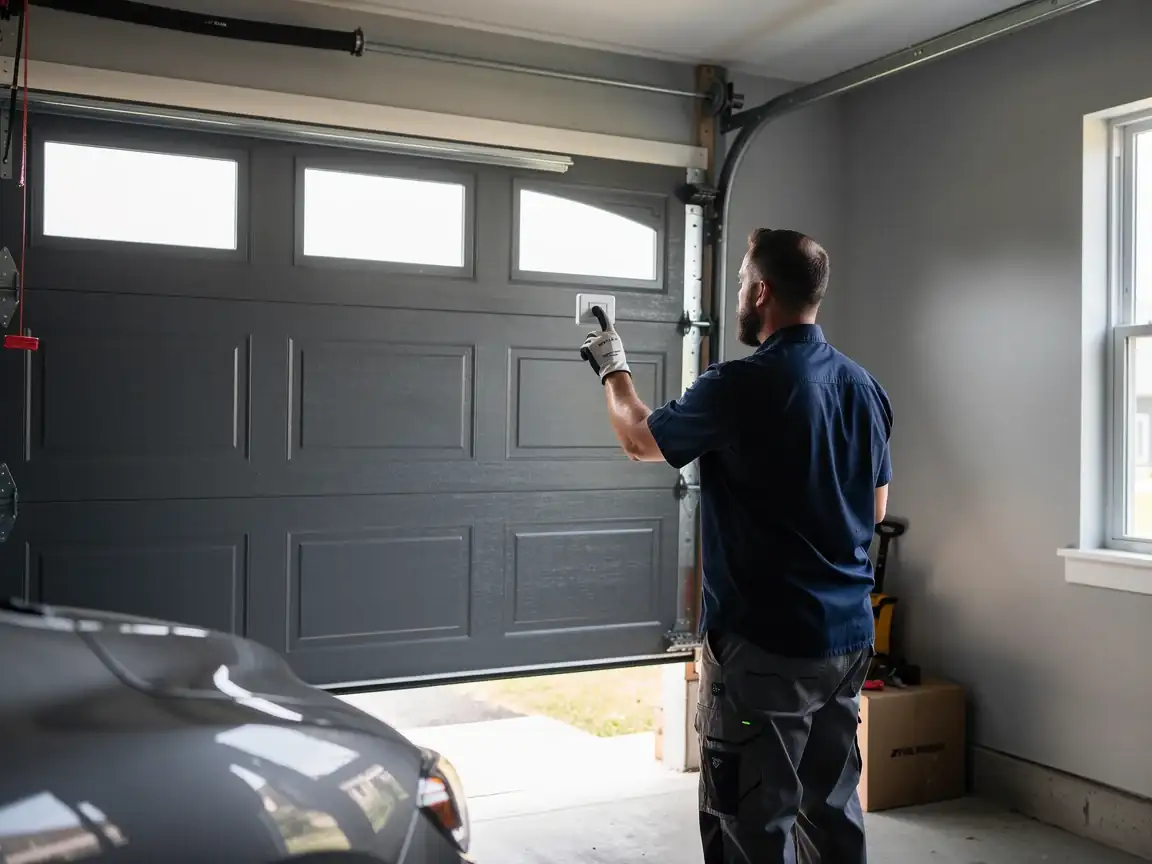
On a 1987-era house, a broken spring job is usually 45 minutes once we're wound and balanced. On a China Grove house from the late 1960s, add time for sourcing hardware, double-checking that the opener (if one was ever added) is even rated for the door's weight, and sometimes rebuilding a section instead of swapping a part. We'd rather tell you that up front than have you watch the clock.
Doing It Yourself
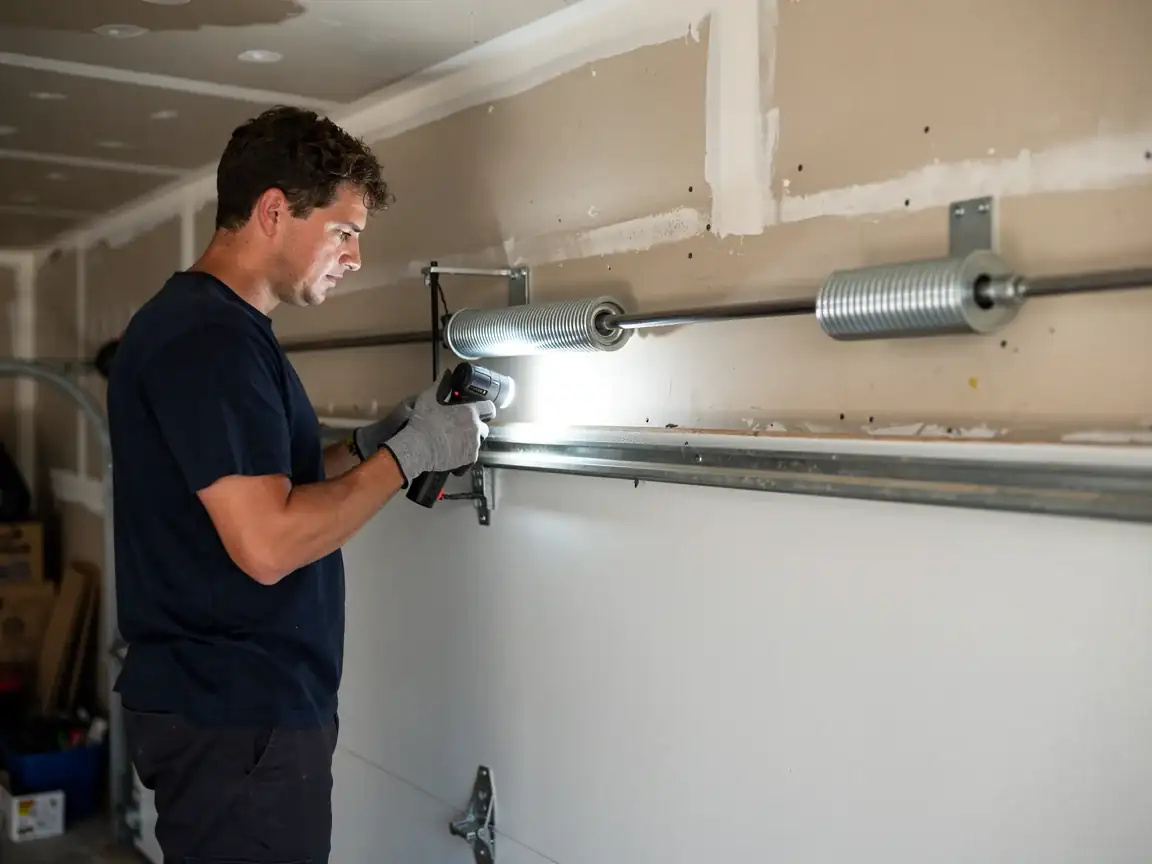
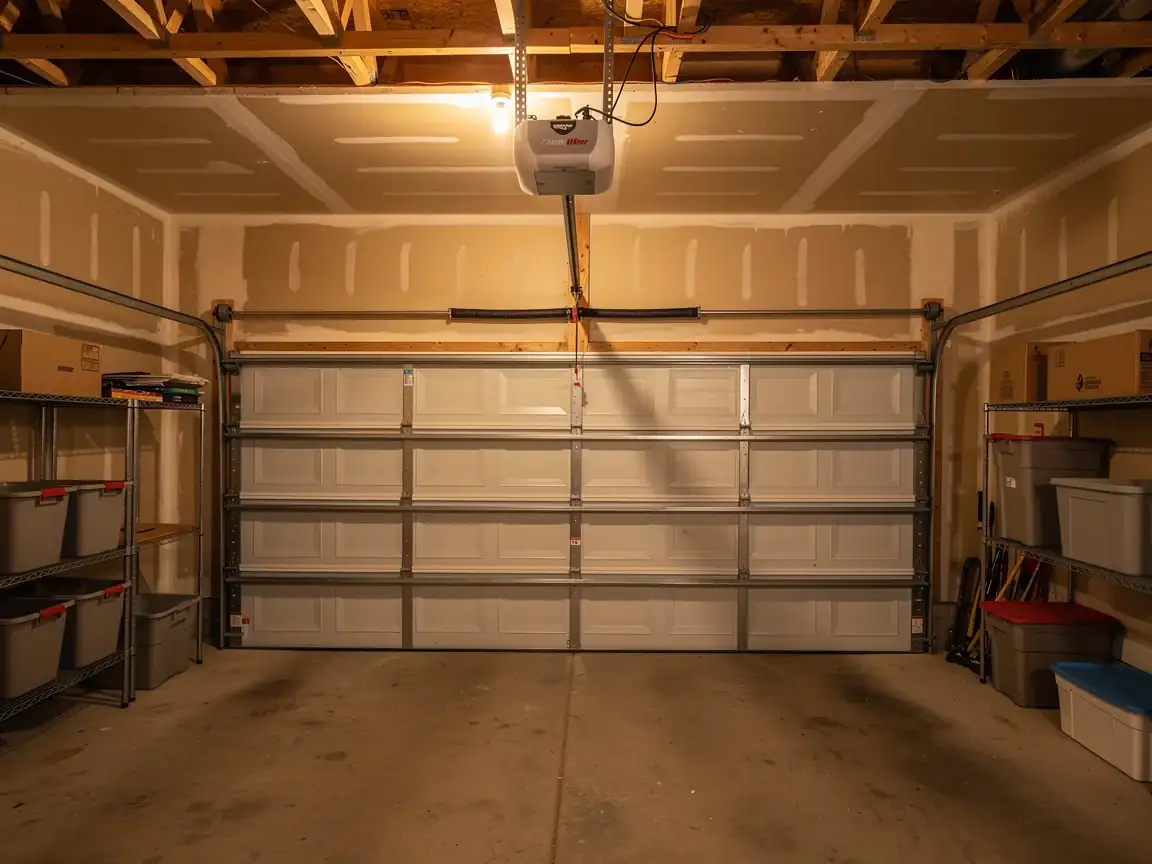
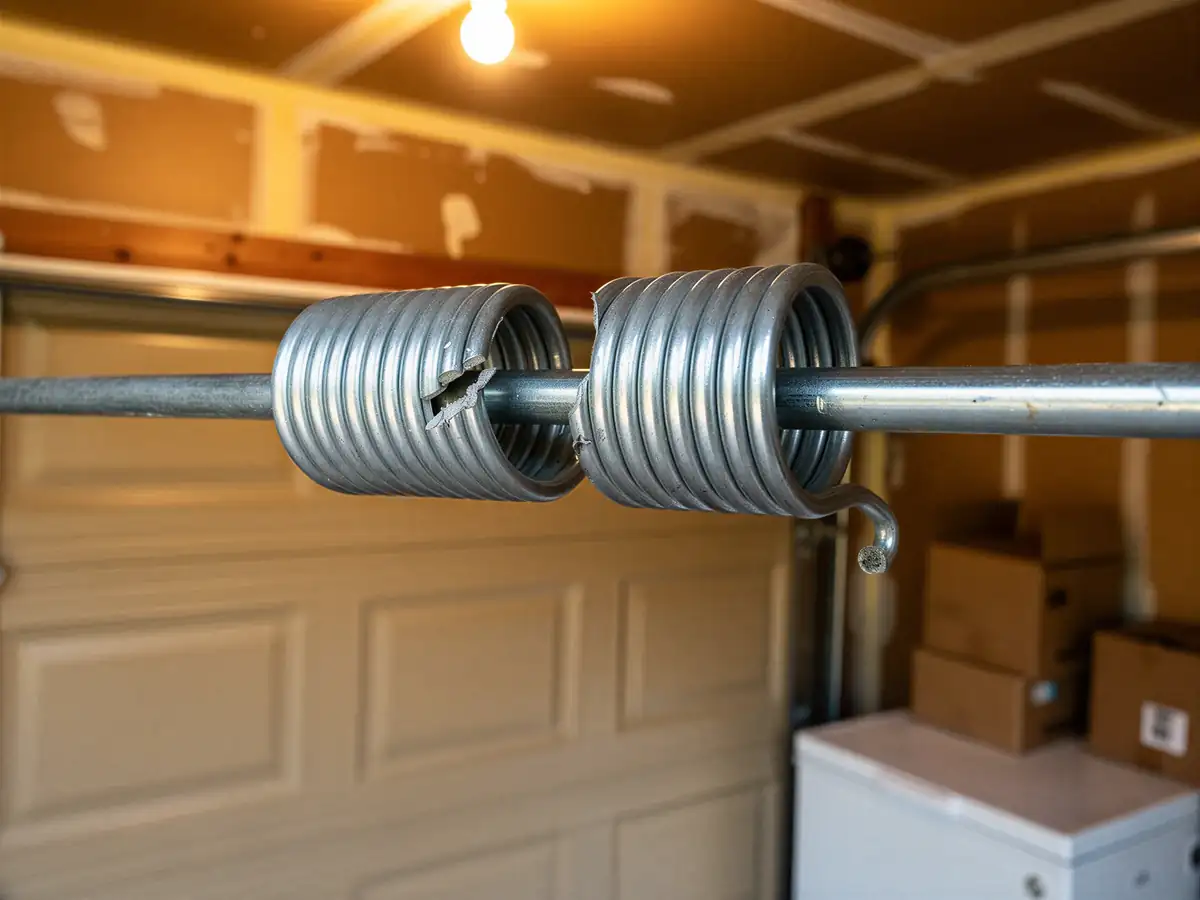
A door this old is not where we'd recommend a DIY spring swap. Torsion springs on 1960s hardware were sized to a door weight and wind pattern that current off-the-shelf springs don't always match - guess wrong and you either strain the opener or snap a cable under load. Lubricating hinges and rollers, tightening loose track bolts, and testing the balance by hand (lift the door halfway and see if it holds) are all fair game and worth doing between visits.
One honest limit: if your door is original to a 1969-built house and the track is bent or the panels are rusted through at the bottom, we're not going to spend an afternoon patching something that's at the end of its life. Parts for doors this old sometimes have to be special-ordered, and that lead time can run longer than a straight replacement. We'll tell you which way the math points before we start charging for either.
Where This Job Goes Sideways
The usual trap in China Grove is treating an old door like a new one
A homeowner orders a universal spring kit sized for a standard 1990s door, puts it on a door built twenty years earlier, and ends up with a door that slams down instead of lowering - or an opener motor that burns out trying to lift more weight than it's rated for.
The area sits in a cold-moderate climate band
So winter mornings matter here: a door that's slightly out of balance on a cold start puts more strain on the opener's gears than the same door would on a mild day. Combine that with original 1960s hardware and a cable that's been flexing for fifty-plus winters, and a 'minor' squeak can turn into a snapped cable fast. If your door's original to the house and making new noises, that's the point to call, not after it's stuck halfway down.