Booking a Visit
China Grove sits about 13 miles from our Concord shop
Which is longer than most of the stops on our route. That distance doesn't change what the job costs or how we work once we're on your driveway, but it does mean a roller call here gets scheduled, not squeezed in between two closer jobs. If you've got a door grinding, hopping off the track, or dragging on one side, tell us that up front when you book - it helps us bring the right roller stock the first trip instead of a second one. We don't run a branch in China Grove; every truck comes from Concord, so a same-day ask depends on what's already on the route that day.
- 13 miles
Median household income in China Grove runs lower than the broader service area average
And we mention that because roller jobs here often get deferred a year or two past when they should be fixed - a worn roller left alone eventually chews up the track it rides in, turning a $20-a-roller fix into a track replacement. Booking early, before the door is grinding metal on metal, keeps the job small.
Time on the Job
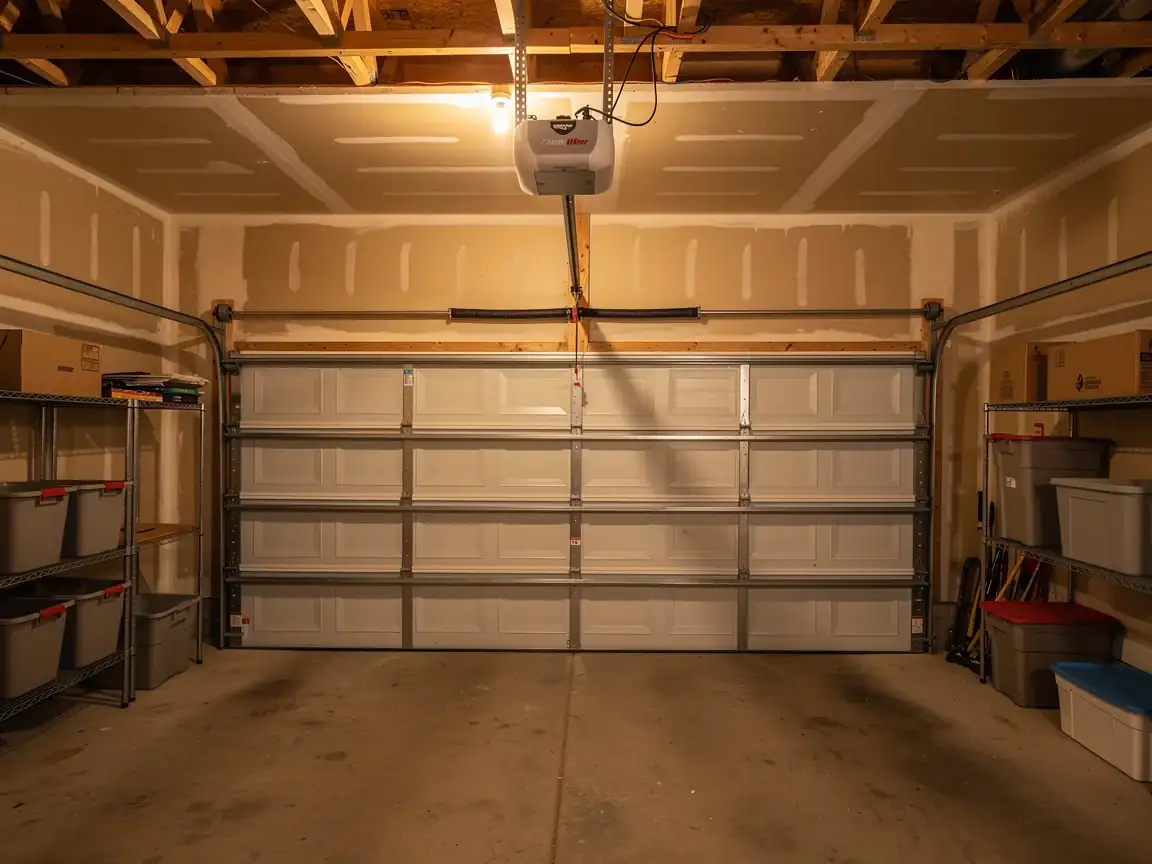
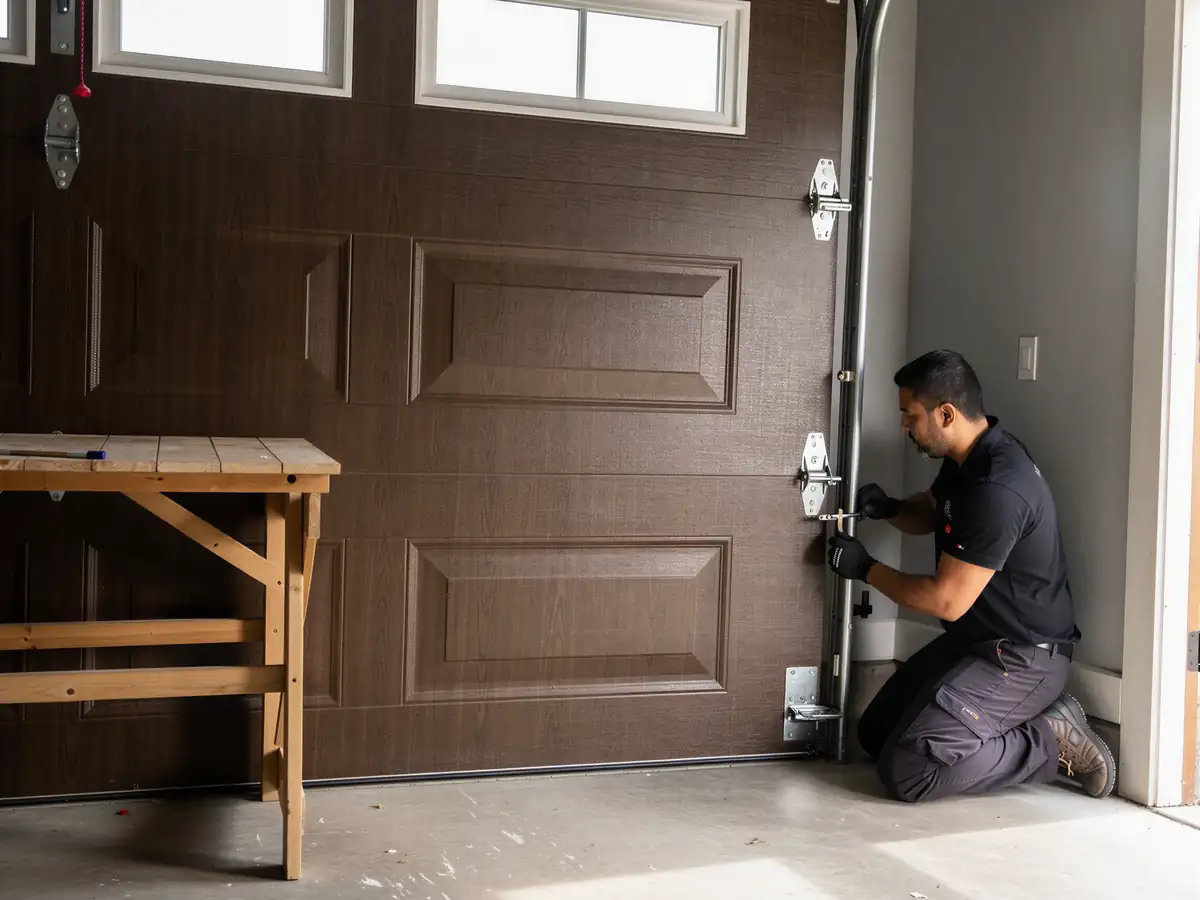
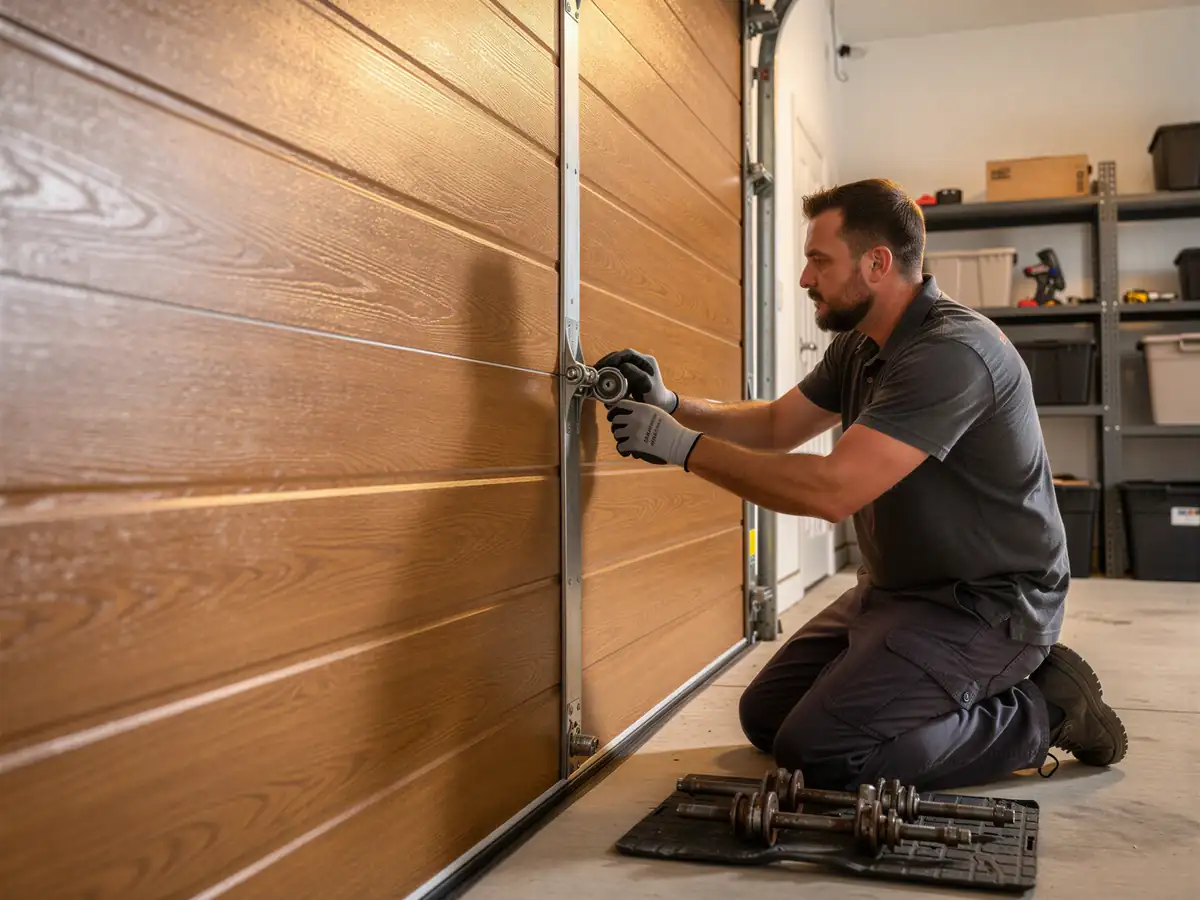
A straight roller swap - nylon rollers on steel stems, ten or twelve of them down both tracks - is a short visit once we're there. What stretches the clock in China Grove is the housing stock. The median home here dates to around 1969, noticeably older than the newer construction spread through much of the rest of our coverage area, and doors that old were often fitted with steel rollers on plain bearings, sometimes on tracks that have been bent back into rough shape by hand over the decades rather than replaced. Swapping those out means squaring up the track alignment too, not just dropping in new rollers.
Cold-climate swings also play a role in how rollers wear here - stiff grease and contracted metal in the cold months put more load on an aging roller stem than most owners realize, which is part of why some of these original-era doors are on their second or third set of rollers by now, not their first.
Doing It Yourself
Swapping a single worn roller on a newer door with plastic retainer clips is a job a lot of owners handle themselves, and we won't talk anyone out of it. China Grove's older housing stock makes that less straightforward. On a door built when the house was - late 1960s or 1970s hardware - the bottom rollers often sit in brackets holding the lift cable under tension, and pulling the wrong roller on a loaded cable can snap a finger or worse. That's not a scare line, it's just how that hardware is built.
If your rollers are the sealed-bearing nylon kind on a newer replacement door, the top ones are a reasonable DIY swap with the door disconnected from the opener. If you're not sure which kind you have, or the bracket looks original to the house, that's the point where a call is worth more than a YouTube video.
Where This Job Goes Sideways
The failure we see most in a town with this much older housing stock is a roller job that was actually a track job
If the rollers have been grinding against a bent or worn track for a while, new rollers alone won't quiet the door down - they'll just wear unevenly against the same bad track within a few months. We'll tell you straight if that's what's going on rather than sell you rollers twice.
The other place it goes sideways is parts availability for older stem sizes
Original hardware from the late 1960s and 1970s sometimes used roller stems that don't match the stock sizes we carry on the truck, and if that's the case, the first visit becomes a measuring trip rather than a repair. We won't guess at a stem length and charge you for guessing wrong.