Booking a Visit
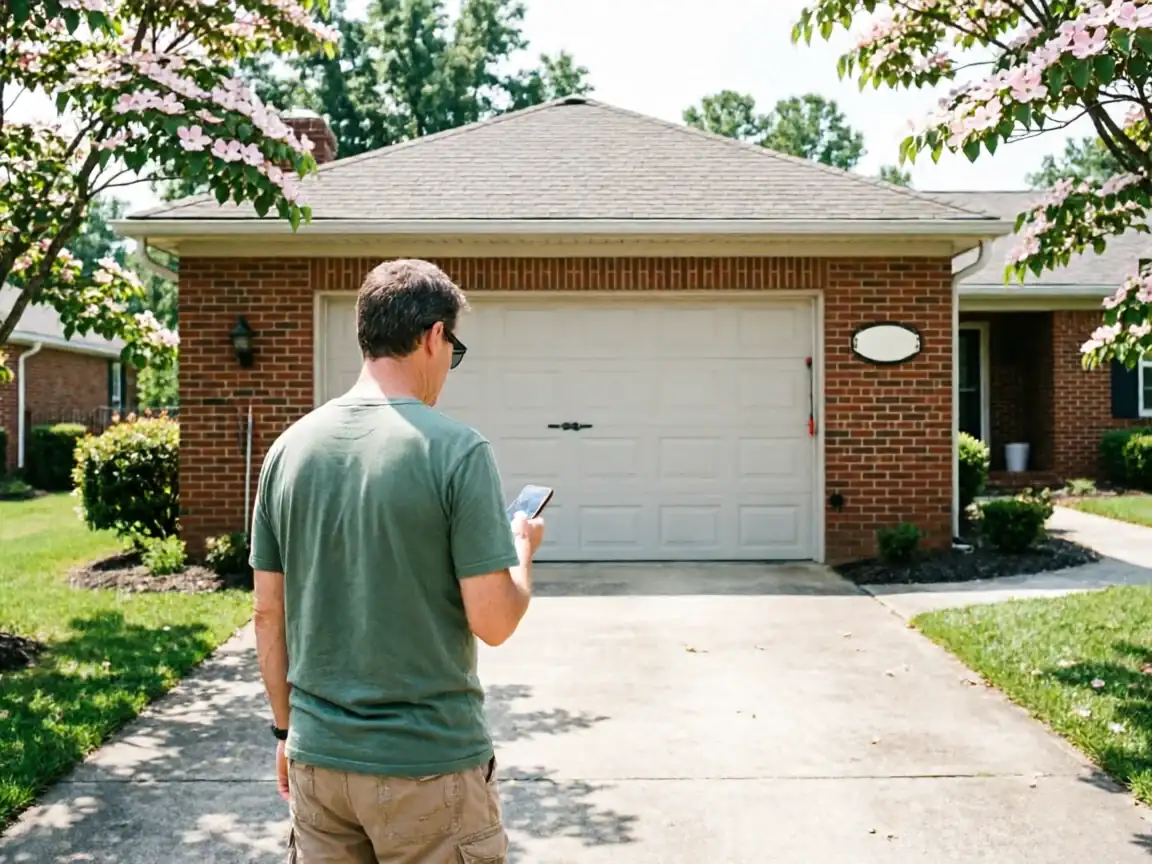
China Grove sits about 13 miles from our Concord shop
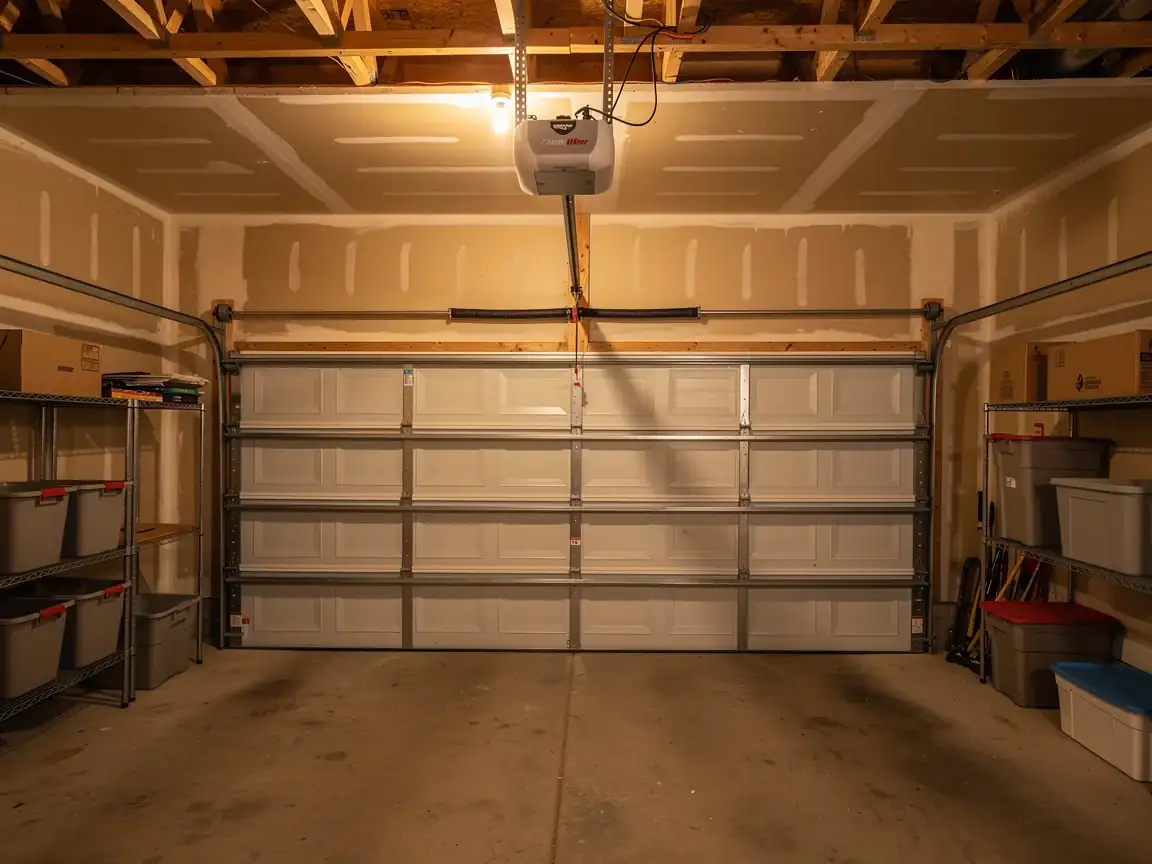
And we don't keep a depot or a standing crew out this way - every opener call here is a trip we plan into the day's route. That's not a knock on the town; it's just smaller than some of the other areas we cover. China Grove counts roughly 1,993 households, a fraction of the 61,059 across the wider service territory, so calls here get folded in with stops in Rockwell, Granite Quarry, or Landis on the same run rather than dispatched on their own. When you call, tell us the brand plate on your opener motor if you can read it - on a house this age, it tells us more about what we're walking into than the symptom does. We'll ask about the drive type (chain, belt, screw) and whether the wall control still has the original buttons or a replacement panel, since mismatched replacements are common on older units.
- 13 miles
- 1,993 households
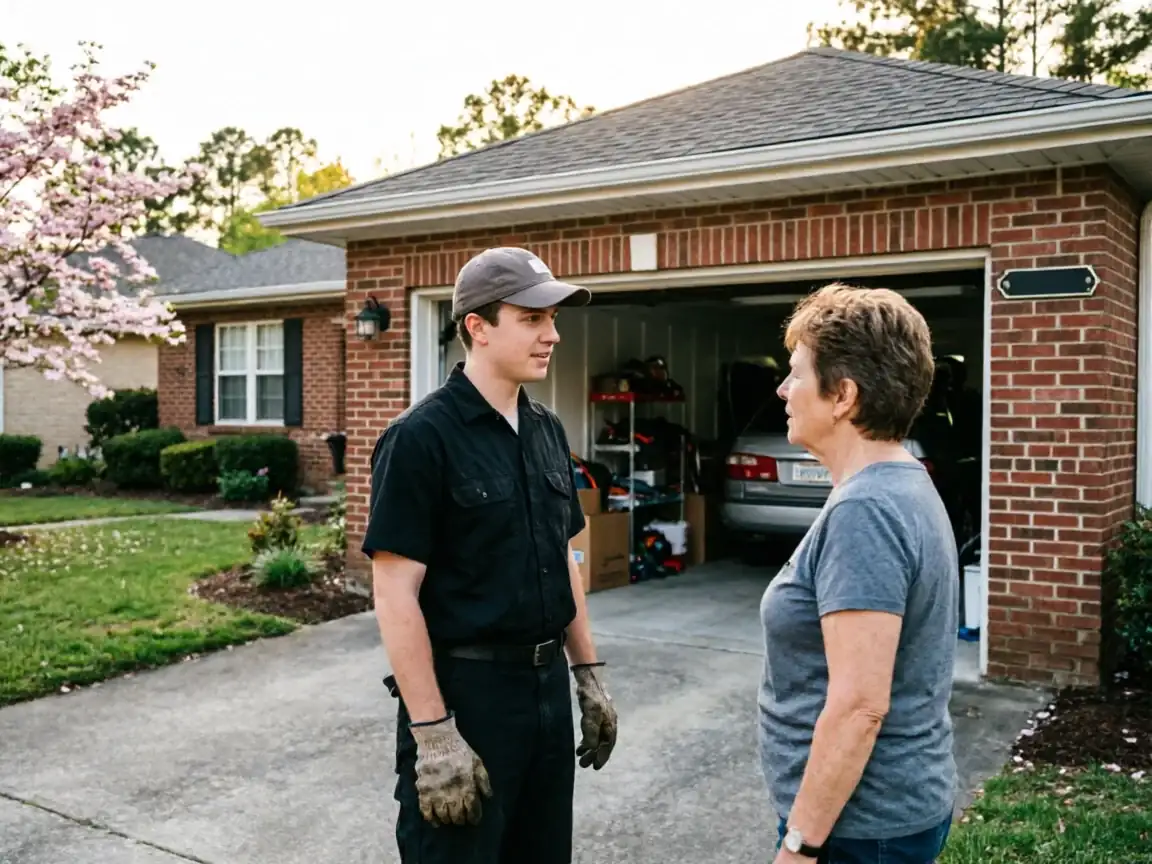
Because we're coming from Concord, we can't promise a same-day slot the way a shop based in town might
We schedule the visit, confirm the parts likely needed based on what you describe, and bring what we can. If the unit turns out to need something we don't carry on the truck, that's a second trip - see the limitation below.
Time on the Job
China Grove's median home was built in 1969, a good eighteen years earlier than the 1987 median across the rest of the Concord coverage area. That gap matters for openers specifically: a house from the late 1960s has usually been through at least one, often two, full opener replacements already, and what's on the ceiling now is rarely original equipment. What we commonly find instead is a mix - a newer chain-drive unit bolted to bracket hardware that predates it, or a belt-drive retrofit wired into a box that was never meant for it. Sorting out which parts are original to the current opener and which were carried over from an older install takes longer than quoting a job over the phone.
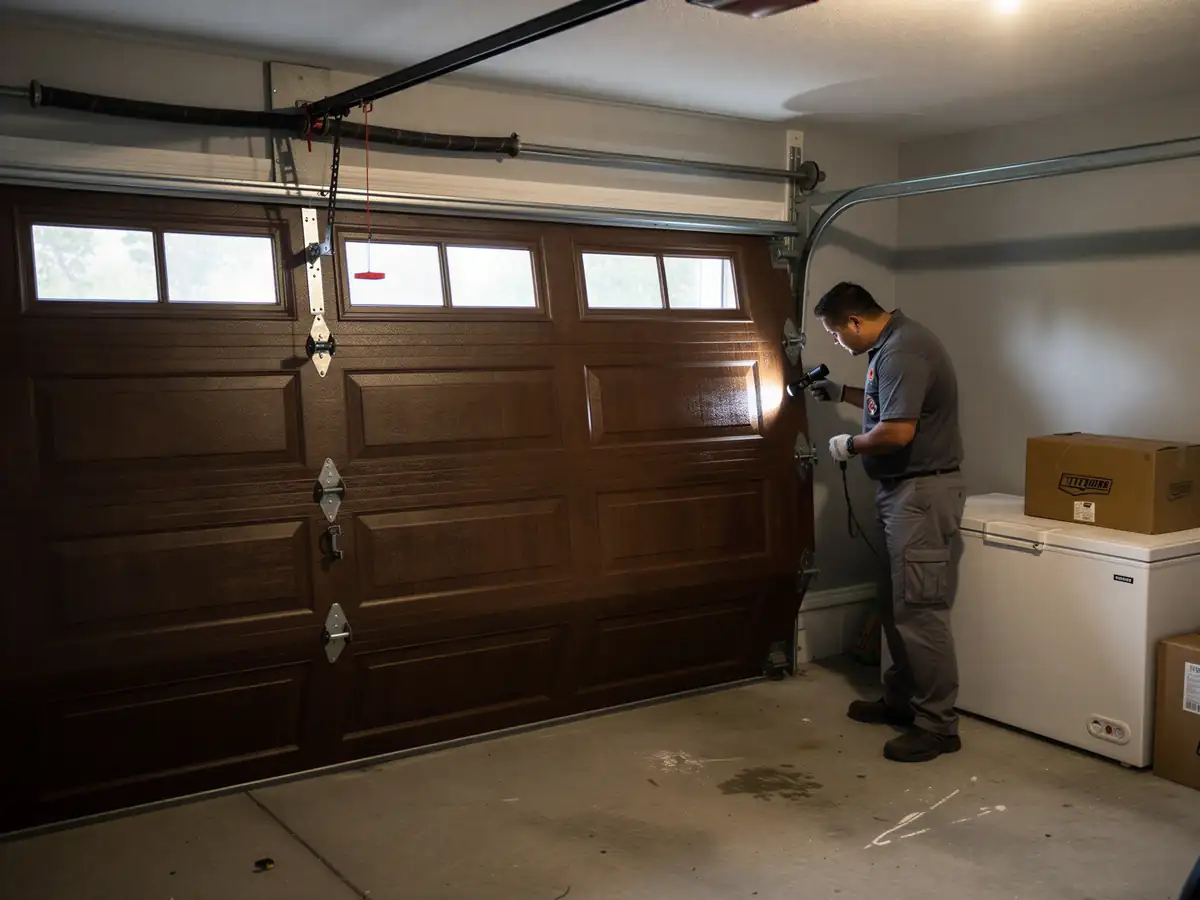
We don't give a fixed time window for this page because it depends entirely on what we find once the cover's off - a logic board swap is quick, a full rewire because of inherited old wiring is not. What we can tell you is that on houses this age, we budget time to check the rail alignment and the bracket mounting before we touch the motor, because a motor that's been straining against bad alignment for years often isn't the actual failure.
Doing It Yourself
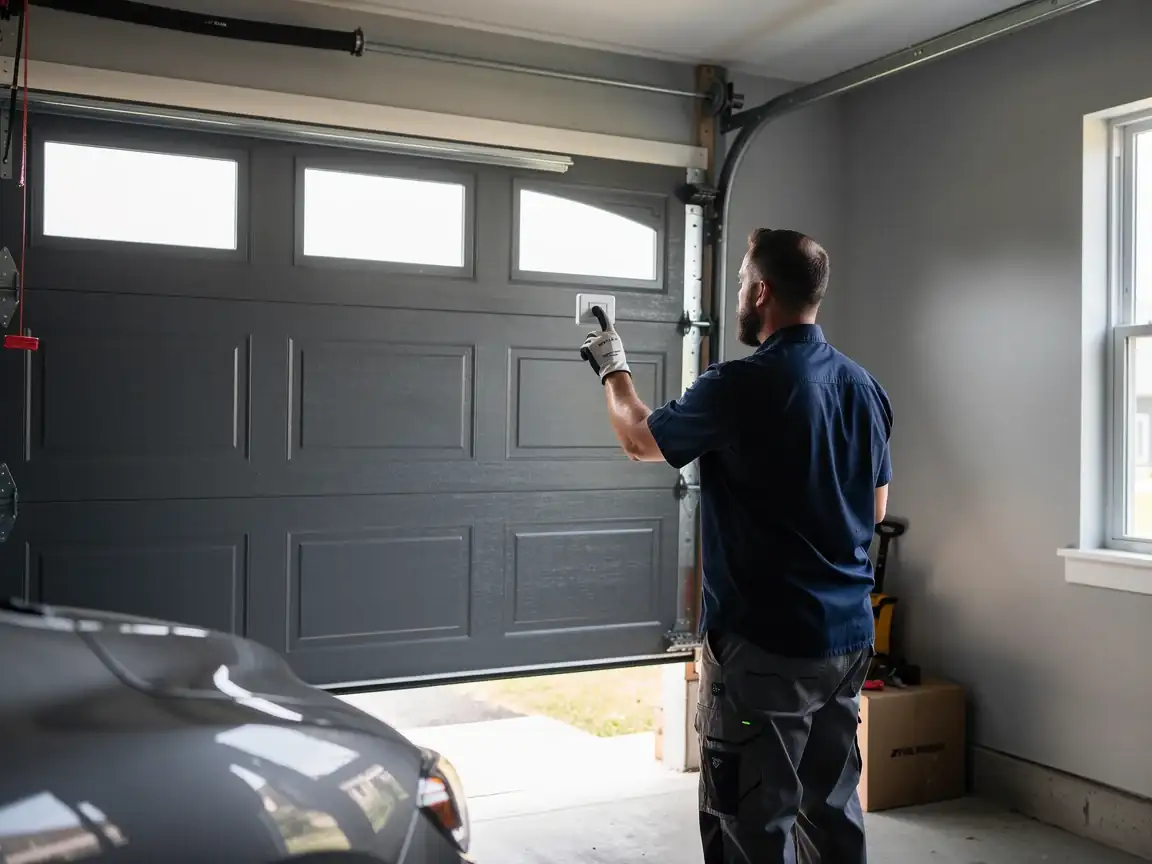
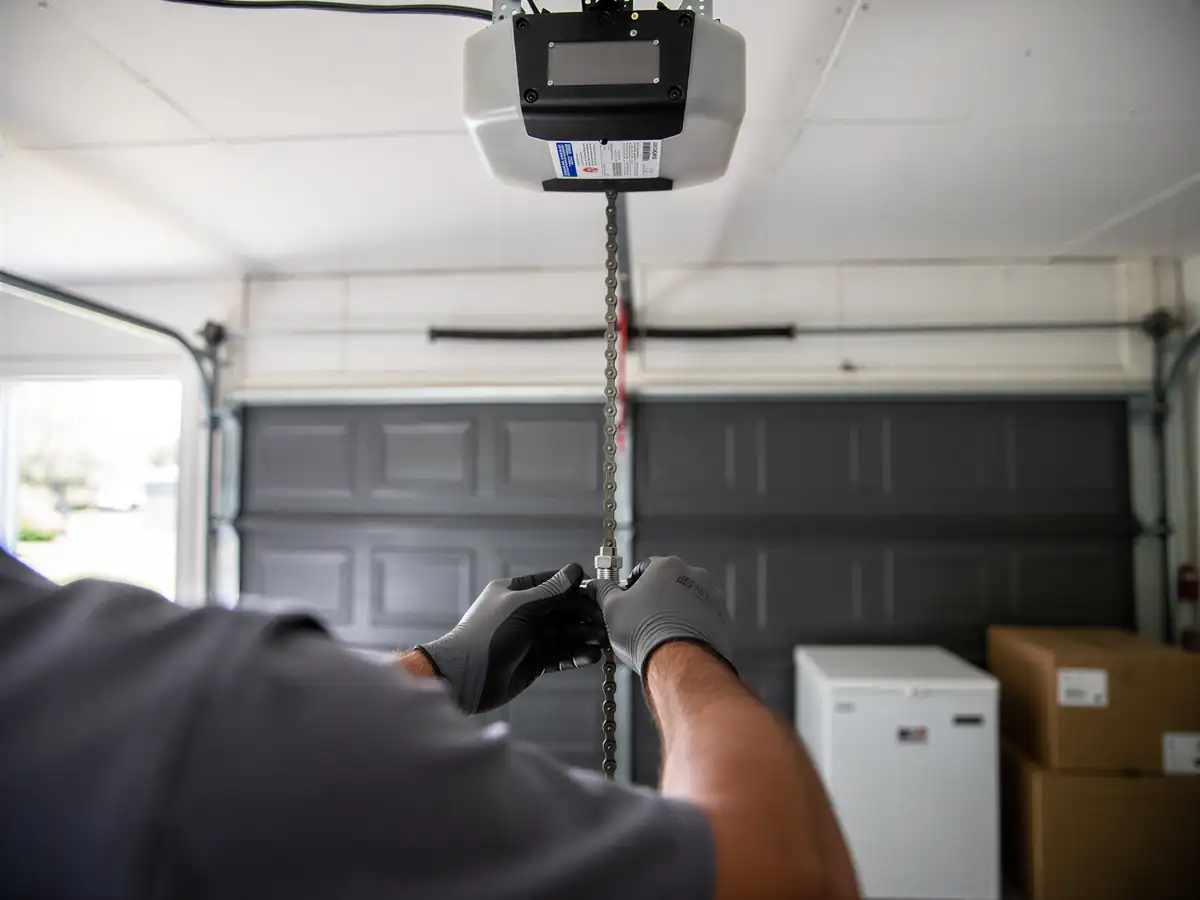
If your opener dates from before the mid-1990s - and on a street where the median house went up in 1969, that's a real possibility if it's never been swapped - it likely doesn't have the photo-eye safety sensors or auto-reverse pressure settings that became standard later. That's not something you can retrofit safely as a weekend project; it needs a proper replacement unit, not a patch. Testing the sensors (if you have them), tightening a loose chain, or replacing worn weatherstripping on the opener's end are all reasonable DIY jobs.
What we'd steer you away from: opening the motor housing to get at gears or circuit boards, adjusting the force or travel limits without understanding how they interact with your specific spring tension, or wiring in a universal remote on a system you're not sure is grounded correctly. With median household income here at $53,717 - notably under the $79,765 figure for the broader coverage area - we get it that a full opener swap isn't always the first choice, and we'll tell you honestly when a $40 part fixes it versus when the unit's done.
Where This Job Goes Sideways
The failure mode we see most on older China Grove houses isn't the opener itself
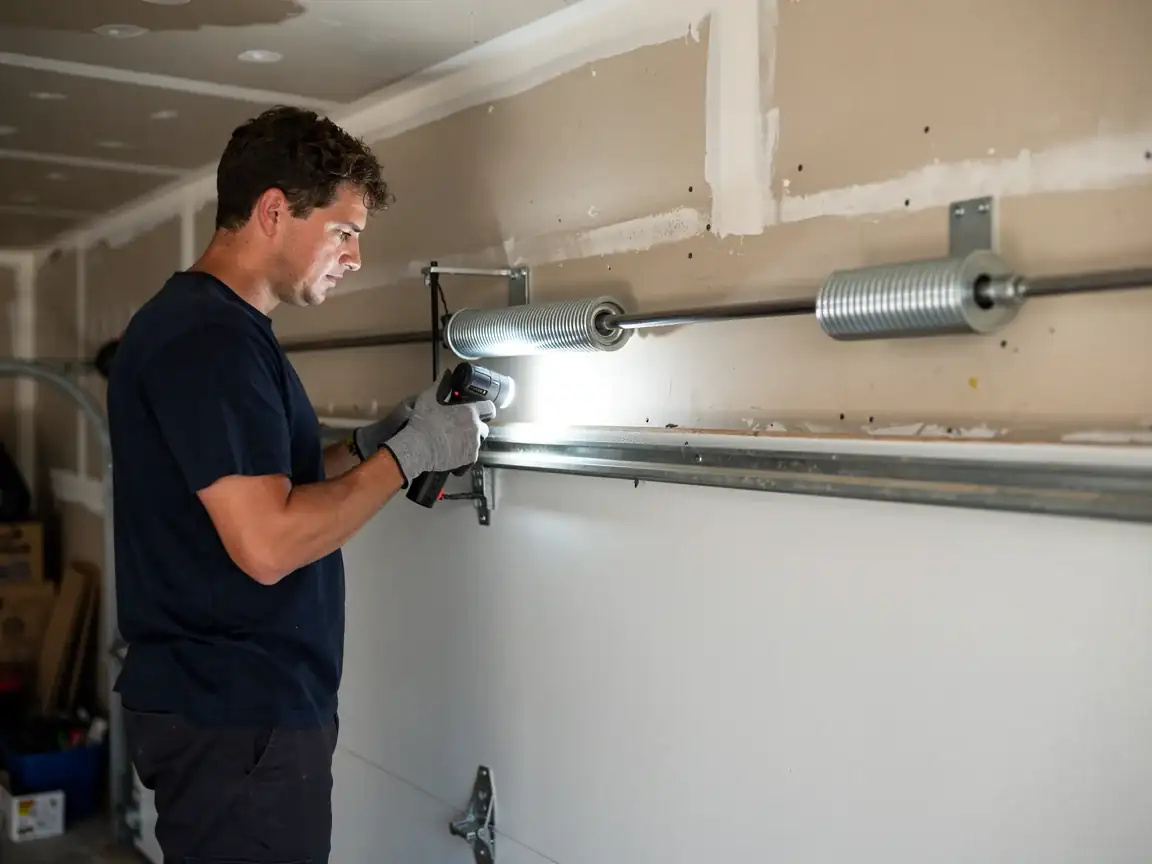
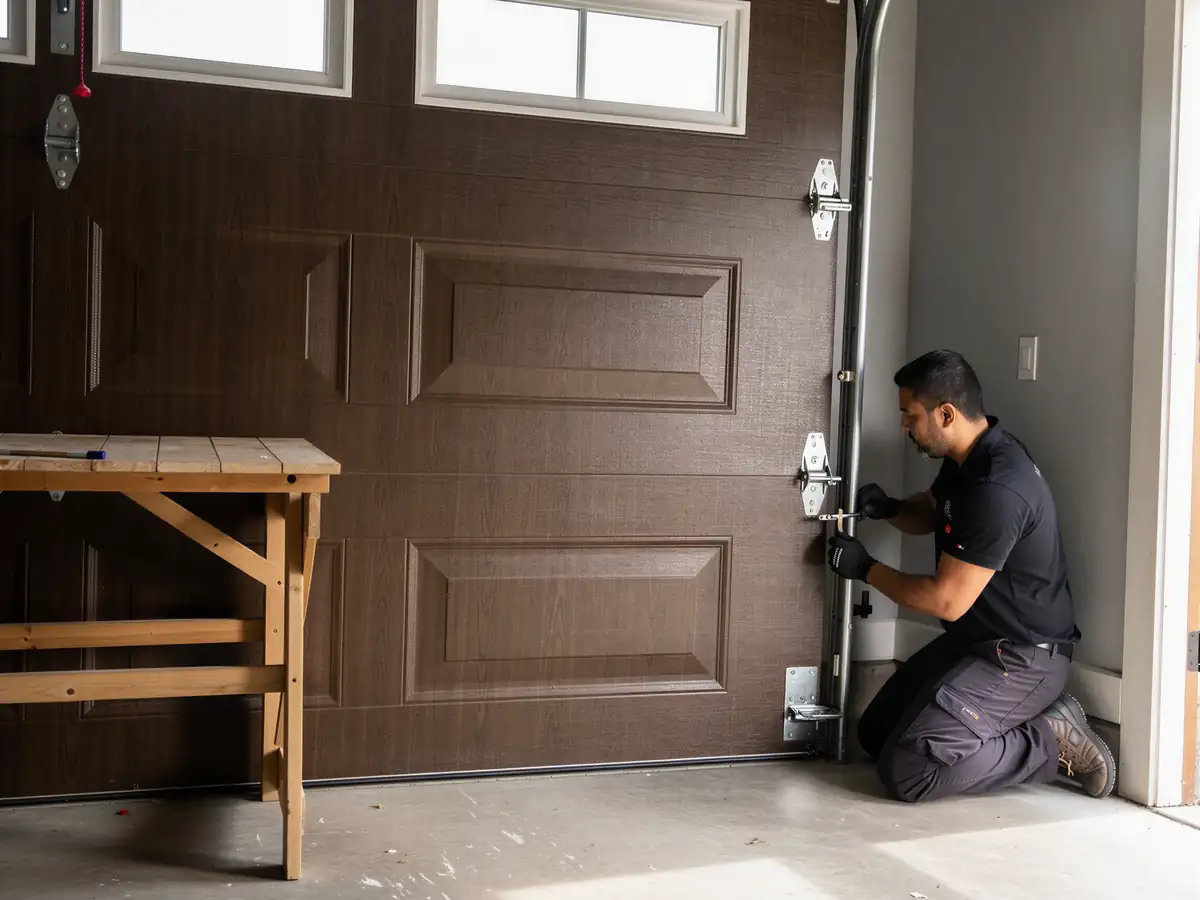
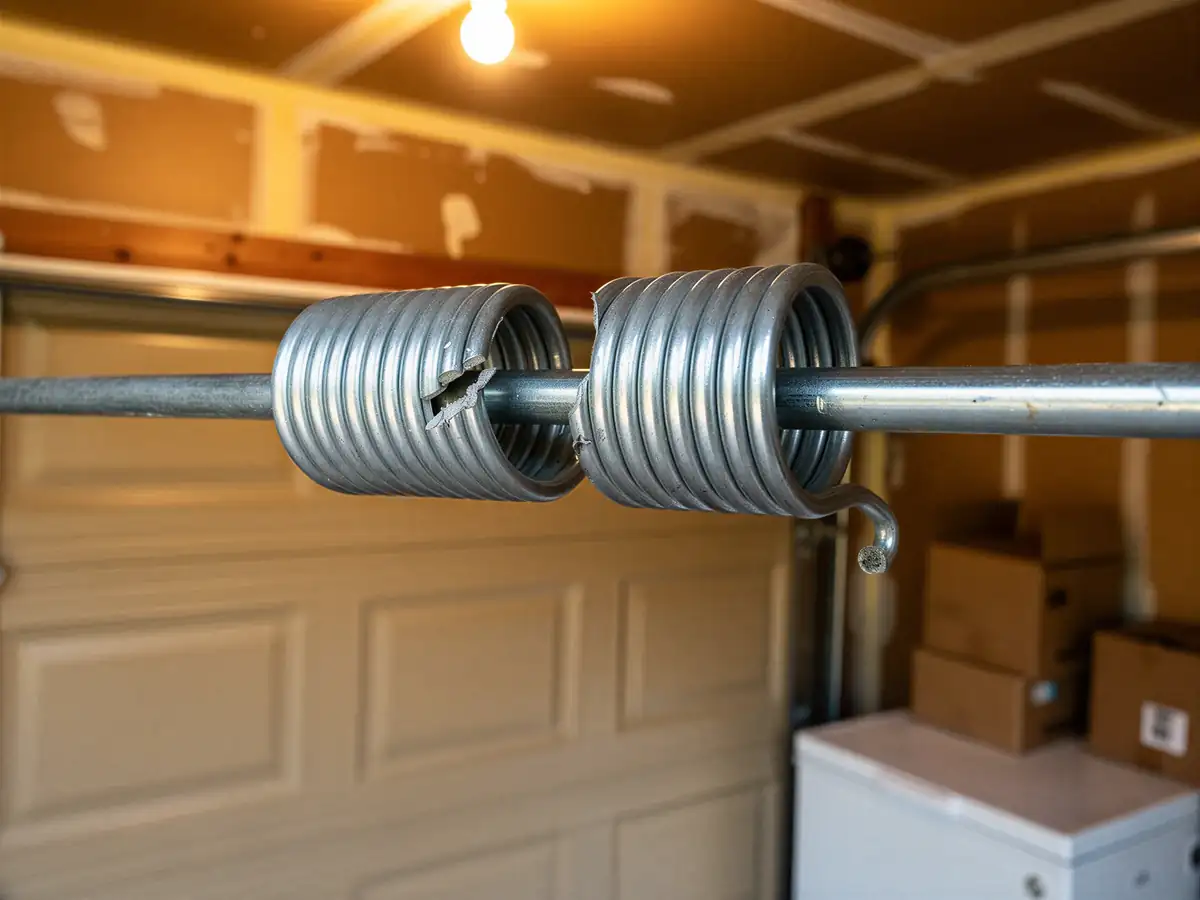
It's everything connected to it. A motor that keeps failing after we replace the board usually means the door side is fighting it: a spring that's lost tension, rollers worn enough to bind in the track, or a bent rail nobody's noticed because the door still closes, just slower each month. Swapping the opener on a job like that fixes nothing; it just moves the failure six months down the road.
We also run into houses where a previous owner installed a modern opener onto hardware from the original 1969 build
Brackets, header plates, or even the torsion bar - and the mismatch shows up as noise, drift, or the door reversing for no clear reason. Sorting that out means pulling more off the ceiling than just the motor housing, and it's the kind of job that turns a 45-minute call into an afternoon. If we get into a job and find the real problem is the door, not the opener, we'll say so before we keep billing for opener parts that won't fix it.