What the Fix Involves
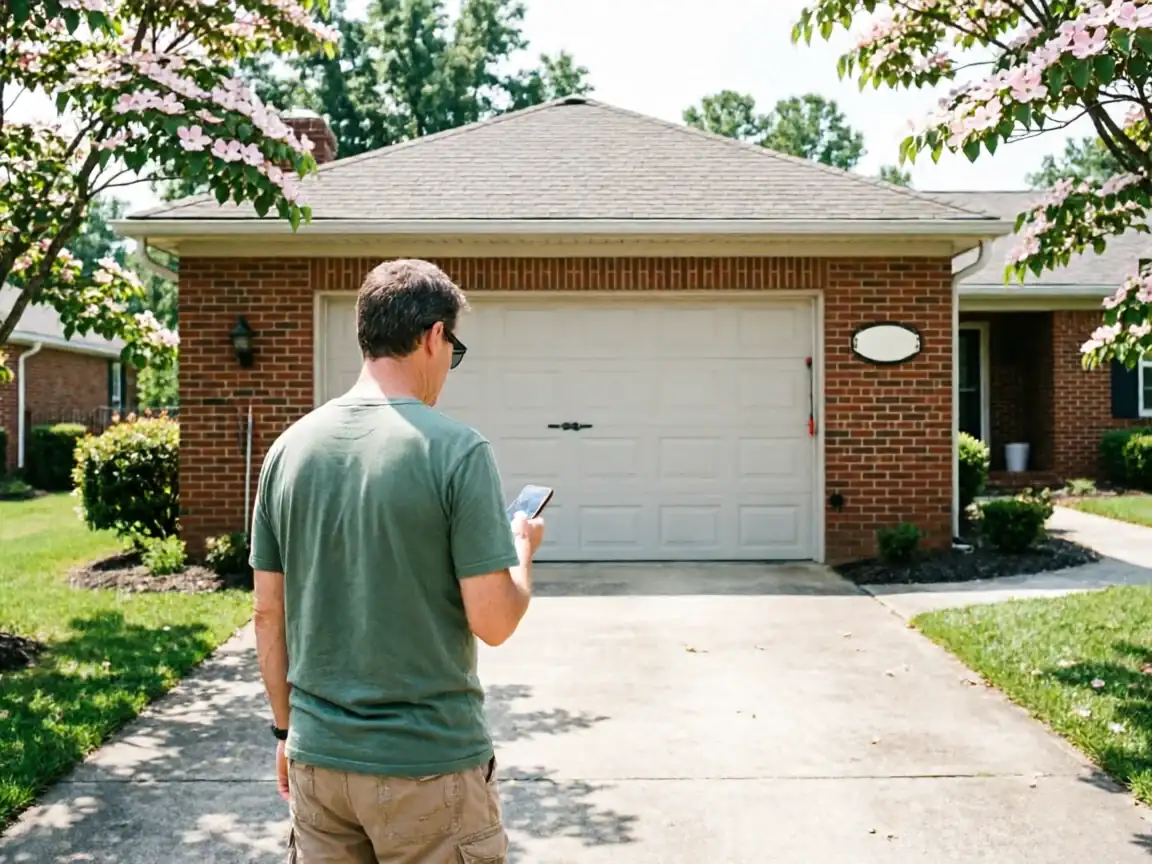
Harrisburg sits six miles from our shop in Concord, close enough that the drive isn't the story
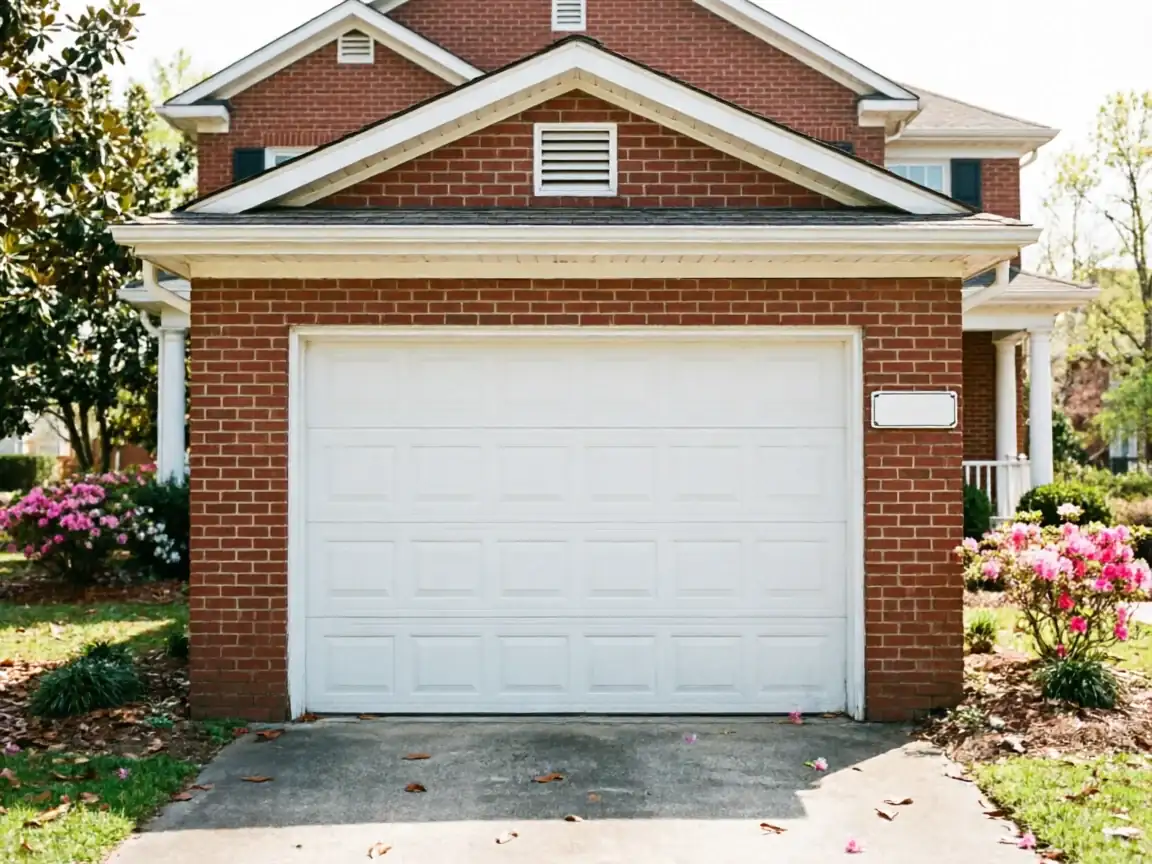
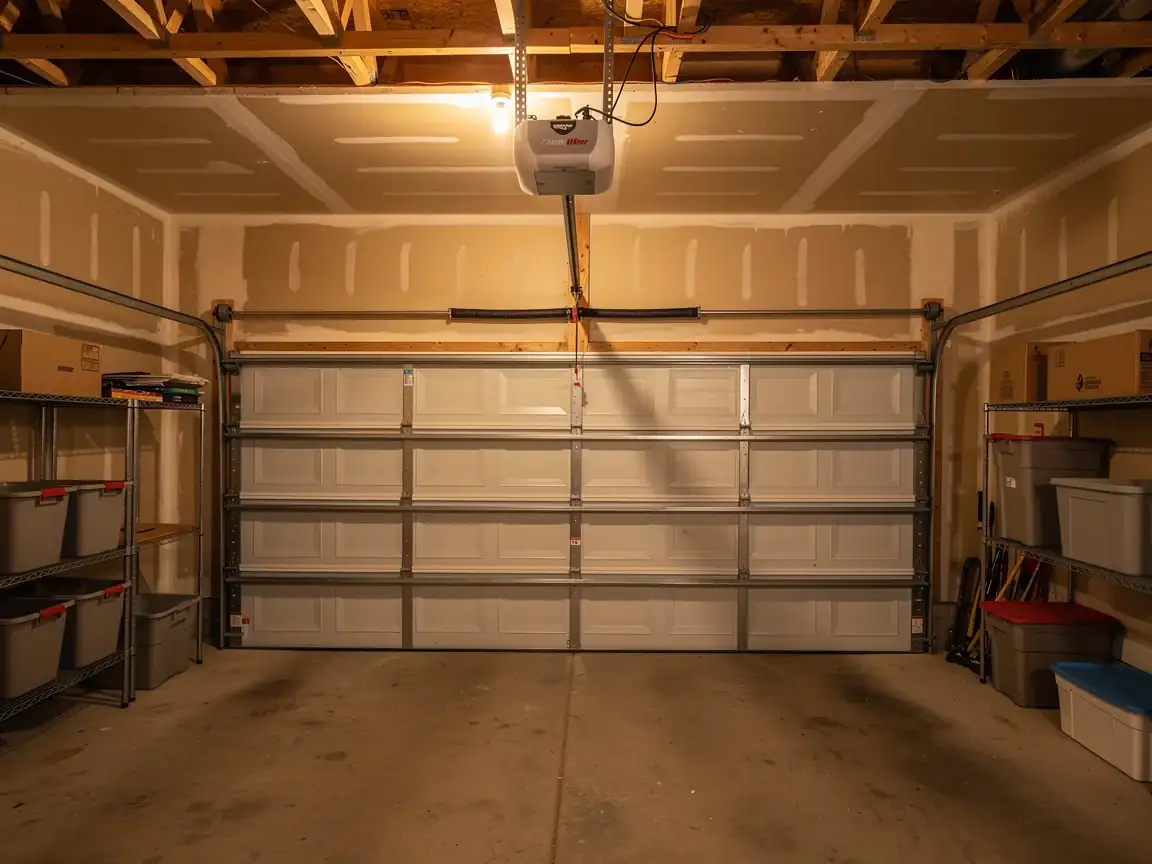
What's waiting at the end of it is. Harrisburg's housing stock runs newer than a lot of the towns we cover, with the median home built right around 2006 and the broader service area's housing spanning 1969 to 2006. That means we're mostly working on steel sectional doors with standard torsion spring hardware, not the heavier one-piece doors or odd side-mount setups you find on 1970s and 80s houses elsewhere in the area.
Most of what brings us out is straightforward once we're on site
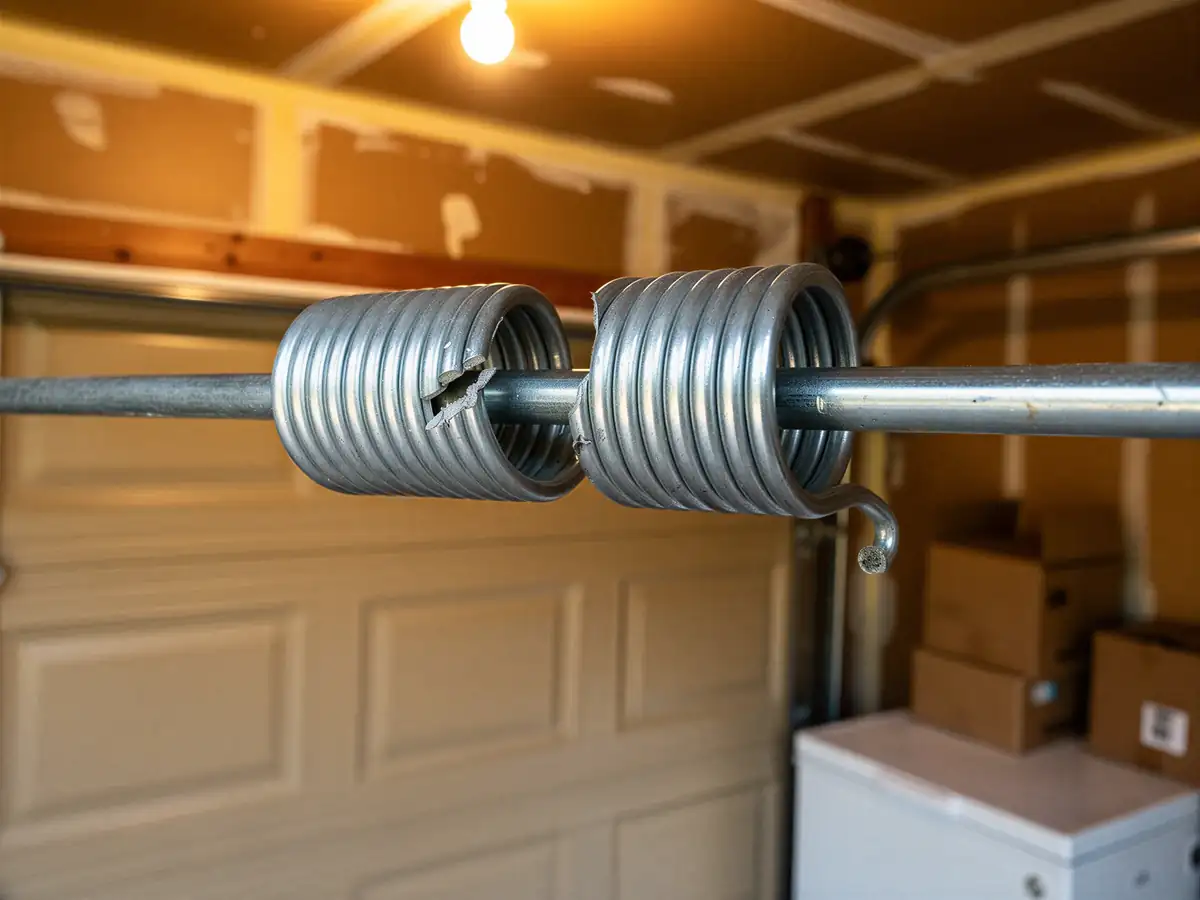
A torsion spring that's reached the end of its cycle count, rollers that have worn grooves into the track, or an opener logic board that's started skipping signals after fifteen-plus years of daily use. Because the housing here is newer and more uniform in build era, the fixes tend to be more uniform too - fewer surprises in spring size, fewer mismatched replacement parts from a prior owner's DIY job. That consistency is the one advantage of a town built out mostly in one stretch of time.
Doing It Yourself
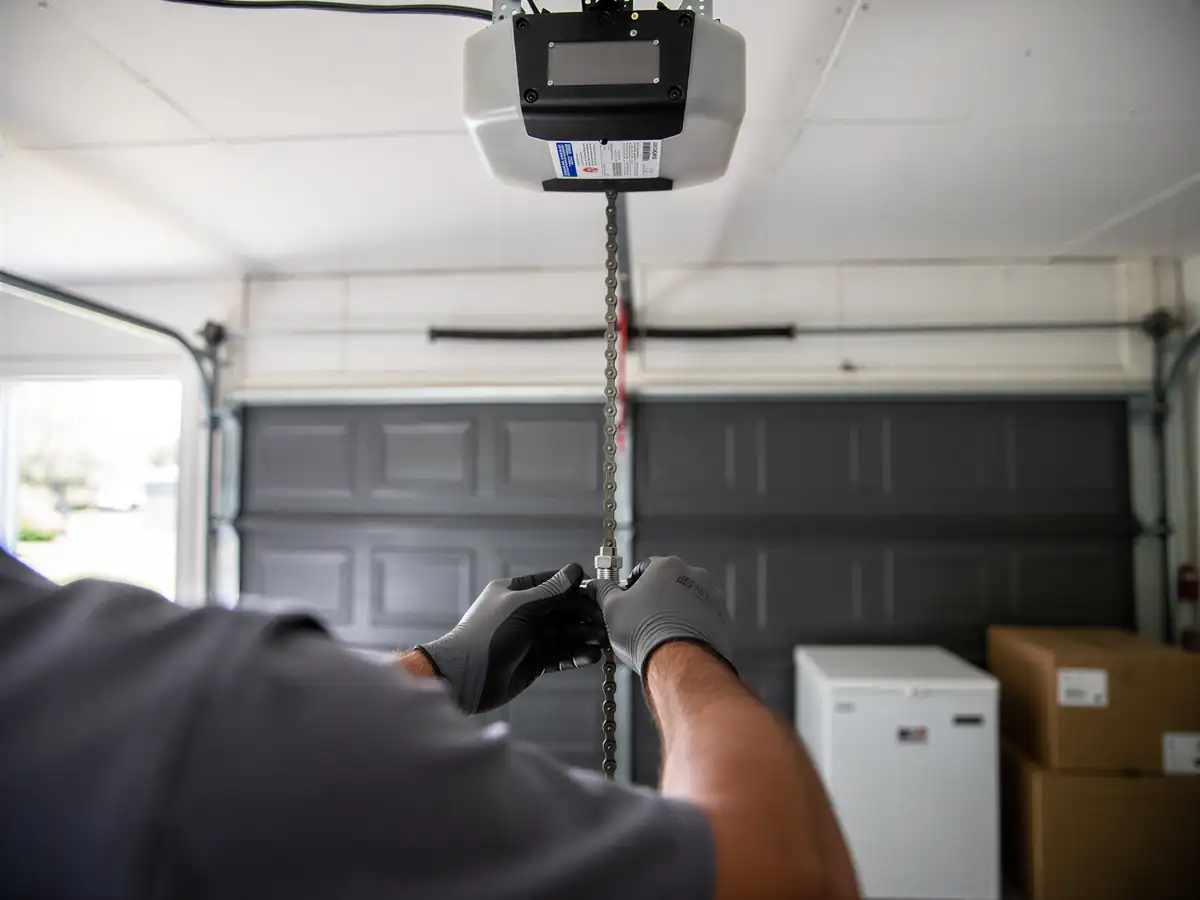
There's a fair bit you can check yourself before calling anyone. Pull the release cord and see if the door moves smoothly by hand - if it's hard to lift or drops on its own, that's spring tension, and that's not a DIY repair. Wipe down and lubricate the rollers and hinges twice a year. Check that the photo-eye sensors near the bottom of the tracks are aligned and the lenses are clean; a knocked sensor is the single most common reason an opener refuses to close.
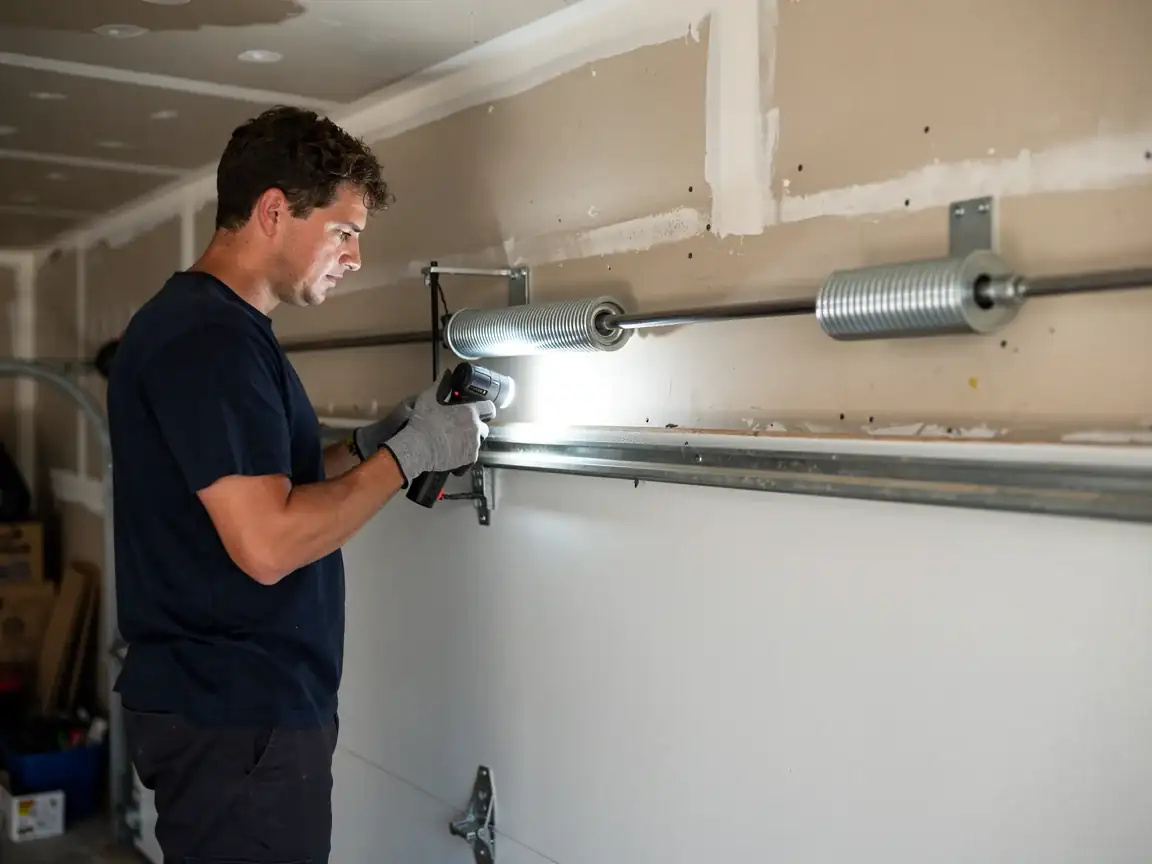
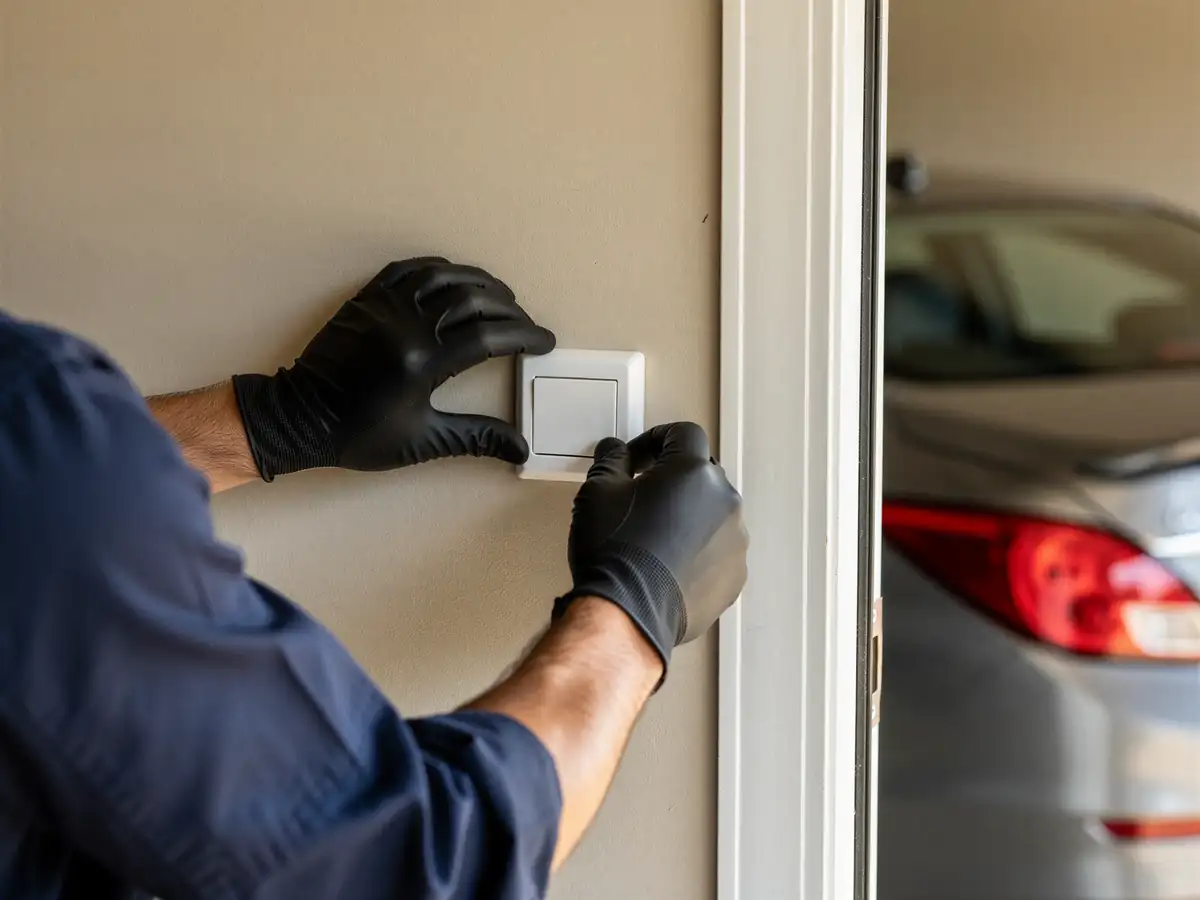
What you shouldn't touch: the torsion spring itself, and the cables under tension. These store enough force to break a finger or worse, and we don't recommend any homeowner attempt that job regardless of how simple it looks on a video. If your opener's circuit board has failed, that's also a call worth making rather than a swap-the-board guess - on a house with a 2006-era opener, board failure and motor failure look identical from the outside, and ordering the wrong part costs you another week of waiting.
Where This Job Goes Sideways
The newer build era in Harrisburg cuts both ways. The hardware is more standardized, but the doors themselves tend to be heavier - insulated steel panels instead of the light single-layer doors common on older stock - which means an undersized torsion spring installed by a previous repair will fail again within a year or two, sometimes sooner. We see this a fair amount: a spring that's the wrong weight rating for the door it's holding.
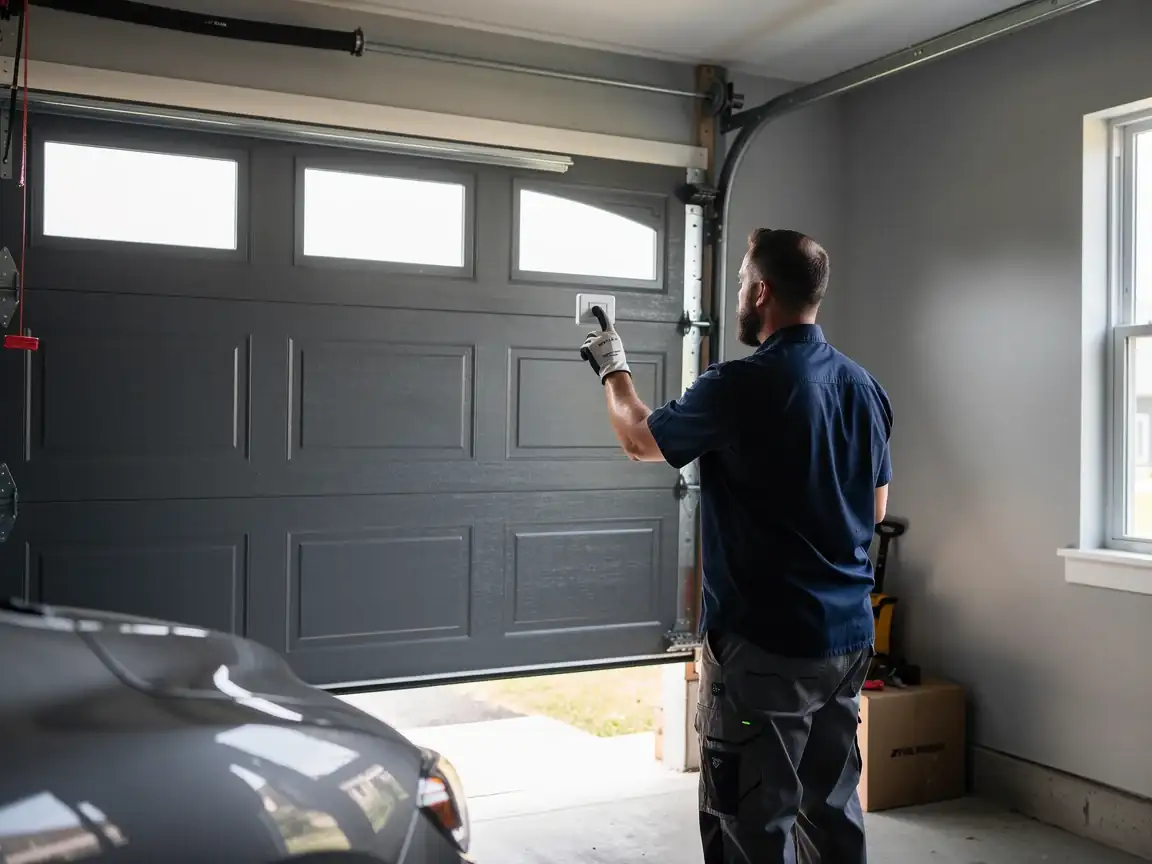
The other place it goes wrong is opener diagnosis. A circuit board failure and a worn-out motor present almost the same symptoms - the door hums, or doesn't respond, or closes partway and reverses. Guessing wrong there means paying for a part that doesn't fix anything. We check both before replacing either. Higher household income in this area, at $143,393 against the wider area's $79,765, also means we more often see premium belt-drive openers with battery backup and smart-home features, which have their own failure points that a bare chain-drive unit doesn't.
Time on the Job
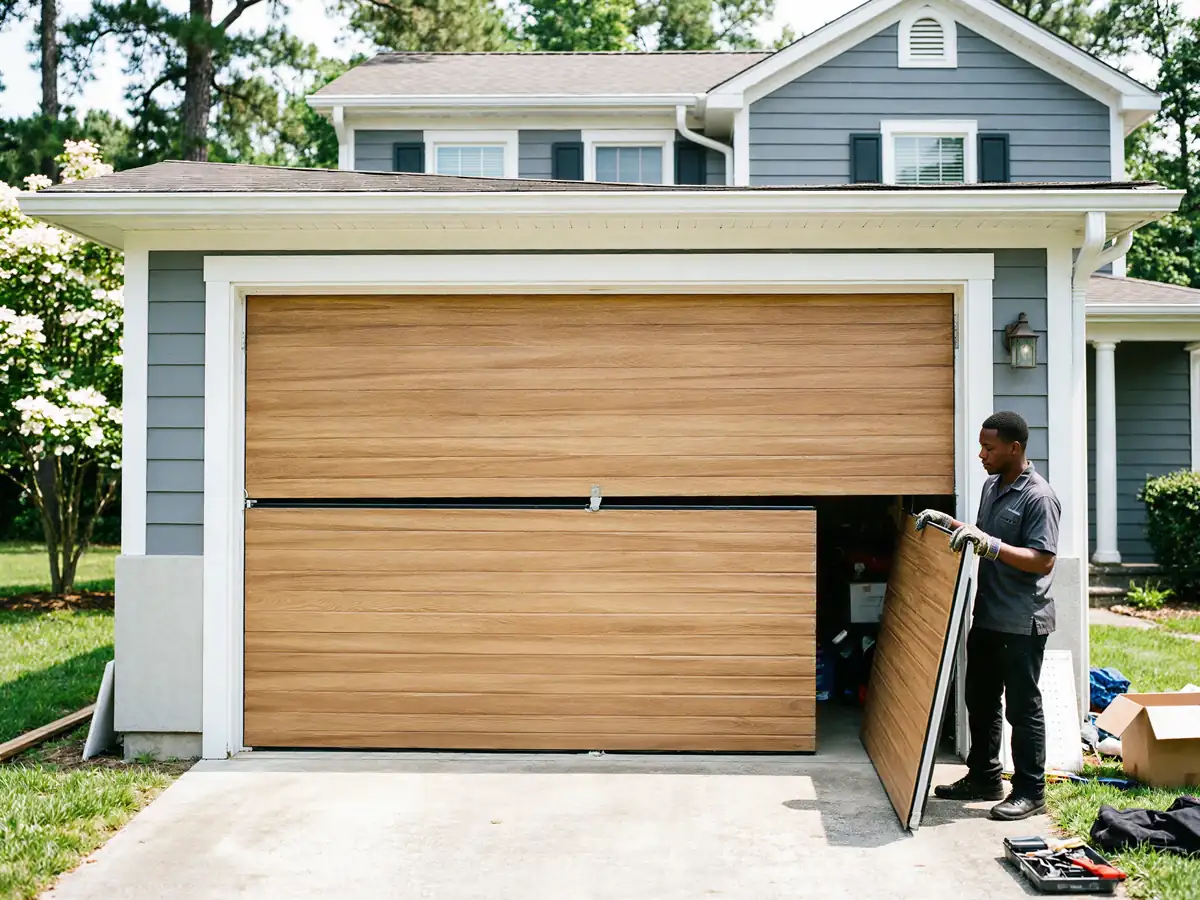
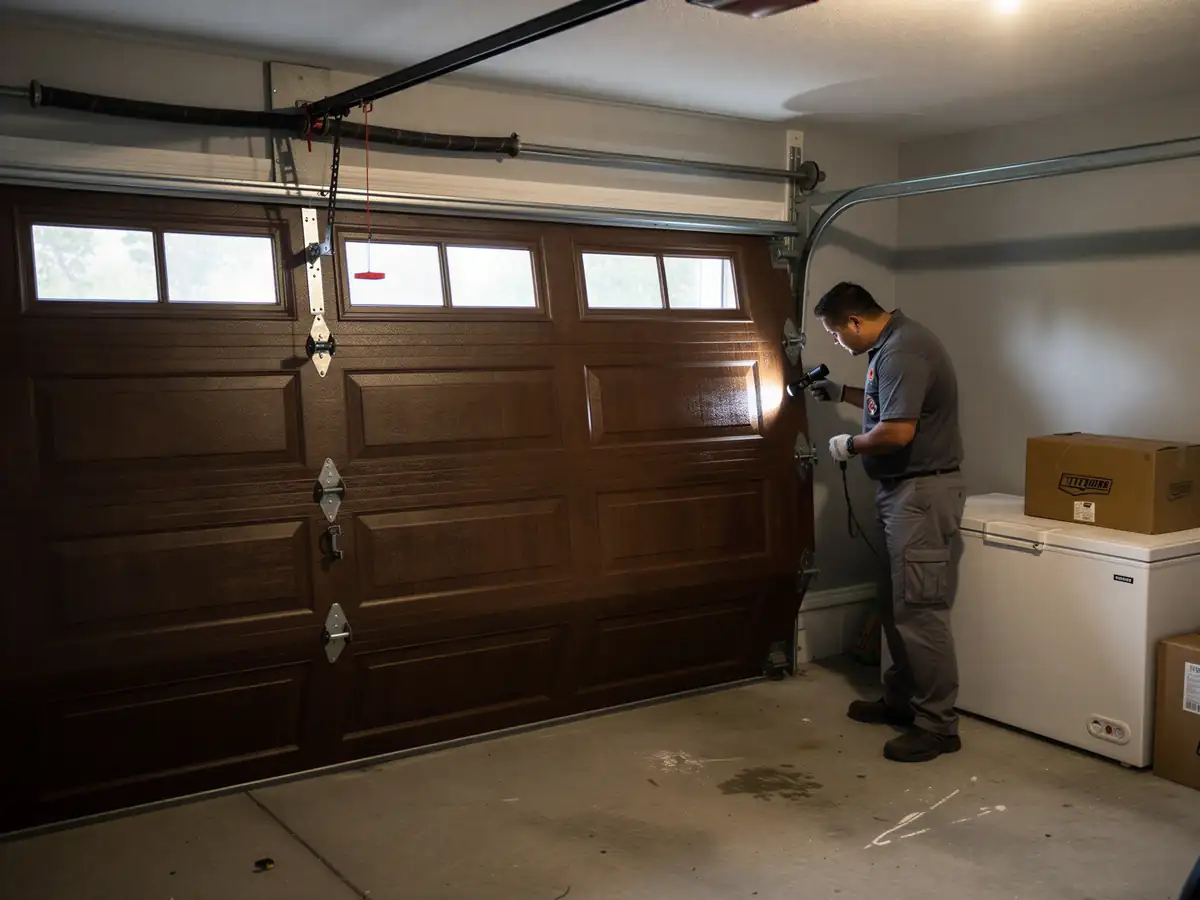
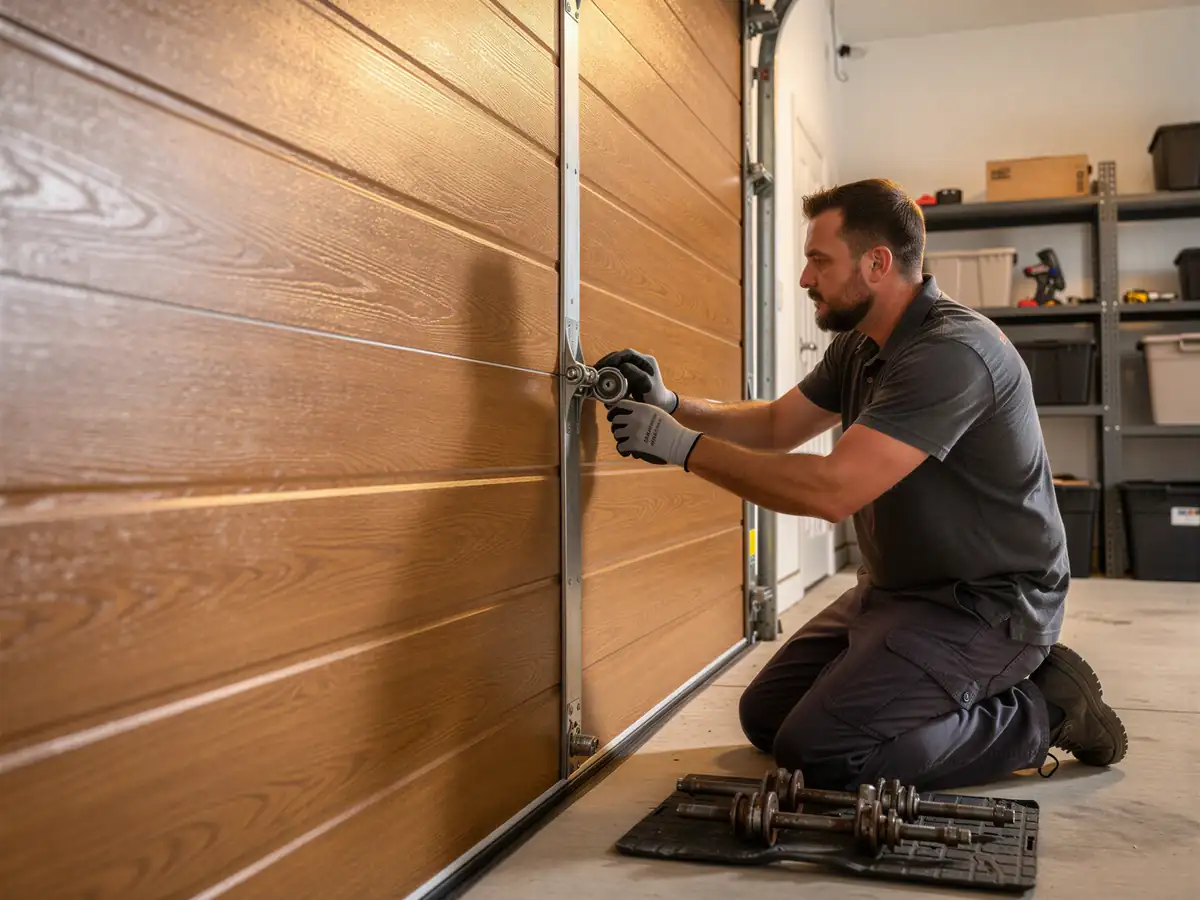
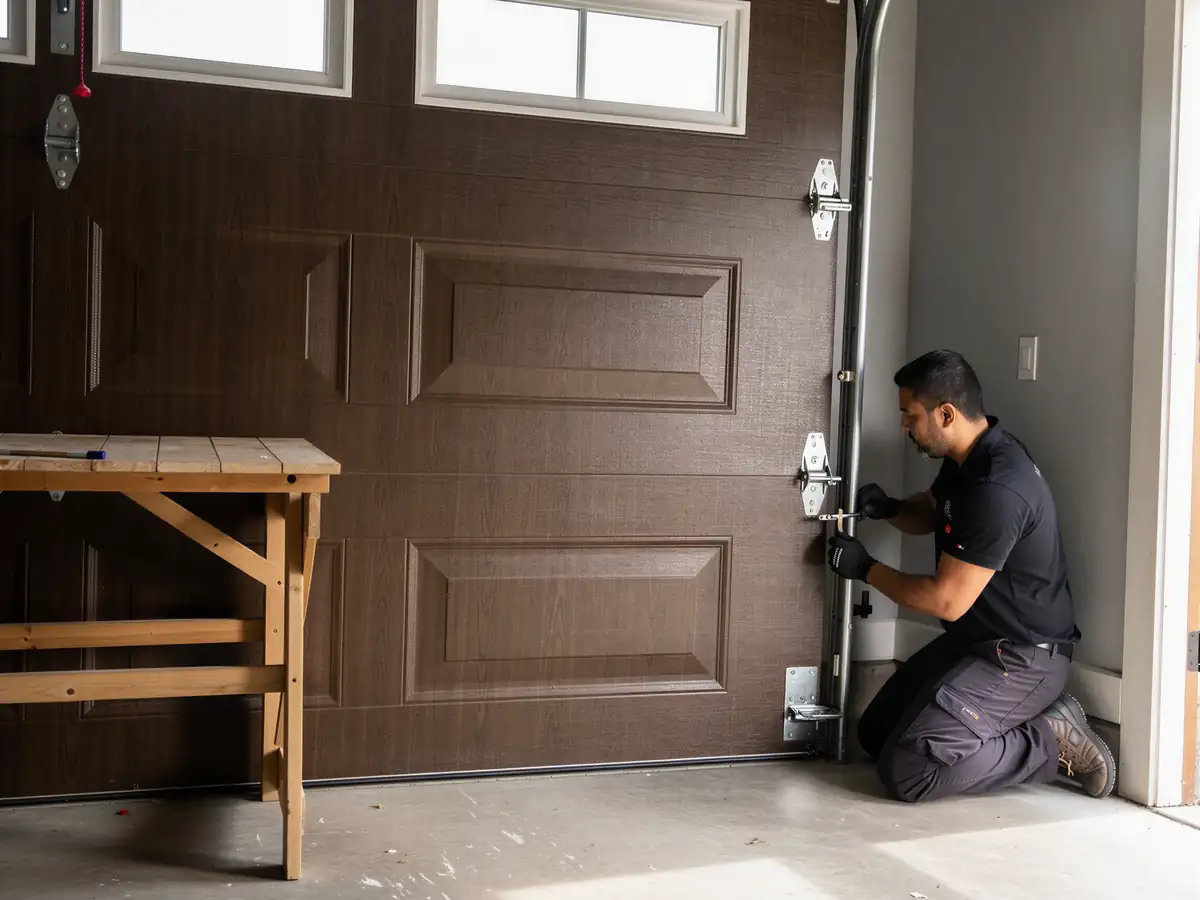
Once we're on site, a torsion spring replacement on a standard sectional door usually runs under an hour
Opener board swaps and roller replacement are faster still. What takes longer is diagnosis when a belt-drive opener with smart features is involved - tracing a wiring or board issue on those units takes more care than a basic chain-drive setup.
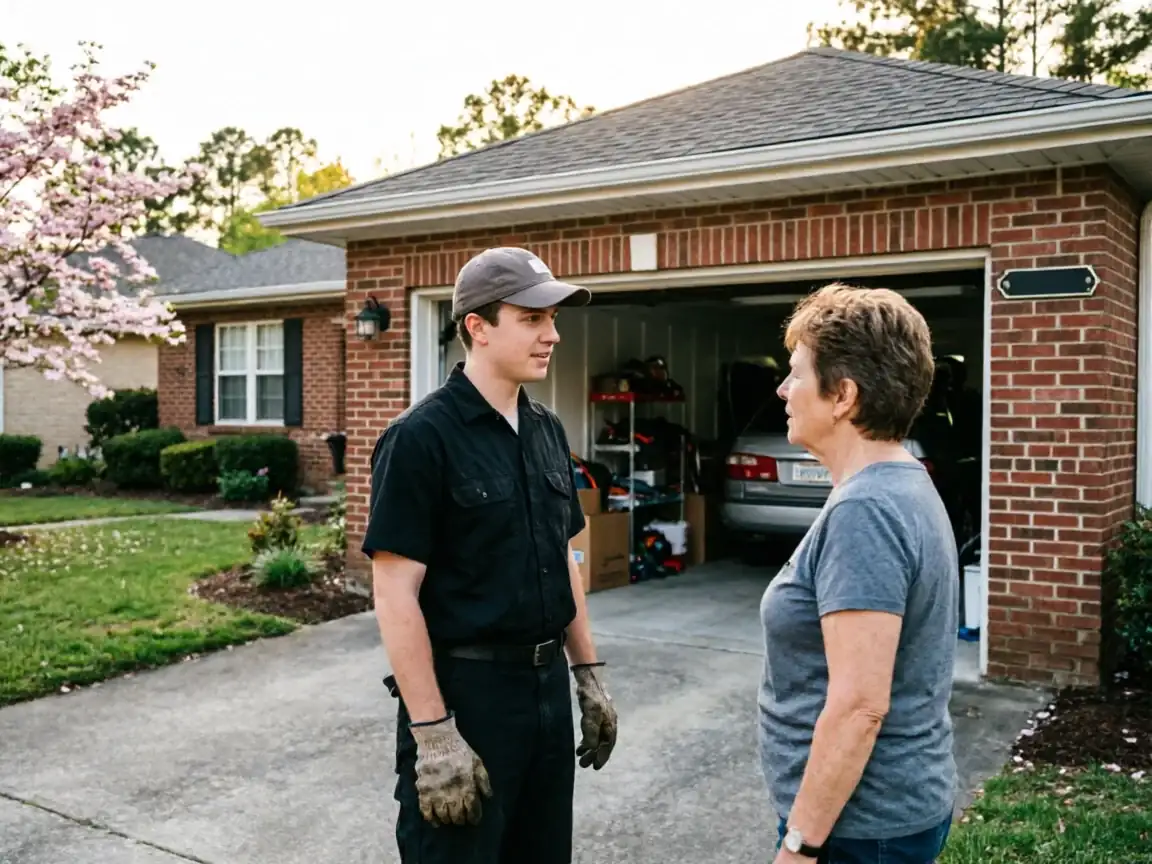
The six-mile run from Concord is short enough that it isn't a meaningful part of the job's timeline
We're not going to pretend to promise a same-day window or a fixed arrival time here, because that depends on the day's schedule out of Concord, not on the distance itself. What we can say is that the trip itself doesn't add delay the way a longer haul to some of the farther towns we cover does - Stallings or Hemby Bridge at twenty miles, for instance, changes the math more than a six-mile run to Harrisburg does.
What Is on the Truck
Because Harrisburg's housing clusters tightly around a 2000s build era, the truck carries torsion springs sized for the standard sectional doors that dominate here, rather than the odd-size springs needed for the older one-piece doors we still stock for other parts of the territory. We also carry common opener circuit boards and drive components for belt and chain-drive units, since both show up here given the mix of standard and premium opener installs.
What we don't carry as standard stock: parts for doors built before the 1970s. There just aren't many of those left in this area, and keeping that inventory on the truck for a town where it rarely applies doesn't make sense. If a job calls for something outside the usual range - an older insulated panel, a discontinued opener model - that's a special order, and we'll tell you up front rather than make you wait on site while we sort it out.