What the Fix Involves
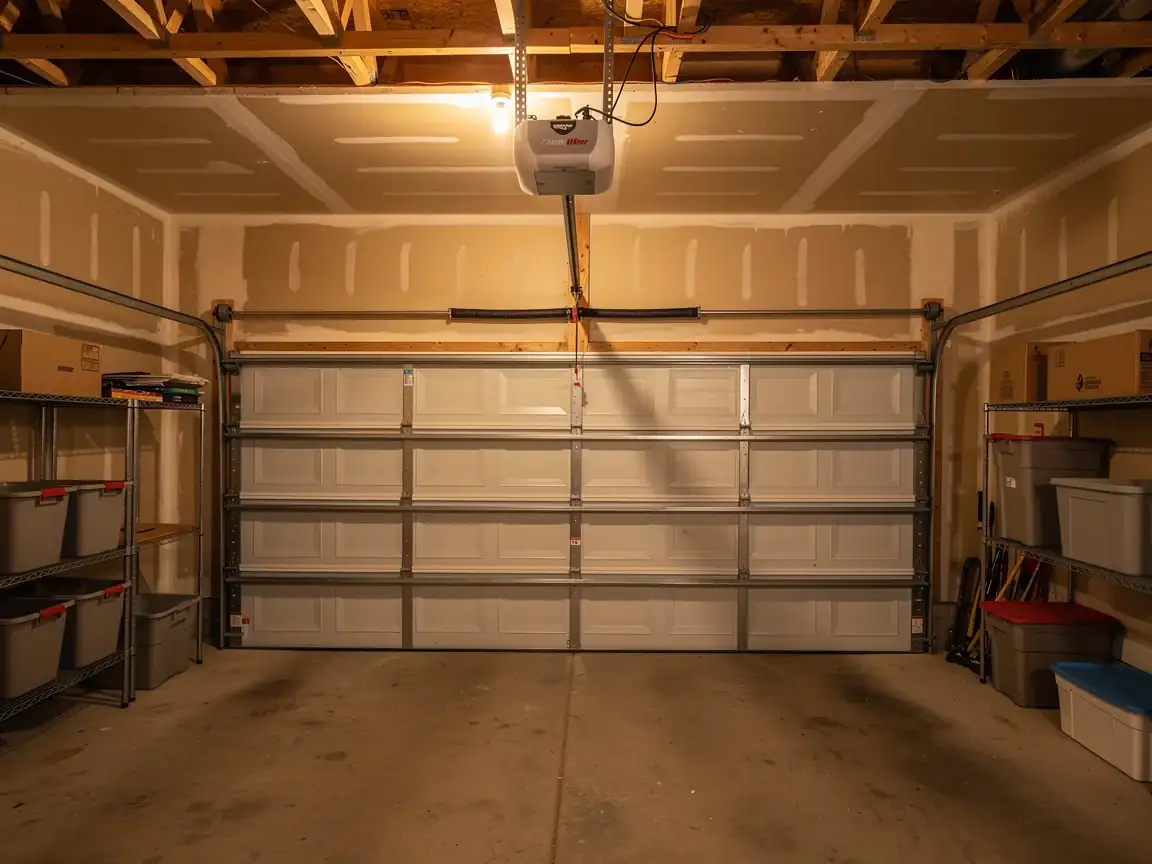
Most of the openers we pull out of Harrisburg garages aren't worn out mechanically
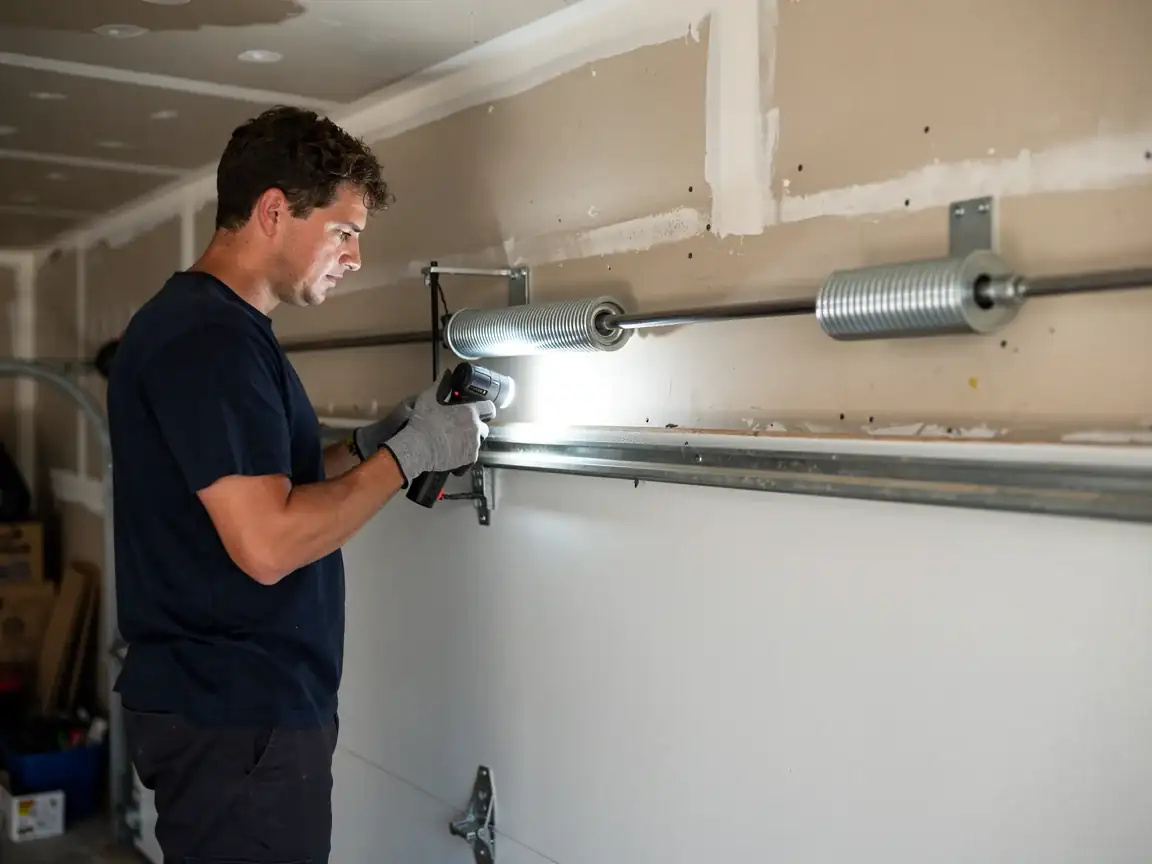
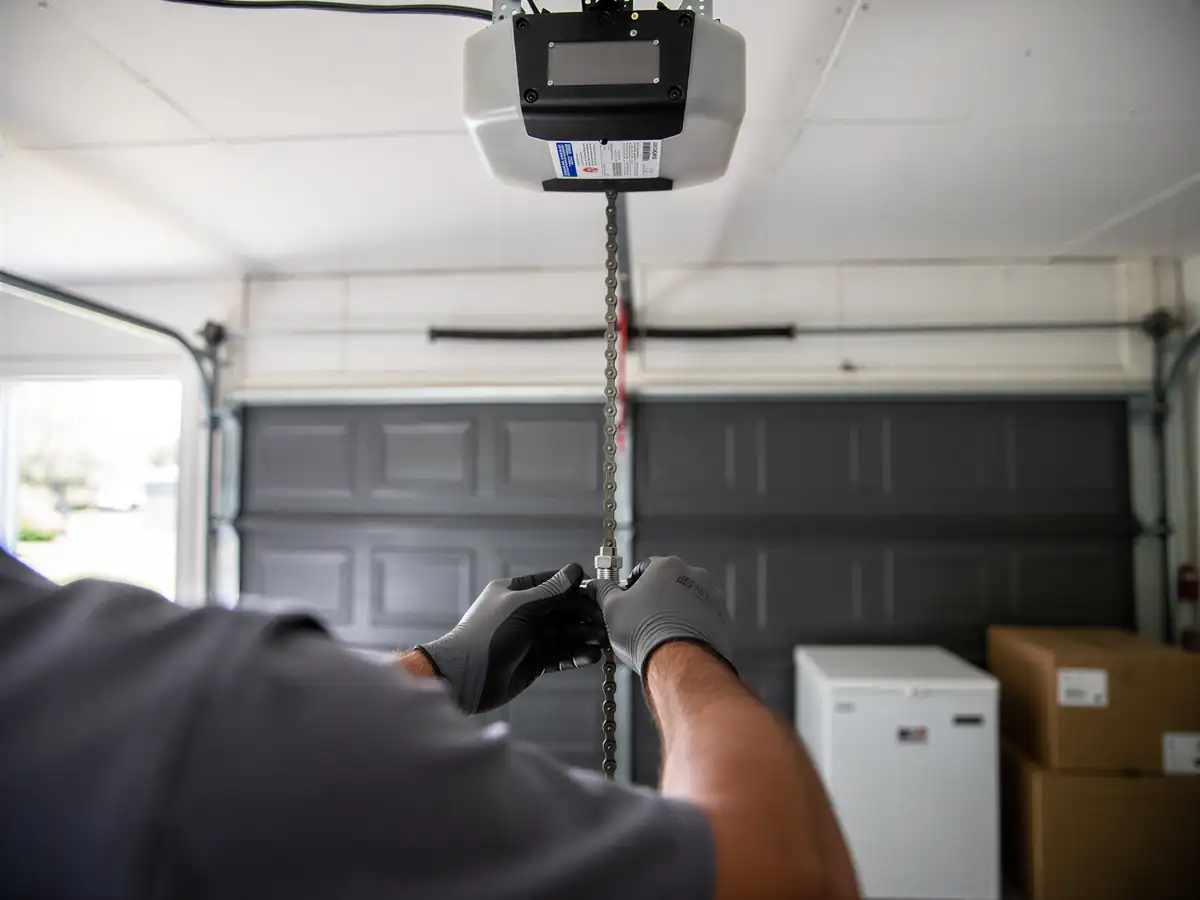
The chain or belt is usually fine. What fails is the logic board, the safety-reversal sensors, or the receiver that talks to the remote and the wall button. That's a different repair than what you'd see on an older door.
Harrisburg's housing stock runs younger than a lot of the towns we cover out of Concord
The median build year here lands around 2006, which puts most garages in the builder-grade opener era: a 1/2-horsepower chain or belt unit installed by the builder, not upgraded since. Those units hit 15-20 years old now, and at that age the circuit board is the first thing to go, well before the motor or drive gear. Installation here is as much about swapping the control electronics and safety sensors for something current as it is about hanging a new motor.
- 20 years
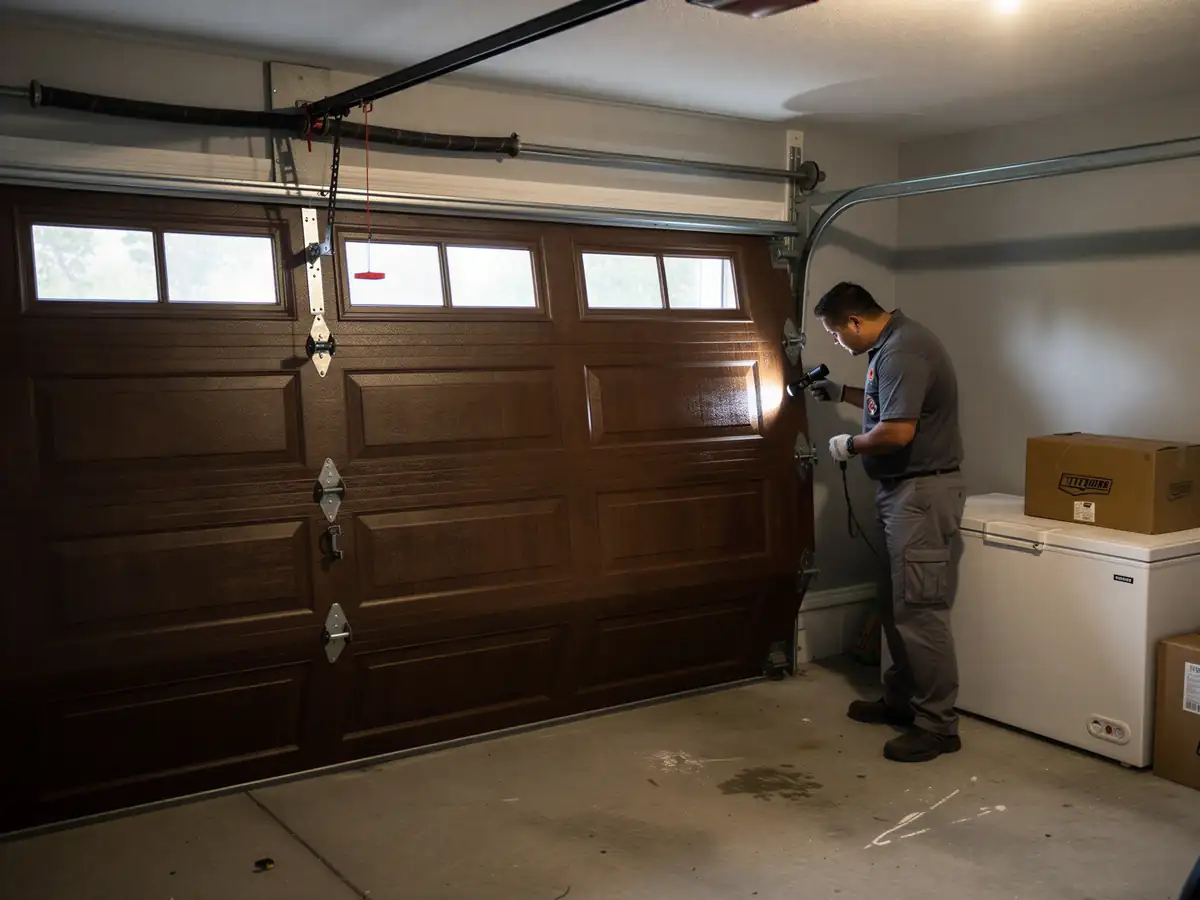
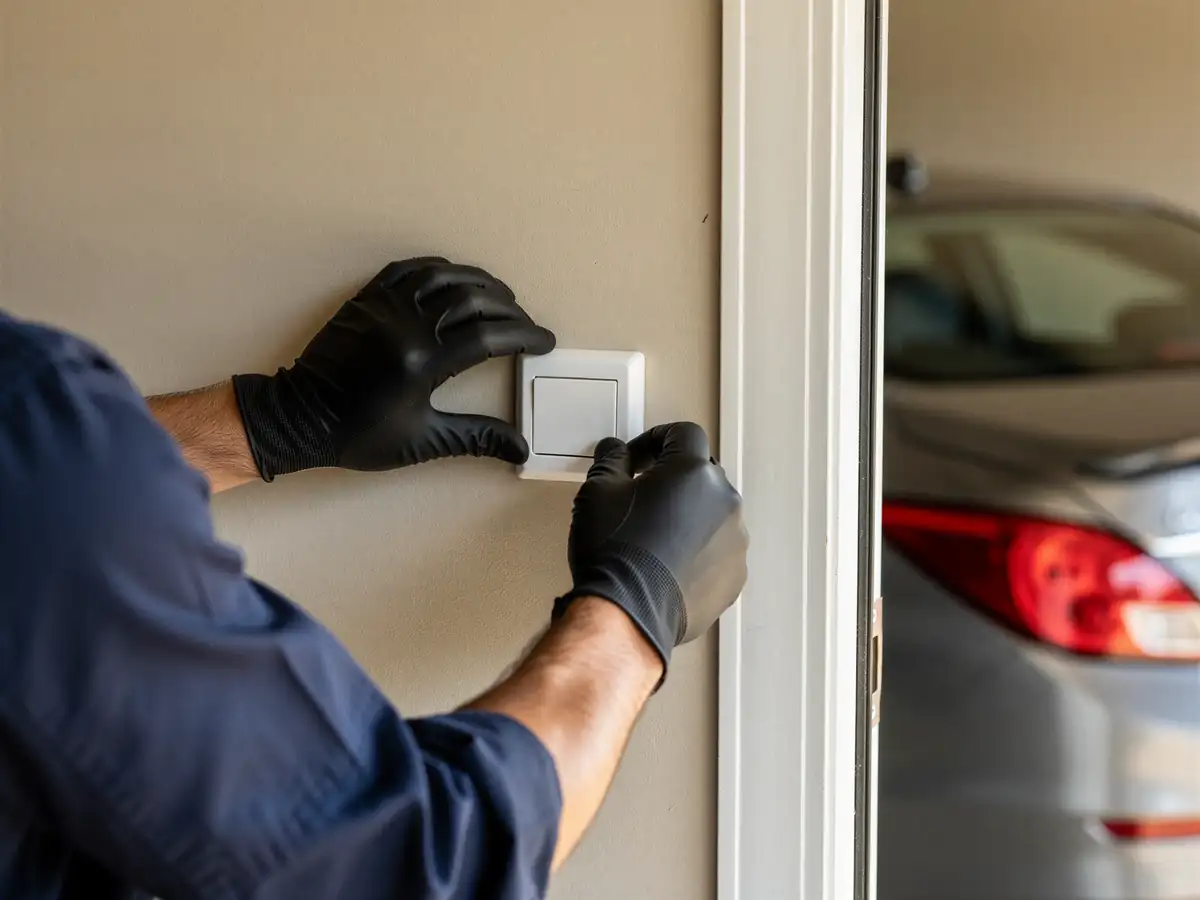
We also check the wall station and the photo-eye alignment every time
Since builder installs in this era were often done fast, with the eyes just close enough to pass inspection and not always square. A new opener won't run right on a bad sensor mount, so we fix that as part of the job, not as an add-on.
Doing It Yourself
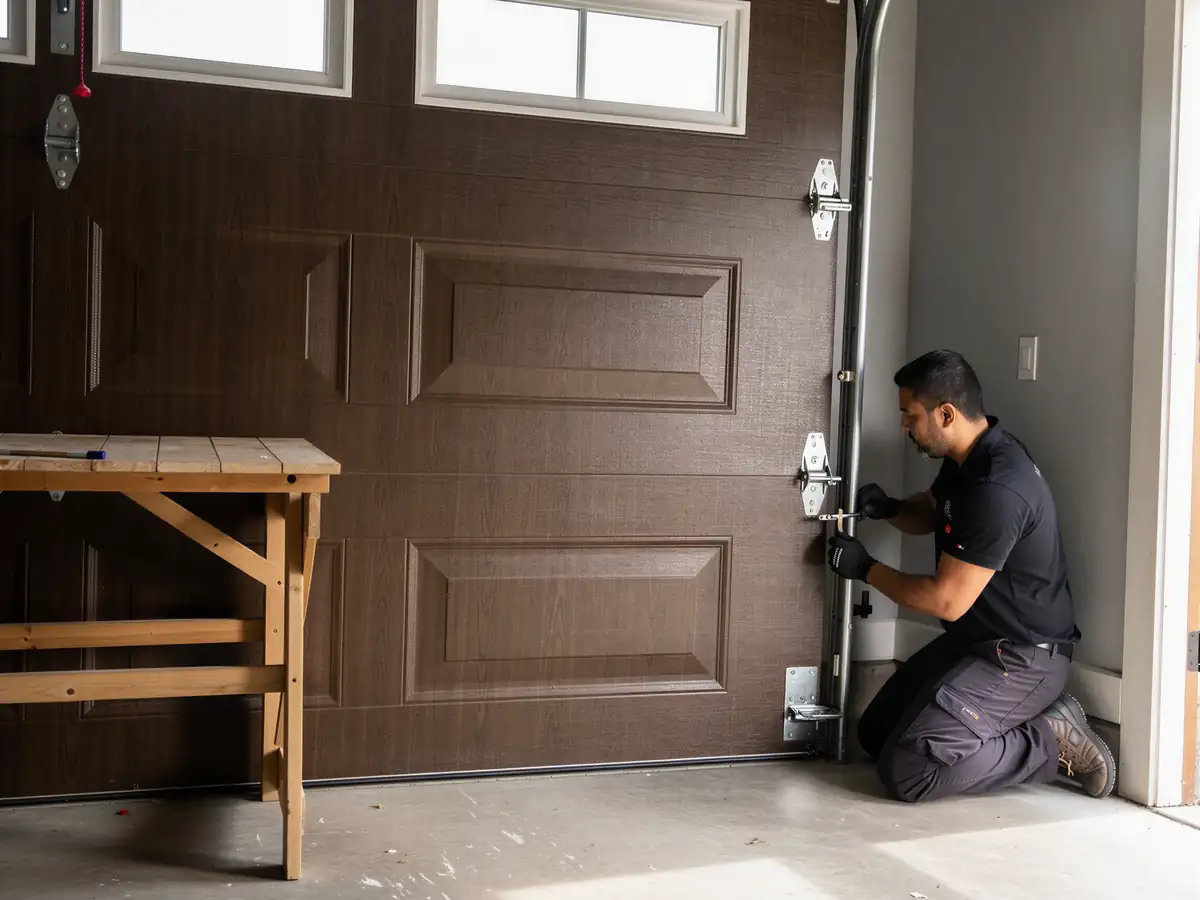
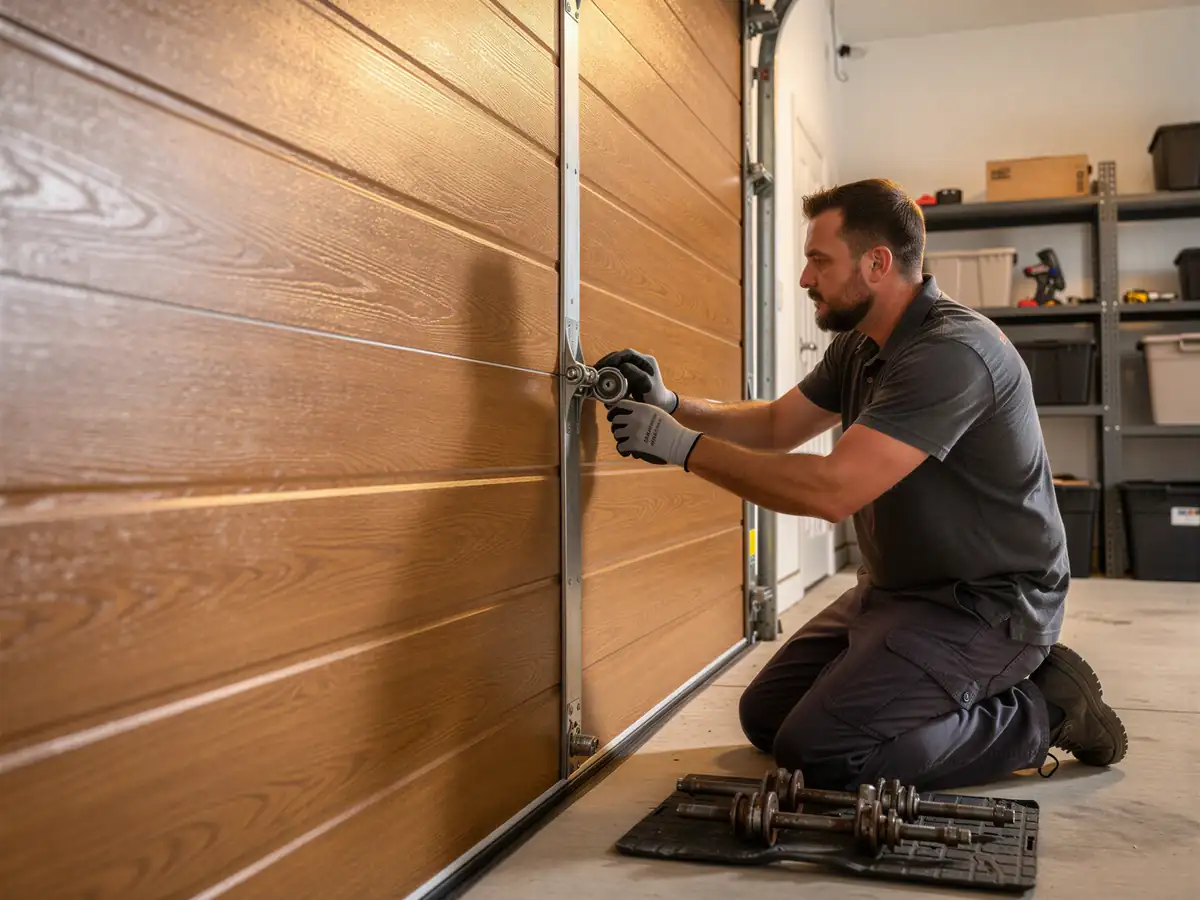
If you're comfortable with a ladder and a drill, swapping a wall-mounted opener motor on a newer track system isn't the hardest job in a garage. The trouble spots are the travel limits, the force settings, and the safety-reversal test - get those wrong and you've got a door that either doesn't fully close or that slams onto a bike before it reverses.
On Harrisburg's newer builds, the garage framing and header height are usually standard enough that a DIY install can go fine mechanically. Where people get stuck is wiring the safety sensors to a board that uses a different protocol than the old one, or discovering the existing bracket doesn't fit the new motor's mount pattern. That's an hour of frustration, not a safety issue, but it's why we get calls from people halfway through a box.
We're honest that this isn't a job we're trying to talk you out of if you want to do it. It's one most people can handle with the manual and some patience. Call us if you get to the sensor wiring and the lights won't stop blinking - that's the part worth a second set of hands.
Where This Job Goes Sideways
The common mistake on newer homes like the ones around Harrisburg is assuming a newer house means newer opener hardware. It often doesn't - builders installed whatever was standard the year the slab went in, and a 2006-era opener is pushing two decades of service even though the house itself doesn't feel old.
The other place this goes wrong is mismatched specs. Harrisburg's winters sit in a cold-moderate band, and a garage that isn't heated or insulated can see the opener's lubricant stiffen up on the coldest mornings. If the unit is already near end of life, that extra load in January is often what finally kills the board. We size and select units with that in mind rather than installing whatever's cheapest.
A second failure point: people replace the motor but keep the old sensors or the old remote receiver because it's cheaper, then wonder why the new unit won't pass its own self-test. Mixing old safety components with a new logic board is the single most common callback we see.
Time on the Job
A straight opener swap, same mounting points, same door, usually runs under half a day once we're on site
Add sensor realignment, bracket changes, or a dead wall station and it stretches longer, but we scope that before we start, not after.
We run this job out of our Concord location, about 6 miles from most of Harrisburg
So travel isn't the bottleneck - it's parts. If your opener is an older belt-drive model that's been discontinued, matching the rail length or the mounting bracket can take an extra day to source rather than being an on-truck item. We'll tell you up front if that's the case rather than let you wait and wonder.
- 6 miles
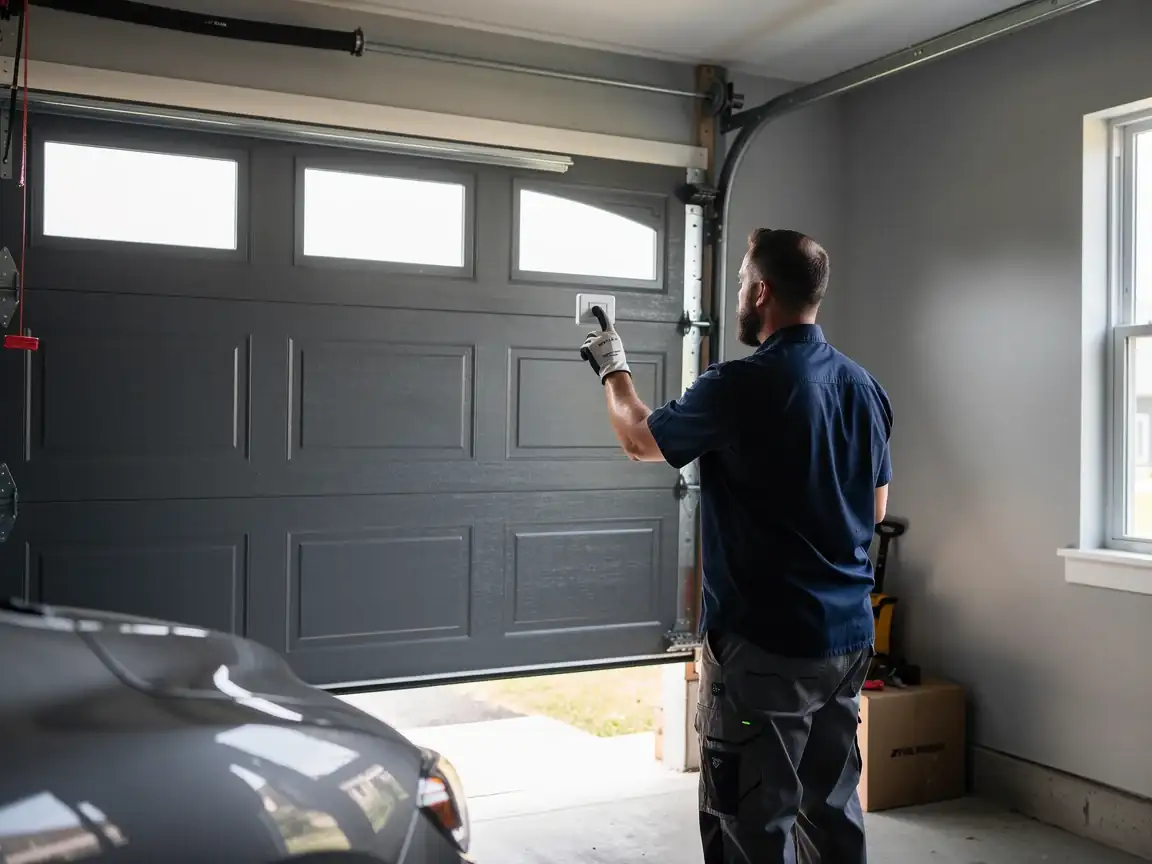
We don't rush the safety-reversal test at the end
Even when the rest of the install went quick. That five minutes is the difference between a door that stops on a bike tire and one that doesn't.
What Is on the Truck
We carry a range of belt and chain-drive openers in the horsepower ranges that fit a standard single or double residential door, along with the wall stations, remotes, and photo-eye sensor pairs that match current units. For most jobs in Harrisburg, we're not special-ordering anything - the truck covers it.
What we don't stock is obsolete receiver boards for openers that have been out of production a long time. If your current unit is old enough that the manufacturer no longer sells replacement electronics, we're installing a full new unit rather than patching the old one, since there's nothing to patch it with. That's not a sales pitch - it's just where the parts supply chain stands.
Given that household incomes in this area run higher than the broader service territory, we also keep a couple of quieter belt-drive models on hand for anyone replacing a chain-drive unit specifically for noise. Not every house needs that upgrade, but we don't want to make a special trip back out for it either.