How It Shows Up
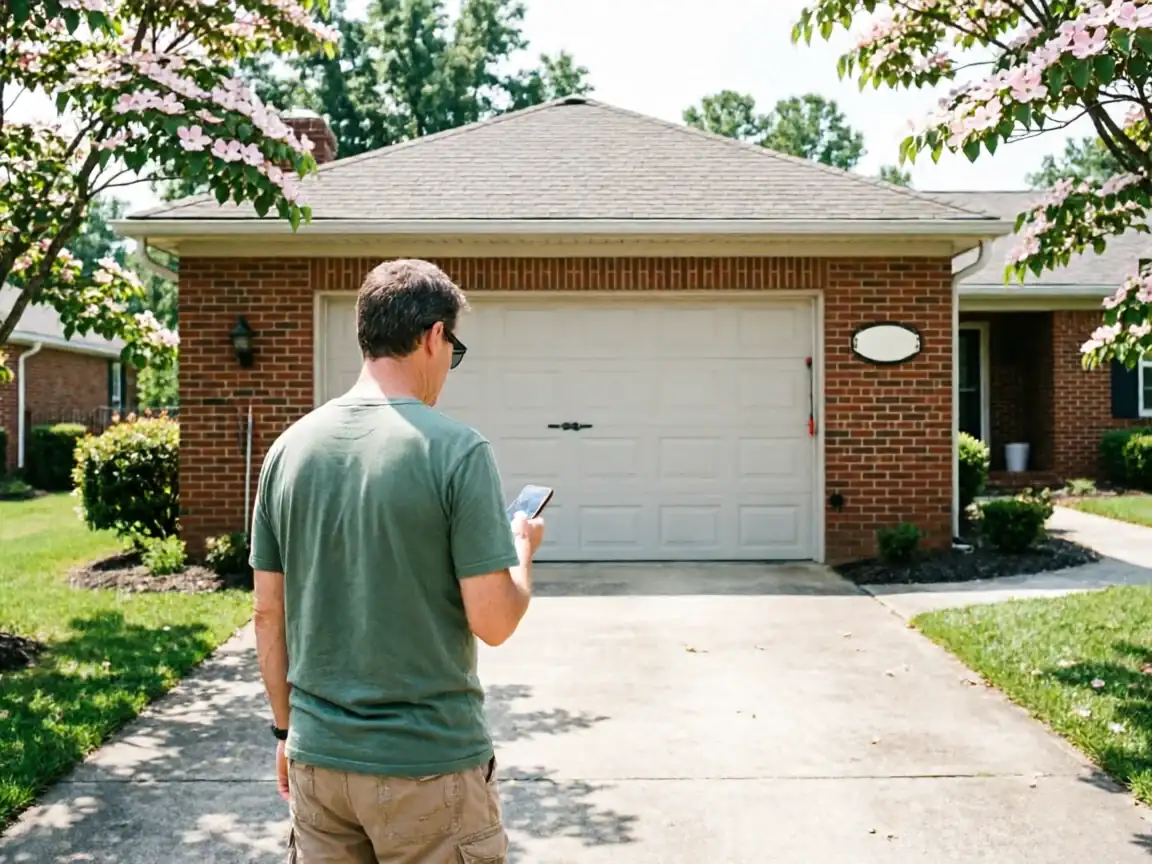
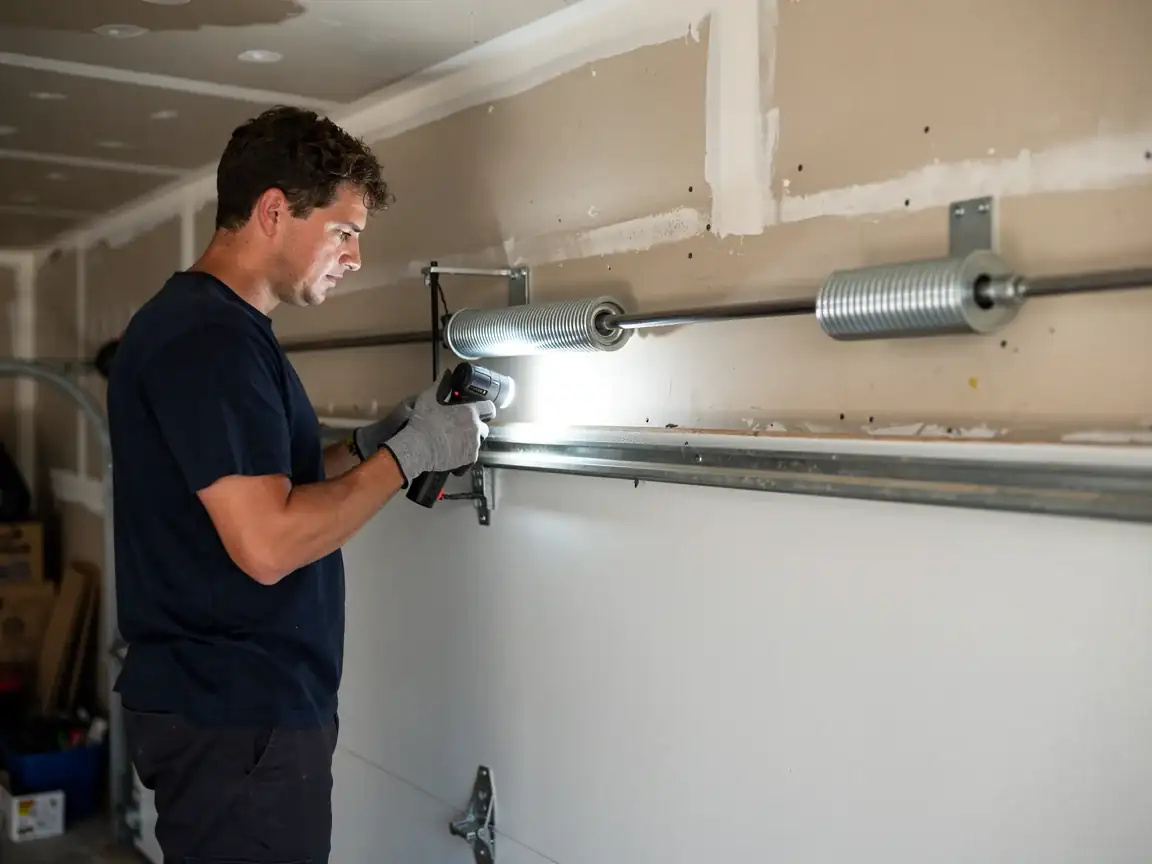
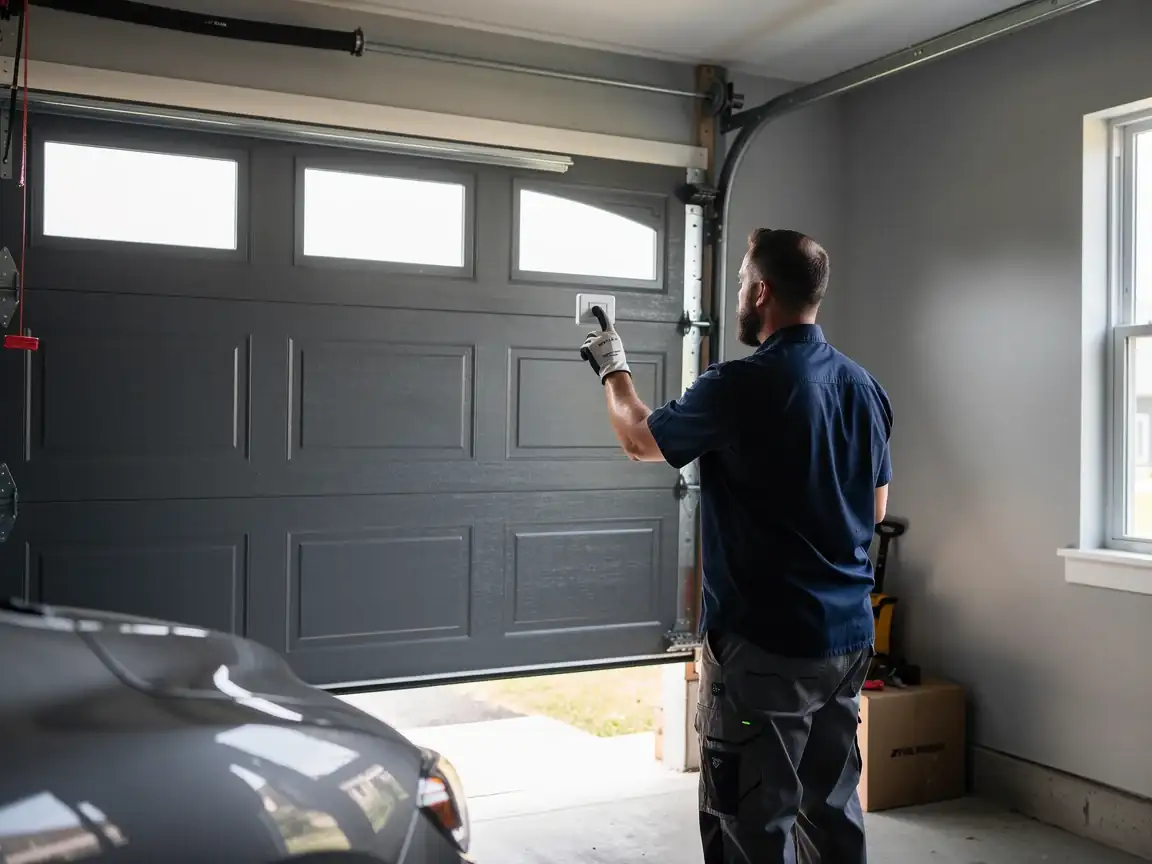
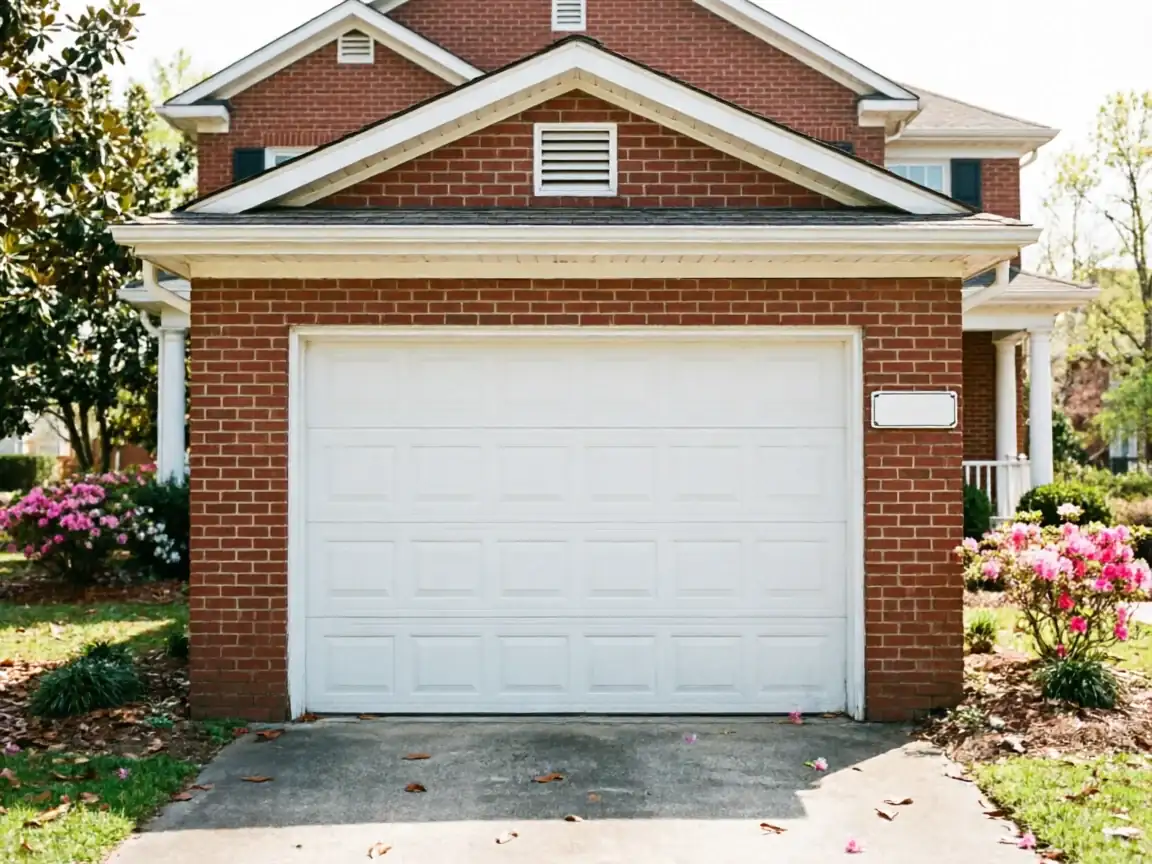
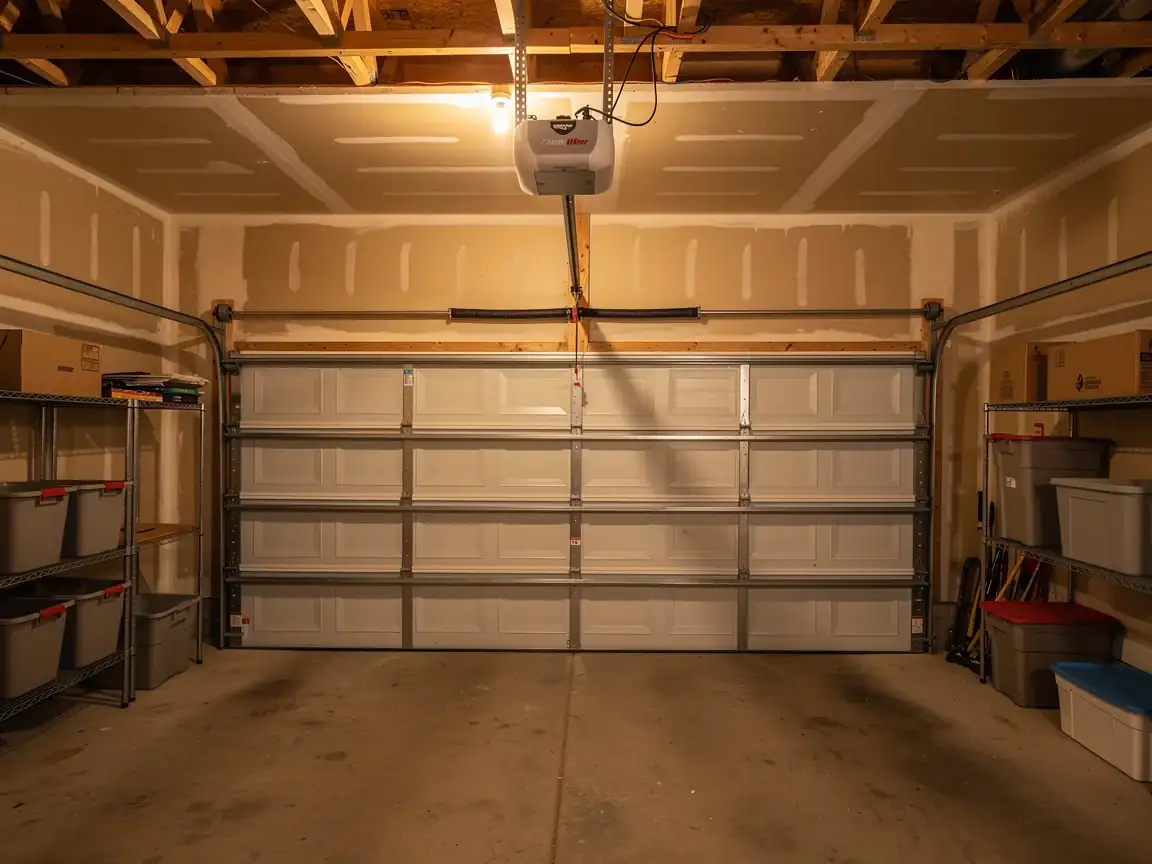
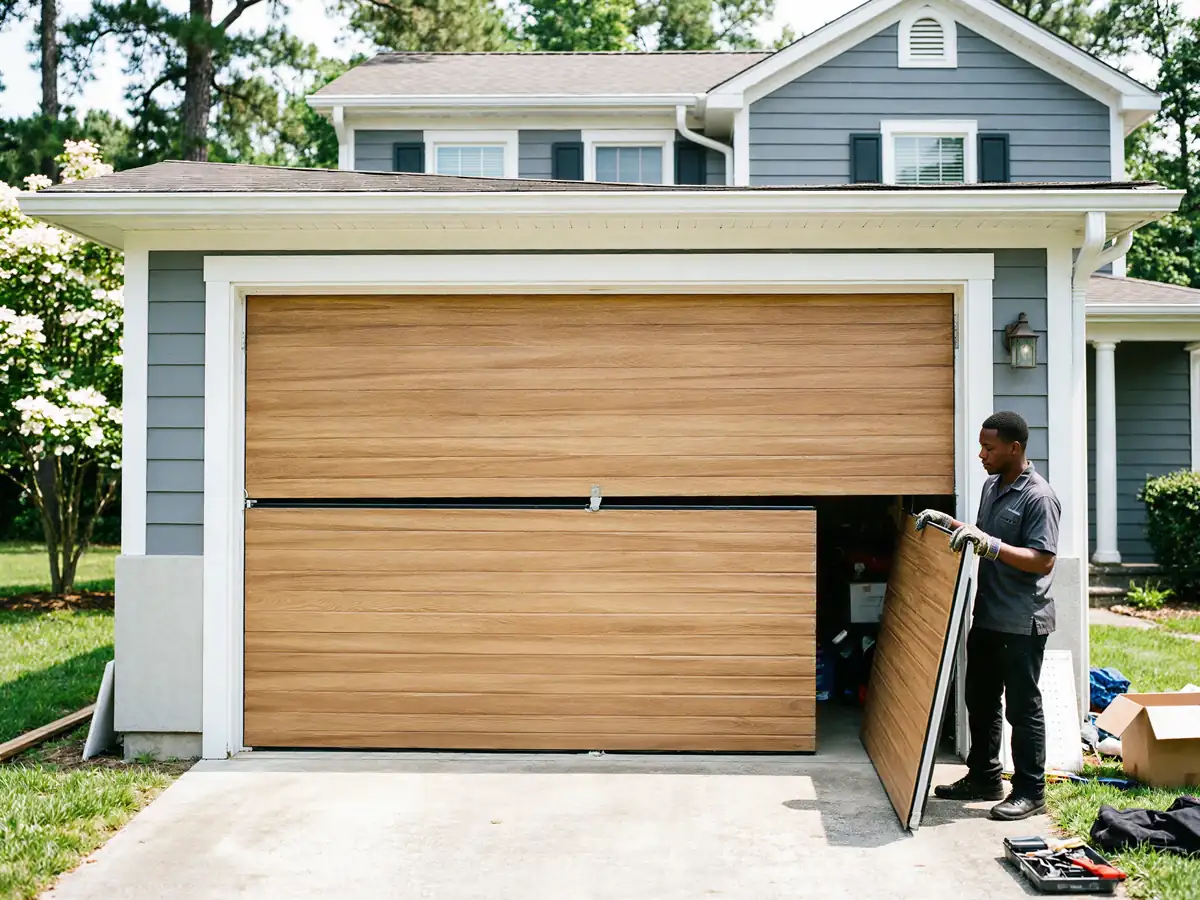
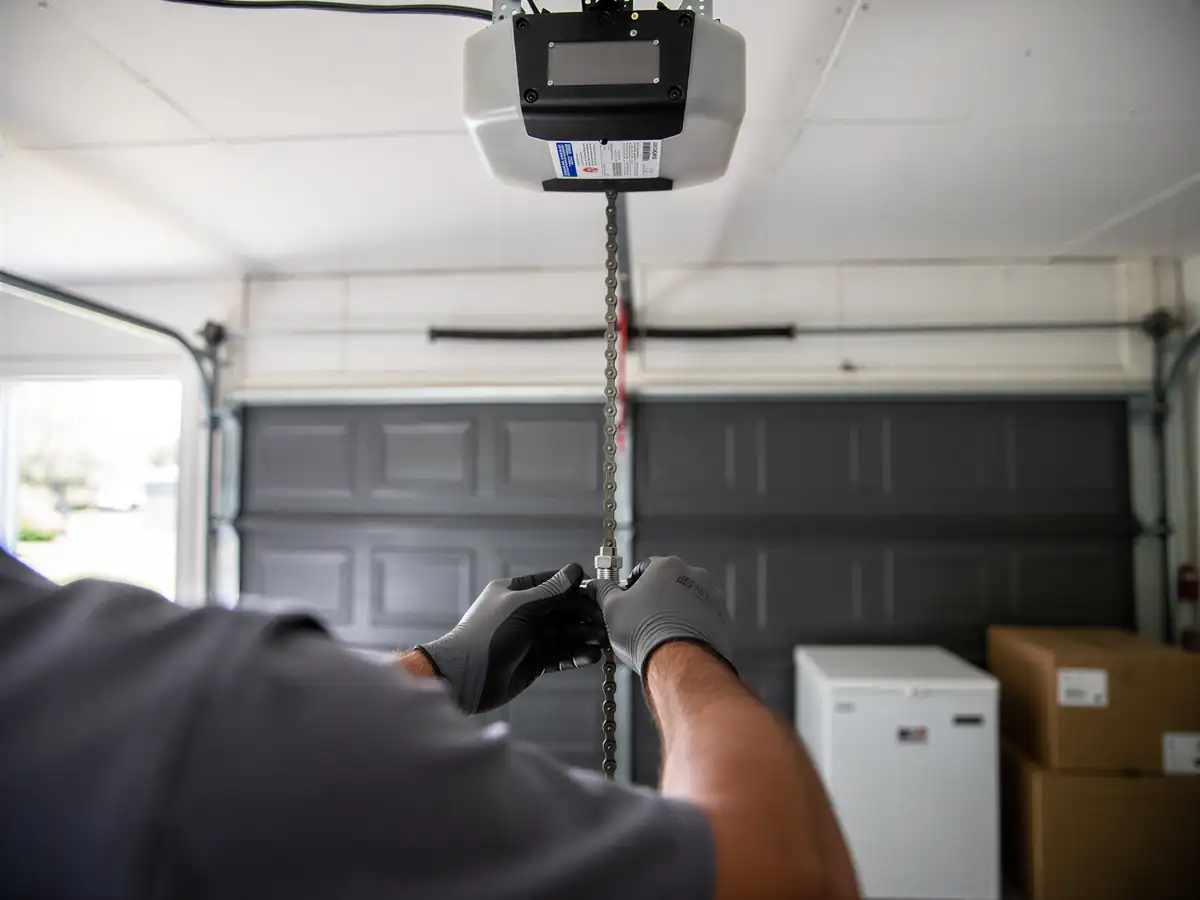
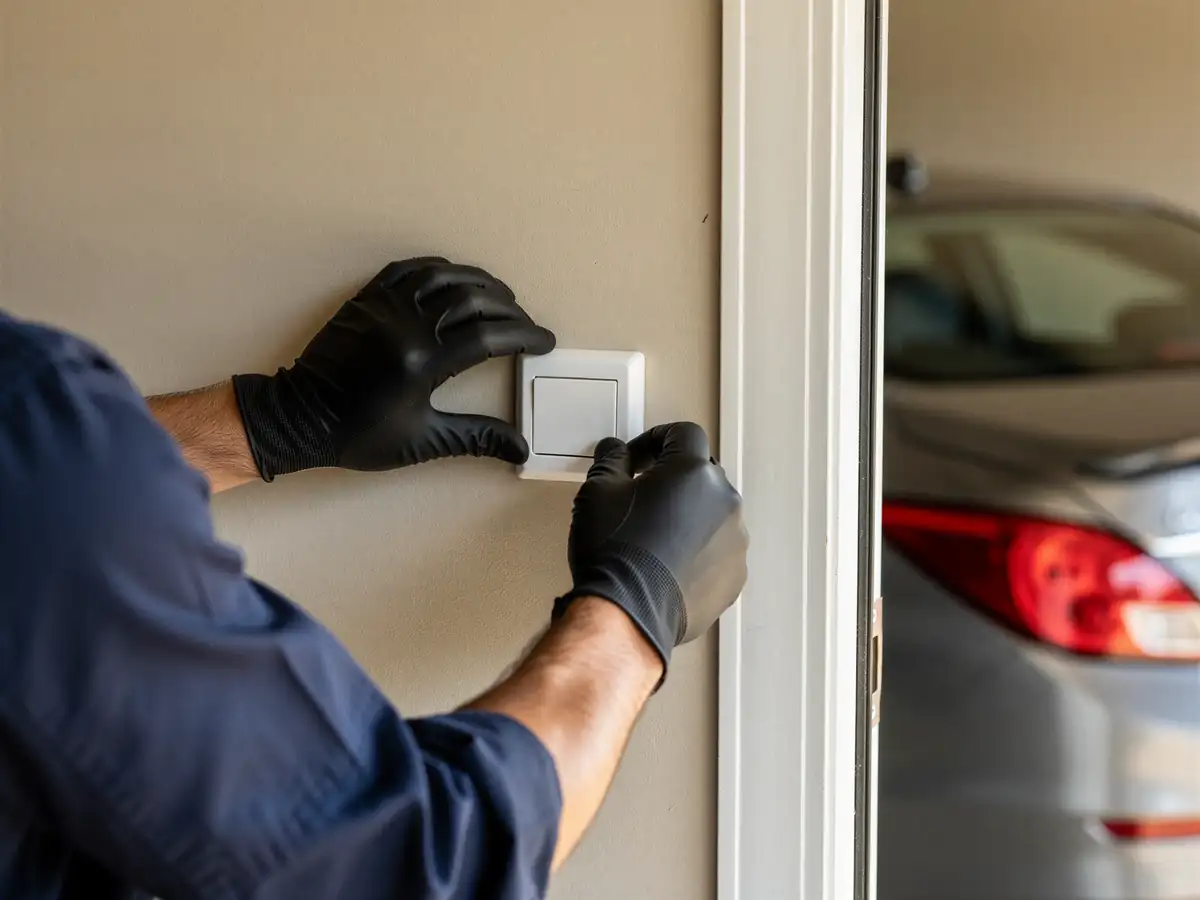
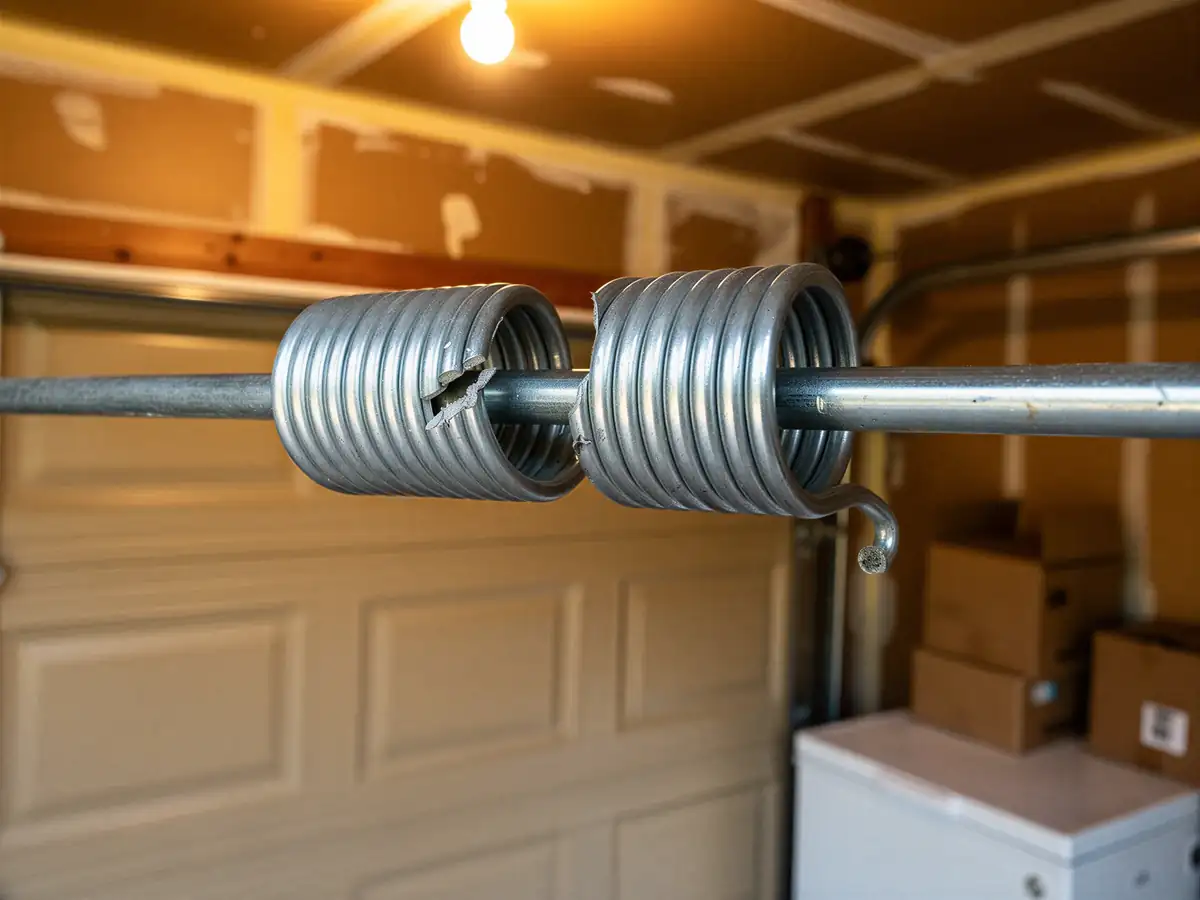
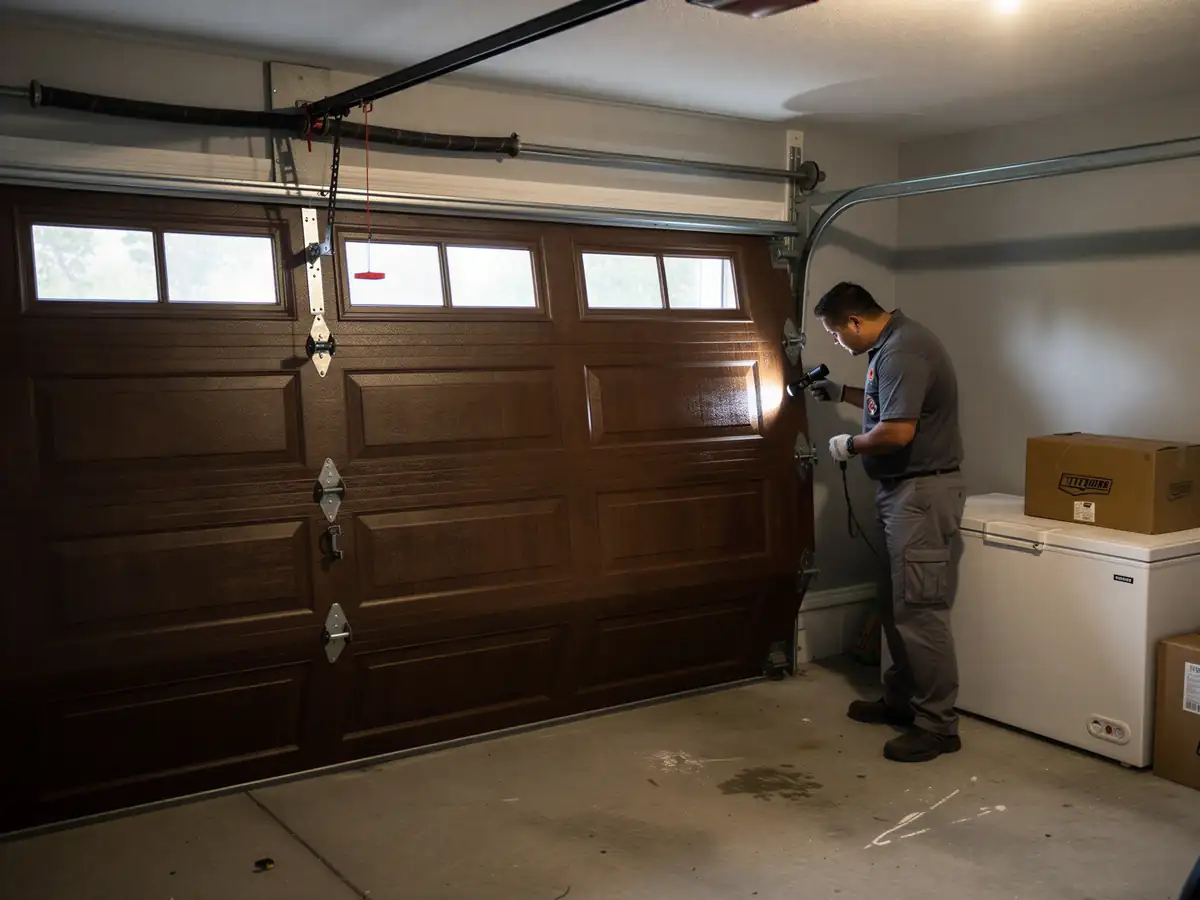
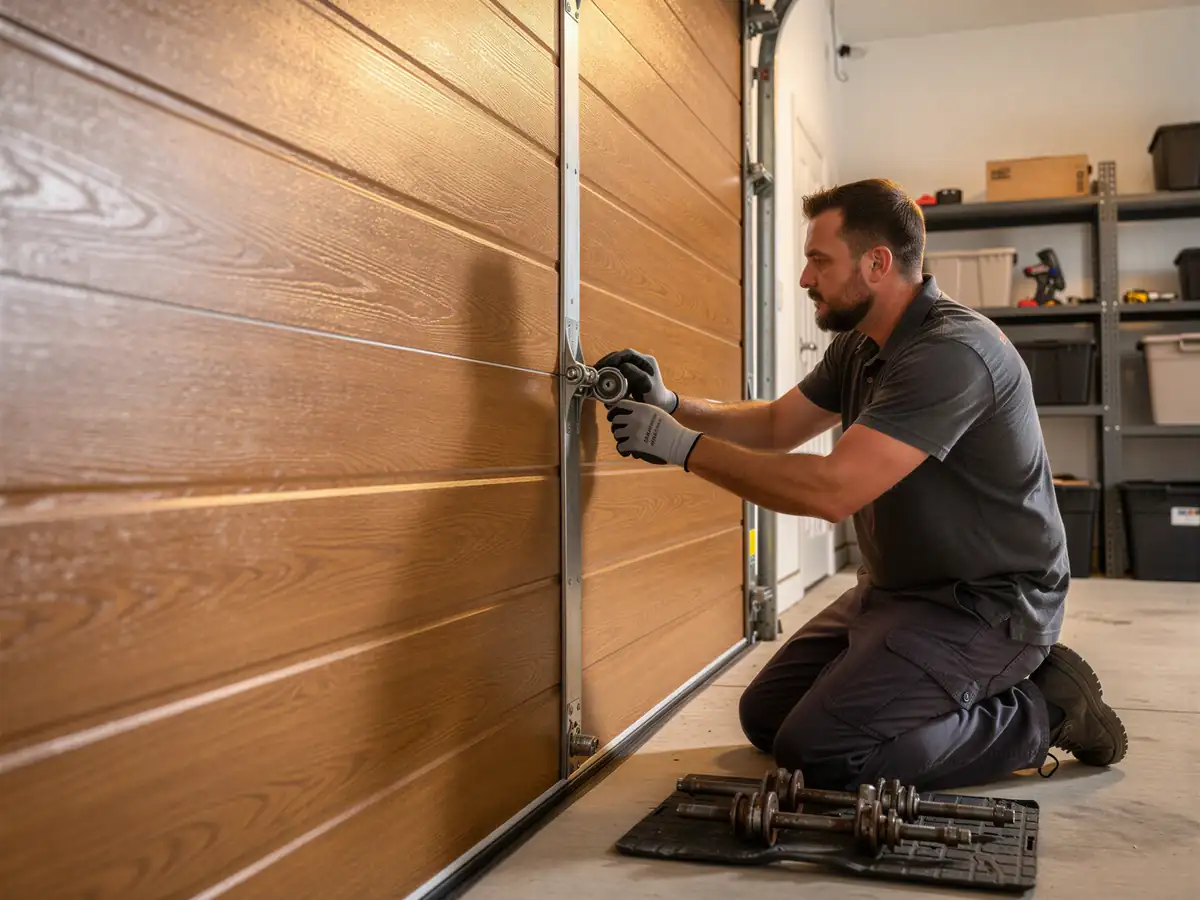
Midland's housing is newer than a lot of what we see closer to Concord - the median build year here runs around 2006, which puts most garage doors and openers on this side of their life well inside the modern era of steel sectional doors and chain or belt-drive openers with safety sensors, not the older torsion setups from the 80s stock common elsewhere in the service area. What that means in practice: fewer worn-out one-piece doors, more complaints tied to opener logic boards, misaligned photo-eye sensors, or a factory torsion spring finally giving out after 15-20 years of daily cycling. You're less likely to be dealing with rusted-through brackets from an old build, more likely dealing with an opener that clicks but won't lift, or a door that reverses halfway up because a sensor got knocked out of alignment during a move or a storage shuffle in the garage.
What Causes It Around Here
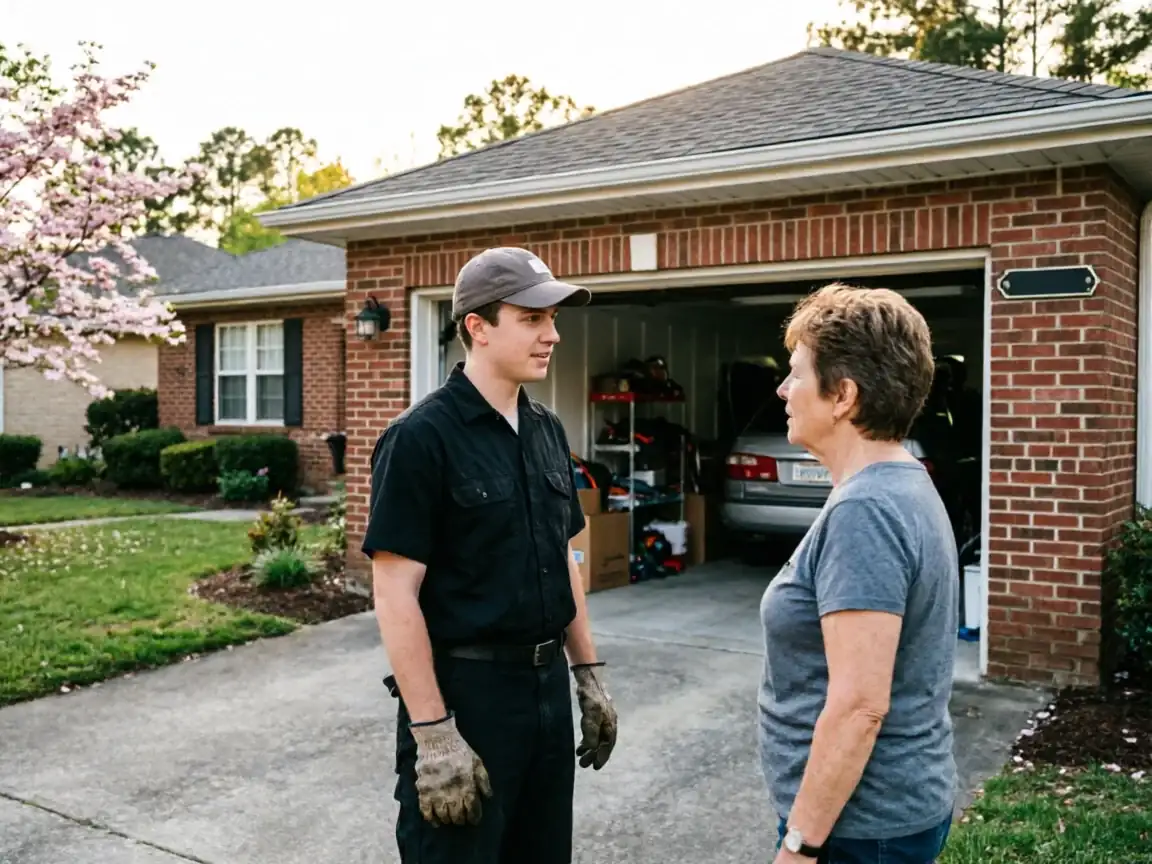
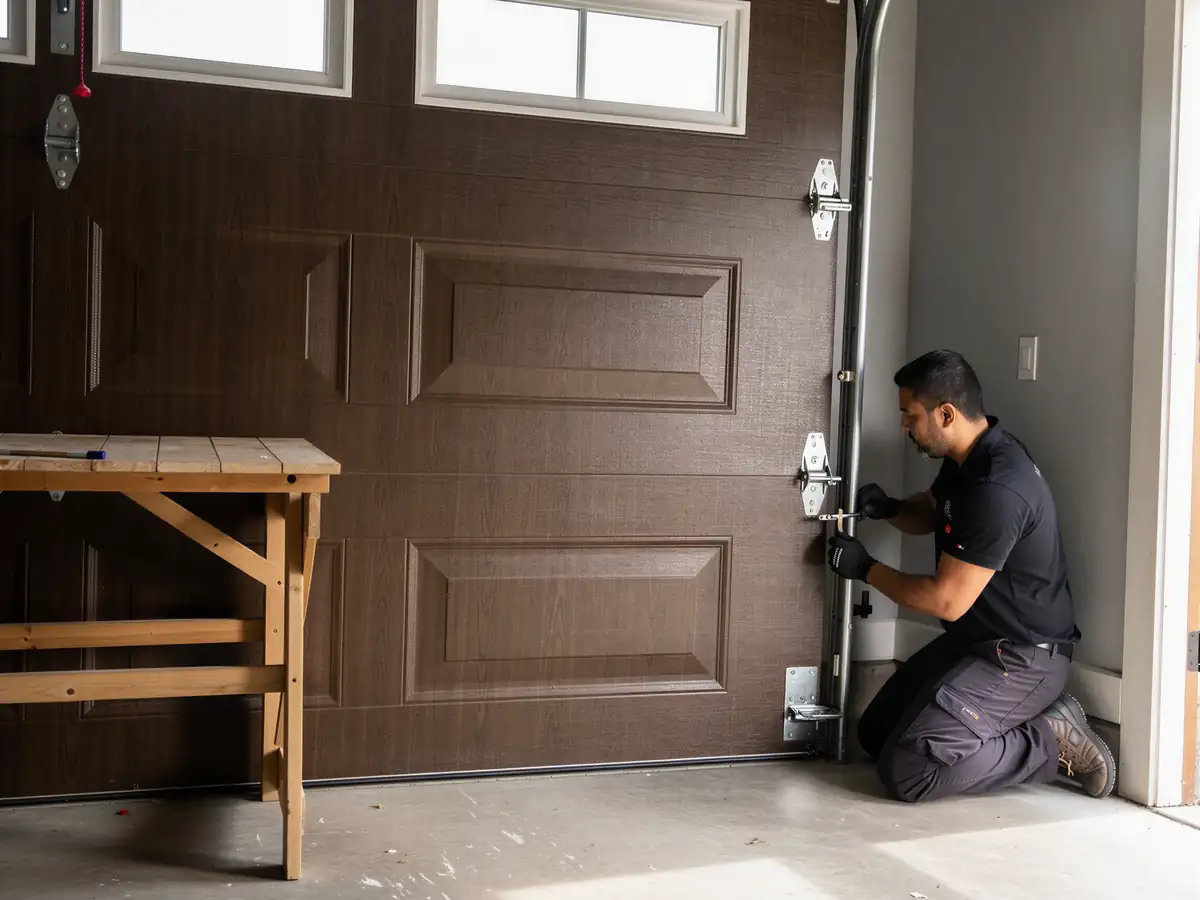
With a median household income around $85,551, a fair number of Midland garages double as workshop or storage space, and doors here take more open-close cycles from daily use than a door that's opened twice a day for cars. Extra cycling wears opener gears and softens torsion springs faster than the spring's rated life suggests. The cold-moderate climate the whole service area sits in also plays a part - temperature swings between a humid summer and a freezing winter night make steel panels expand and contract, which over years can loosen hinge bolts or throw a track out of square by a few degrees, enough to make rollers bind. None of that is unique to Midland's layout, but paired with newer builds that are just now hitting the age where original springs and opener capacitors start failing, it adds up to a specific, predictable set of calls from this part of the territory.