Booking a Visit
Midland is a small place
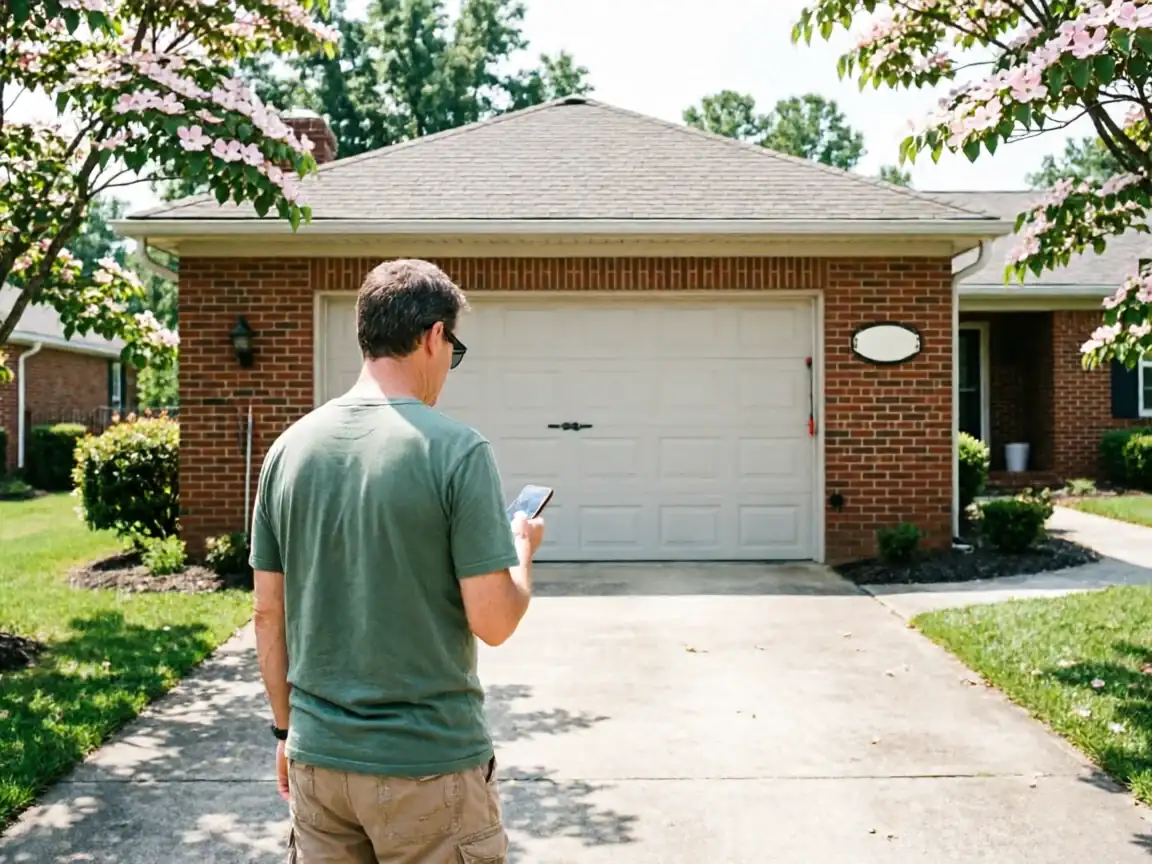
About 1,724 households, a fraction of the 61,059 households spread across the whole area we cover out of Concord. That size matters: we don't run a crew stationed in Midland, we drive the 12 miles out from Concord for every call. Most weeks that means one or two trucks making the trip, not a rotating schedule like we run closer to Concord itself.
- 12 miles
That's the honest limitation up front
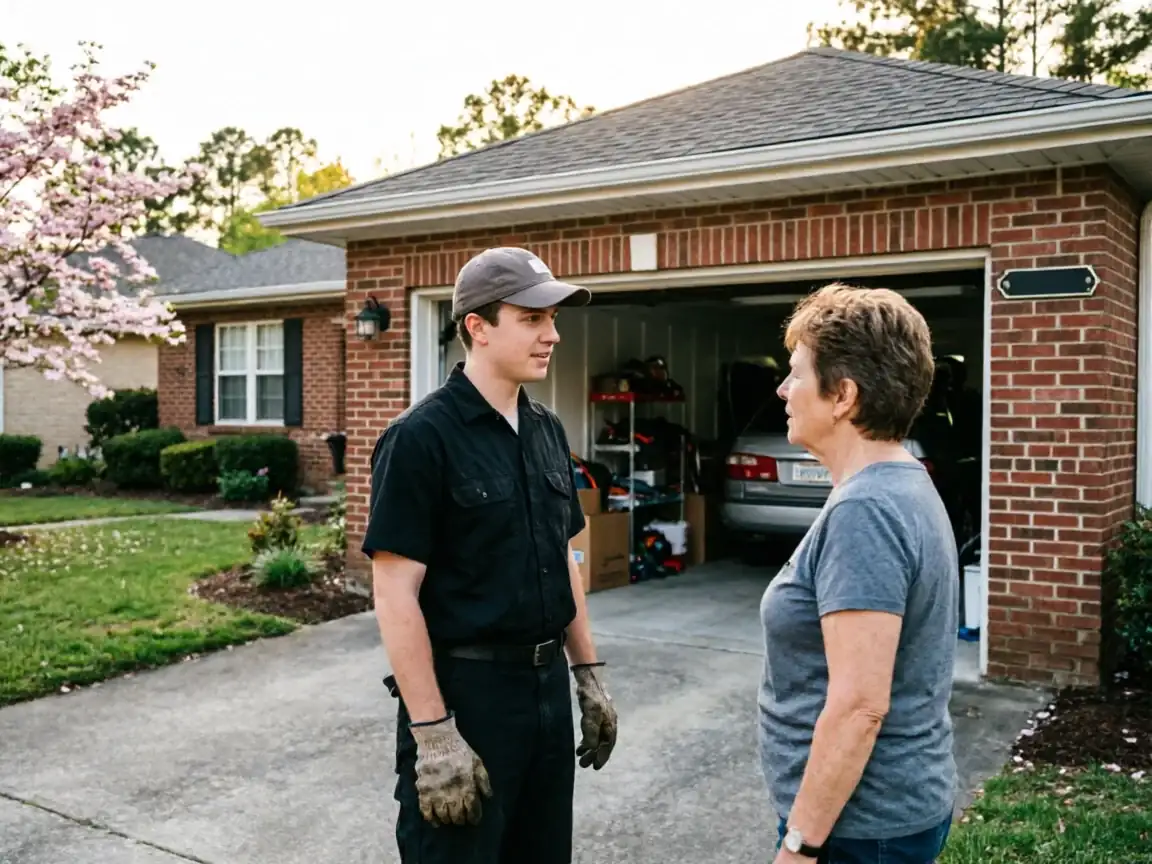
If you need someone on-site in the next hour for an emergency, we're not already around the corner. We'll tell you a real window when you call rather than promise something we can't back up from 12 miles away. Booking ahead for anything that isn't a stuck-open door or a snapped cable tends to work better for everyone, since we can line the trip up with other stops nearby.
- 12 miles
Midland's median household income runs $85,551, above the $79,765 median for the rest of the service area
And that shows up in the kind of doors we're called on - more insulated steel, more newer openers, fewer patched-together setups than you'd see on an older street.
How It Shows Up
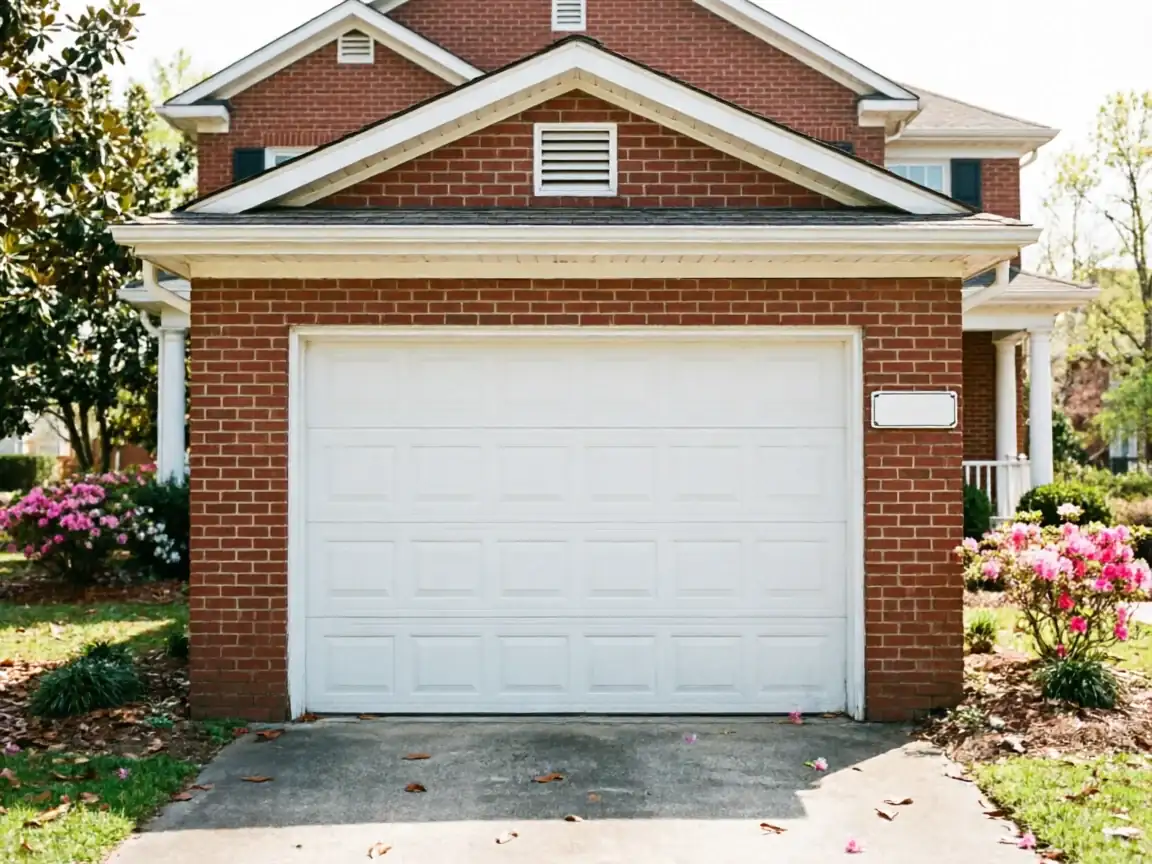
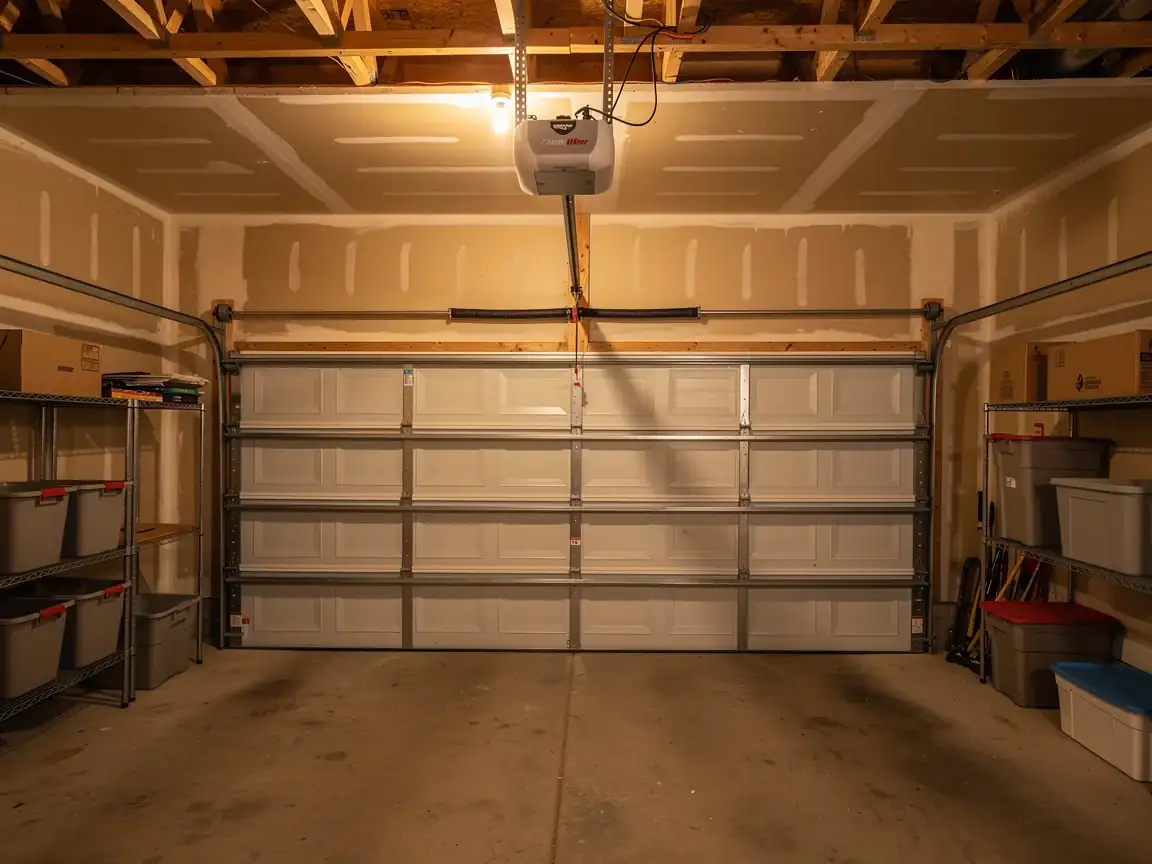
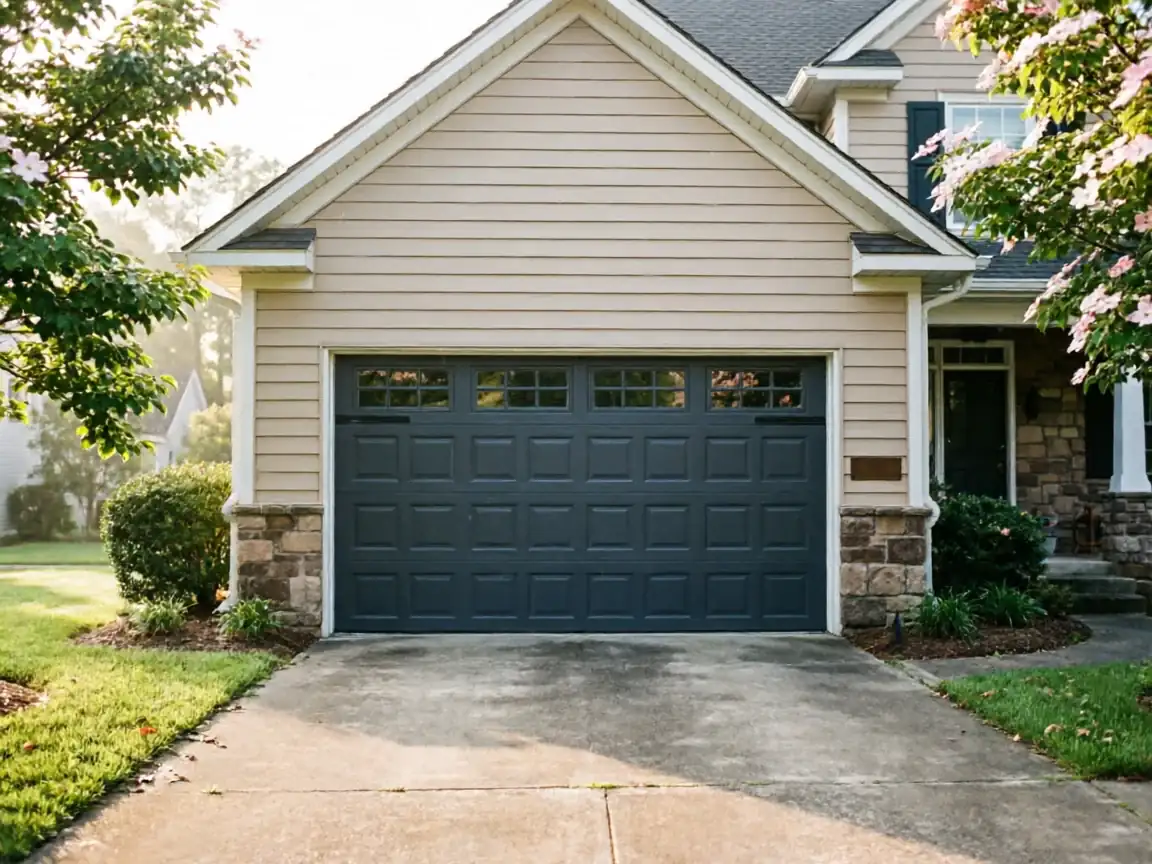
Midland's housing stock centers on a median year built of 2006 - two decades newer than the 1980s-90s average across the other 16 named areas we cover. That changes what breaks. You're less likely to find an original one-piece door on side-mounted torsion hardware out here, and more likely to find a factory-installed sectional door with a belt-drive or screw-drive opener that's twenty years old rather than forty.
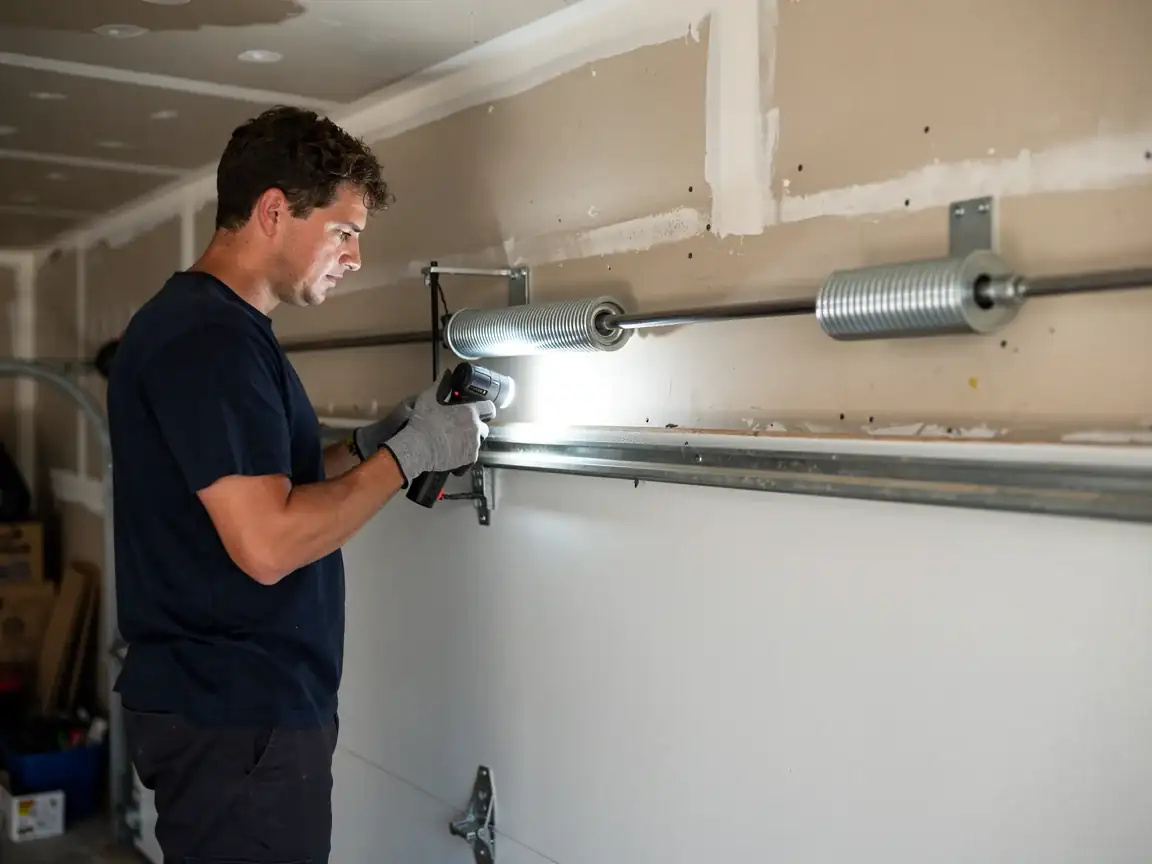
At that age, the common failure isn't the spring snapping cold - it's the opener's logic board or receiver going flaky, photo-eye sensors drifting out of alignment after years of lawn equipment bumping the brackets, or rollers wearing out their nylon jackets. Doors from this era also tend to run wider double-car openings, so when a cable does go, it's often the heavier two-car torsion spring pair rather than a single door's lighter spring.
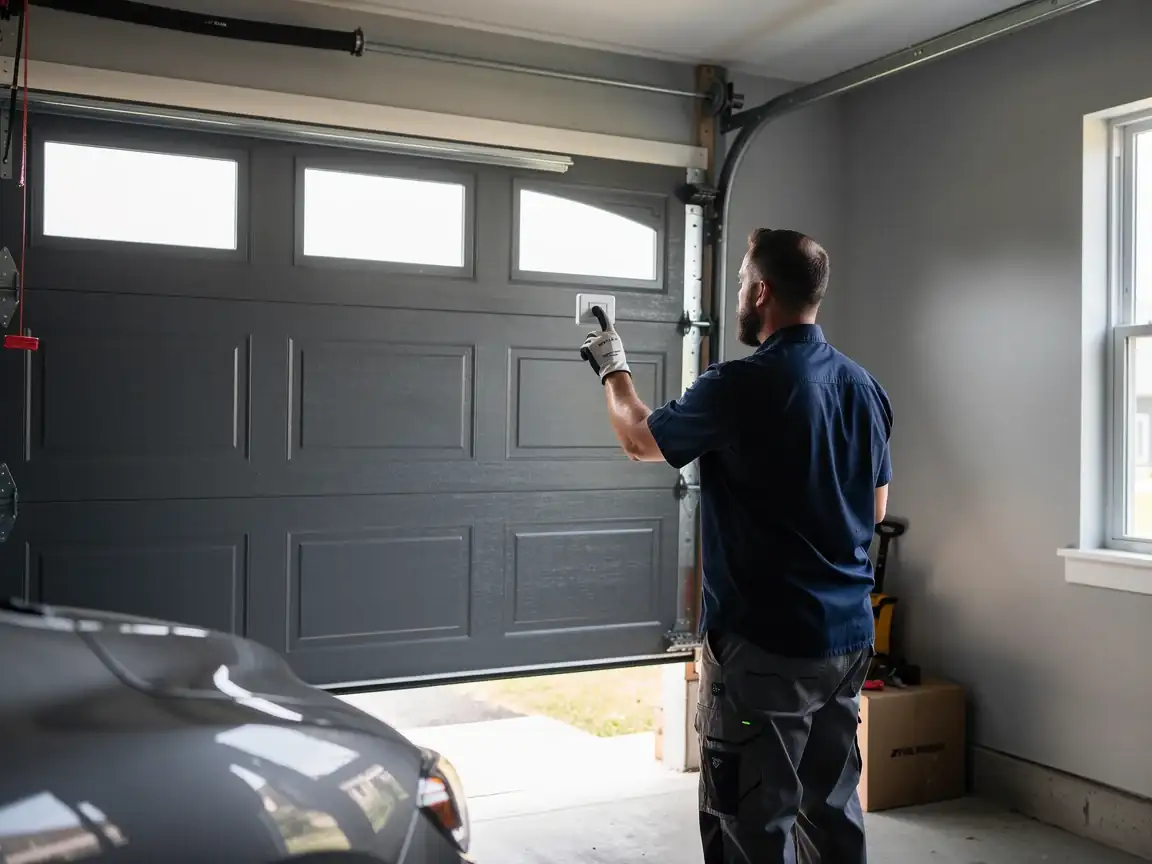
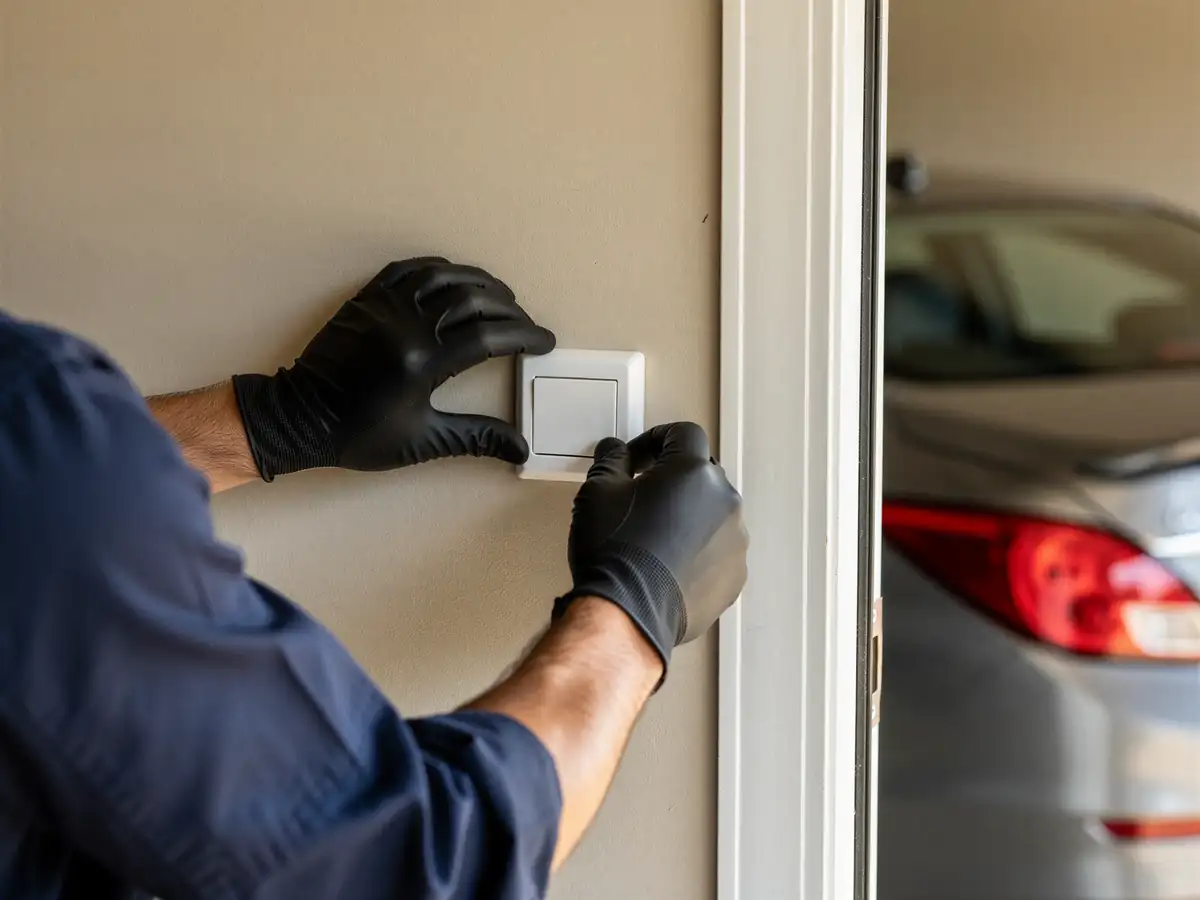
If your door is sticking halfway, reversing before it touches the floor, or the remote works but the wall button doesn't, that points to the opener's electronics or the sensors, not the spring - a different repair than most of what we see on the older side of the service area.
What Causes It Around Here
The climate band here is cold-moderate, which means freeze-thaw cycles through winter rather than deep sustained cold. On a 2006-era door, that mostly stresses the weatherstripping and the bottom seal - rubber that's been through enough freeze-thaw years starts cracking and letting the seal gap, which then lets cold air sit on the torsion spring and the opener's circuit board longer than it should.
Newer insulated steel doors handle that cycling better structurally than an older uninsulated panel would, but the moving parts - rollers, hinges, the opener's gearing - still see the same swings in temperature every day they're used. Lubrication that was fine in October gets stiff by January, and that stiffness is what makes an opener strain and eventually trip its overload protection or burn out a capacitor.
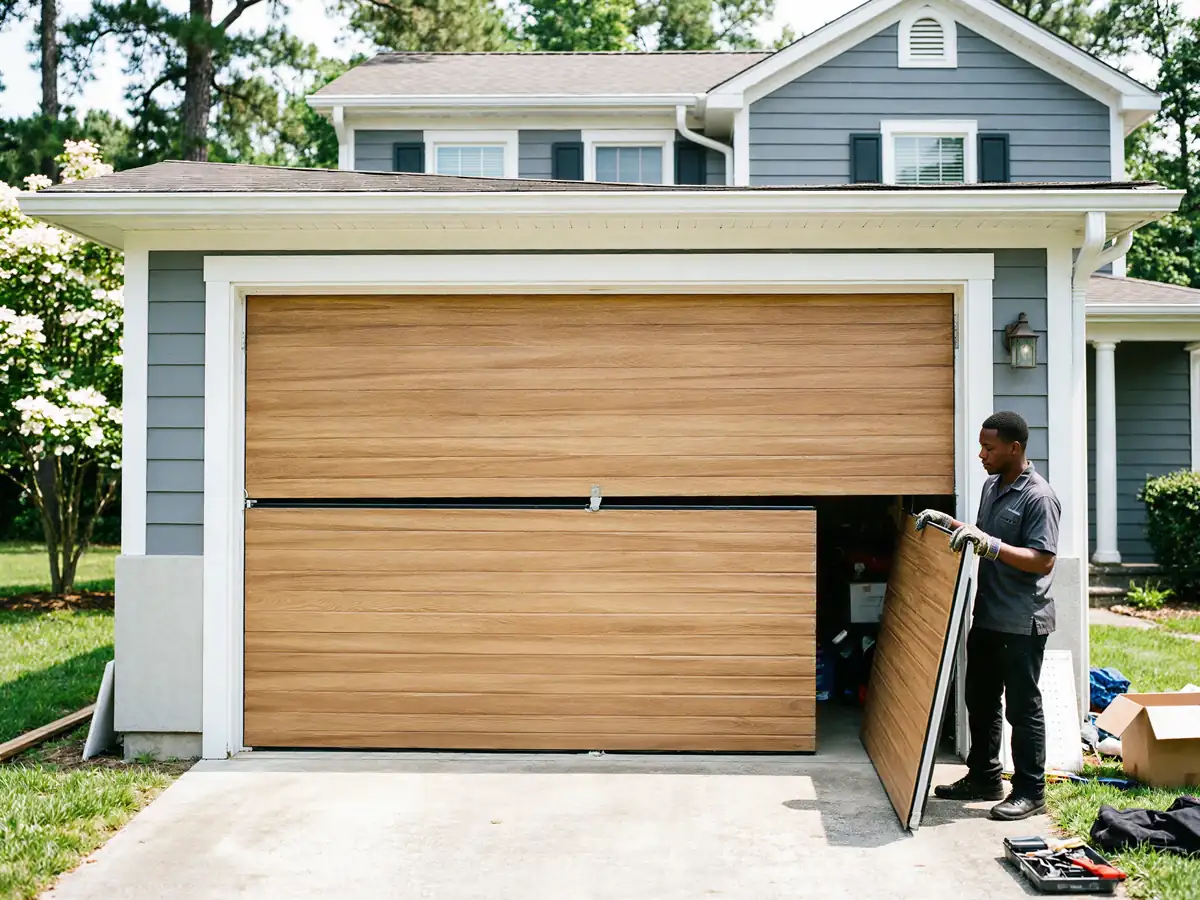
We don't see much rust-through on doors this age the way we do on older stock, so when a Midland call turns into a full door replacement rather than a repair, it's usually because of impact damage - a car backing into a panel - rather than age.
What the Fix Involves
On a door built around 2006, most repair calls are opener work
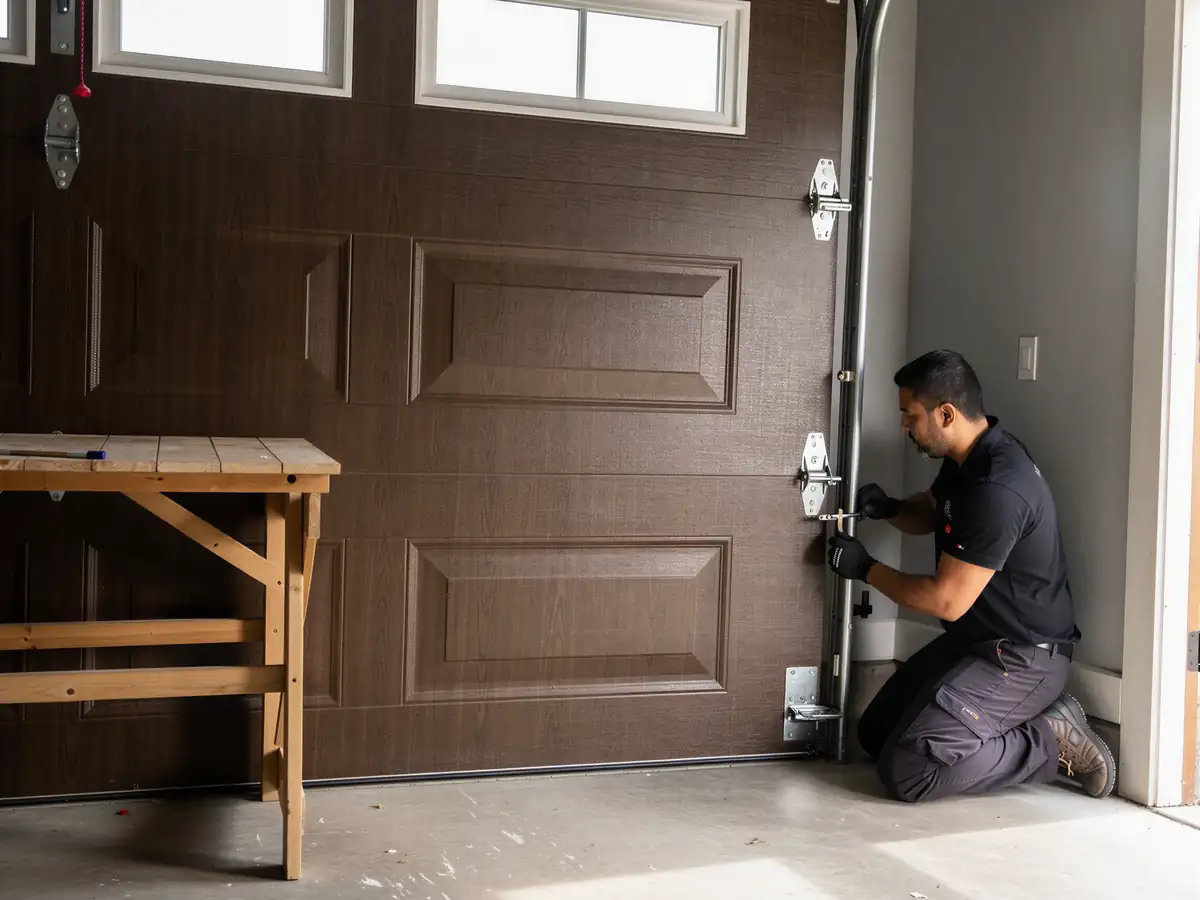
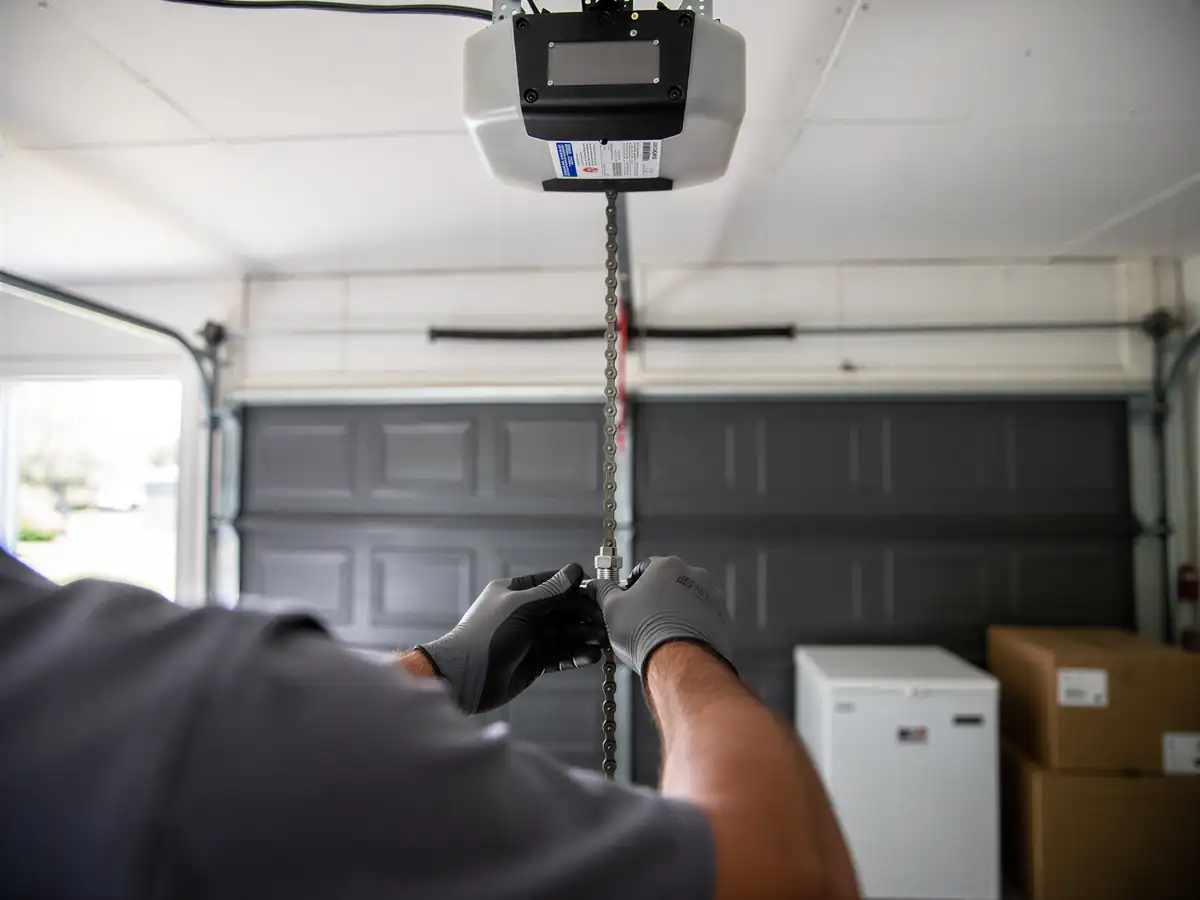
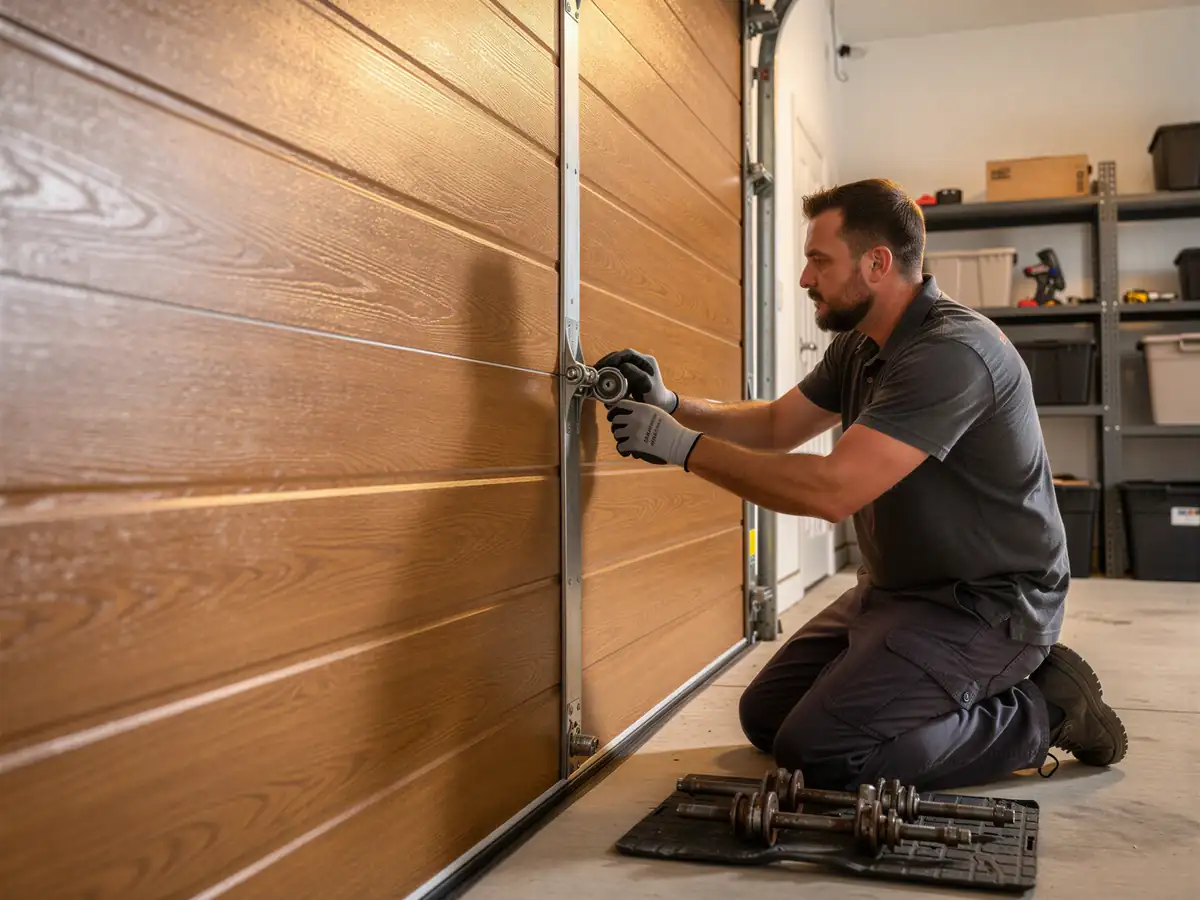
Swapping a logic board, replacing a worn drive belt or screw assembly, or re-aligning and cleaning photo-eye sensors. None of that requires pulling the door off its track, and most of it is a same-visit fix once we've got the part on the truck.
Where it gets slower is parts availability for openers from that specific era
Some manufacturers changed circuit board designs enough that an exact replacement isn't always sitting on a shelf, and we may need a day or two to get the right part rather than a generic swap. We'll tell you that up front rather than guess at a timeline.
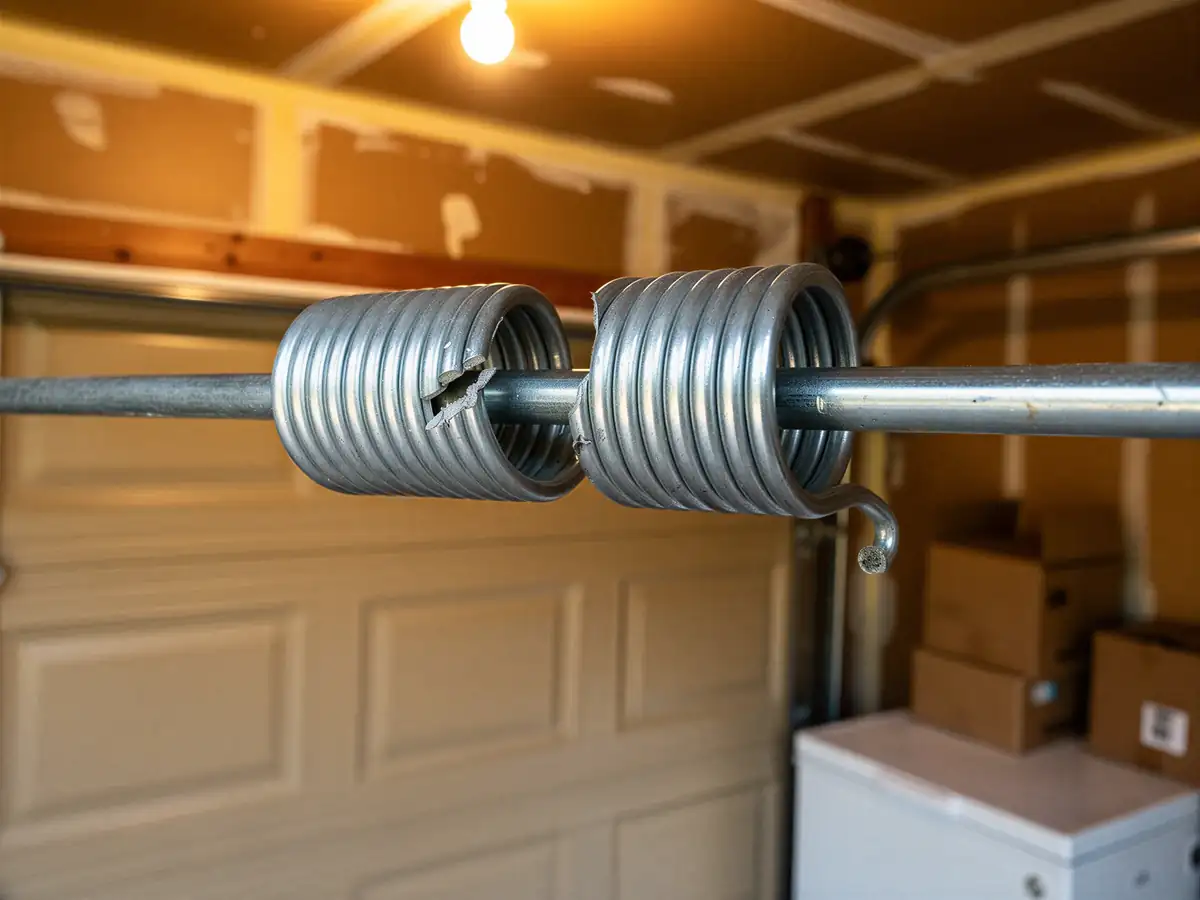
Spring work on these doors is usually a standard double-torsion job on a two-car opening
Not the single lighter spring you'd find on an older narrow door. We size springs to the door's actual weight rather than assume, since insulated steel panels from this build era vary more in weight than older uninsulated ones did.