How It Shows Up
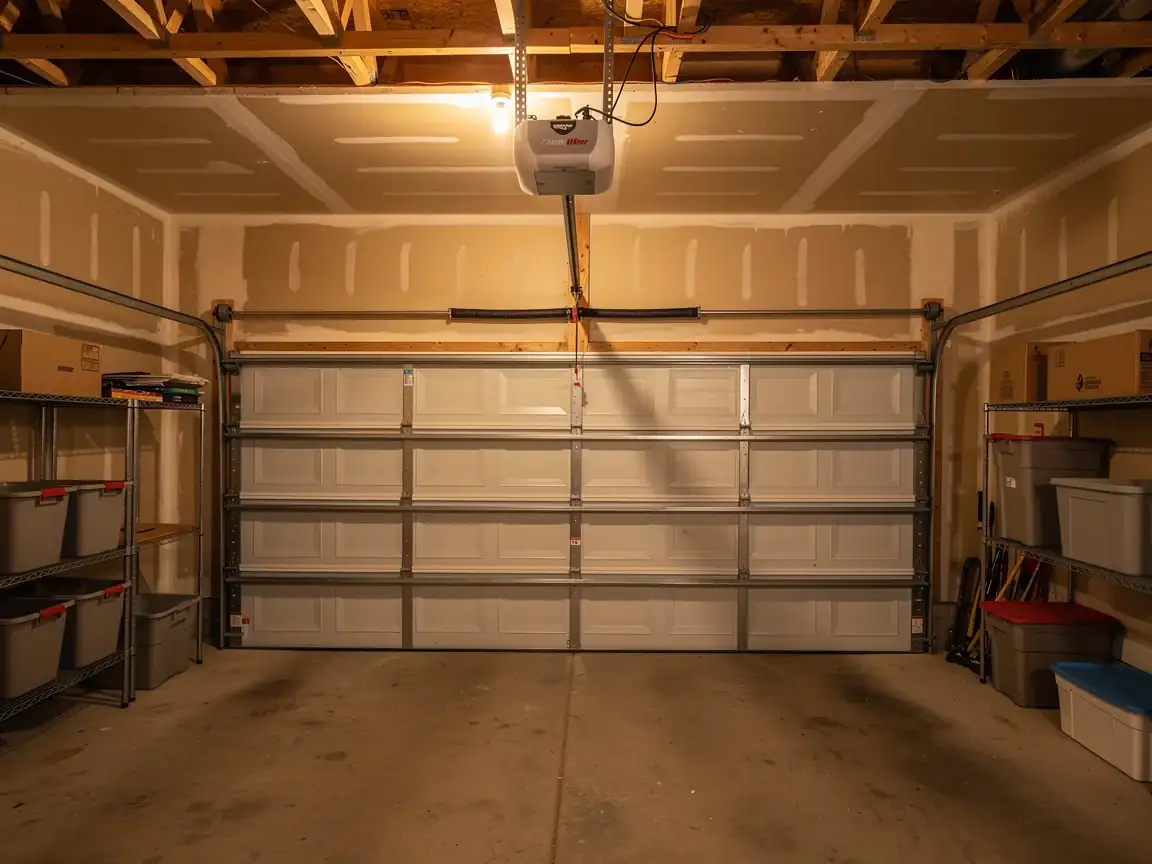
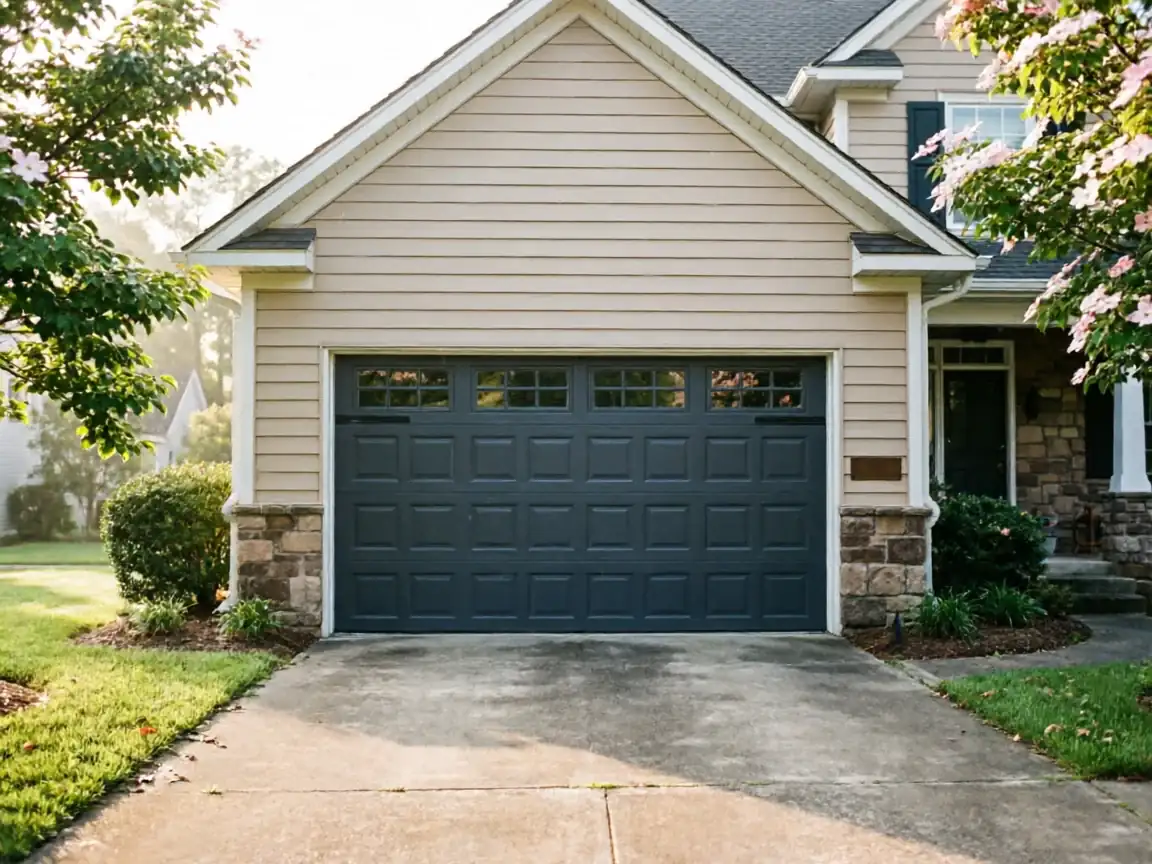
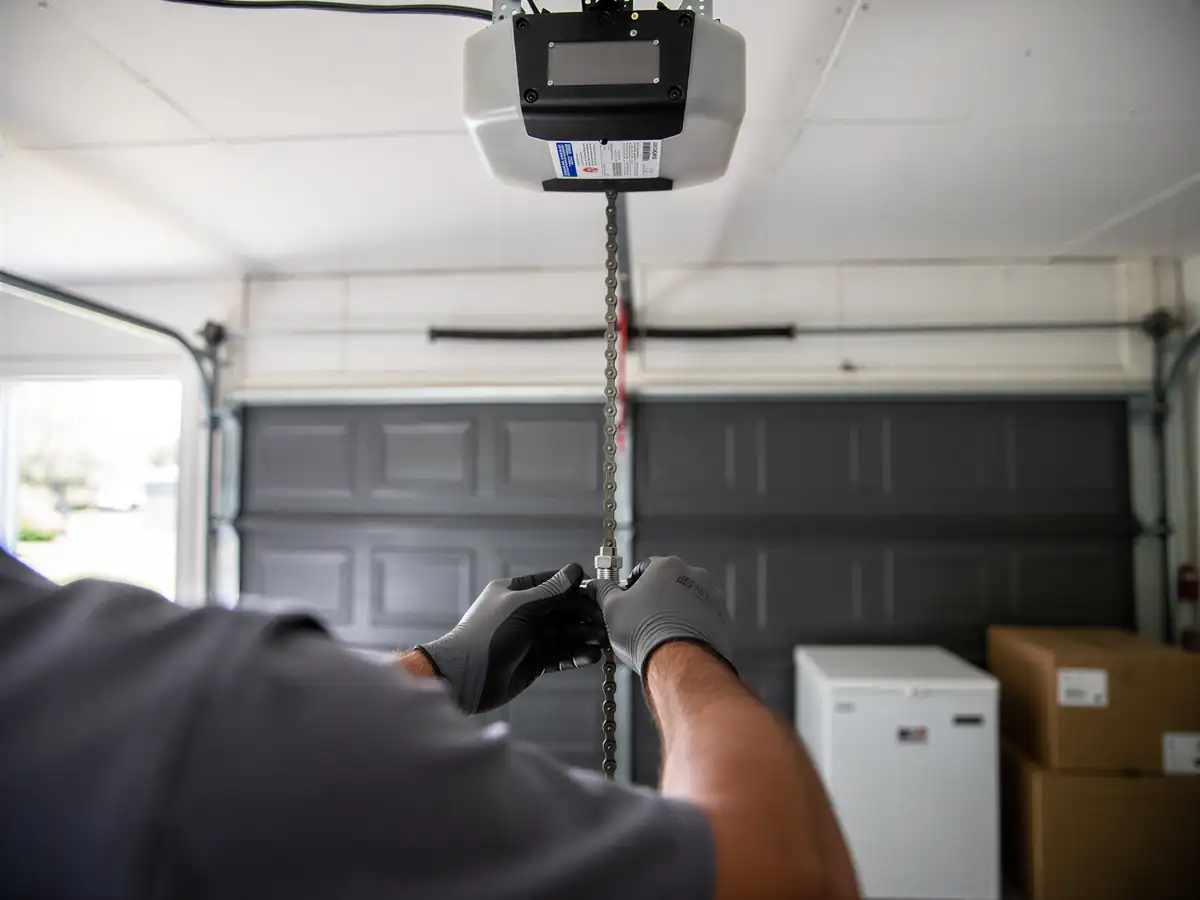
In a lot of Midland garages, the opener is the original one the builder put in, and a huge share of this area's housing went up fairly recently - the local median build year runs right around 2006, which is late in the window compared to a lot of our other towns. That means a lot of these openers are chain or belt-drive units from the 2000s hitting the end of a normal service life, not the ancient 1980s screw-drive units we see in older housing stock elsewhere. The failure pattern looks different too: capacitor and logic board failures on newer units, worn drive gears, or a safety sensor that's just old and finally quit, rather than a dead motor on a unit that was already outdated when the house was built. Homeowners usually notice it as the opener running but not pulling the door, or the remote working intermittently before it stops working at all.
What Causes It Around Here
With a median household income of $85,551 in this area, a lot of these houses came with mid-grade builder openers rather than the cheapest unit on the shelf, which is part of why they've lasted this long - but 15 to 20 years is still 15 to 20 years on a motor that runs daily. The climate here is on the colder, moderate side rather than extreme, so we don't see the heat-related lubricant breakdown you'd get further south, but winter cold can still make an aging motor strain to start, especially on a heavier insulated door. Because most of these homes were built within a tighter, more recent window than older parts of our service area, we tend to see openers fail in batches by subdivision age rather than one-off - if yours is acting up, a neighbor's built the same year might not be far behind.