How It Shows Up
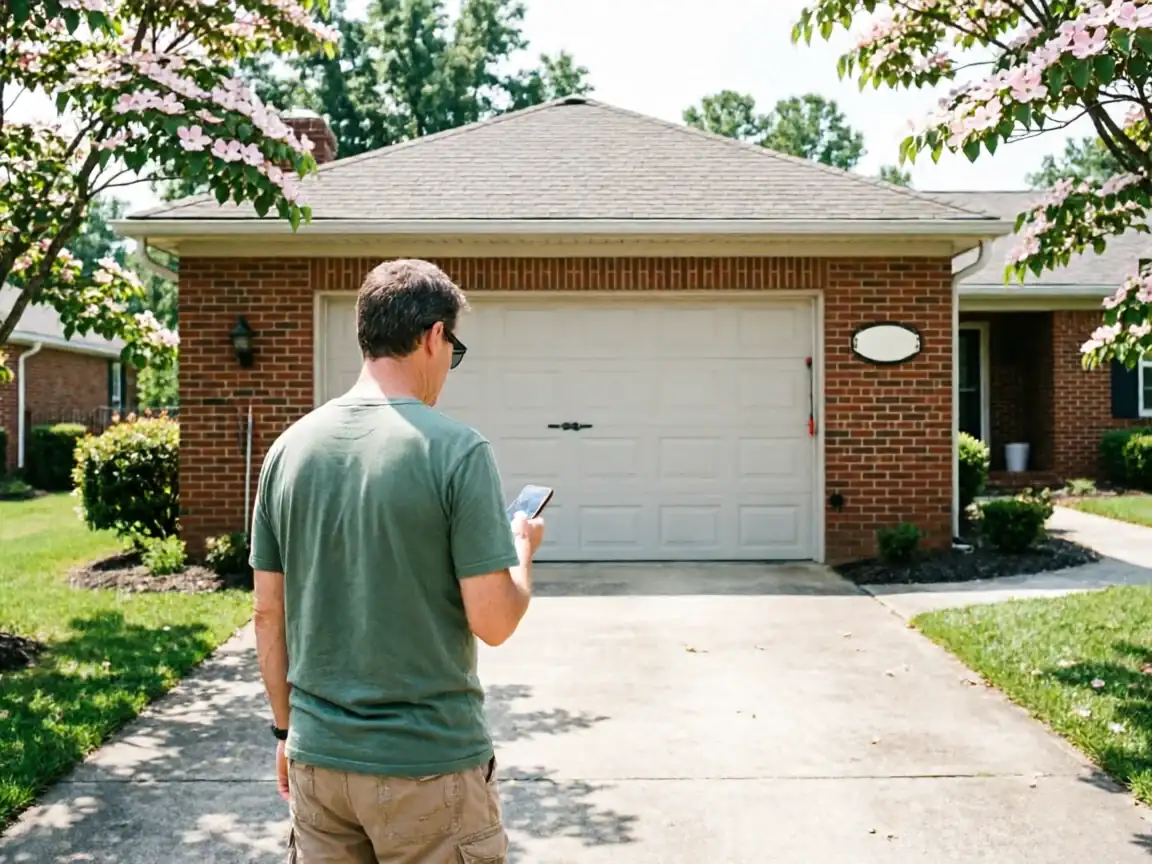
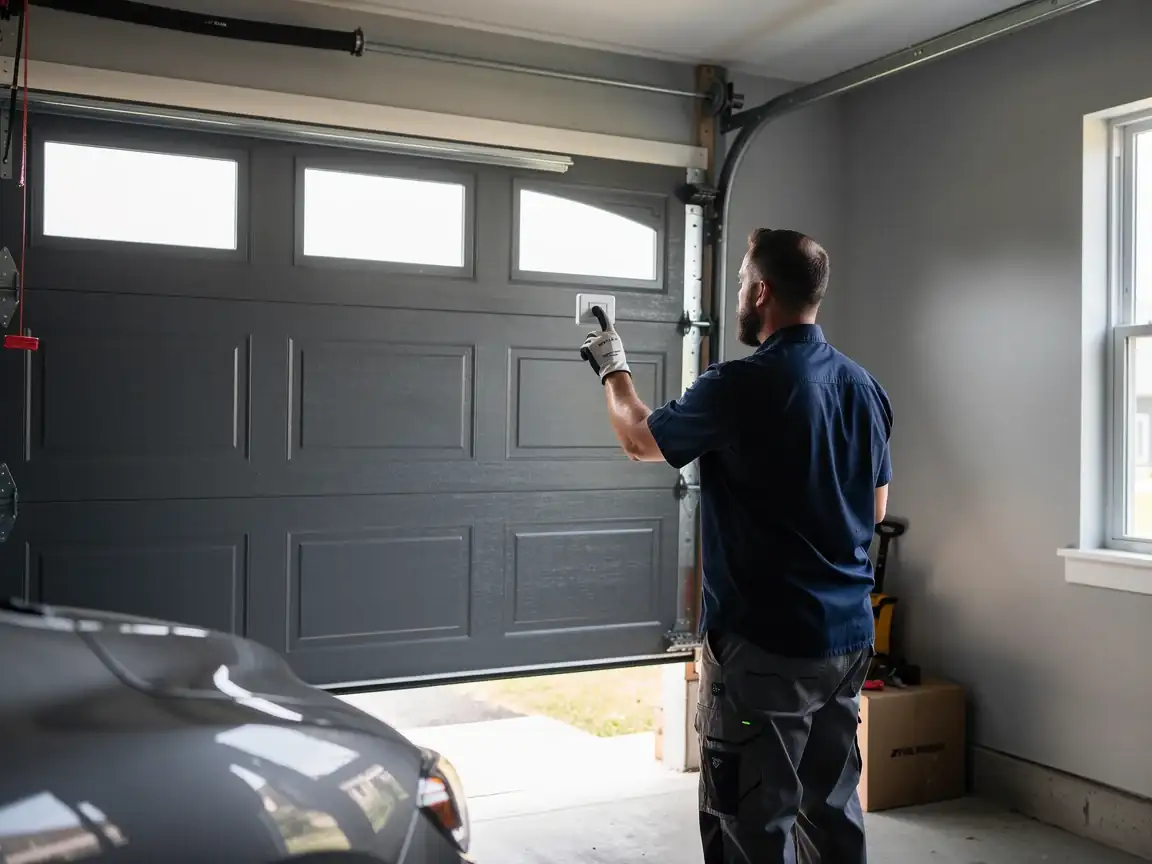
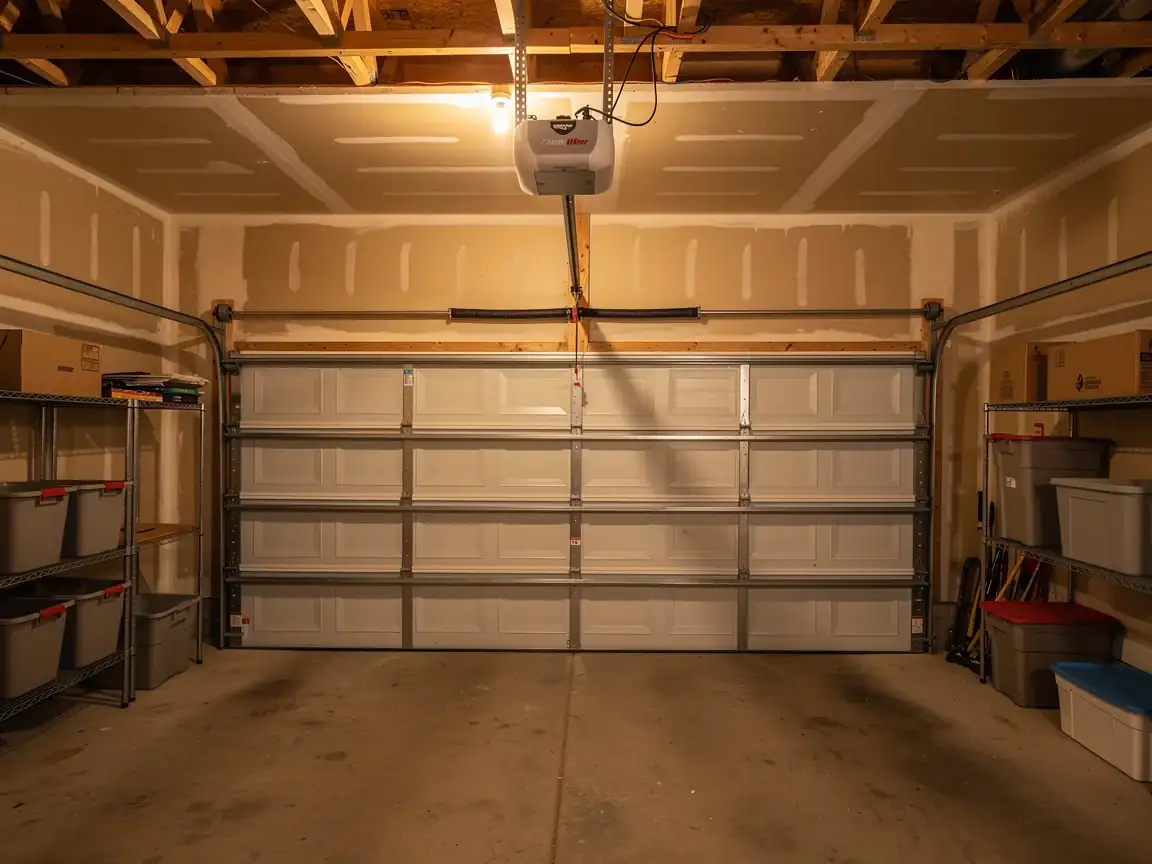
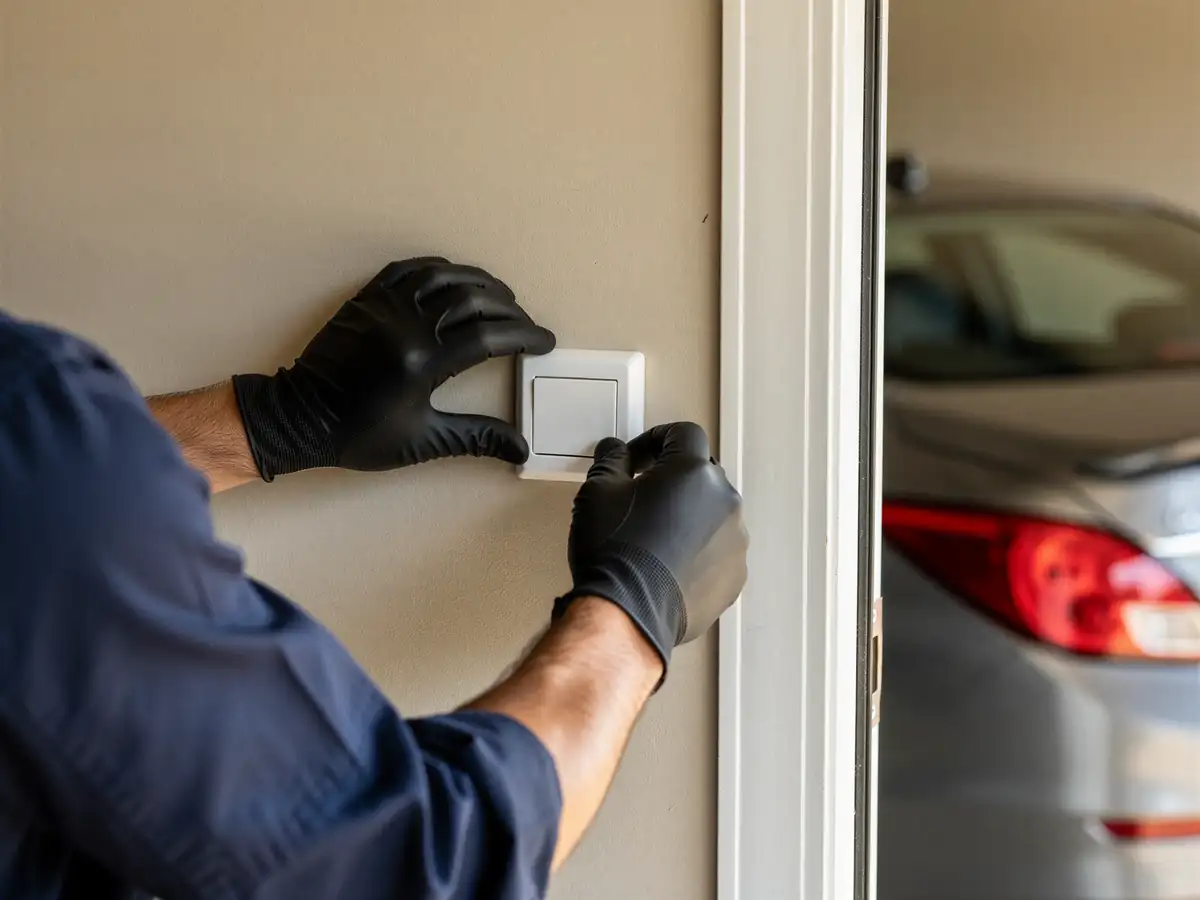
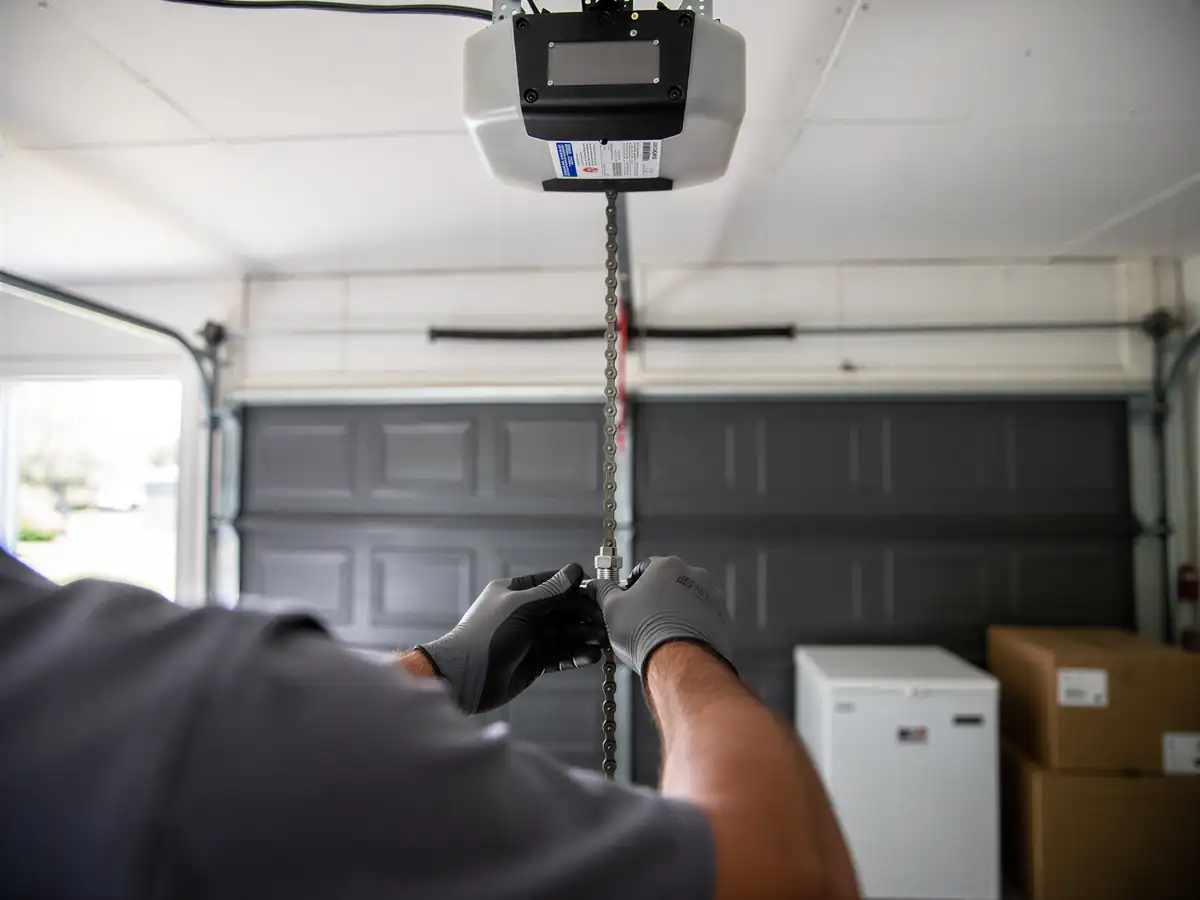
Midland's housing stock centers on a median build year of 2006 - newer than most of the towns we cover, where the area-wide median lands closer to 1987. That matters for openers specifically: a chain or belt-drive unit installed when a Midland house was built is now pushing toward 20 years old, which is the far end of a typical opener's working life. What you'll notice first is usually the logic board, not the motor. Lights that flicker before the unit engages, a remote that works from ten feet away but not from the driveway, a wall switch that sometimes needs two or three presses - these are board and sensor symptoms, and they show up gradually rather than as a sudden dead unit. Some homeowners also notice the safety reversal sensors at the bottom of the track getting less reliable, misfiring on cold mornings or after the door's been sitting still for a day or two. That's consistent with original hardware from a 2000s build aging out, not damage from a specific event.
What Causes It Around Here
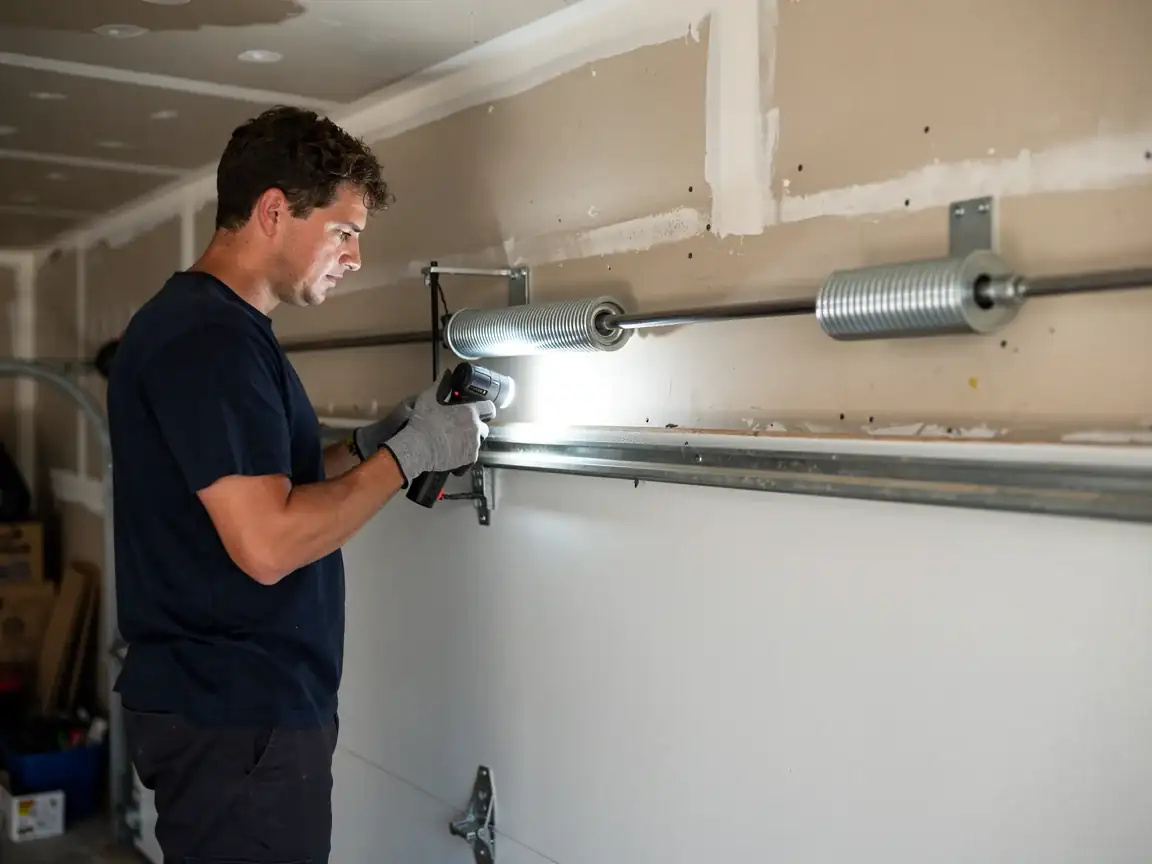
The honest answer is age, plain and simple - not storm damage, not a bad install. If your house in Midland was built anywhere near that 2006 median, the opener riding on your ceiling bracket right now is very likely the one that came with the house. Builders in that era mostly spec'd mid-range chain-drive units, and two decades of use wears the internal gear sets, dries out the lubricant in the drive mechanism, and degrades the capacitors on the circuit board long before the motor itself gives out. The region sits in a cold-moderate climate band, and temperature swings through a Midland winter put extra strain on the plastic drive gear and on photo-eye sensor alignment, since brackets shift slightly as temperatures change season to season. We also see a fair number of openers here that were never reprogrammed correctly after a remote battery change or a power outage, which looks like a hardware fault but is actually a settings issue - worth ruling out before anyone replaces a board.