Booking a Visit
Mount Pleasant is a small town by the numbers we work with
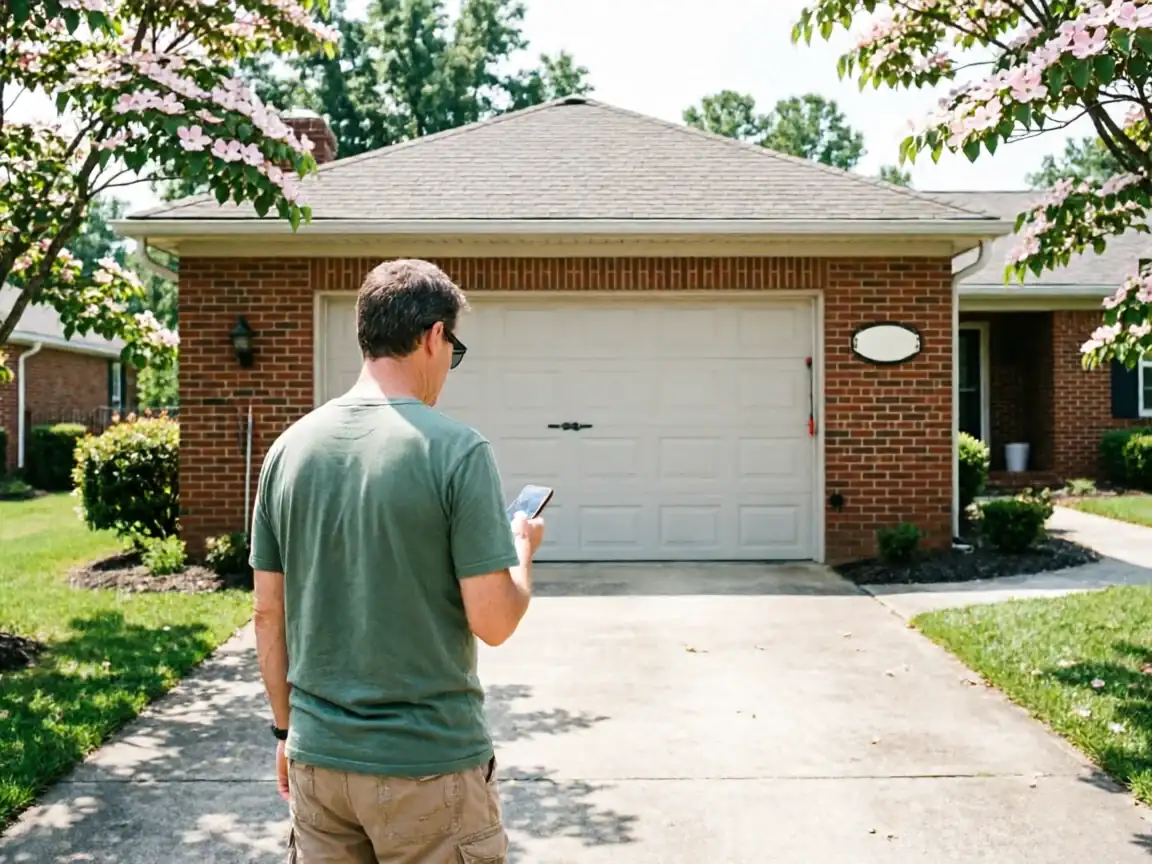
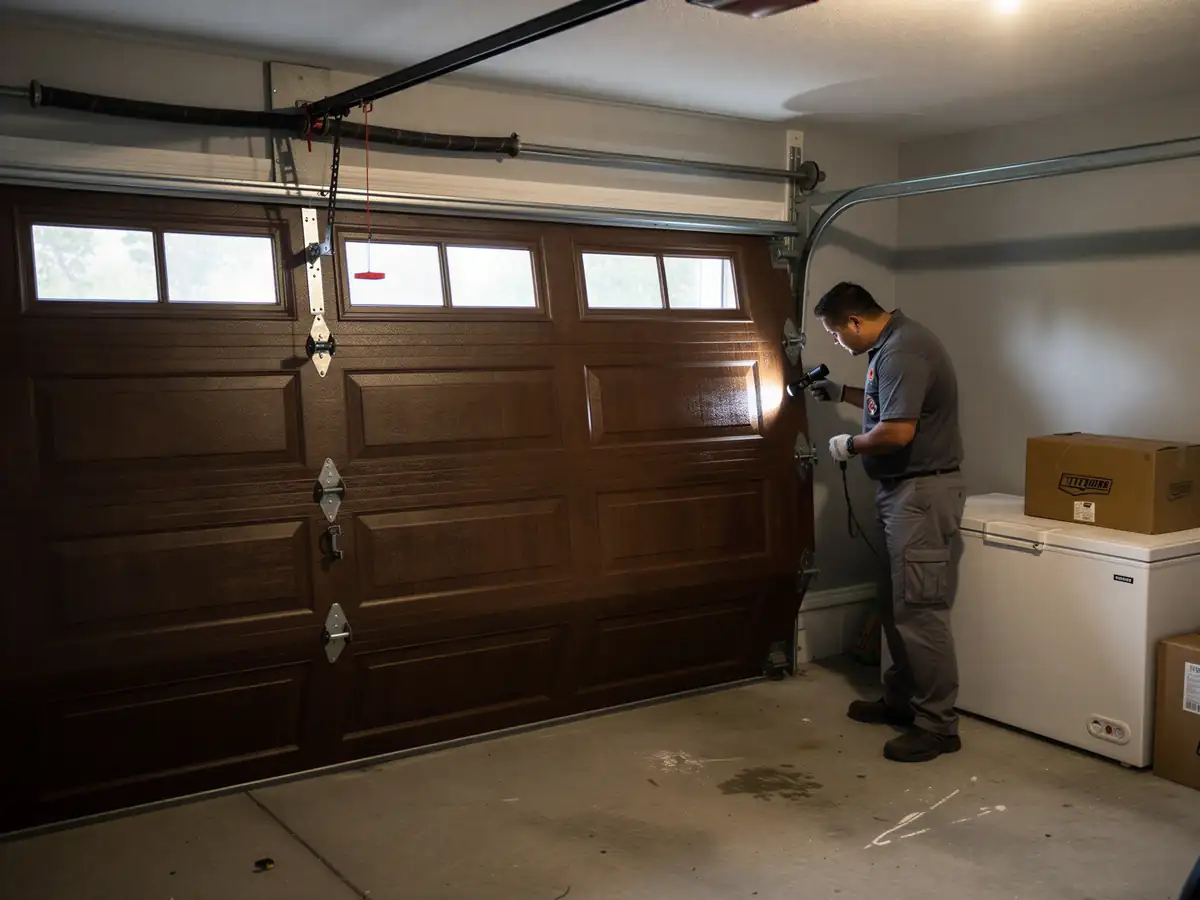
About 676 households, compared to tens of thousands across the rest of our coverage area. That matters for how a job gets scheduled here: we're not driving past five times a day the way we might through denser parts of the territory, so when you call, we build the 12-mile run from Concord into the visit instead of treating it as a quick add-on between other stops. Tell us the symptom when you call - door won't go up, loud bang, opener runs but nothing moves - and we bring the right parts the first trip instead of guessing. We cover Mount Pleasant from our Concord base, not from a local yard, so the drive is part of every job here and we plan around it rather than pretending it isn't there.
- 676 households
If your door is stuck shut and the car's inside, say so up front
If it's a tune-up or a noise that's been bothering you for a month, that's a different kind of call and we'll schedule it differently.
Where This Job Goes Sideways
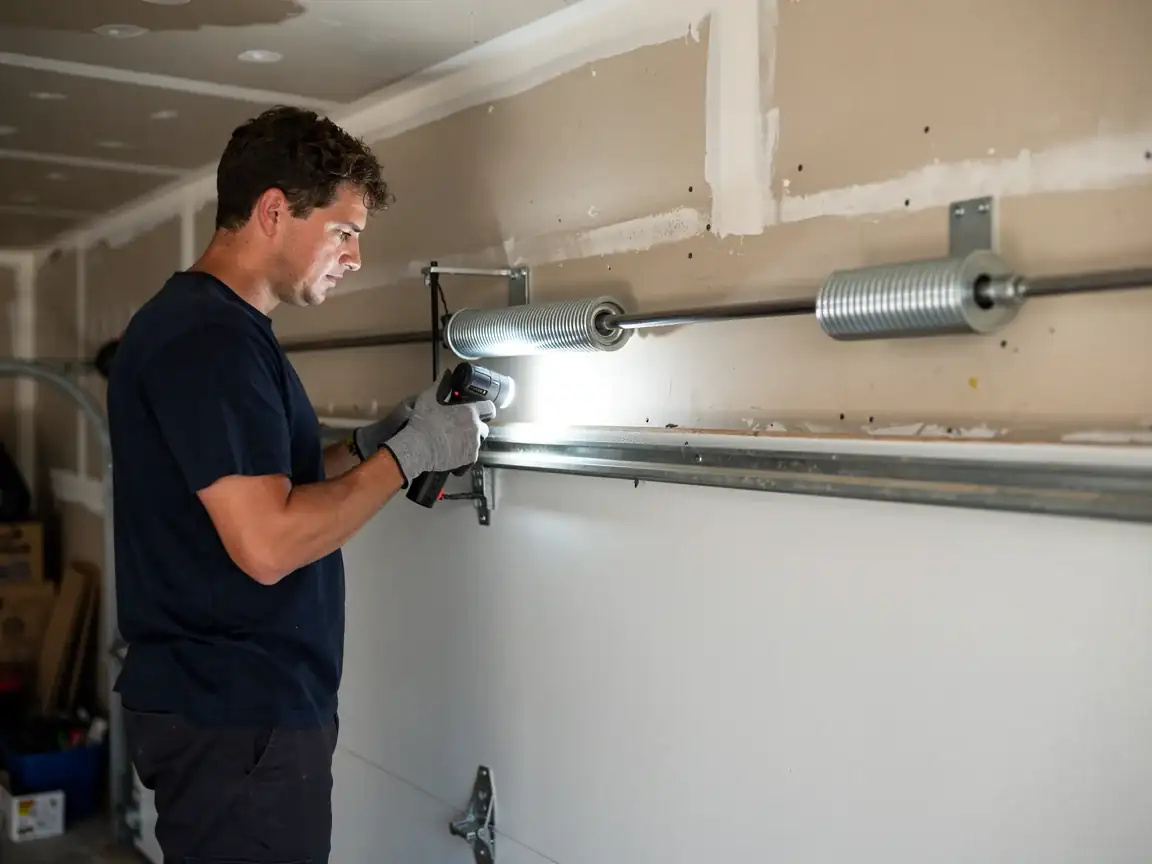
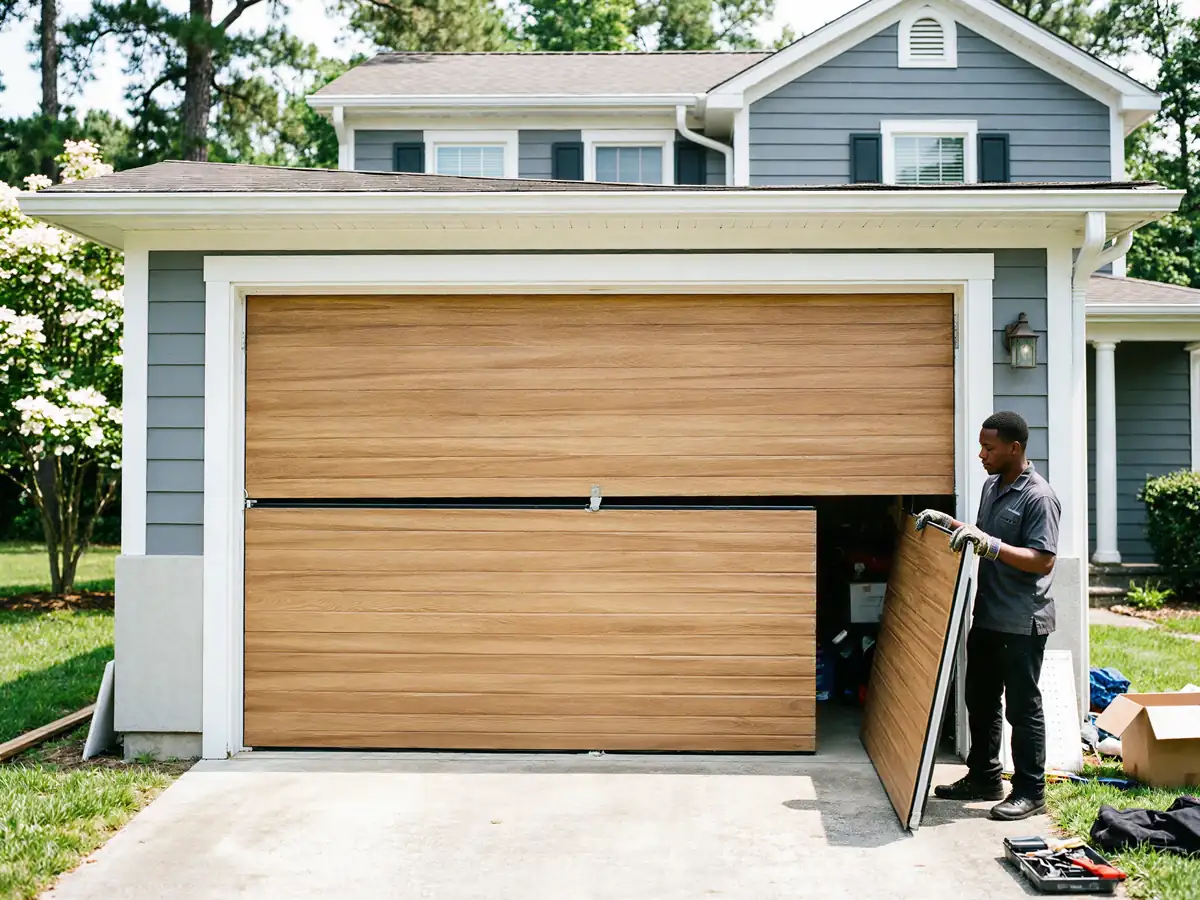
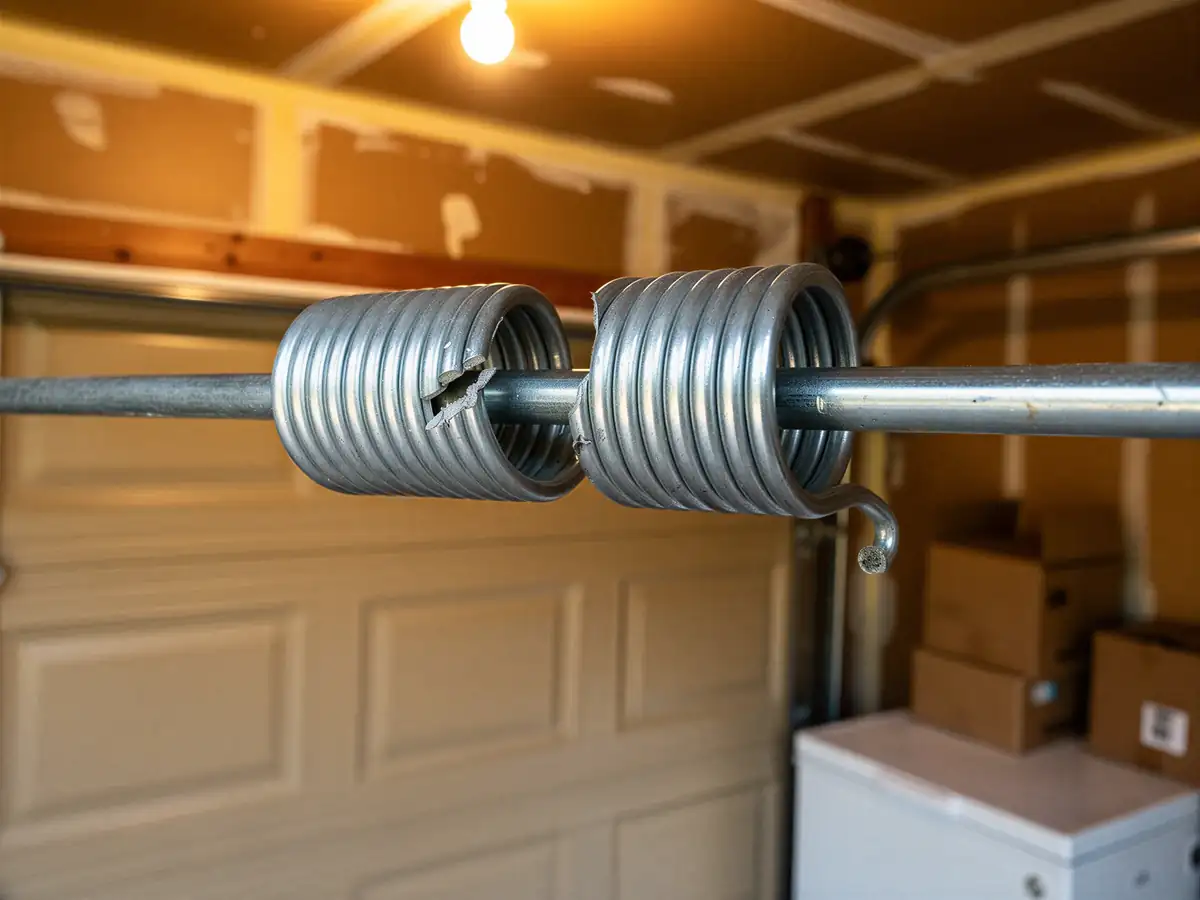
The houses we see most in Mount Pleasant were built around 1984, which puts a lot of original hardware well past the point anyone should trust it. A torsion spring rated for a few thousand cycles back then has usually been wound and unwound tens of thousands of times by now, and the common failure isn't a slow weakening - it's a sudden snap, often while the door is halfway up. That's the call that goes sideways: someone tries to force a stuck door by hand, or props it with a two-by-four, and turns a spring job into a cable job or a bent track.
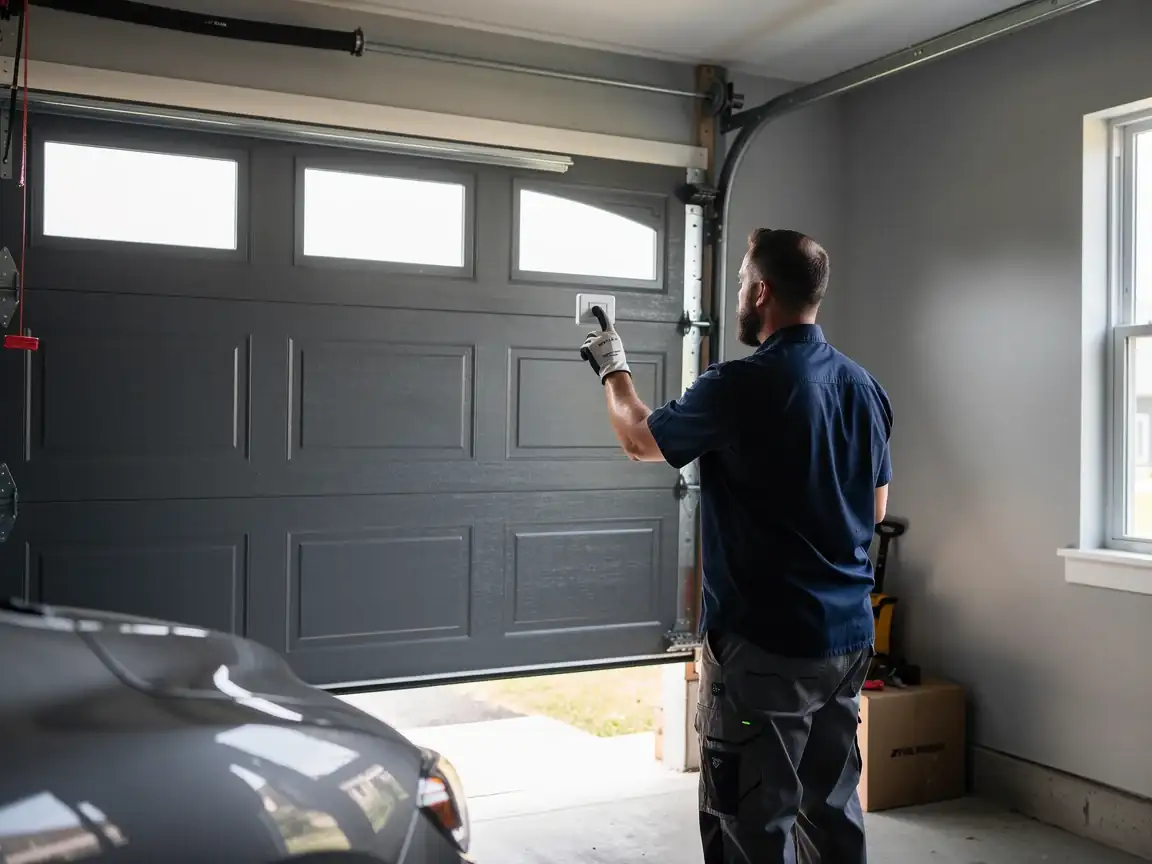
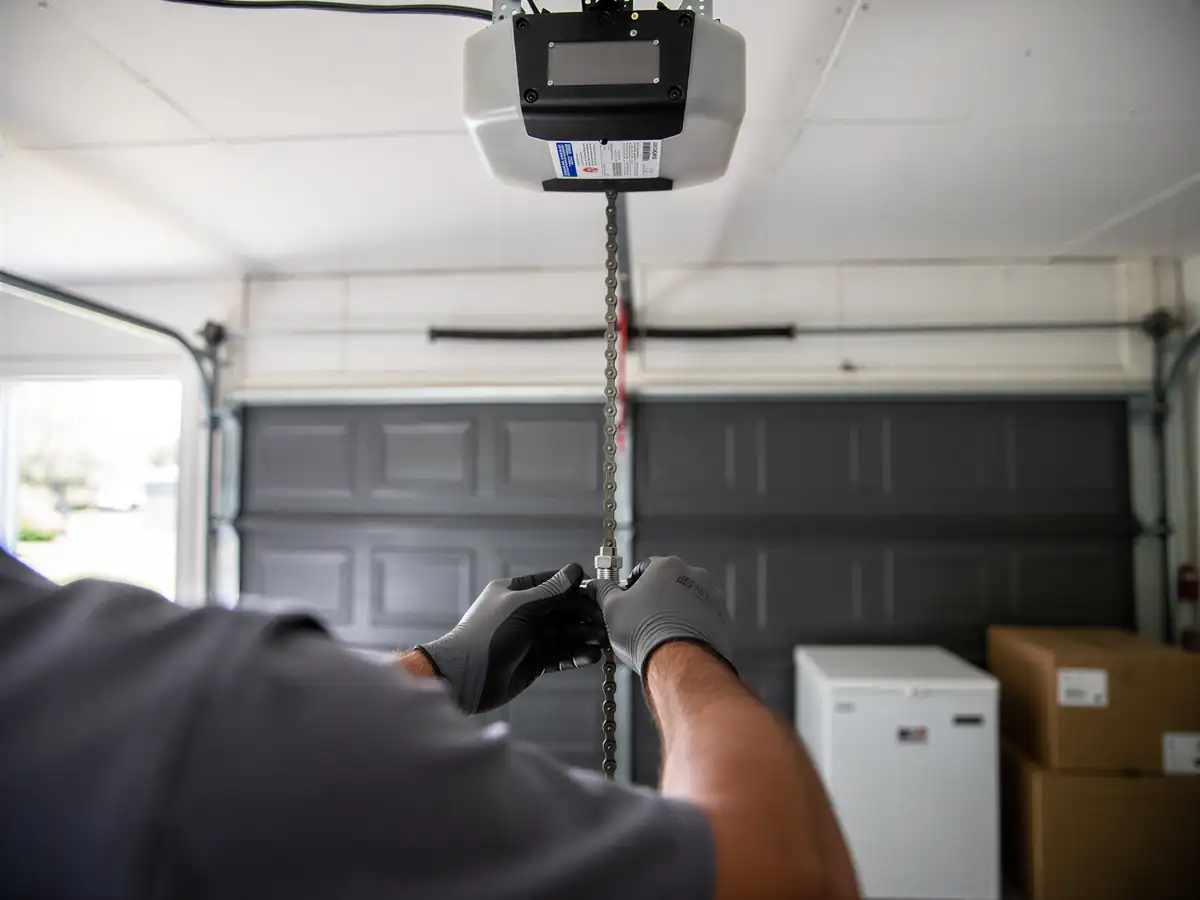
The other way it goes wrong is the quiet opener failure. A motor from the mid-80s to mid-90s on a house in this part of the county is old enough that the gears or capacitor are the likely cause, not the logic board, and swapping the wrong part first just burns a trip.
What Causes It Around Here
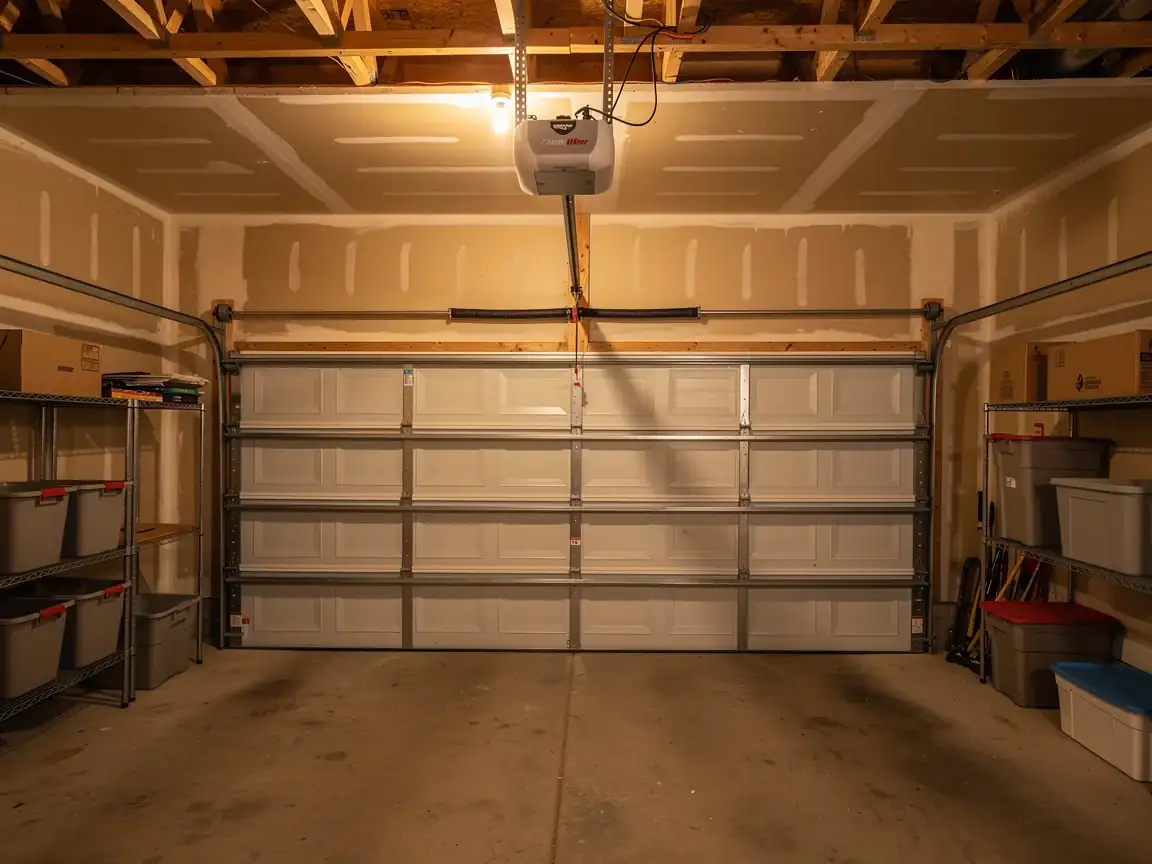
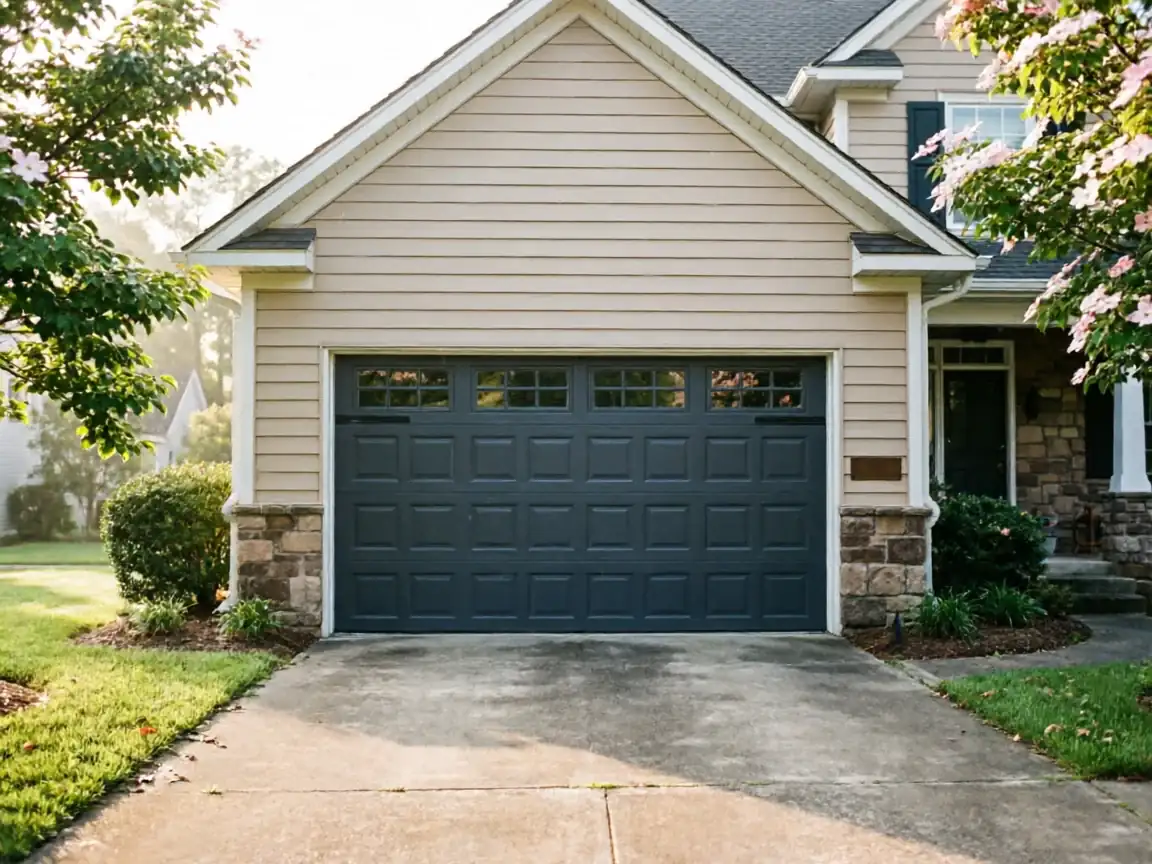
Housing stock here runs mostly 1980s to 90s, with some older and newer mixed in, which means the garage door hardware on a given street can span three different eras of spring and track design. In a moderate-cold climate, steel hardware that's thirty-plus years old has usually gone through enough freeze-thaw cycles that bearings and rollers show real wear even without a dramatic breakdown - the door just gets louder and heavier to lift by hand each winter.
We don't see salt-air corrosion or storm-surge issues out here, so when something fails on a door this age, it's almost always wear and cycle count, not weather damage. That's a narrower set of causes than coastal towns deal with, and it's part of why we can usually tell over the phone whether it sounds like a spring, a roller set, or an opener gone bad.
Doing It Yourself
Lubricating rollers and hinges, tightening loose bolts on the track brackets
And testing the photo-eye sensors are all fair game for a homeowner with an hour and a ladder. None of that requires touching the spring system.
What isn't worth doing yourself: adjusting or replacing a torsion spring
It's under enough tension to cause a serious injury if the winding bars slip, and on a door this old the shaft and end bearing plates are often worn enough that the job isn't a simple swap anyway. If your door feels heavy to lift by hand with the opener disconnected, that's a spring problem, not an adjustment problem - call it in rather than troubleshooting further.
What You Pay
We don't have a published price list specific to Mount Pleasant to quote here, and giving you a number without seeing the door would be a guess dressed up as a fact. What we can tell you is that the drive factors into scheduling, not into a separate trip charge structure we'd need to explain on the phone - ask us directly when you call and we'll give you a straight answer before any work starts, not after.
What the Fix Involves
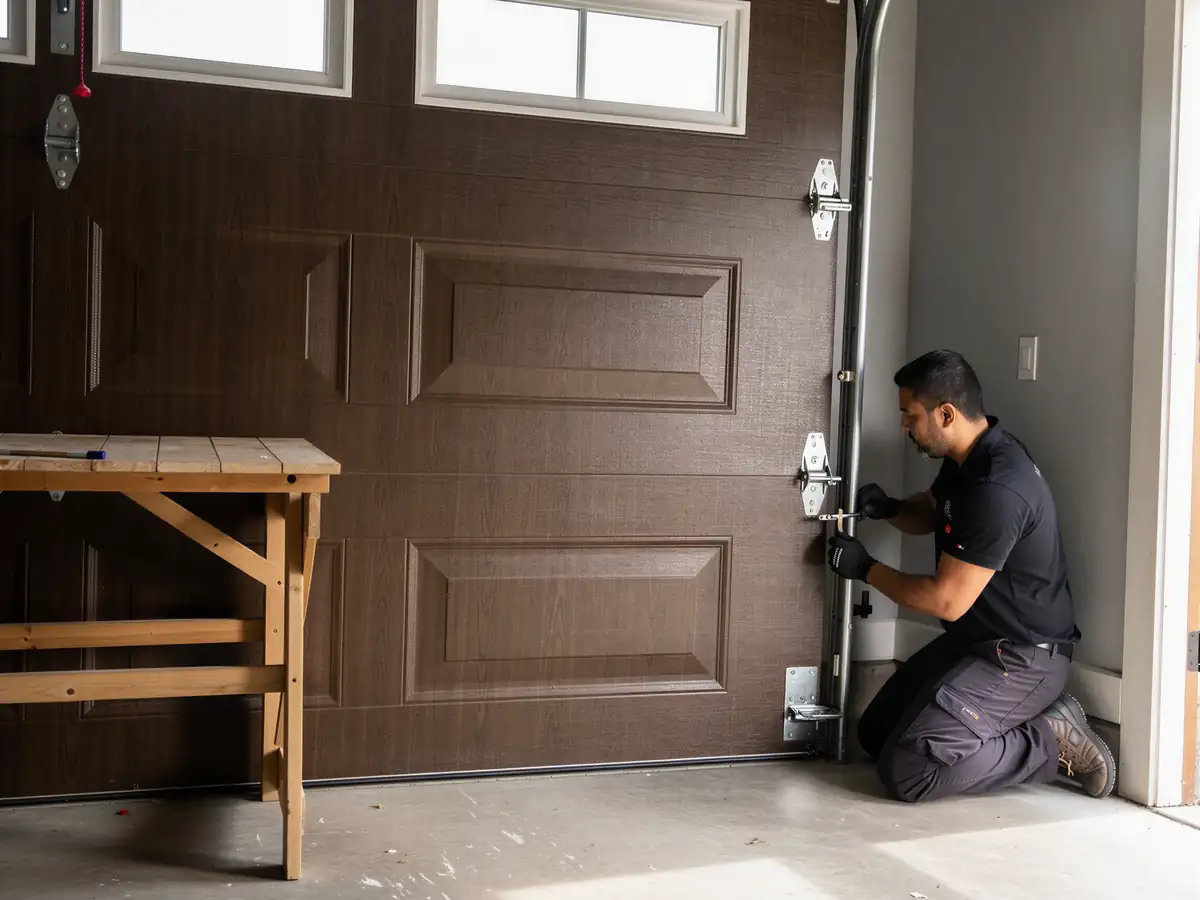
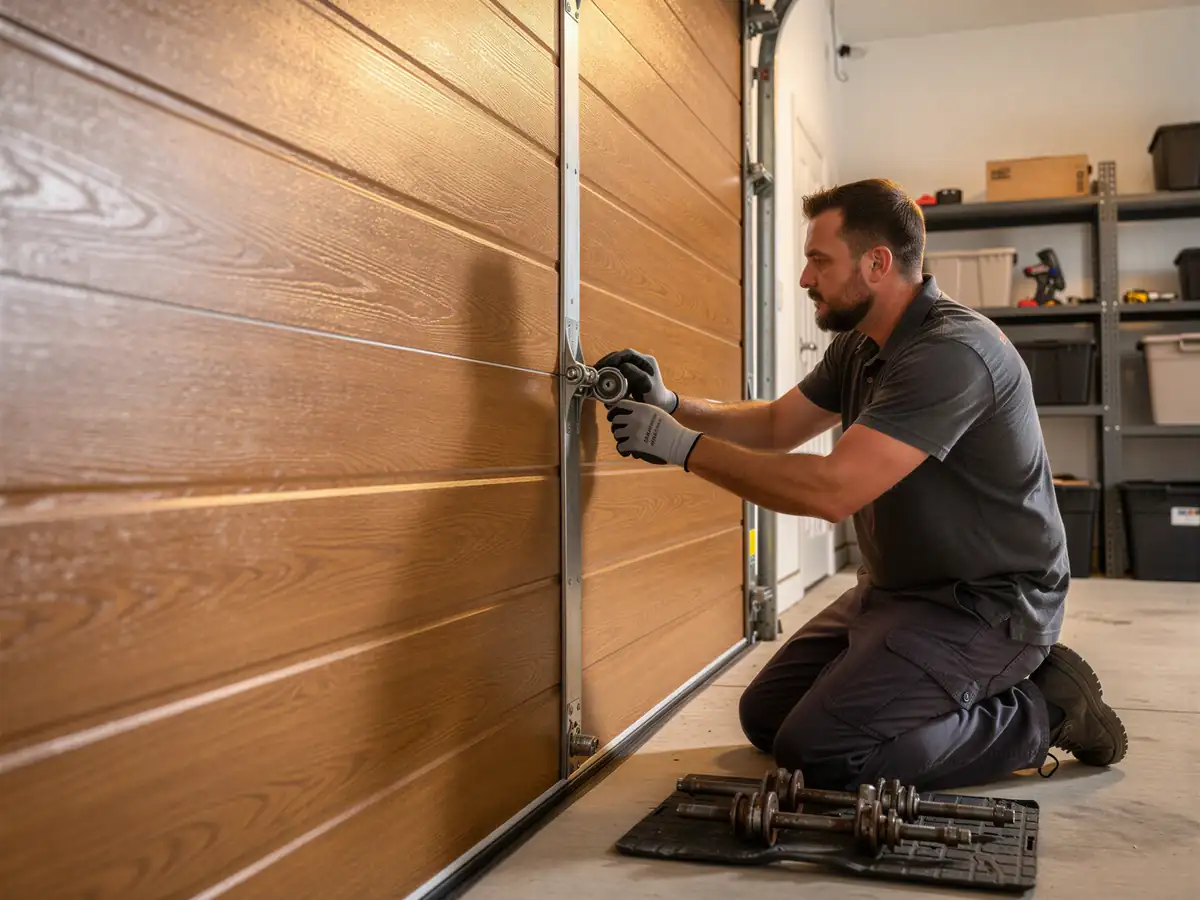
On a house built in the 1980s, the most common repair is a torsion spring replacement on a double door, sized to the door's weight and the drum setup already on the shaft - not always the same gauge spring you'd use on a newer door. We also replace worn rollers and end bearings in the same visit when the shaft is already open, since labor to get back in there a second time costs more than the parts would have the first time.
For openers from that era, the honest call is often replacement rather than repair once the motor or circuit board is the problem - parts for units that old are getting hard to source, and a new opener with a better safety reversal system is usually the better use of the money. We'll tell you straight when that's the case instead of patching something that'll fail again in a year.