Booking a Visit
We run out of Concord, about 12 miles from Mount Pleasant
So there's no branch office here and no claim of a ten-minute response - we're honest about the drive. What that means in practice is we batch Mount Pleasant calls when we can and tell you a real arrival window instead of a guess. With only 676 households in this suburb, it's not a high-call-volume area for us, so a technician heading your way is usually already routed through the corridor rather than making a special trip. Call ahead, describe what the door is doing (won't lift, slams down, one side higher than the other), and we'll tell you honestly whether it sounds like a spring or something else - a bad opener gear can mimic a spring failure, and we'd rather ask two questions on the phone than charge you for a wrong diagnosis.
- 12 miles
- 676 households
If you're not in a rush, weekday mornings are easier to slot than late Friday afternoons
Simply because that's when the rest of the route is lighter. We don't promise same-day for every call, but we'll tell you straight if it's not realistic for your day.
Where This Job Goes Sideways
Torsion springs are rated for a cycle count, not a calendar date, but houses here went up around a median of 1984, which puts a lot of original hardware at 35-plus years and well past any reasonable cycle life even on a lightly used door. The failure we see most isn't the spring snapping clean - it's one spring in a two-spring setup going soft while the other still looks fine, which tilts the door, binds the rollers on one side, and gets blamed on the opener. Replacing only the broken spring on an older door almost always means the survivor fails within months, because it's carrying the same age and wear as the one that just let go.
The other way this goes sideways is cable damage nobody notices until the spring repair is already underway. A cable that's been riding slightly off-track on a worn roller frays quietly for years. If we're already in the torsion assembly on your Mount Pleasant job and we see a frayed cable, we'll flag it rather than close up and leave you with a second call six weeks out.
What Causes It Around Here
Mount Pleasant's housing stock sits a little earlier than the broader Concord service area's build pattern - this suburb's median is around 1984, against a wider-area median closer to 1987 across the mix of neighborhoods we cover. That handful of years matters because torsion spring gauge and winding hardware standards shifted through the late '80s and '90s; a door original to 1984 is more likely to be running the earlier generation of galvanized torsion springs than a house built a decade later.
Climate does the rest of the work. This area sits in a cold-moderate band - not brutal winters, but enough hard cold spells that steel spring coils tighten and lose a little working tension each season, then expand again in the warm months. That cycle of contraction and expansion is slow metal fatigue, and it's harder on a 1984-era spring that's already near the end of its rated life than on anything newer. It's not dramatic - nobody's door fails in a single cold snap - but it's the steady reason a spring that looked fine in October gives out in January.
Doing It Yourself
We'll say this plainly: don't wind or unwind a torsion spring yourself
The spring is holding the full weight of the door under tension, and the tools for doing it safely - proper winding bars, a locked ladder position, the door secured - are not optional extras. People lose fingers and worse on this exact job every year, and it's the one repair on a garage door where we won't walk you through it over the phone.
What you can safely do yourself
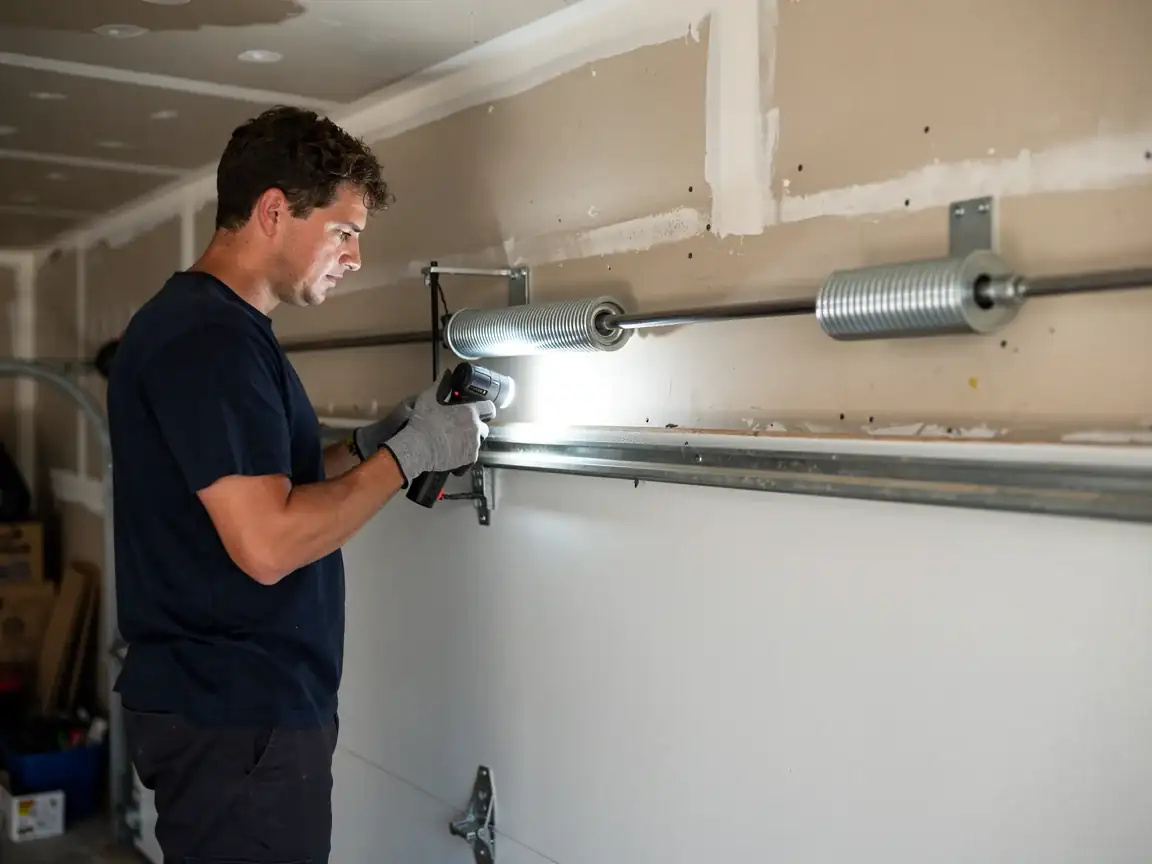
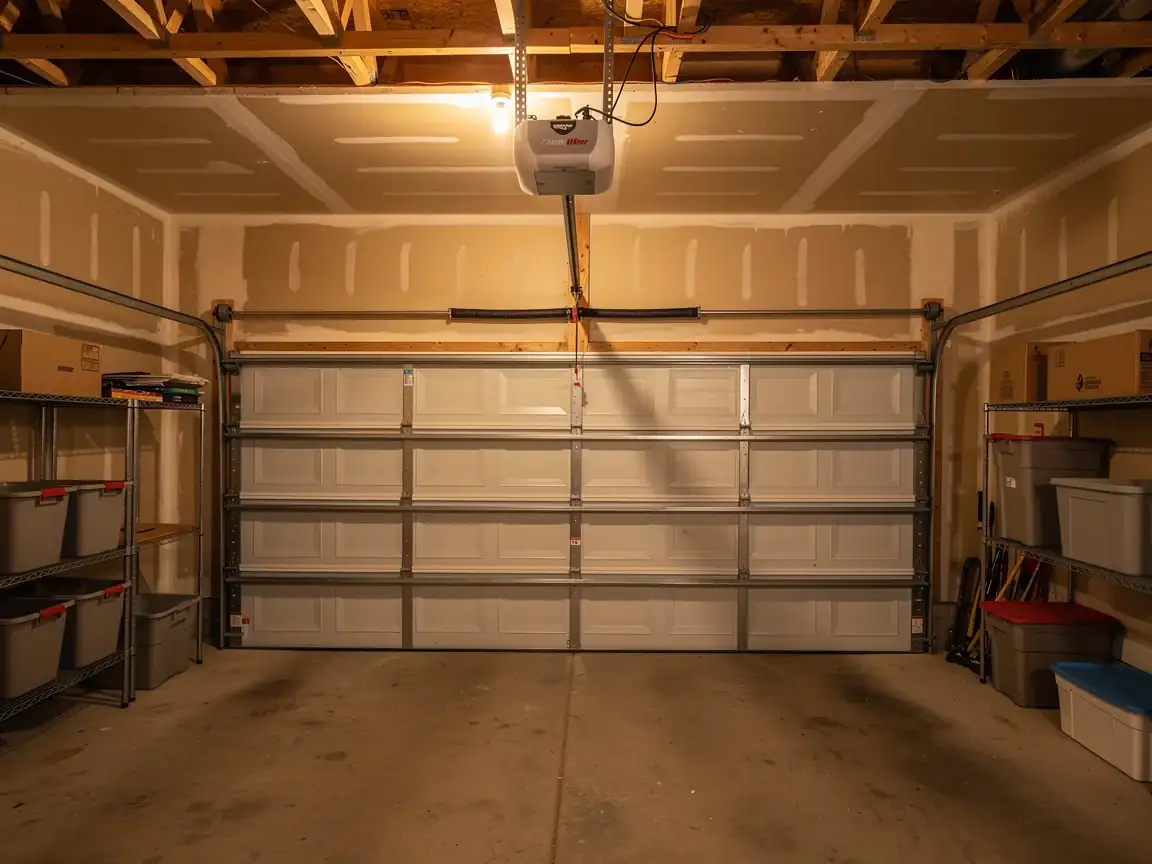
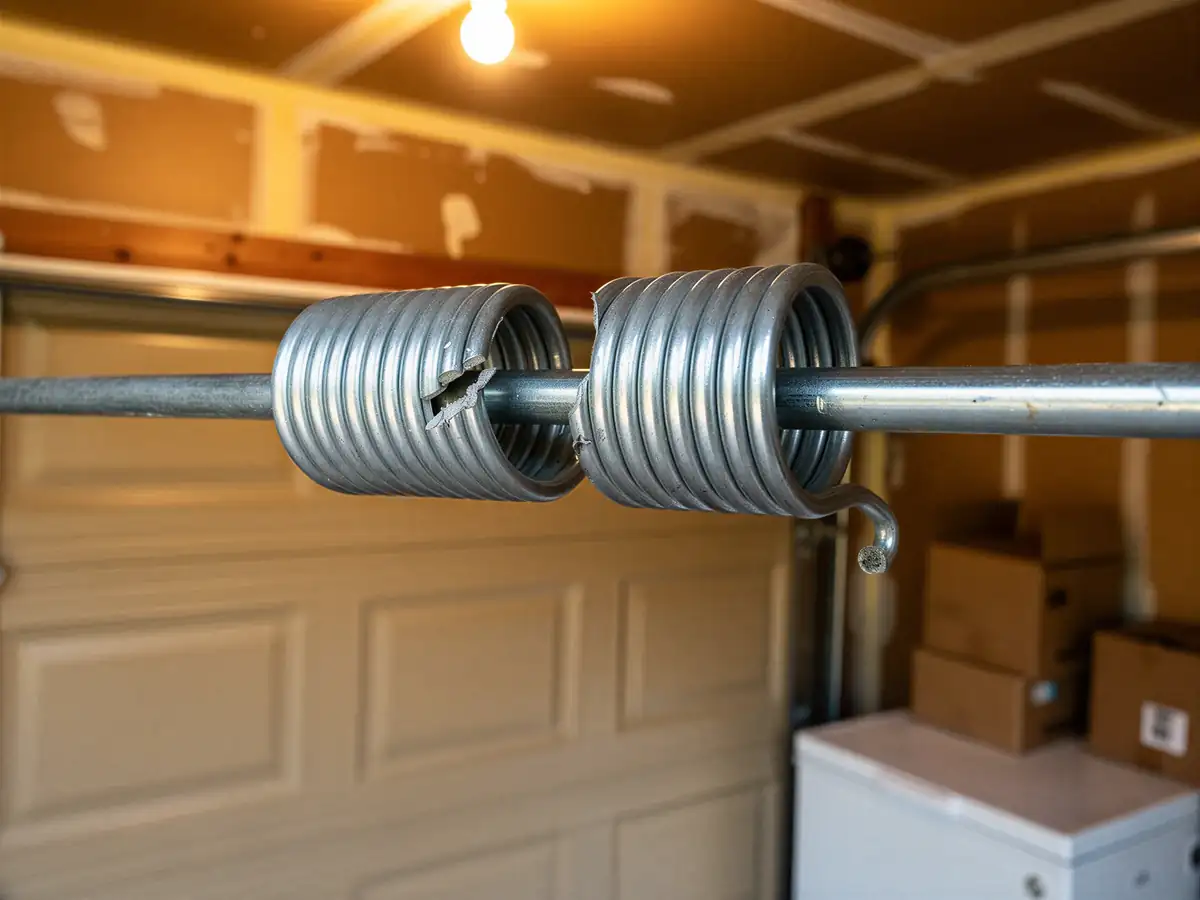
Look at the spring (there's usually one or two sitting horizontally above the door, coiled around a shaft). If you see a visible gap in the coil, that's a broken spring - stop using the opener immediately, because the opener motor isn't built to lift a door's full weight without spring assistance, and it will burn out trying. You can also check whether both springs look the same age and finish; if one is clearly newer than the other, that's worth mentioning when you call, since it usually means a partial repair was done before and the older one is next.
Beyond looking and stopping use of the door, leave the rest to someone who does it daily
What You Pay
We don't have a flat number to quote here, because spring repair cost depends on how many springs need replacing, the gauge and length needed for your door's weight, and whether the drums, cables, or bearing plates turn out to be worn too. What we can tell you is the honest shape of it: single-spring jobs cost less than replacing both, and replacing both at once - which we'll usually recommend on a door this age, for the reason above - costs more up front but means you're not paying for a second truck visit a few months later.
Mount Pleasant's median household income here runs around $81,250, a bit above the wider service area's median near $79,765, which doesn't change what the job costs but does mean we're not pricing against a different budget assumption for this suburb than for the rest of the territory. We'll give you the actual number on-site, after we've looked at the spring size and the door, not before.
What the Fix Involves
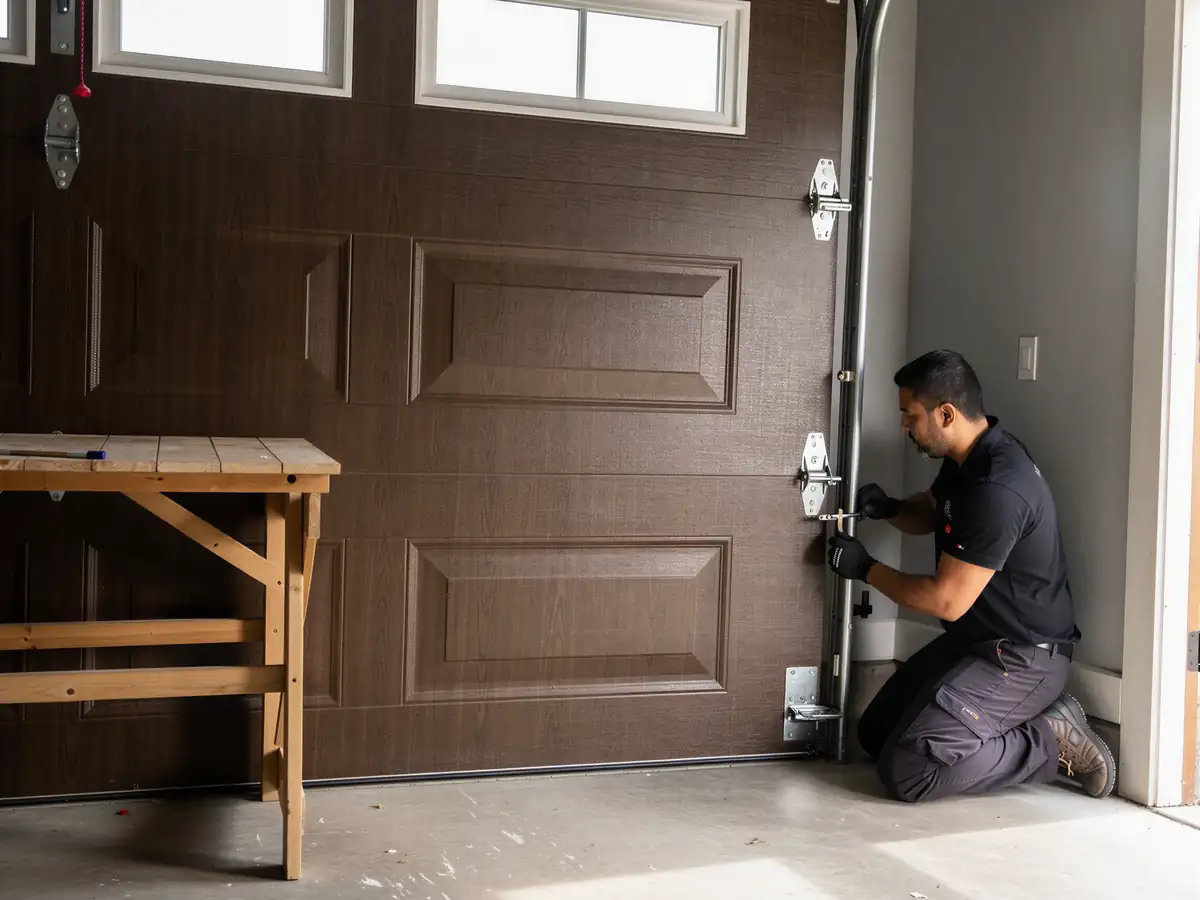
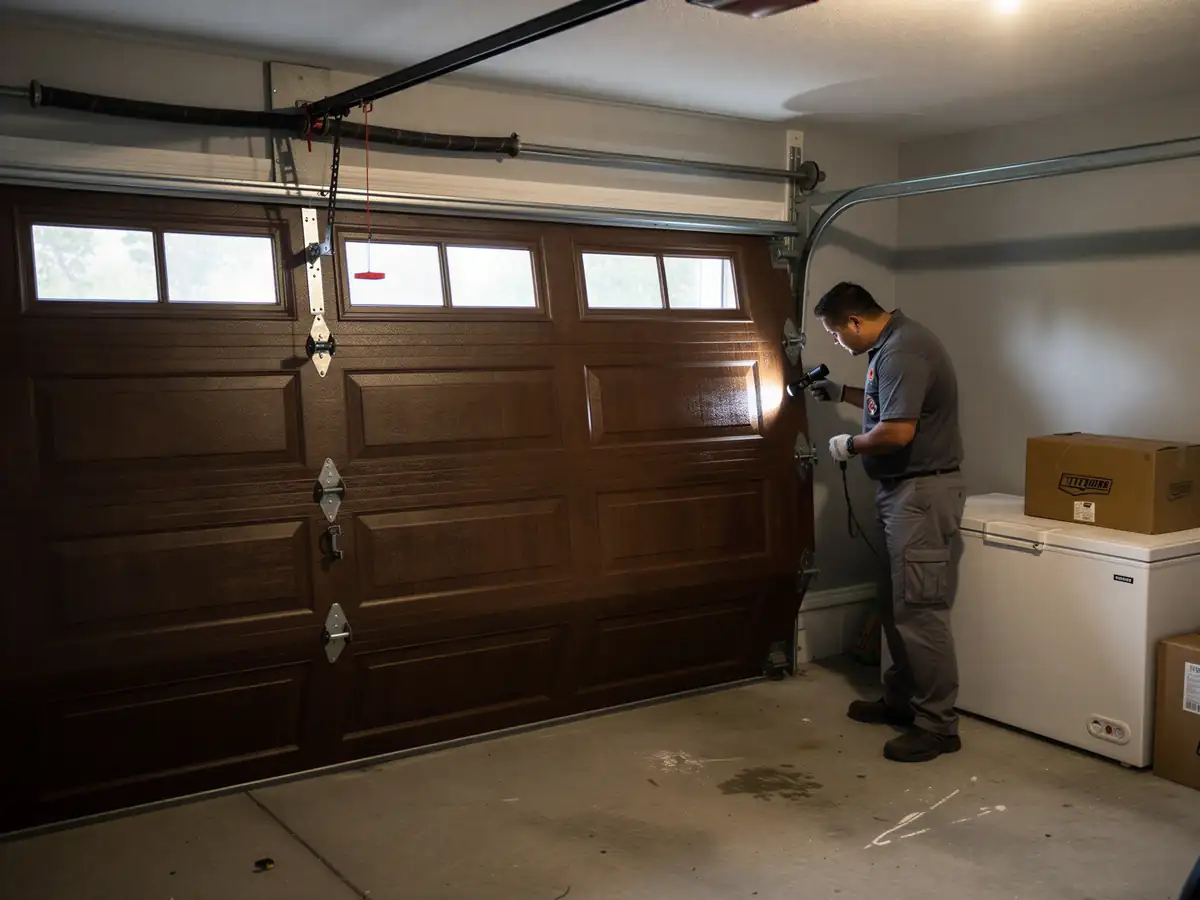
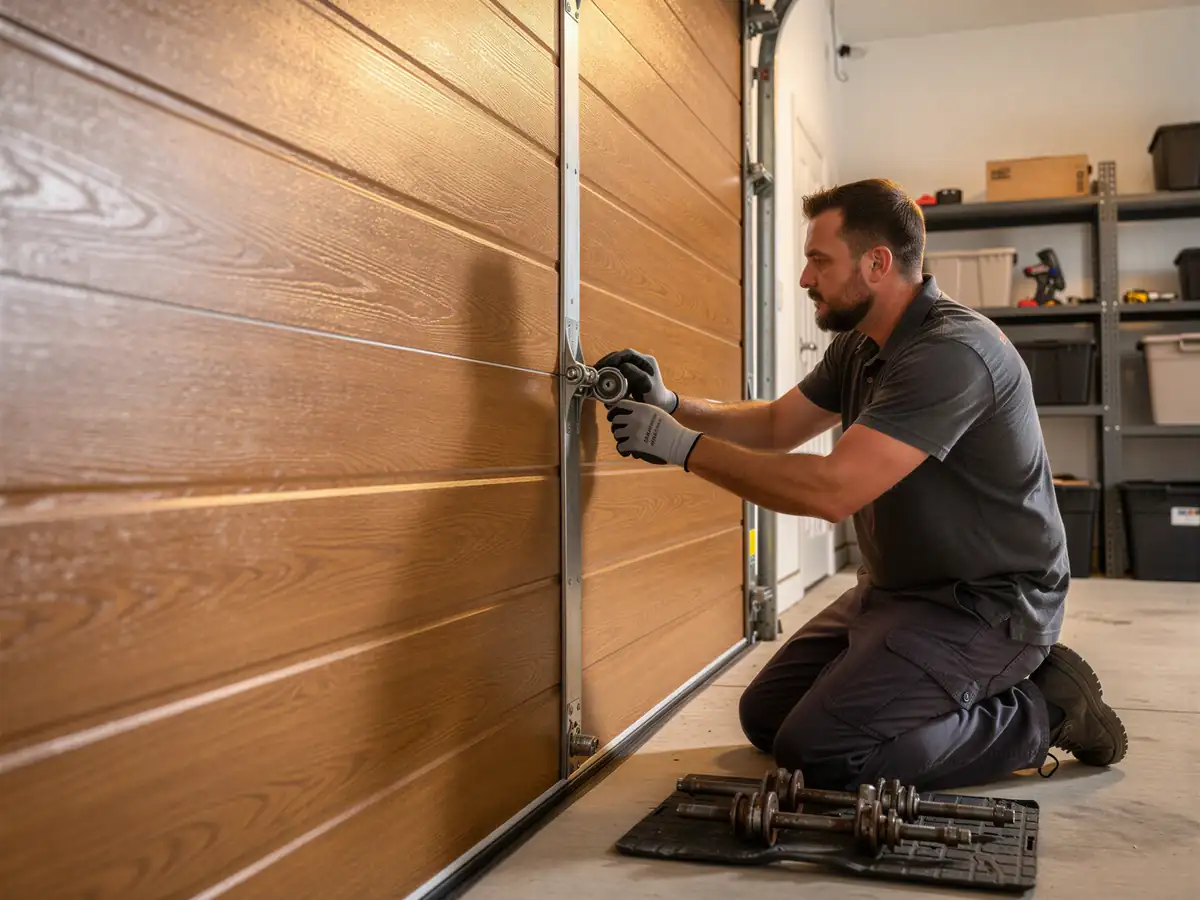
On a standard torsion setup, the job starts with securing the door in the closed position so there's no stored tension working against the tech. The old spring (or springs) comes off the shaft, and we check the drums, cables, and center bearing while it's all exposed - this is the point where any hidden wear shows up, since the system is already apart. New springs get sized to the door's actual weight, not just swapped like-for-like, because a door that's had panels or an opener changed since 1984 may not weigh what it did originally.
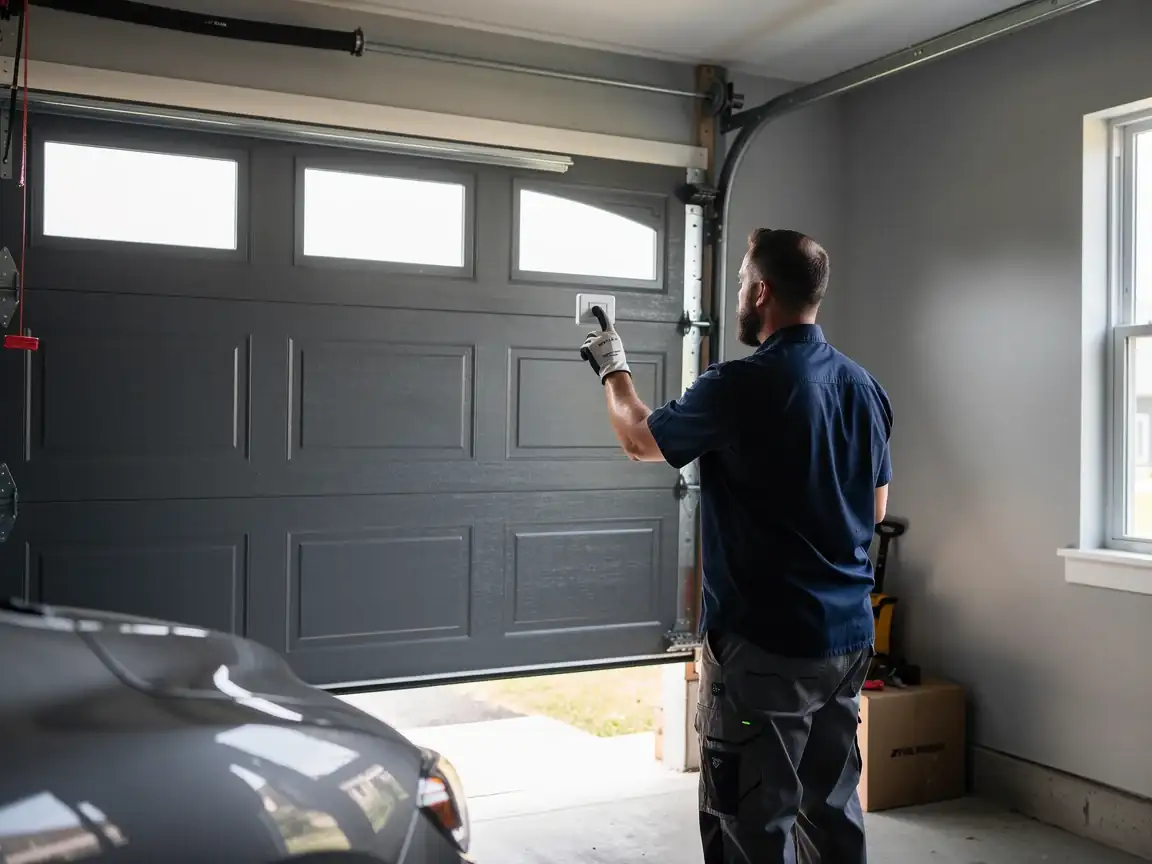
We wind the new springs to the correct tension, run the door through a full cycle by hand before the opener touches it, and check that it balances - meaning it stays roughly level at any point when lifted manually. A door that doesn't balance after a spring job wasn't finished right, no matter how it looks closed. Last step is reconnecting the opener and running it through a few full cycles to confirm the motor isn't straining, which it shouldn't be once the springs are carrying their share of the weight again.