Where This Job Goes Sideways
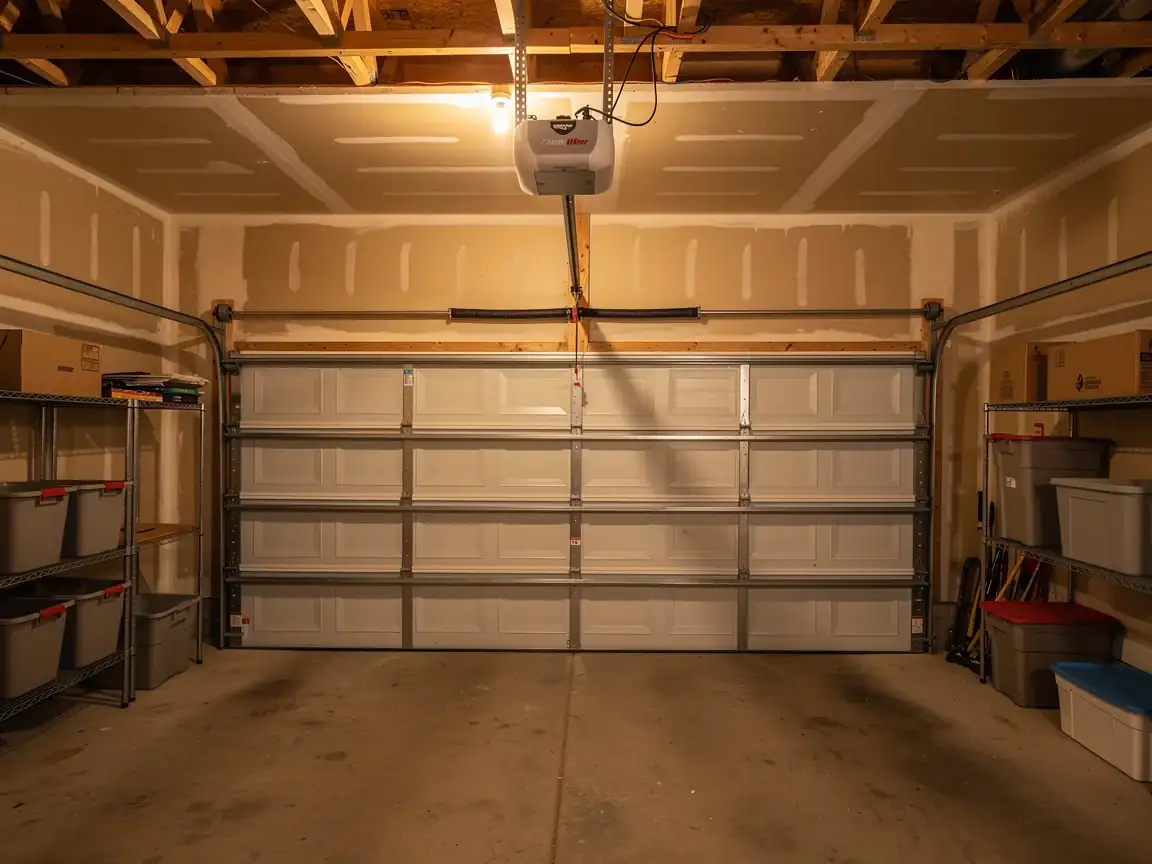
The roller itself is rarely the hard part. On a door from the mid-1980s, the track has usually racked slightly out of plumb over 40 winters of the wall settling, and a roller swap on a track that's half an inch out of true will bind again within a season. We also see stems that have rusted into the hinge rather than seizing in the roller wheel - on steel track from that era, the stem is often the same gauge steel as the hinge leaf, and they can corrode together into one piece. Pulling that apart without bending the hinge takes more patience than most DIY attempts allow for. The other place this goes wrong is mismatched roller length: a short-stem roller in a hinge built for long-stem will ride too far off the track center, which chews up the track edge inside a year.
What Causes It Around Here
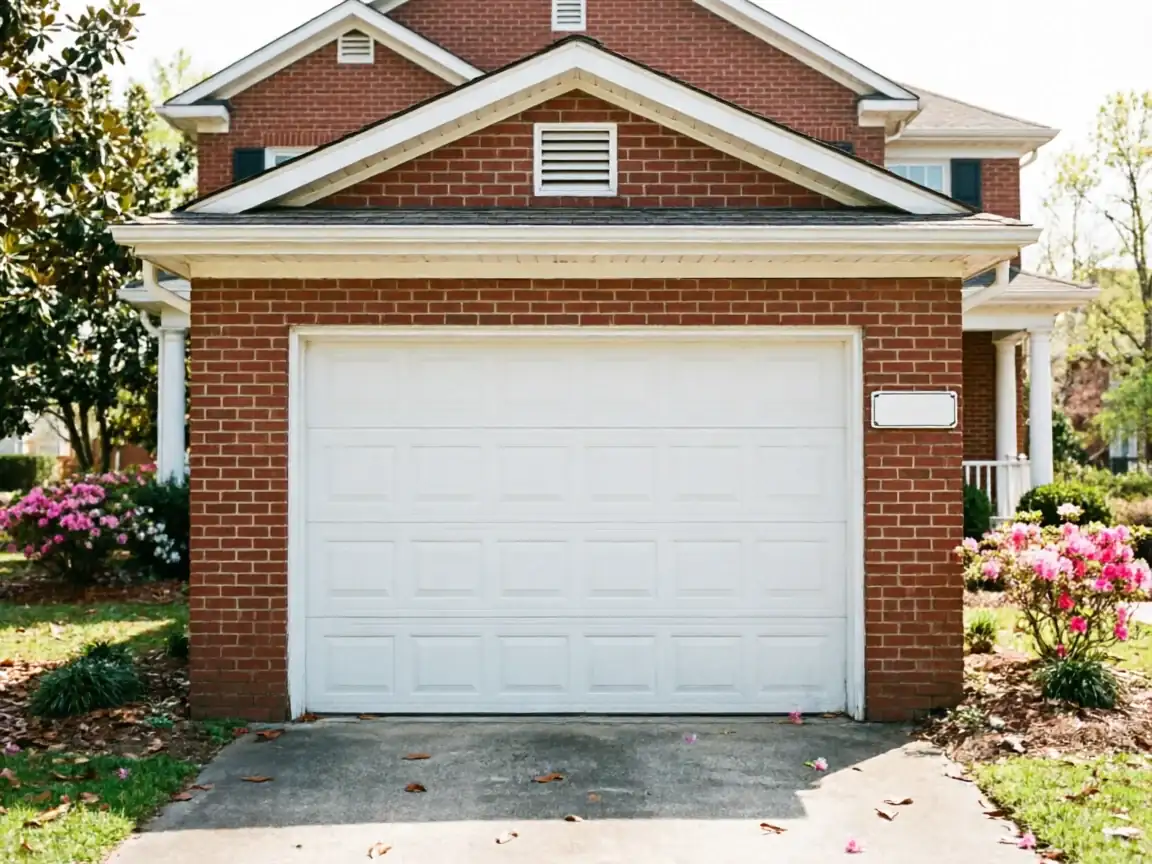
Climate band here is cold-moderate, and that matters more for rollers than people expect - it's not heat that wears steel rollers out, it's the freeze-thaw cycling of the bearing grease and the steel contracting against the track. A door built around 1984 has had roughly forty winters of that, plain and simple arithmetic. Across the broader area, most housing runs 1969 to 2006 with a median around 1987, and Mount Pleasant sits close to that median, so the fault we see here is less "newer door, bad part" and more "original hardware finally done." We don't see the intermittent summer-heat sag failures that show up in newer vinyl-clad doors, because there simply aren't many of those doors yet in this part of the service area.
What You Pay
We don't have a posted price list for Mount Pleasant specifically, and we're not going to make one up here just to fill the section - what a roller job runs depends on whether it's a couple of rollers or a full set, and whether the track needs straightening at the same time, which on a door this age is common enough to ask about before you book. What we can tell you is the honest version of the math: median household income in this part of the service area runs around $81,250, a bit above the wider area's $79,765, and most of what we quote here tracks with that - a roller job on an original 1980s door usually lands well under a spring replacement, because you're buying hardware, not torsion equipment.
What the Fix Involves
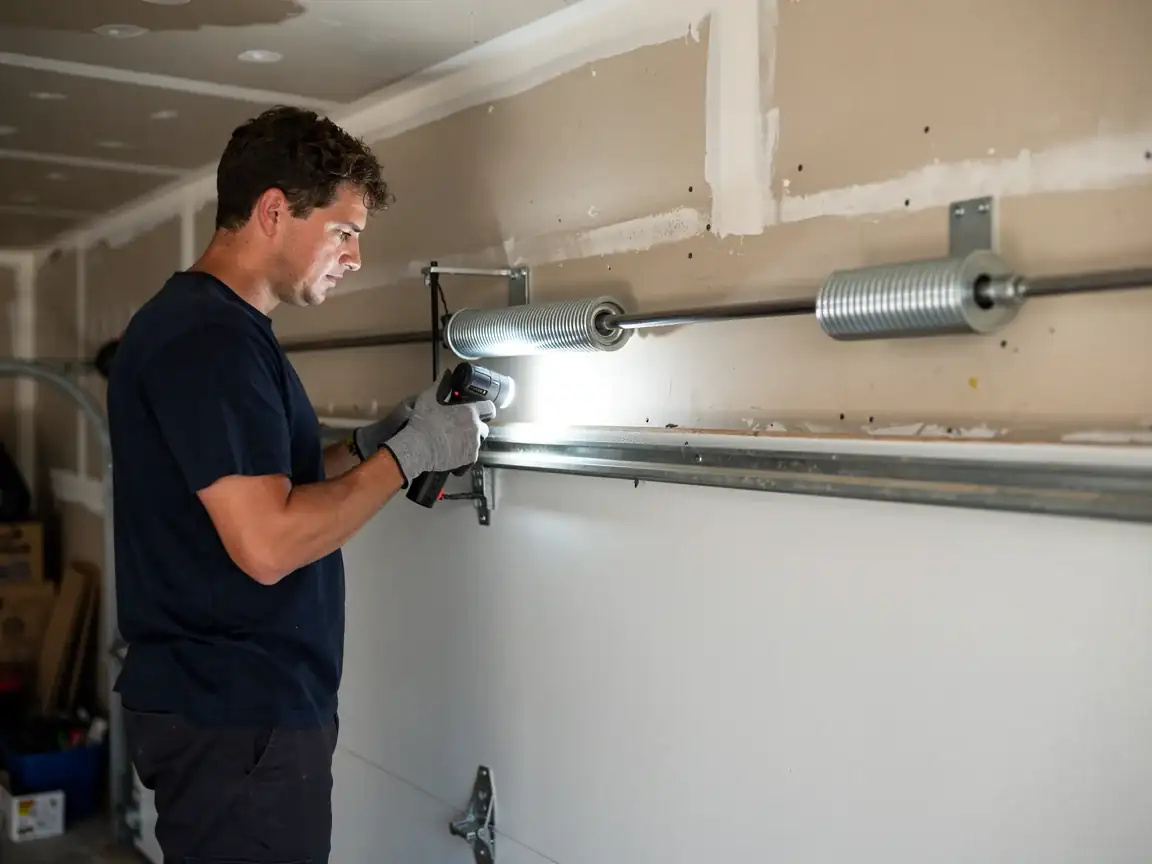
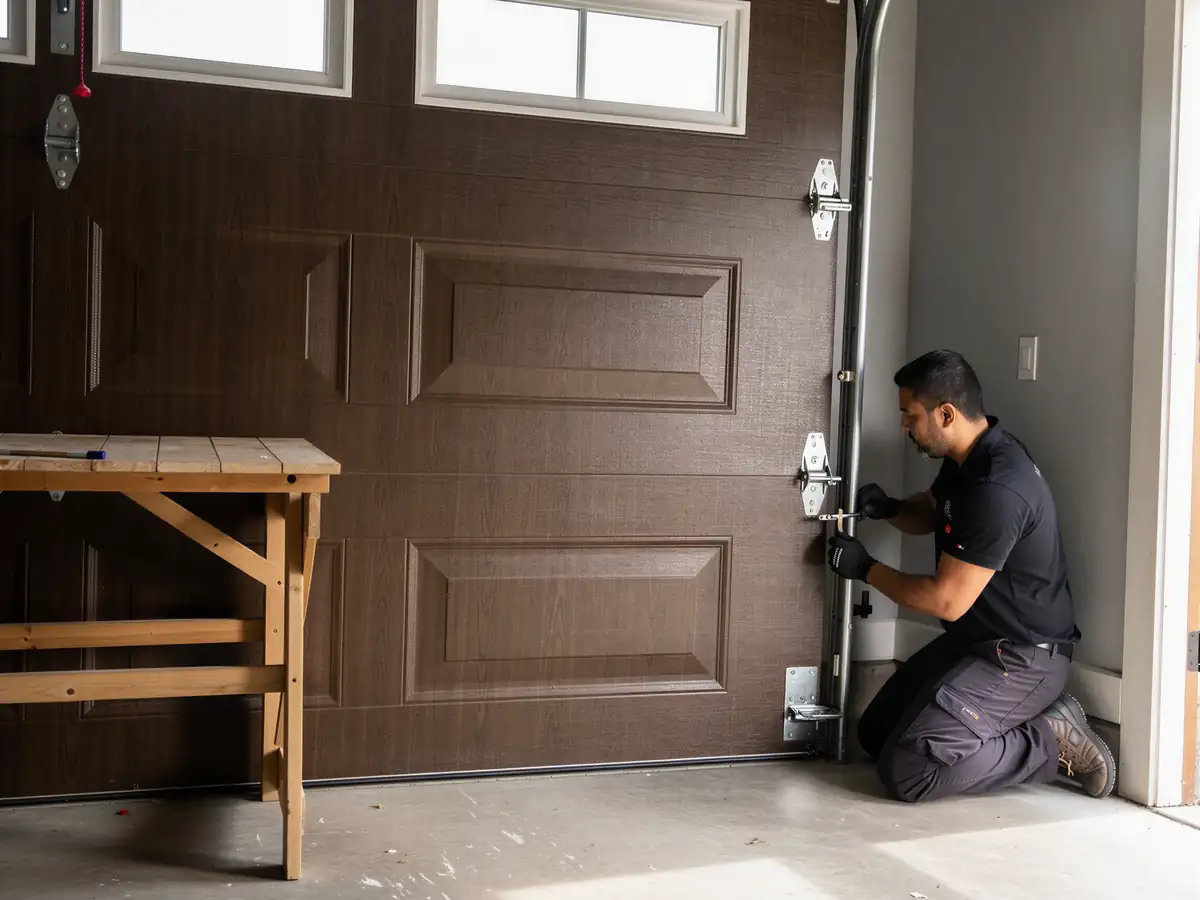
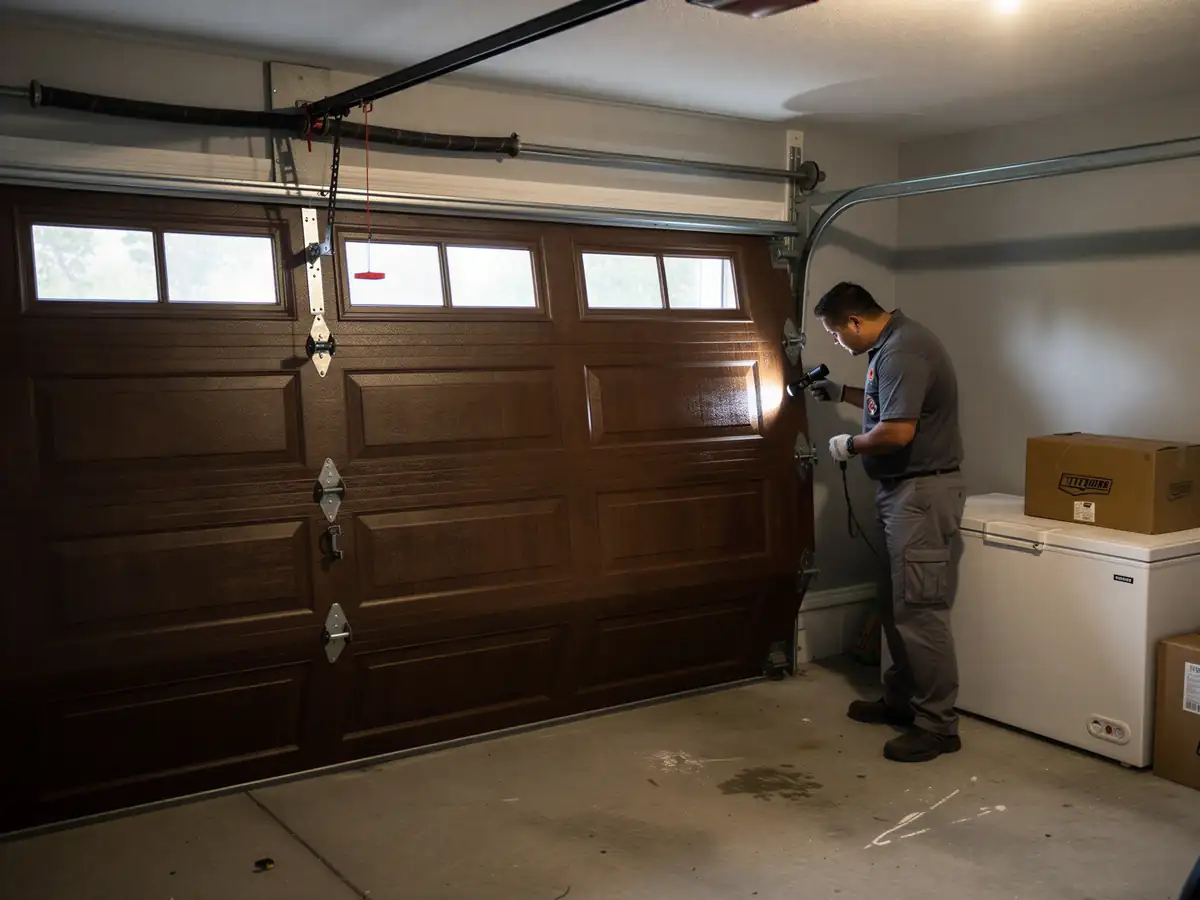
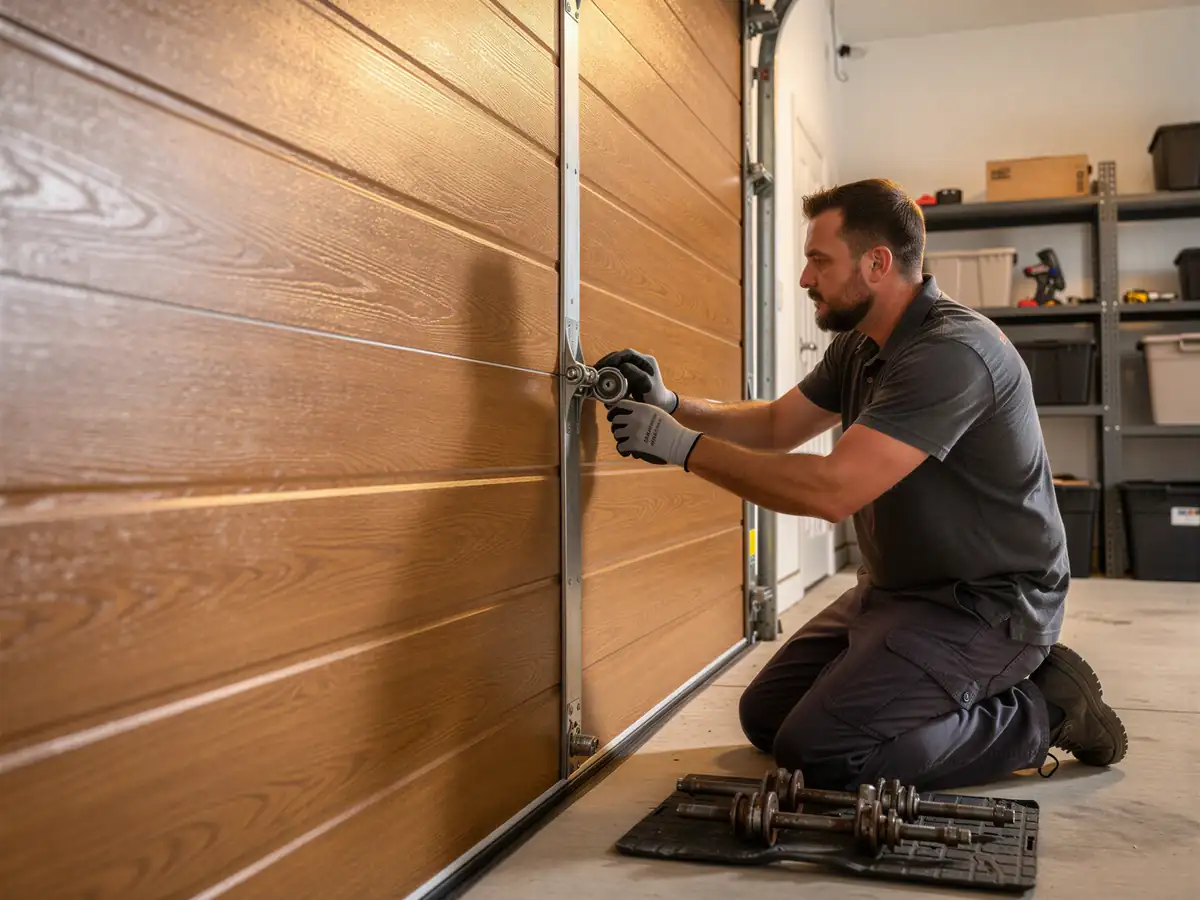
On a door from this era, we're pulling the old roller and stem from each hinge, checking the hinge leaf for wear where the stem rode, and setting new sealed-bearing steel rollers back into the same track. If the track's racked - and on a 1984-vintage door it often is - we'll true it against the jamb before the rollers go back in, because a new roller in a bent track just repeats the failure. We check the full run while we're in there, not just the roller that failed, since on original hardware the rest of the set is the same age and close behind it.