Where This Job Goes Sideways
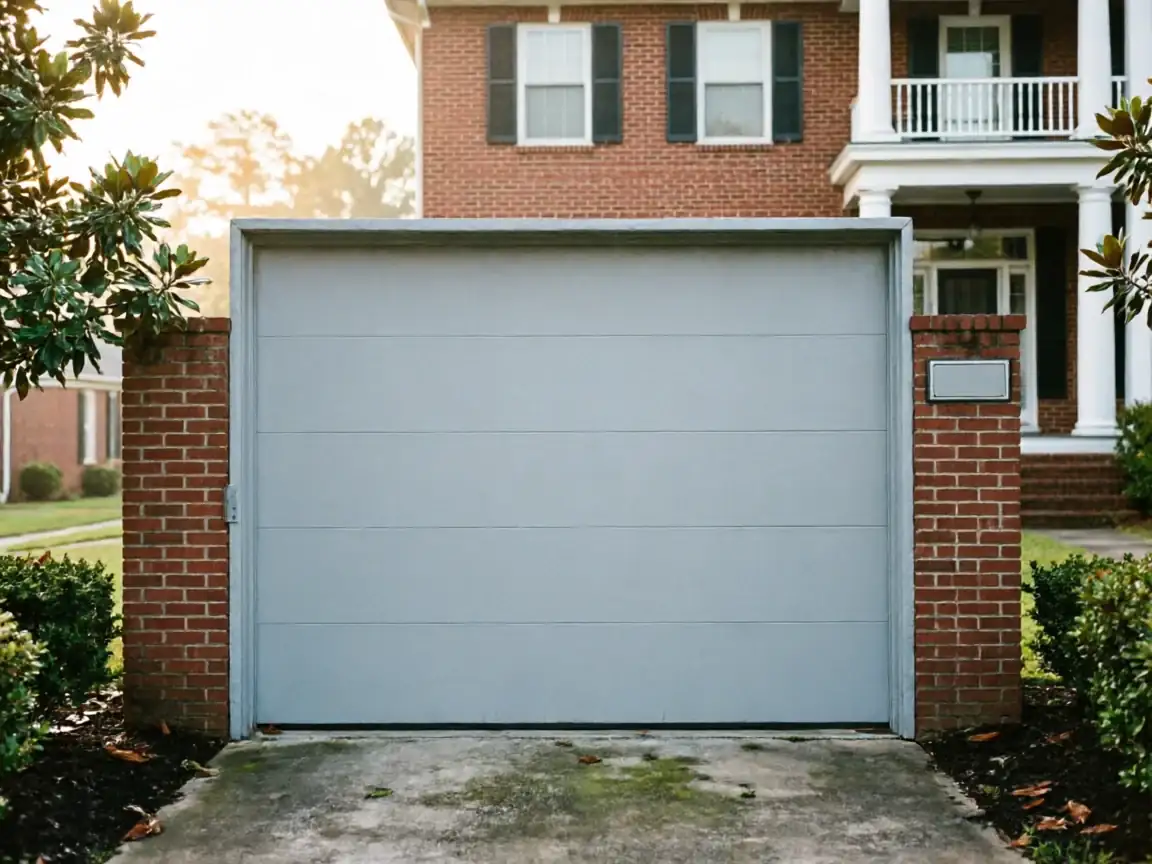
The median household income in Mount Pleasant runs around $81,250, a shade above the wider Concord service area's $79,765. That number matters because it sits right at the line where a homeowner has to decide between a $300-$500 spring repair and a full door replacement running well past that. On a house built in the mid-1980s, the math tips toward replacement sooner than people expect: original hardware from that era is often undersized for today's insulated steel doors, so swapping just the opener or just the panel without touching the track leaves you with a door that's heavier than the rollers and cables were ever rated for. That mismatch is the single most common reason a 'simple install' turns into a bigger job once we're on site.
What Causes It Around Here
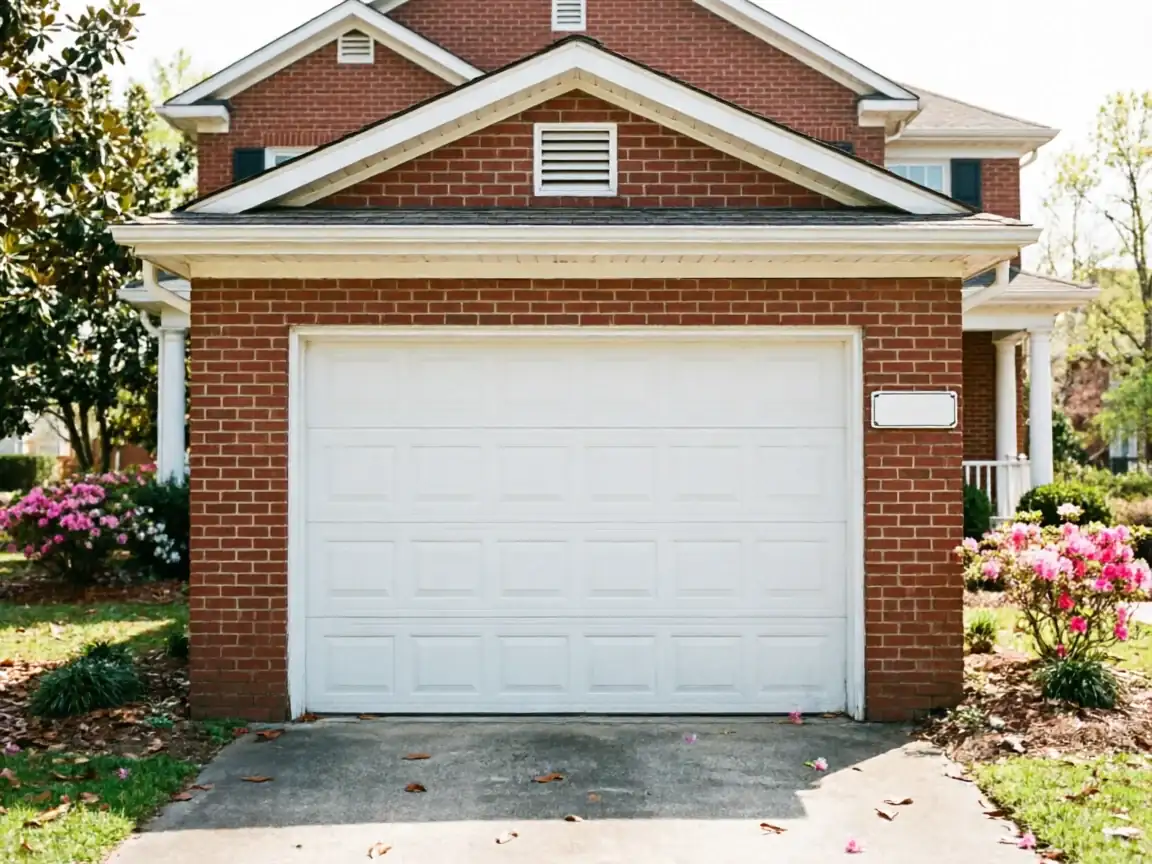
Mount Pleasant's housing stock centers on 1984, which puts most garage doors here at or past the end of their realistic service life - steel doors from that period were not built with the foam-core insulation standard today, and torsion springs sized for a lighter door often can't be reused safely with a heavier replacement. Add the regional climate, classed as moderately cold, and you get seasonal swelling in wood jambs and stiffer nylon rollers in winter, both of which show up as binding or a door that won't seat square. None of this is unique to one house - it's a function of when this part of the county was built, which is also true across the other 1980s-era pockets we cover out of Concord.
What You Pay
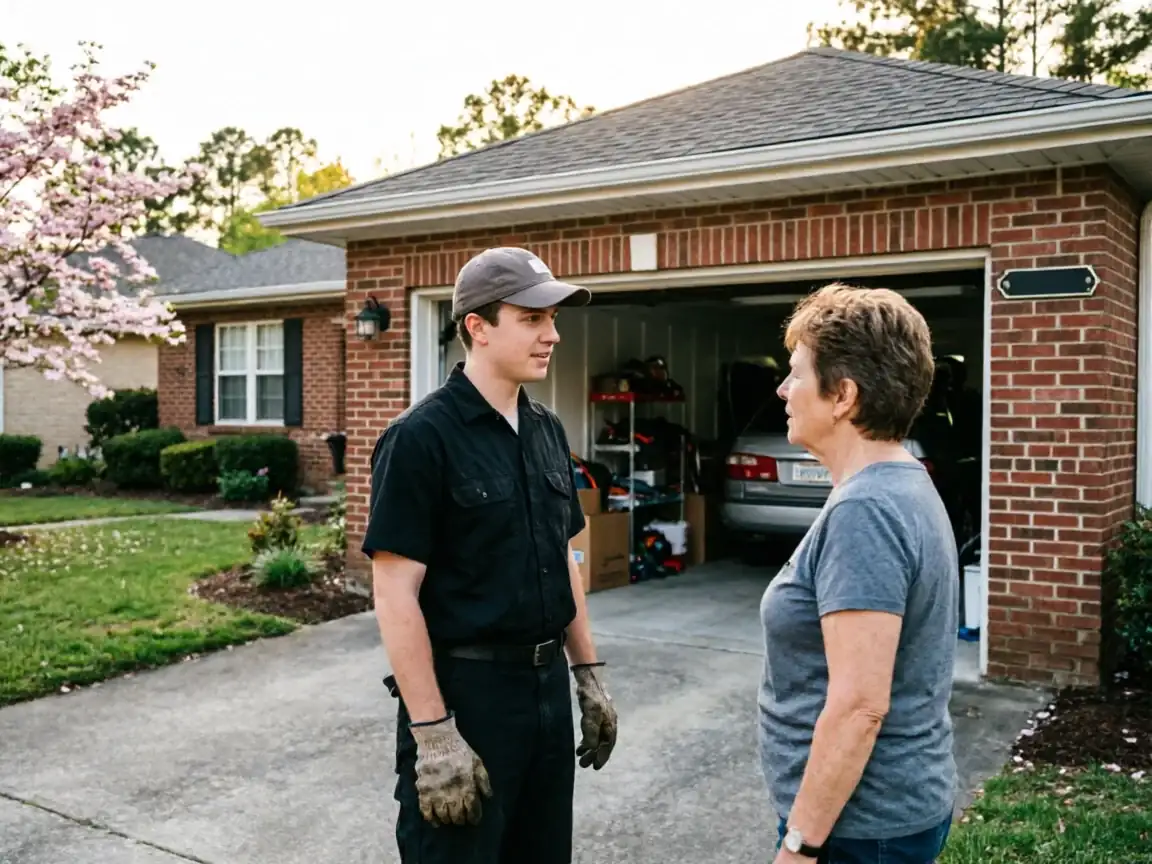
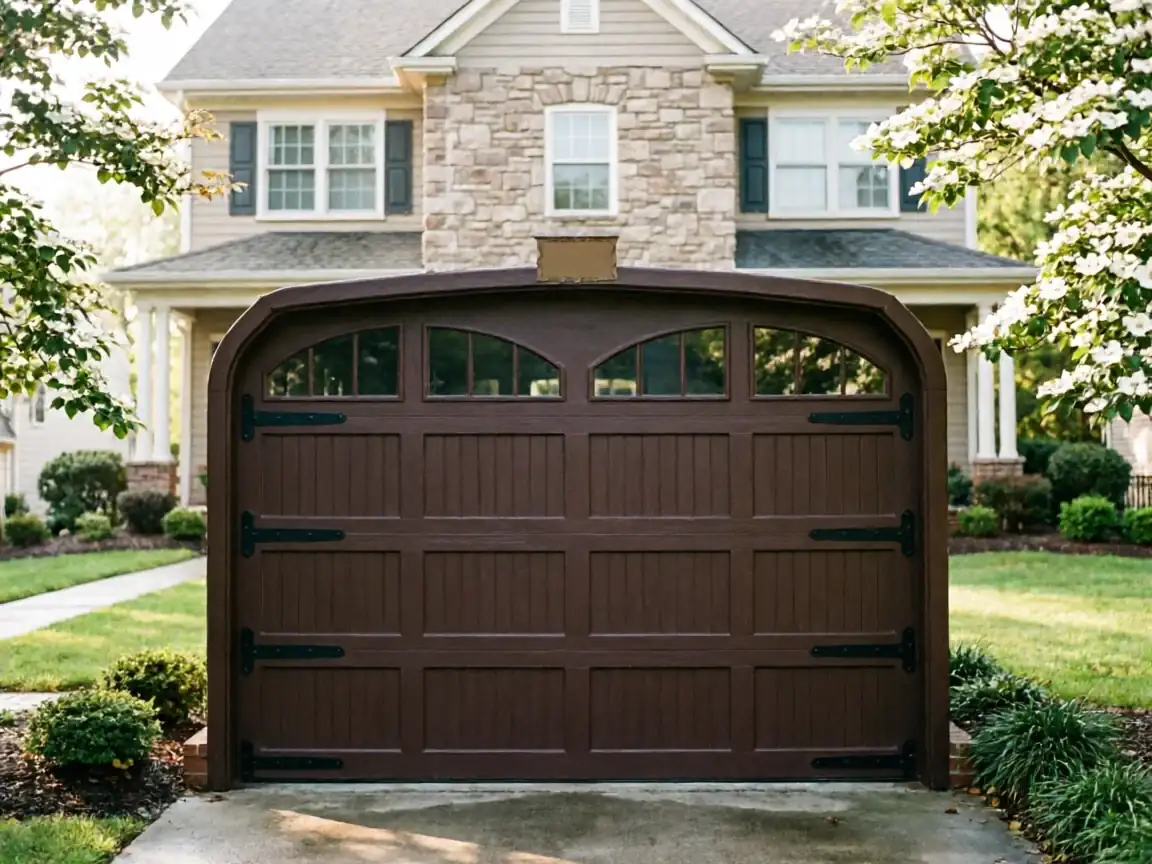
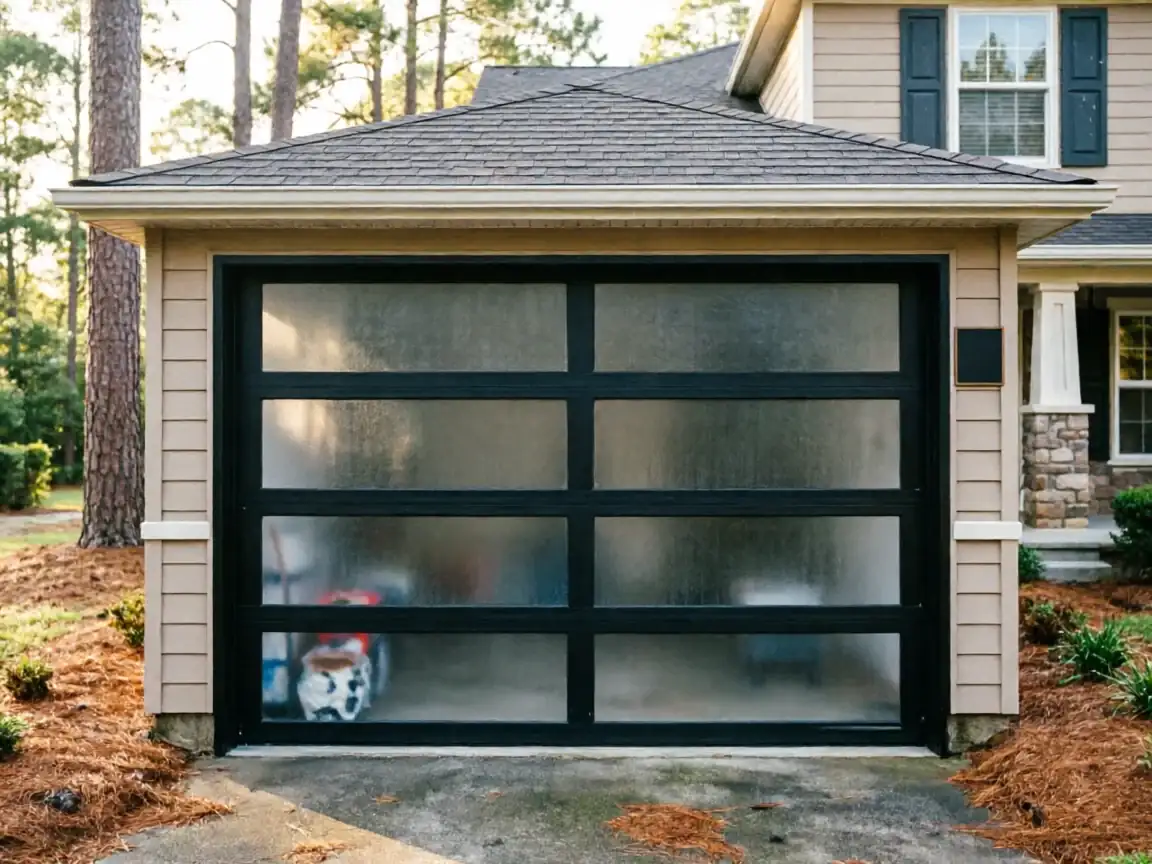
We don't publish a flat price here because door width, insulation level, and whether the opener gets replaced too all move the number. What we can say is that at Mount Pleasant's income level, most homeowners land on a mid-range insulated steel door rather than the cheapest option or a premium wood-look composite - it's the point where the upfront cost and the energy savings from a better seal both make sense. If your existing opener and track are newer than the door itself, keeping them can bring the job in lower than a full tear-out.
What the Fix Involves
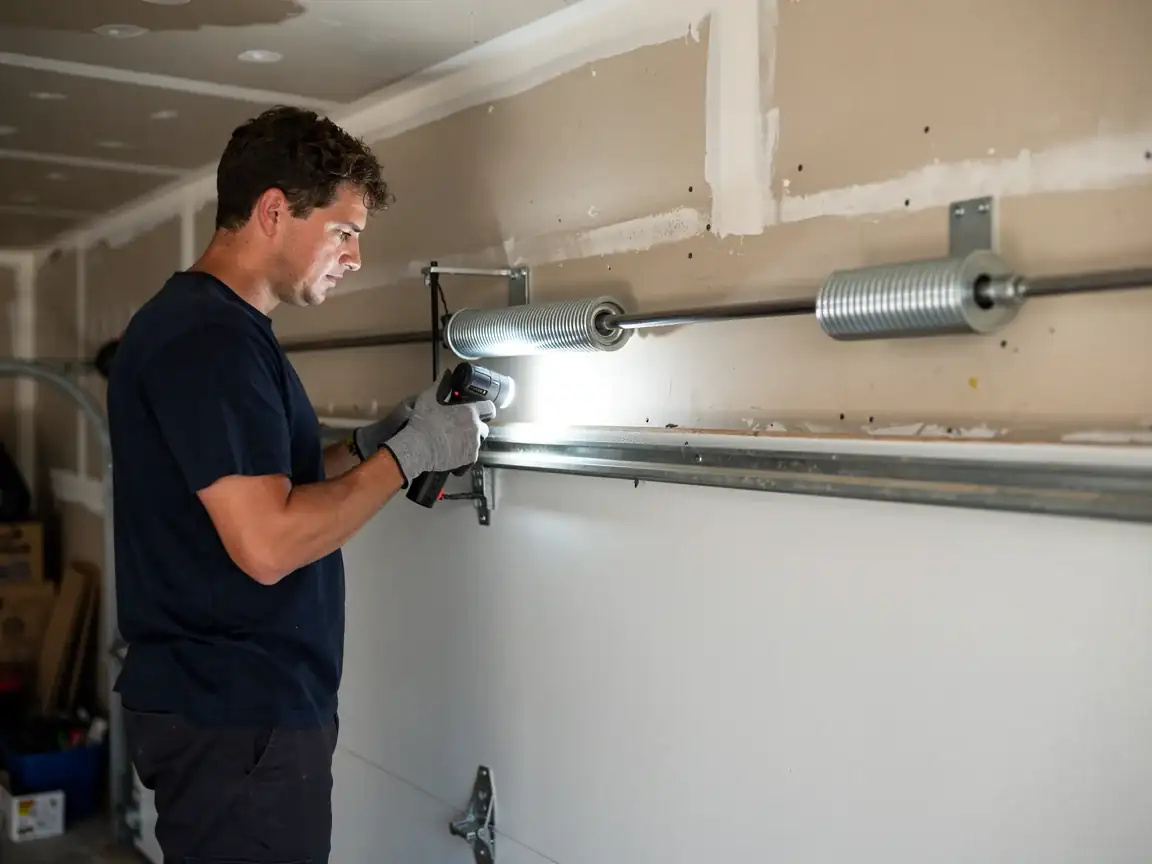
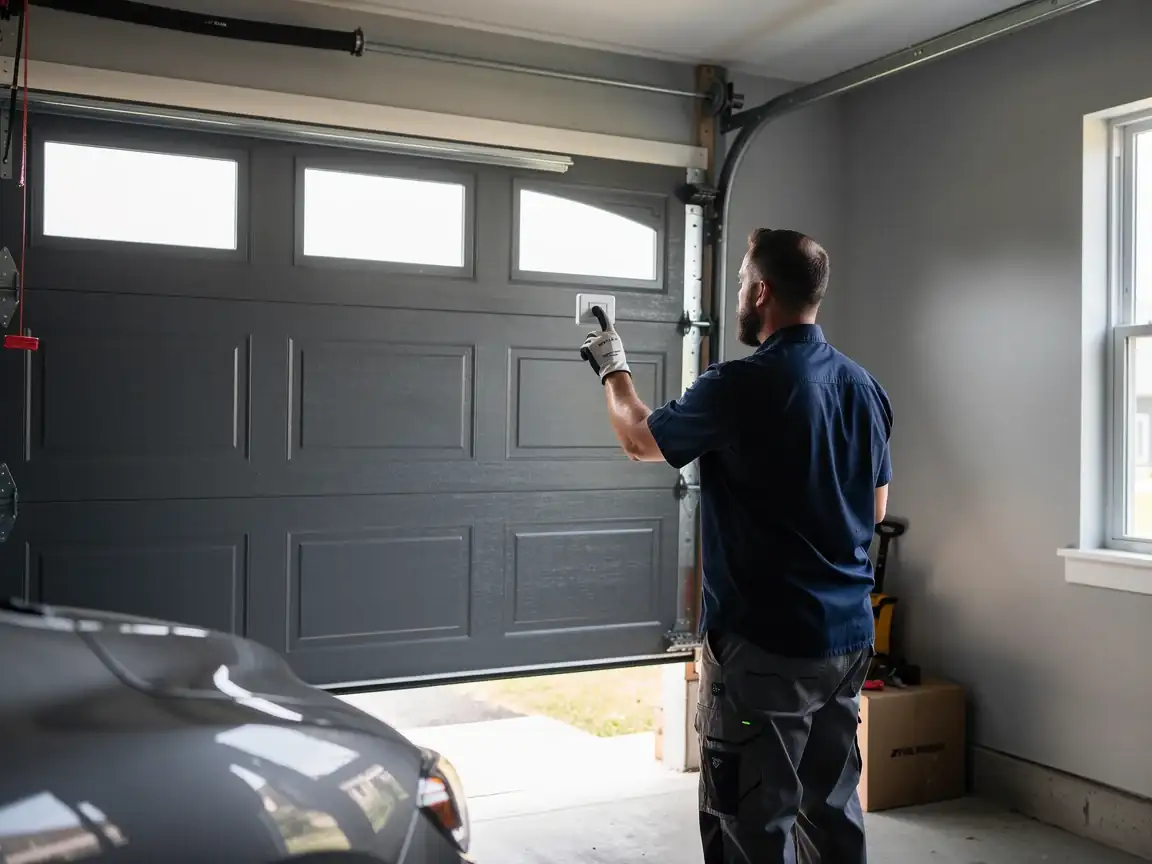
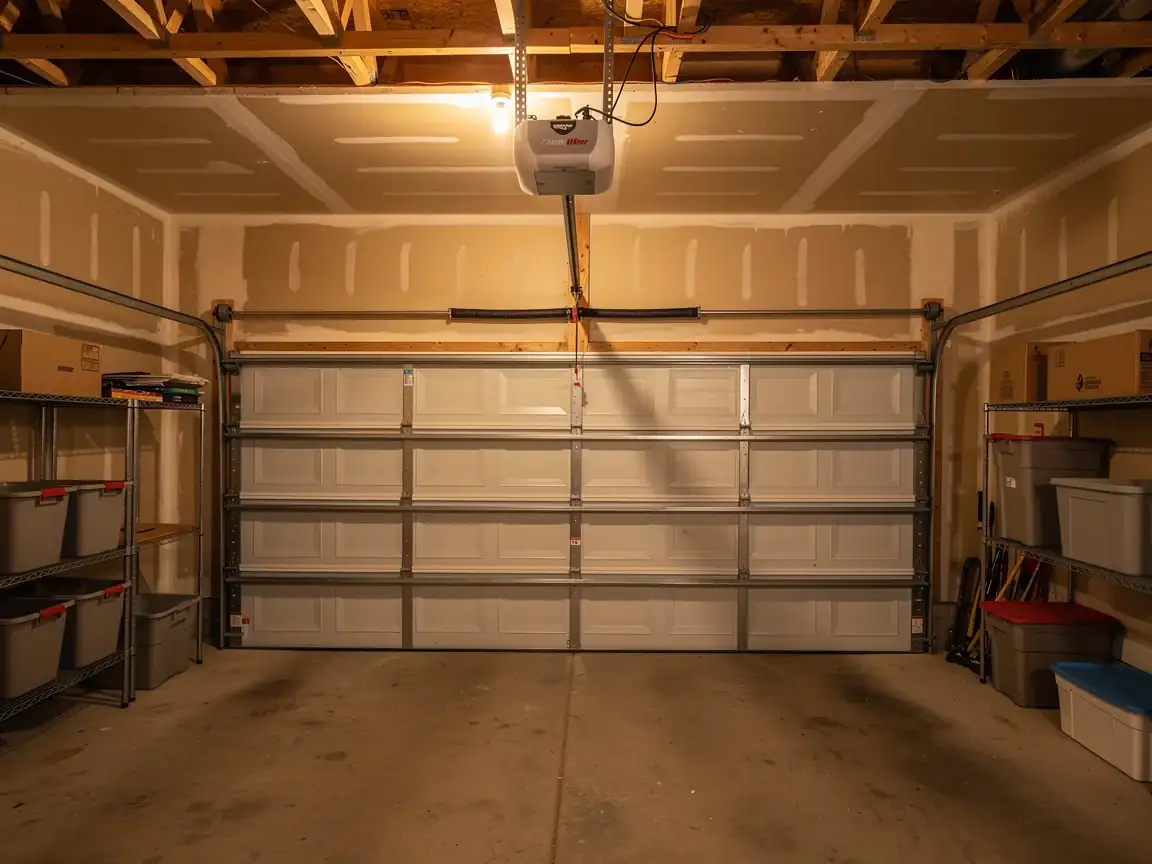
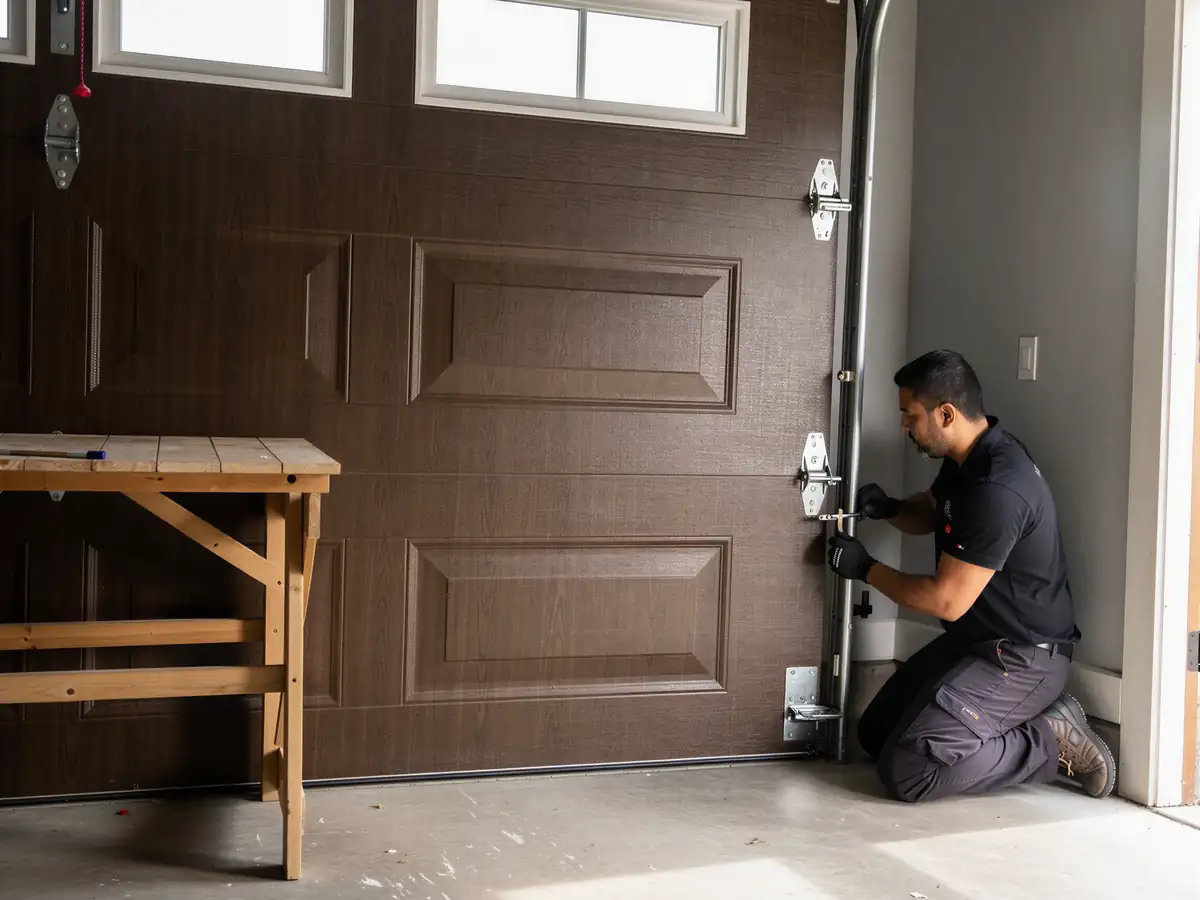
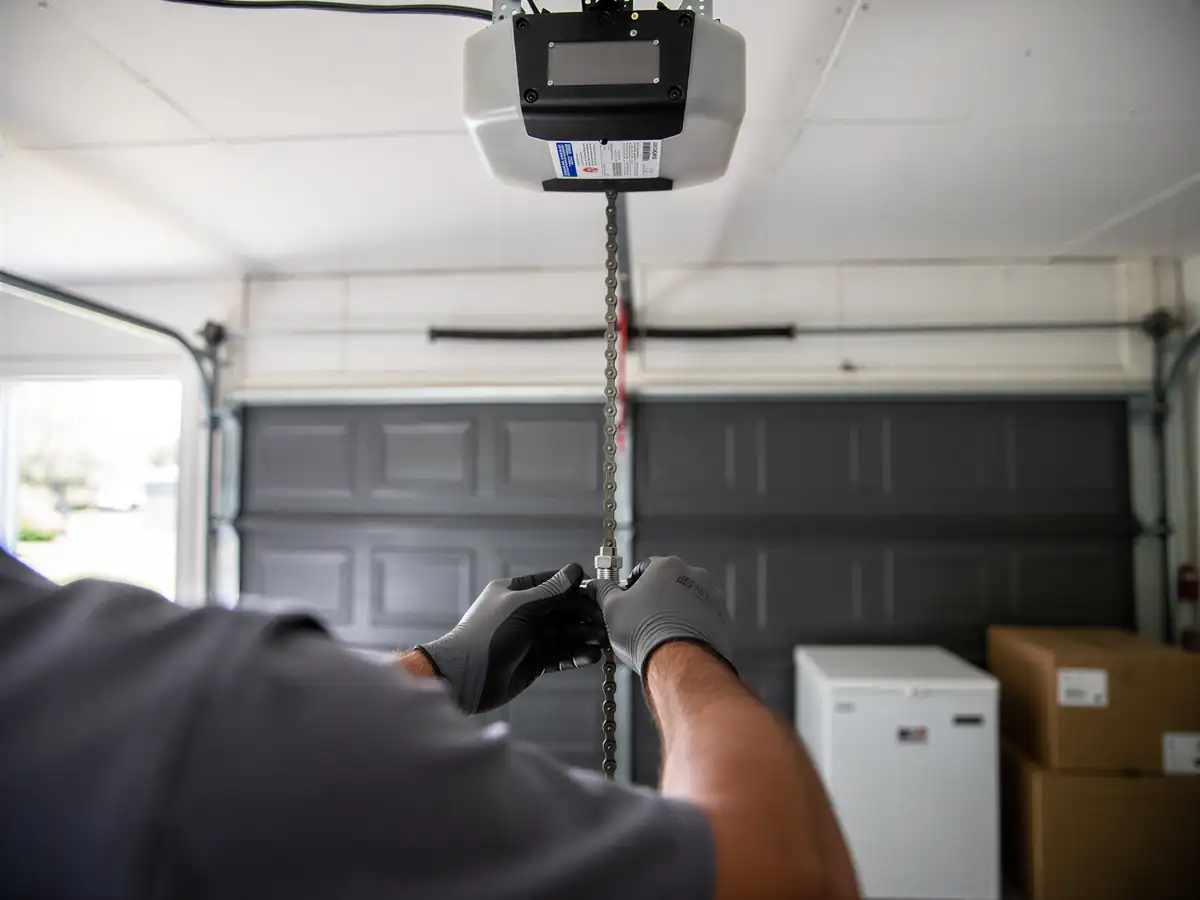
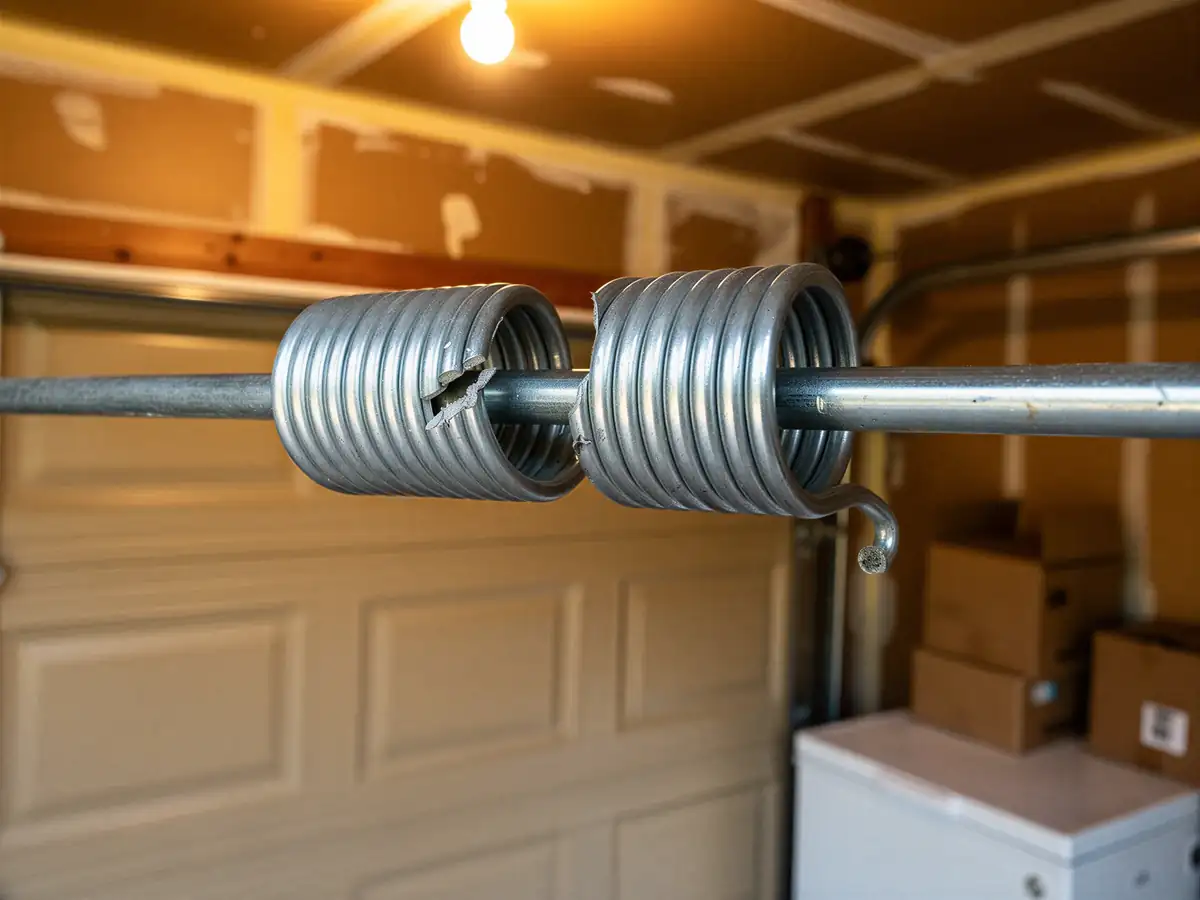
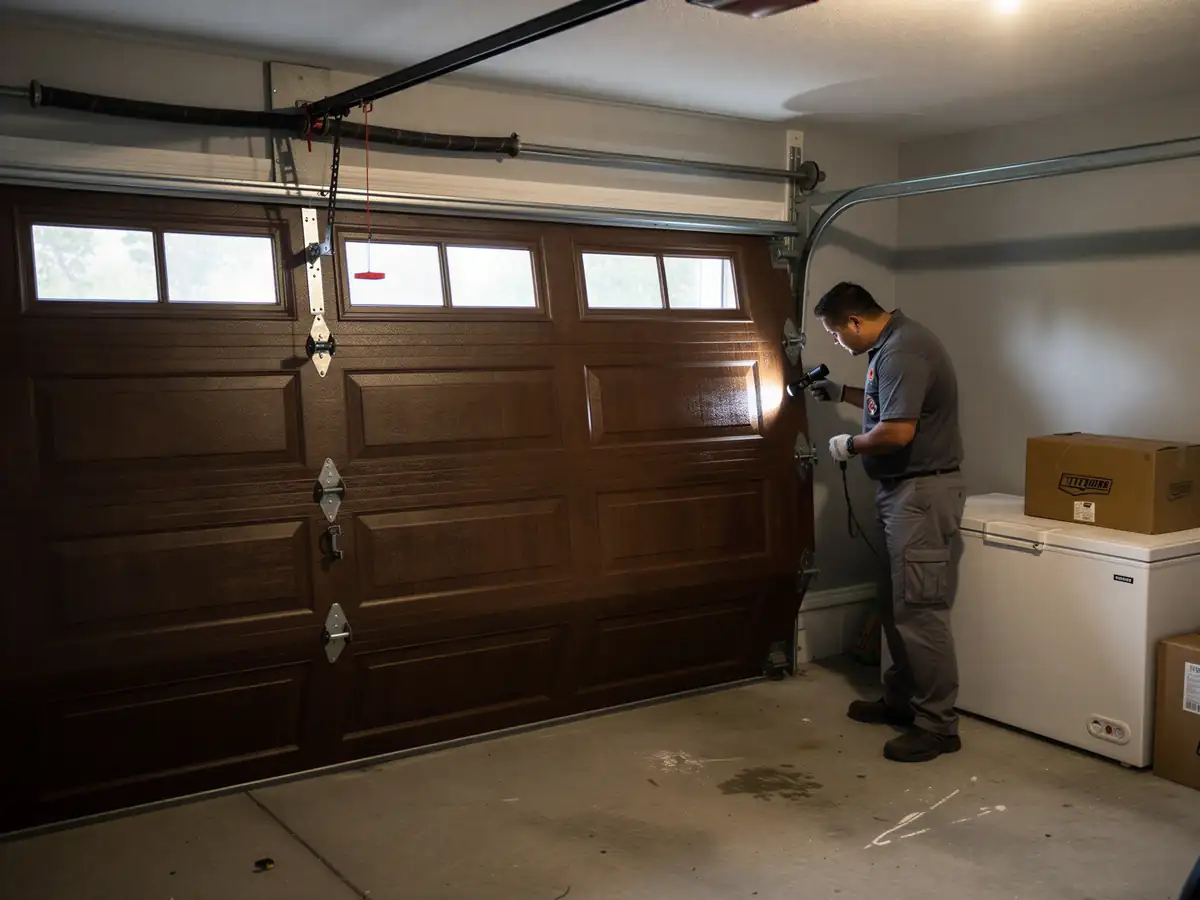
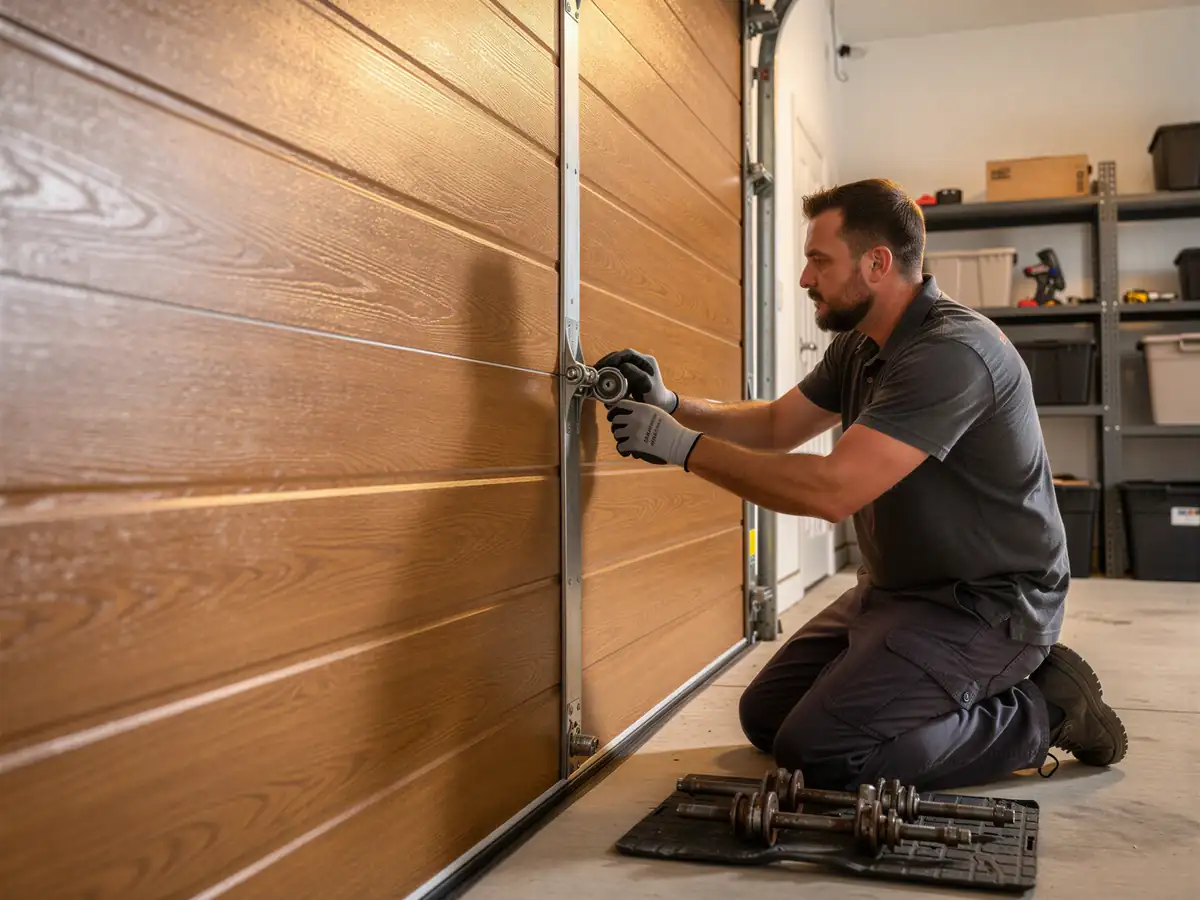
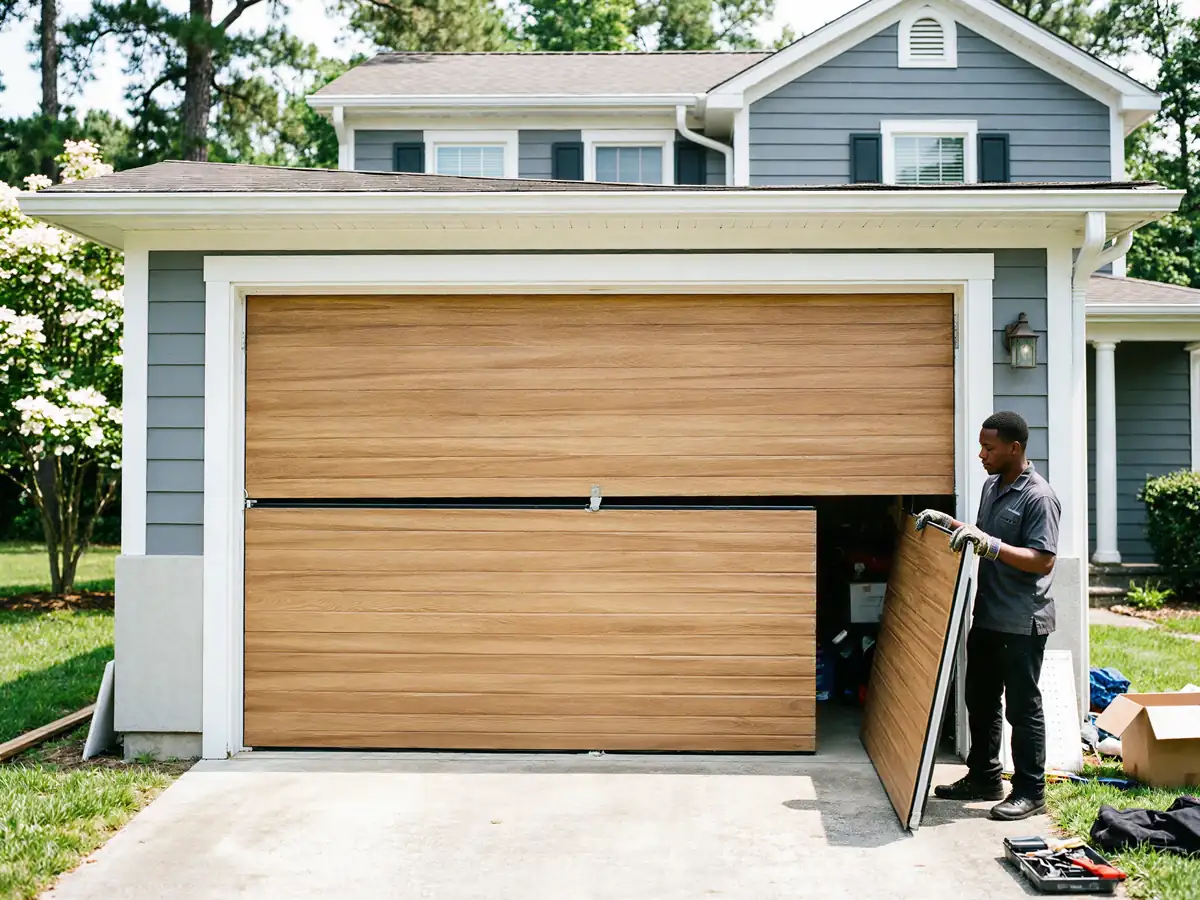
A proper new install starts with pulling the old door and inspecting the track and header for rust or wood rot, which shows up more often on houses from the 1984-era stock than on anything built in the last fifteen years. We replace the springs to match the new door's weight - never reuse old torsion springs on a new door, regardless of how good they look. Tracks get leveled and re-anchored if the jamb has shifted, which happens with age and with the area's seasonal temperature swings. Last comes the opener: if yours is original to the house, we'll flag it, since a 1980s opener rarely has the safety reversal sensors required on new installs today.