Where This Job Goes Sideways
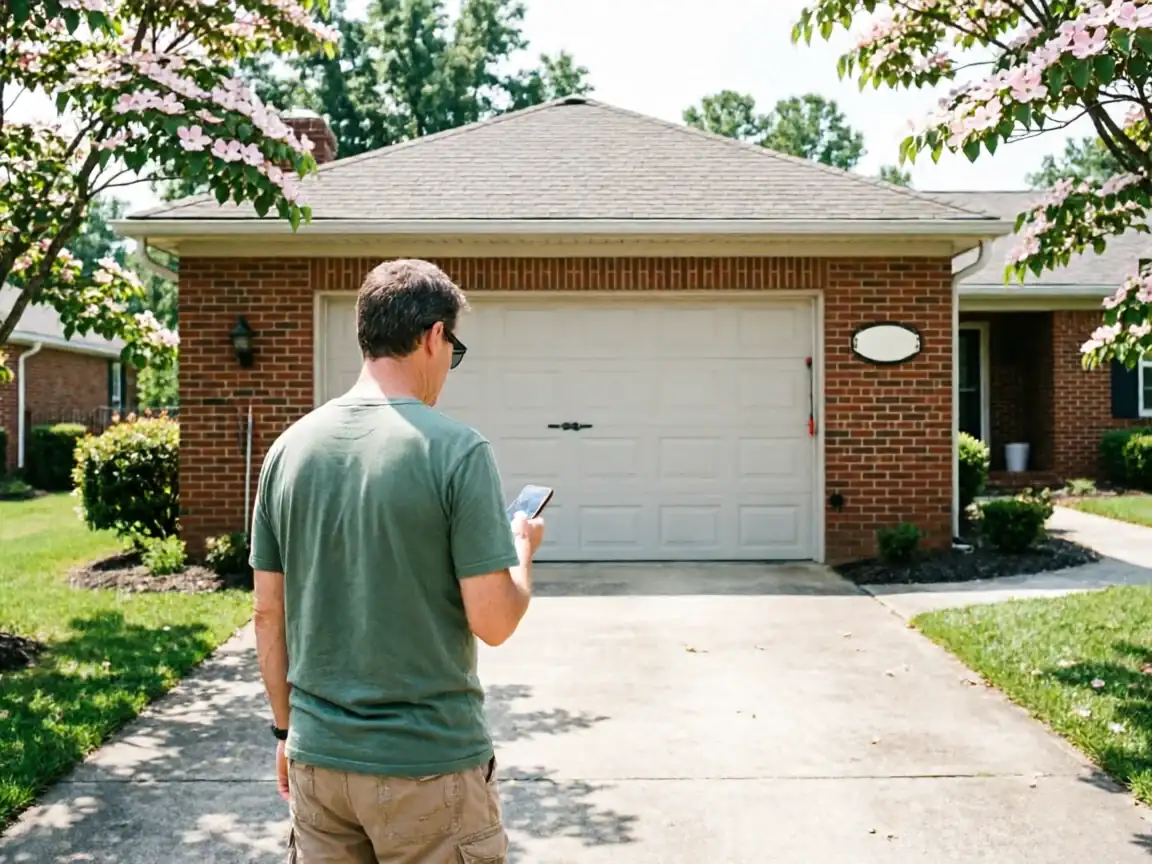
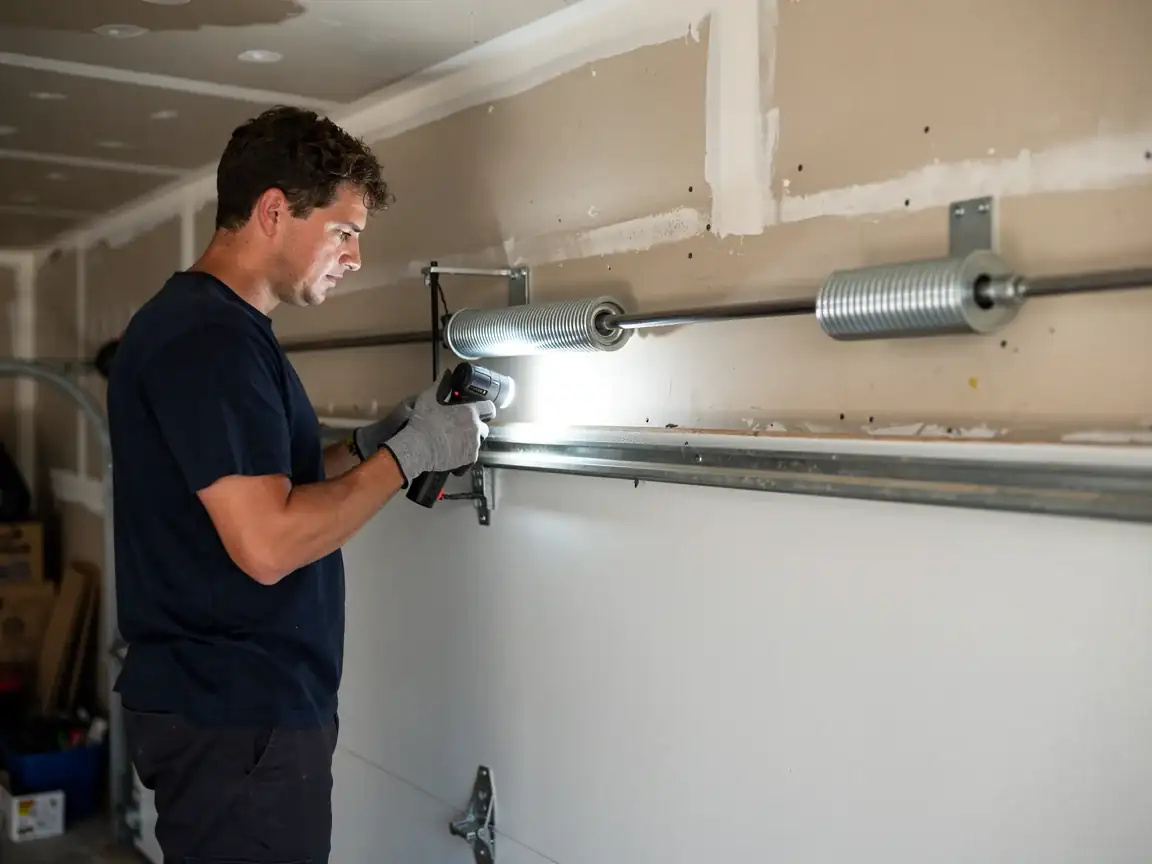
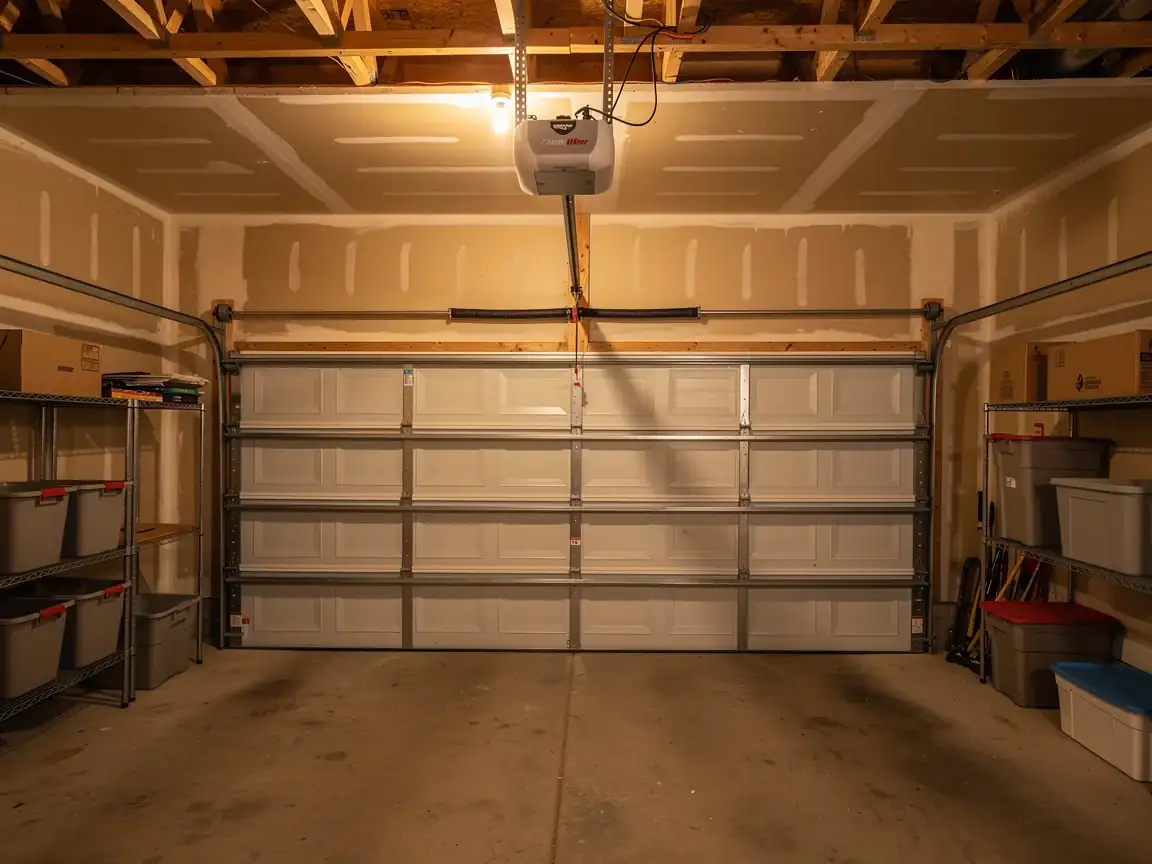
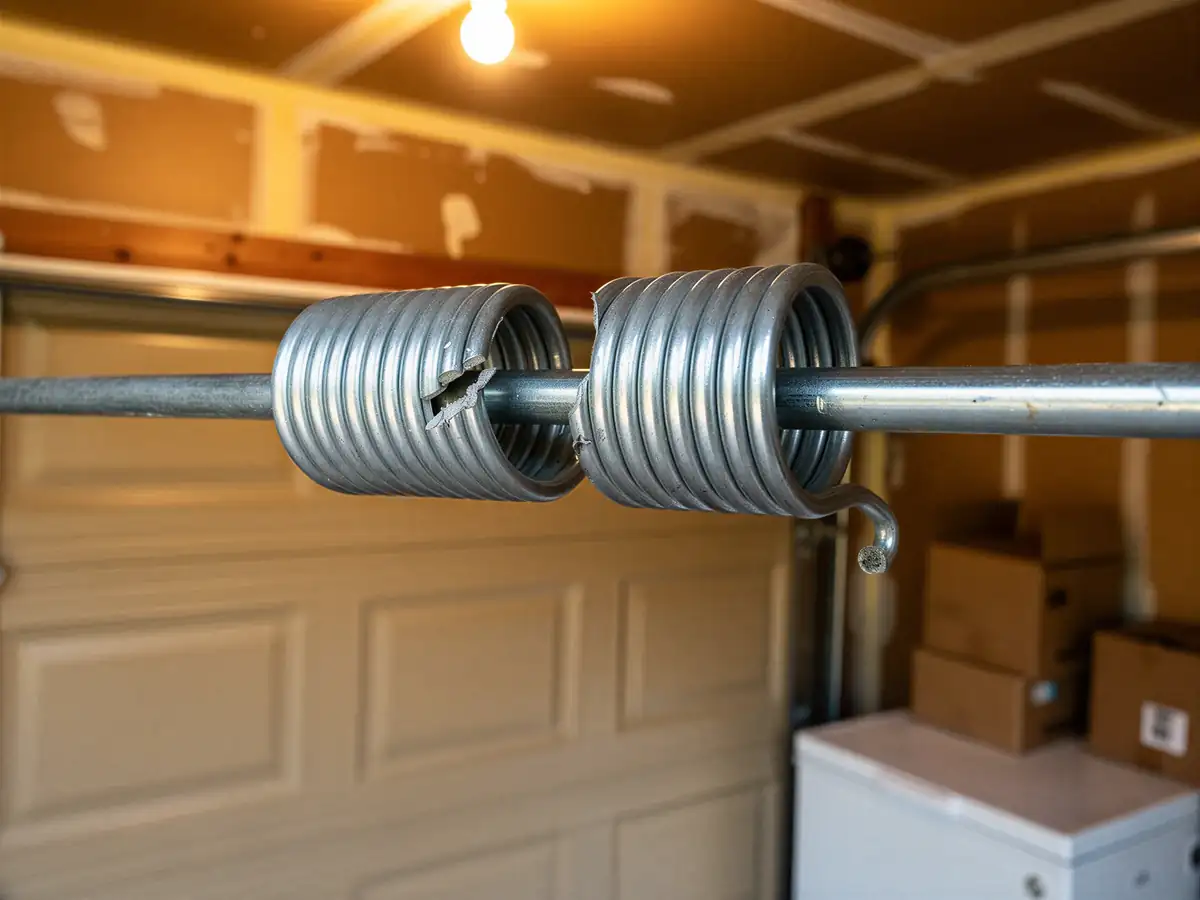
With a median build year of 1984 in Mount Pleasant, a lot of these houses are on their second opener, not their first - the original unit usually gave out somewhere in the 2000s. That second-generation opener is now old enough to be failing on its own terms: worn drive gears, a dying capacitor, a logic board that's seen three decades of garage temperature swings. The trap is assuming a dead opener means a dead opener. Half the no-response calls we get in older housing stock turn out to be a spring that's lost tension, overloading the motor until it trips out. Fix the opener and ignore the spring, and you're back in a month.
What Causes It Around Here
This area sits in a cold-moderate climate band, which means garages here swing through real temperature and humidity shifts across the year rather than staying mild. That cycling is hard on opener electronics - condensation on a logic board in an unconditioned garage, grease that stiffens in a cold snap and strains the motor on startup. In a house built around 1984, insulation and garage sealing weren't built to today's standard, so the opener inside sees more of that swing than a newer build would. Add in gears and sprockets that are decades old even on a replaced unit, and you get a steady trickle of failures tied directly to age and exposure rather than one single cause.
What You Pay
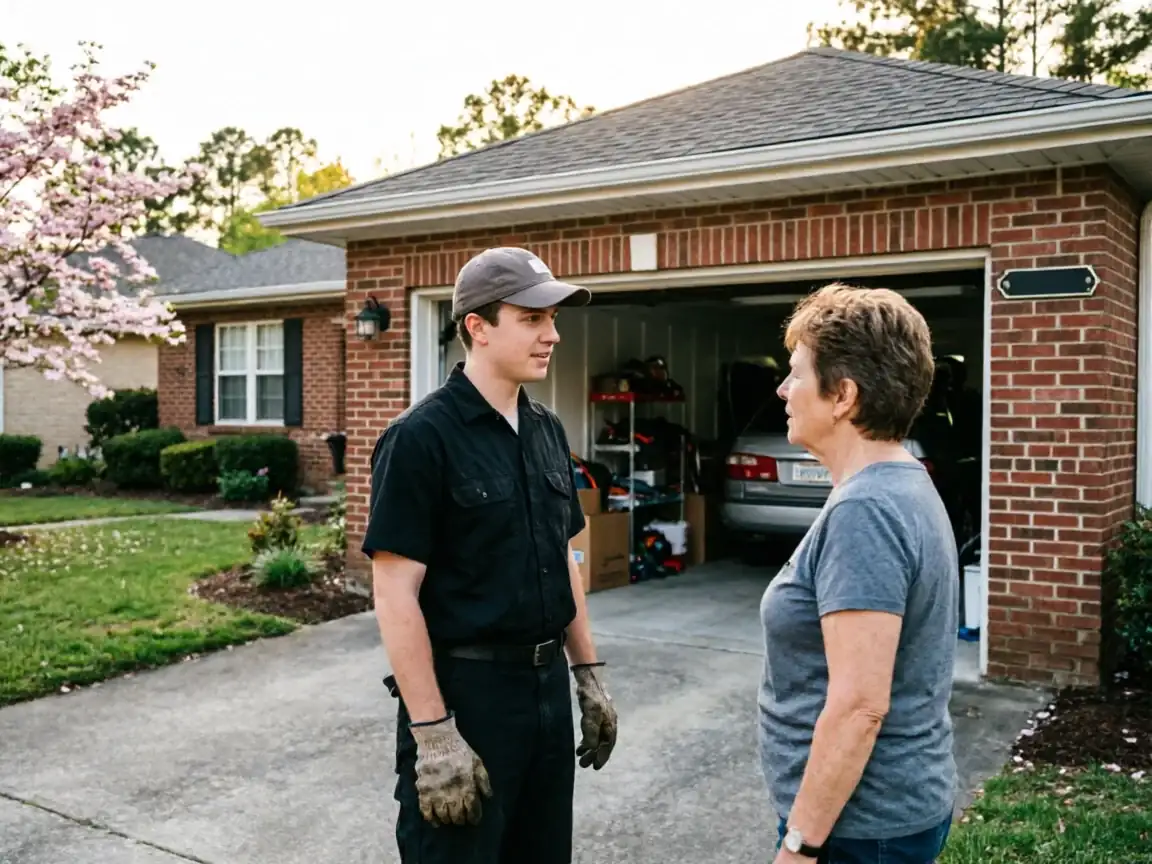
We don't post flat prices for opener repair here because the job varies too much - a sensor realignment and a gear kit replacement aren't the same call, and we're not going to quote one number that fits neither. What we can tell you is the trip is priced the same way whether you're in Mount Pleasant or anywhere else we cover from Concord; distance doesn't add a surcharge. Median household income in this area runs a bit above the wider service area's figure, but that doesn't set our pricing - the opener's age, brand, and what's actually broken does.
What the Fix Involves
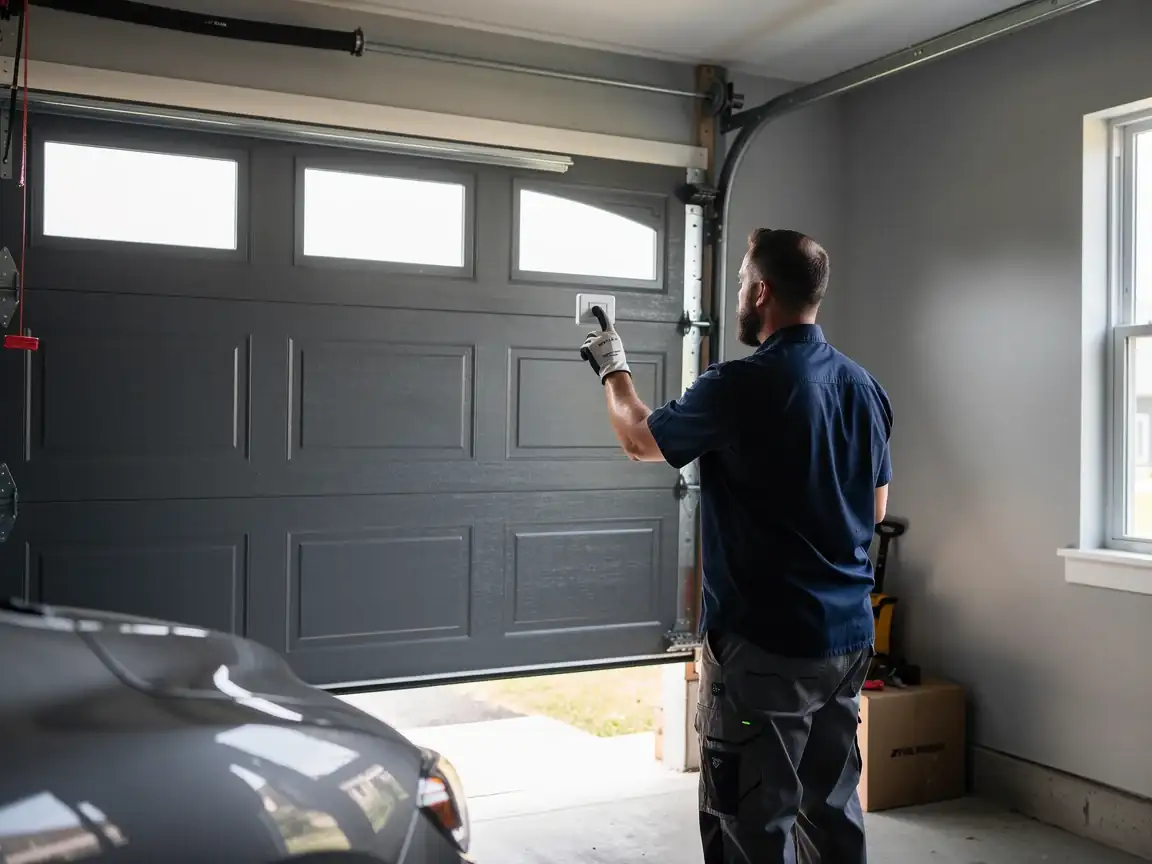
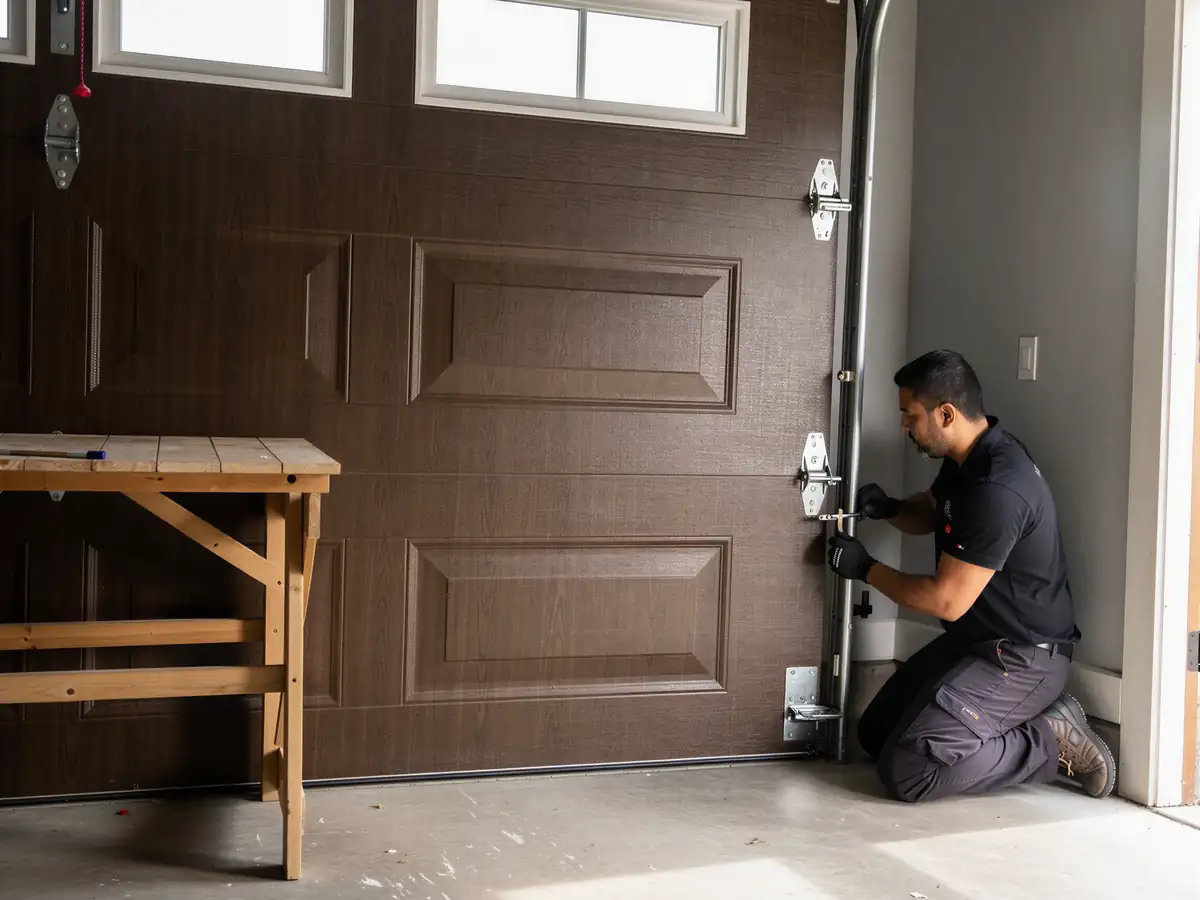
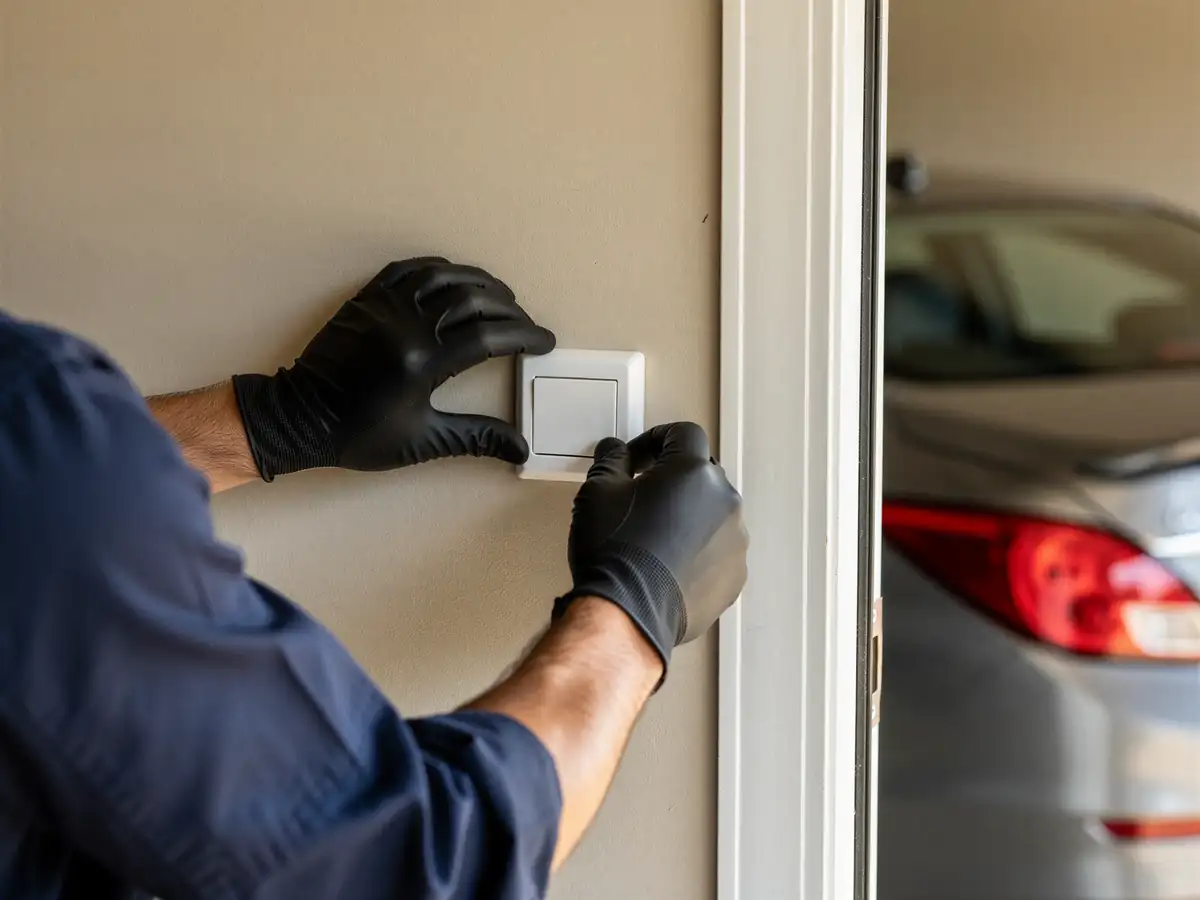
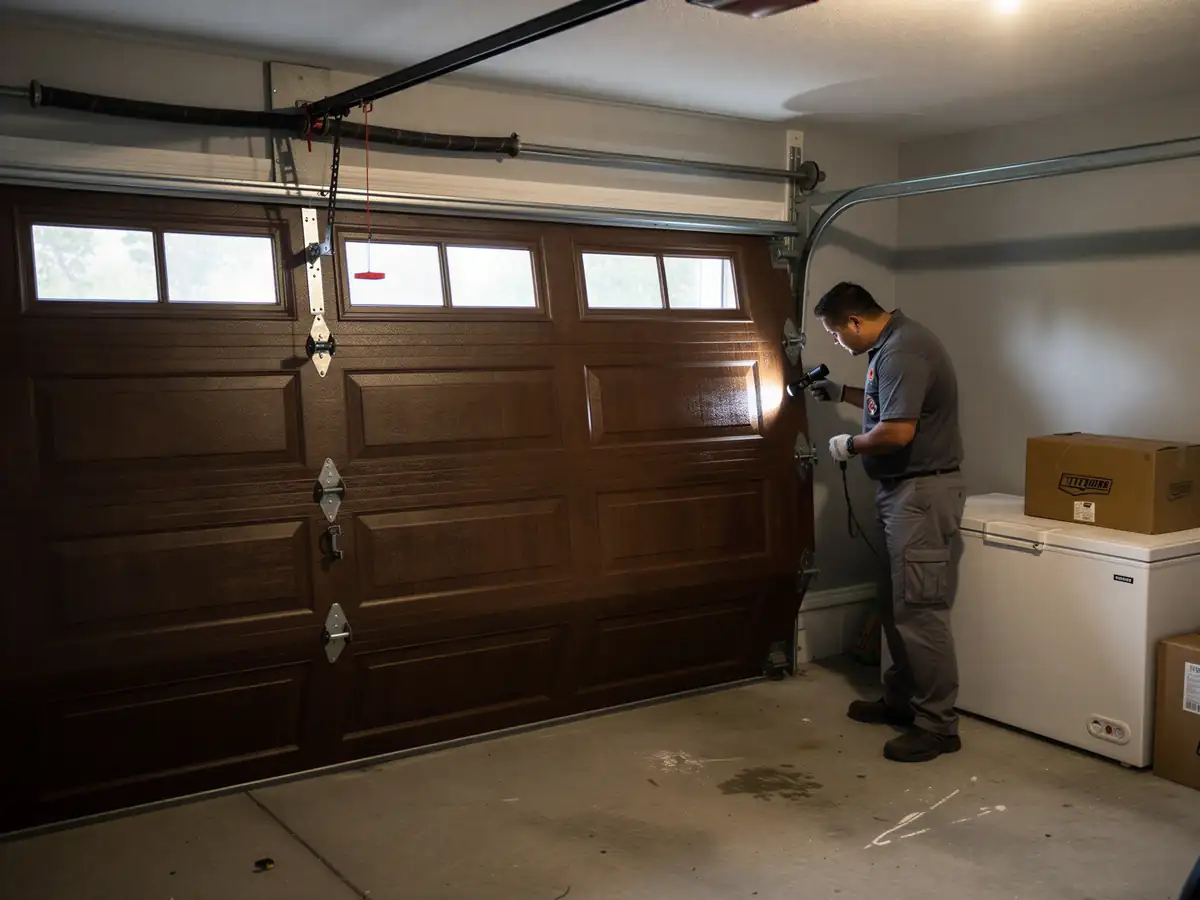
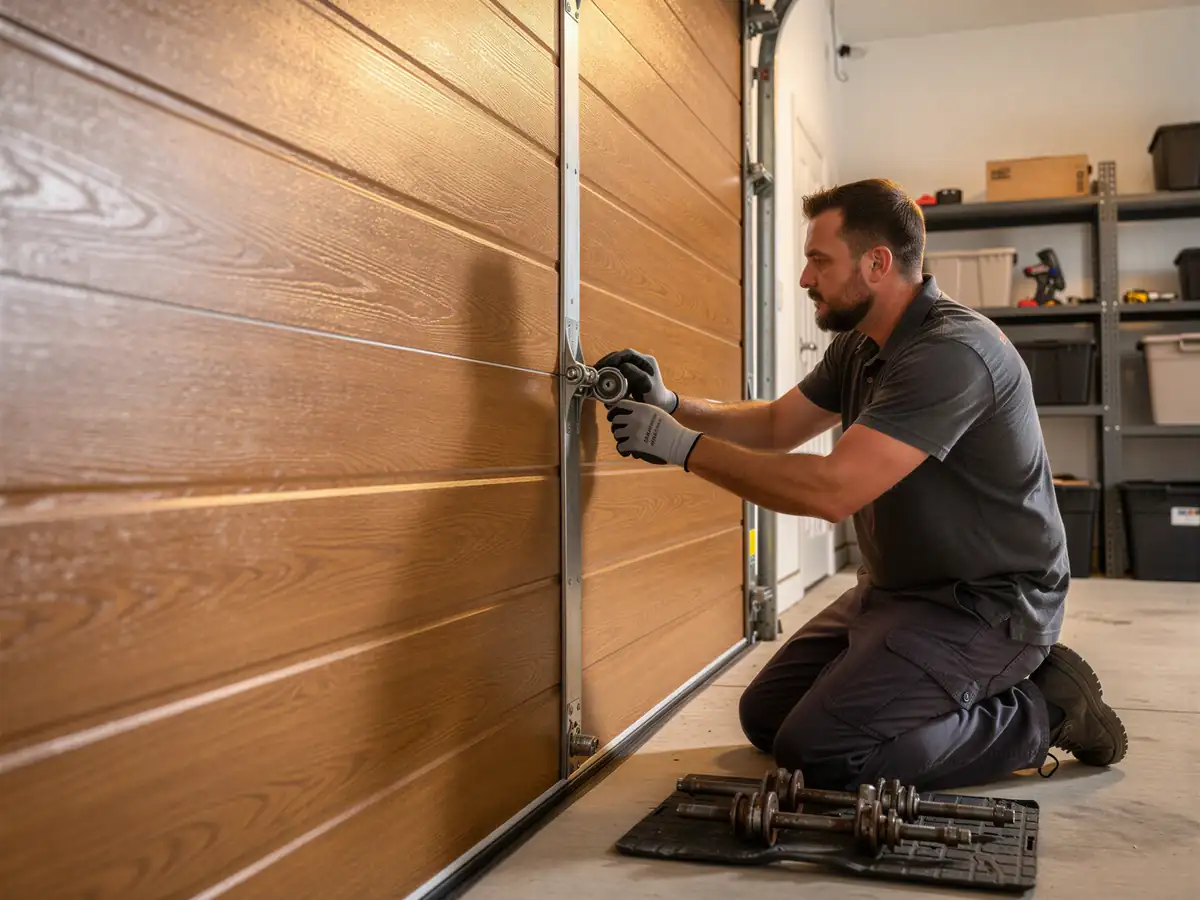
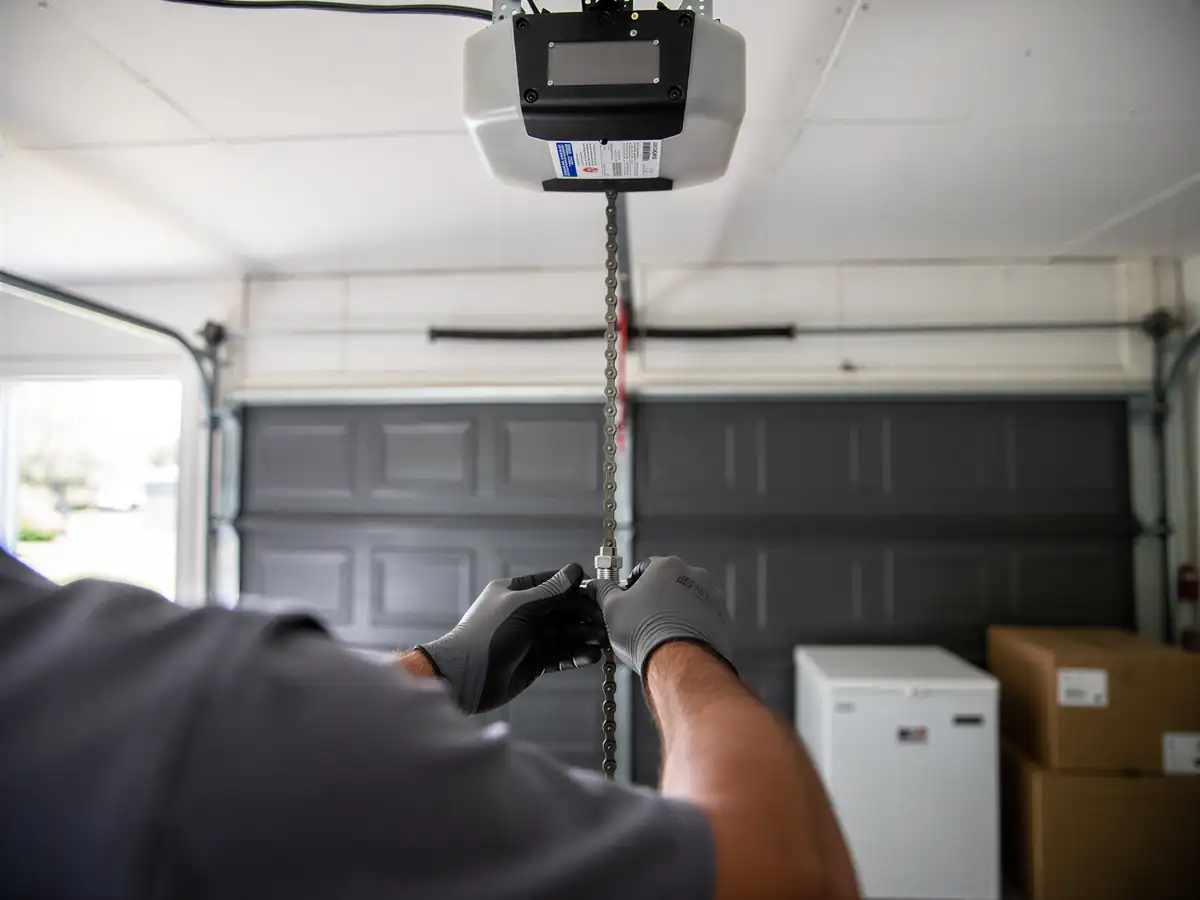
First we test the opener against the door, not in isolation - pulling the release handle and moving the door by hand tells us in thirty seconds whether the motor or the door hardware is carrying the real problem. From there it's a logic board check, a look at the drive gear or belt for wear, and a sensor test. On a unit installed to replace a failed original - common in this housing stock - we also check the mounting bracket, since 1980s framing wasn't always set up for the opener models sold today. If the motor's the issue, we quote gear kit versus full replacement on the spot, and we'll tell you straight when a twenty-year-old opener isn't worth saving.